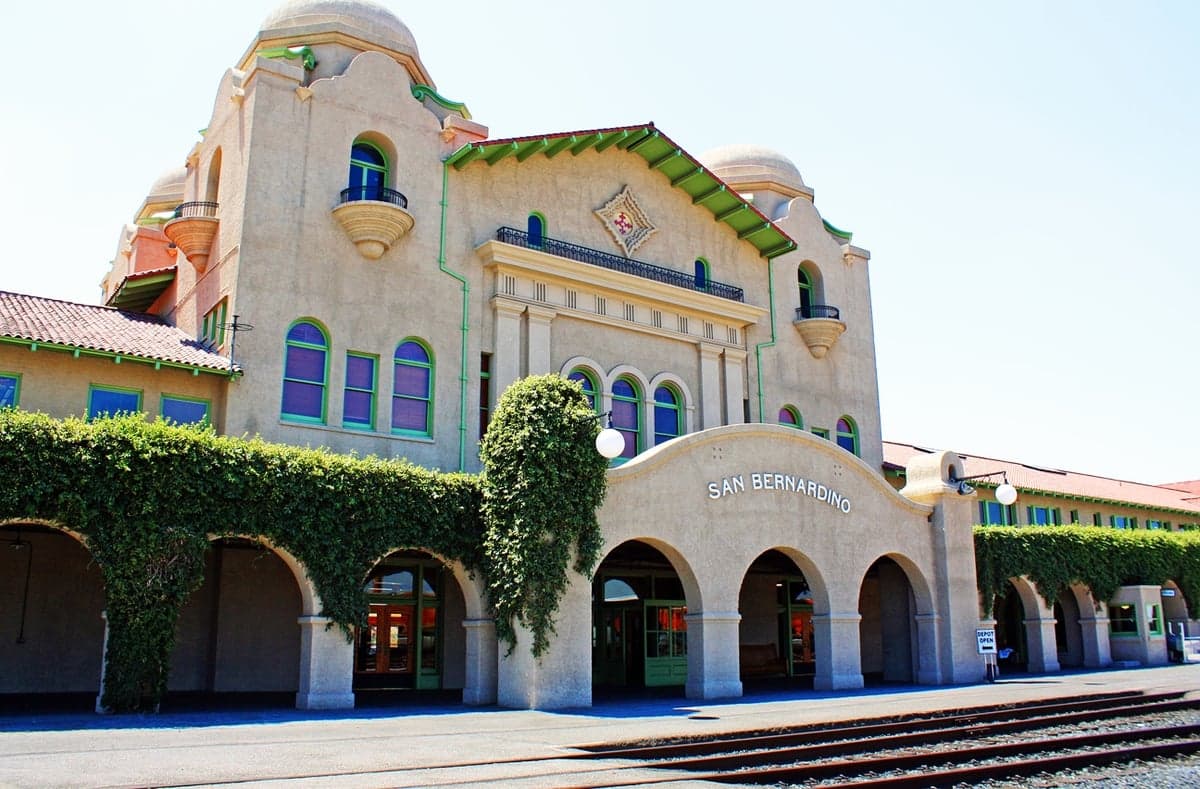
Photo: Wikipedia
Find The Best Places To Live in San Bernardino County
PRO TIP! You can paste a Zillow or Redfin link to get info on that property.
Best Places to Live in San Bernardino County
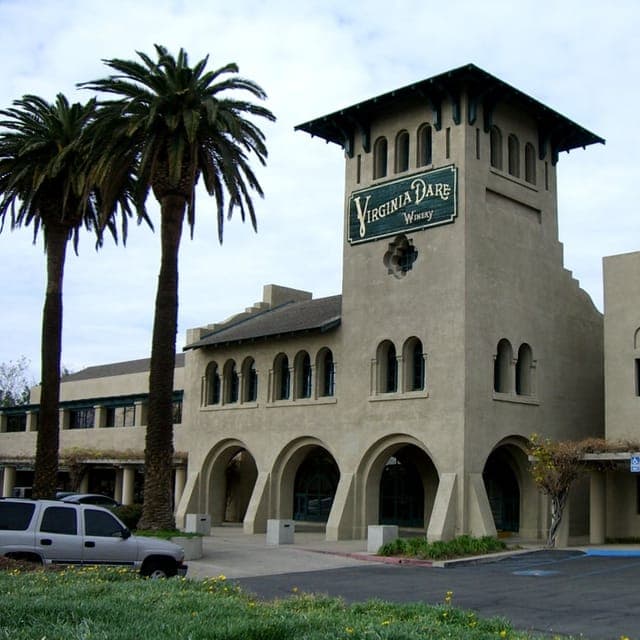
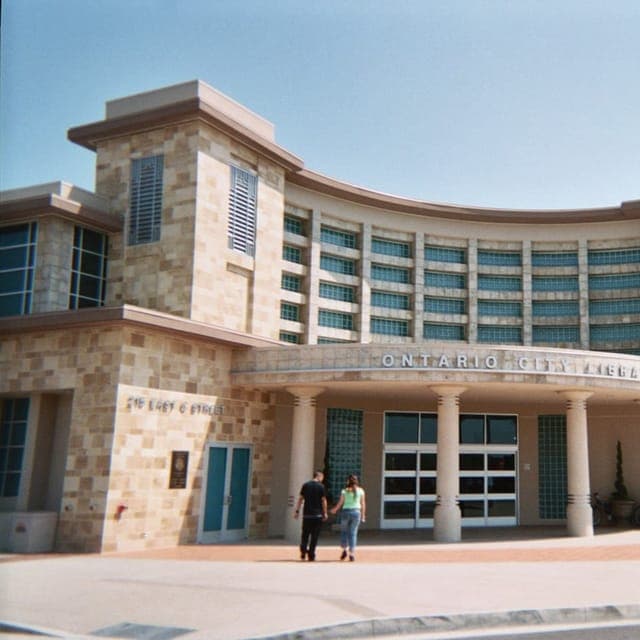
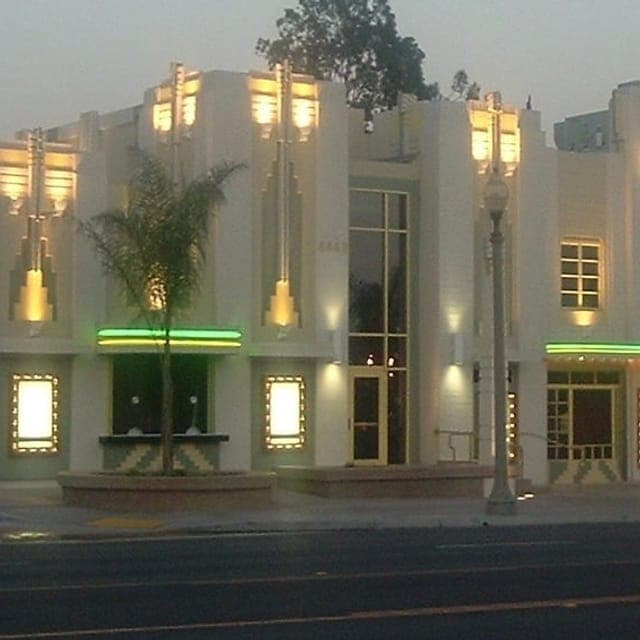
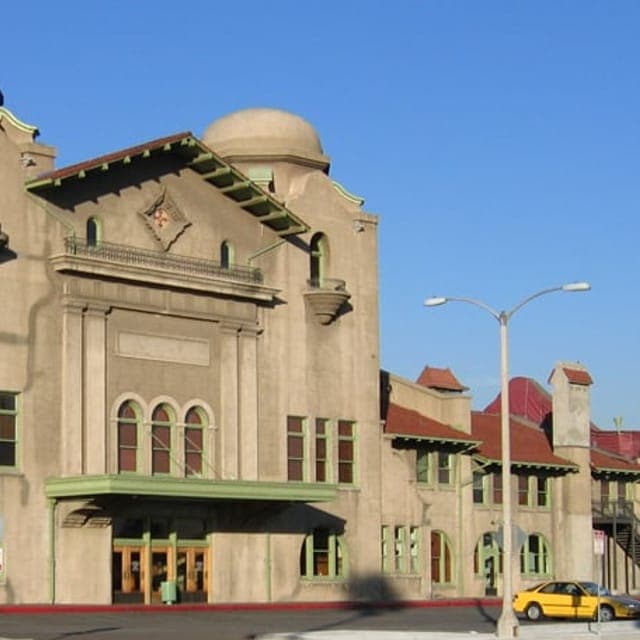
Cities & Towns in San Bernardino County
Cities in San Bernardino County
What It's Like Living in San Bernardino County, CA
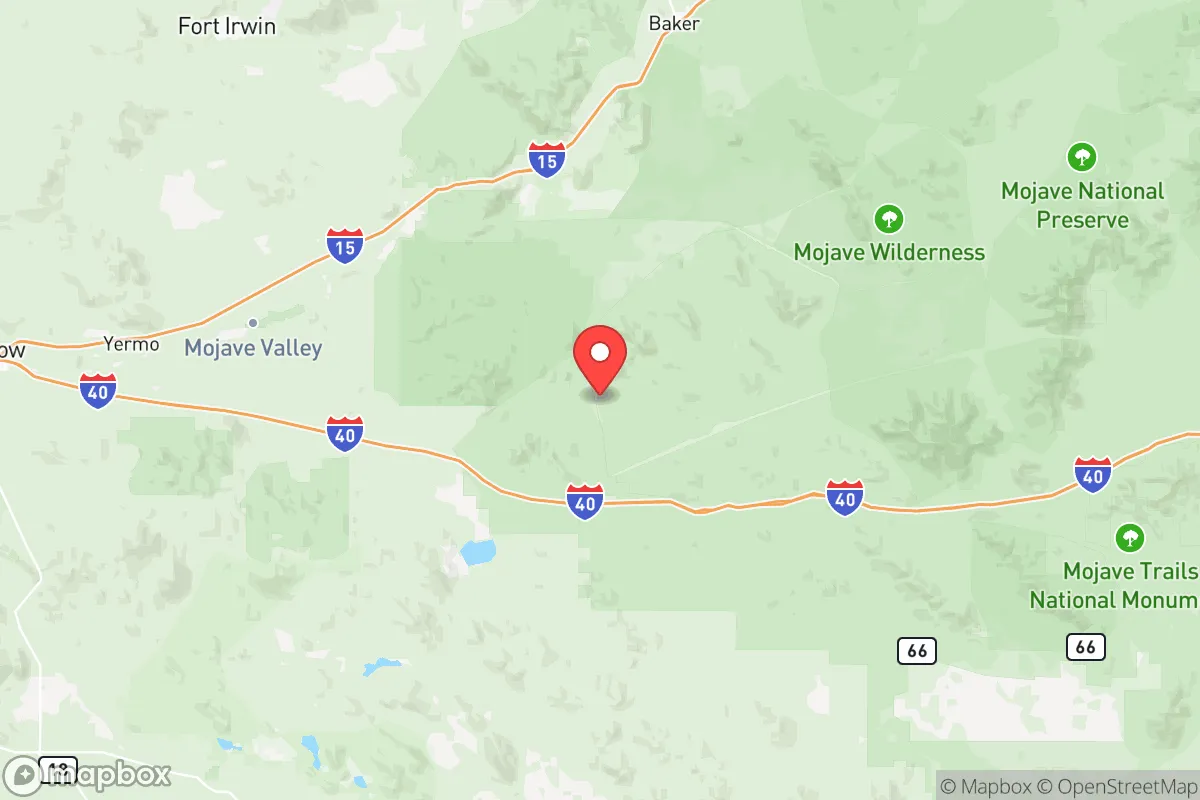
San Bernardino County is a place of stark contrasts, where the sprawling suburban grid of Ontario meets the high-desert quiet of Victorville and the mountain retreat of Big Bear Lake. With over 2.1 million residents spread across 20,000 square miles, it’s the largest county in the contiguous United States by area, and that sheer size means the "vibe" shifts dramatically depending on whether you’re in a commuter town like Rancho Cucamonga or a rural outpost like Joshua Tree. For families and individuals who want affordable California living without sacrificing access to jobs or outdoor recreation, this county offers a real trade-off: you get more space and lower home prices than Los Angeles or Orange County, but you’ll trade that for longer commutes and a more scattered sense of community.
The Daily Rhythm: Commutes, Cost, and Community Life
For many residents, daily life in San Bernardino County is defined by the commute. The average drive time hovers around 32 minutes, but that number jumps significantly for the thousands who head west into Los Angeles or Orange County each morning. Cities like Fontana and Rialto are classic bedroom communities, where early morning traffic on the 210 or 10 freeways is a shared ritual. In contrast, those who work in the county’s own growing job centers—like the logistics hubs around Ontario International Airport or the healthcare sector in Loma Linda—enjoy a shorter, more predictable drive. The median household income of $82,184 reflects this mix of blue-collar and white-collar work, though it’s worth noting that only about 23% of adults hold a bachelor’s degree, a figure that aligns with the county’s strong trade and service sectors.
Housing is the big draw for people priced out of coastal markets. The median home value sits at $475,000, which feels like a bargain compared to the $900,000+ averages in Los Angeles County. That said, the cost of living index of 155 means everyday expenses—groceries, utilities, gas—still run well above the national average. Families often settle in master-planned communities like those in Eastvale or Chino Hills, where newer homes, good schools, and strip-mall conveniences create a predictable suburban rhythm. Weekends here mean soccer games at community parks, Costco runs, and backyard barbecues. In the high desert towns of Hesperia and Apple Valley, life moves slower, with more acreage, dirt bikes, and a stronger do-it-yourself ethos.
Sports, Festivals, and Getting Outdoors
Sports culture in the county is a mix of high school loyalty and minor-league fandom. Friday-night football is a genuine event in places like Upland and Redlands, where packed bleachers and marching bands create small-town energy within a sprawling metro. For pro sports, residents typically drive to Los Angeles for the Dodgers, Lakers, or Rams, but the Inland Empire has its own loyalties: the Rancho Cucamonga Quakes (Single-A affiliate of the Dodgers) draw solid crowds, and the Ontario Reign (AHL hockey) offer a cheaper, family-friendly alternative to the NHL. College sports fandom leans toward UCLA and USC, but Cal State San Bernardino and University of Redlands also have local followings.
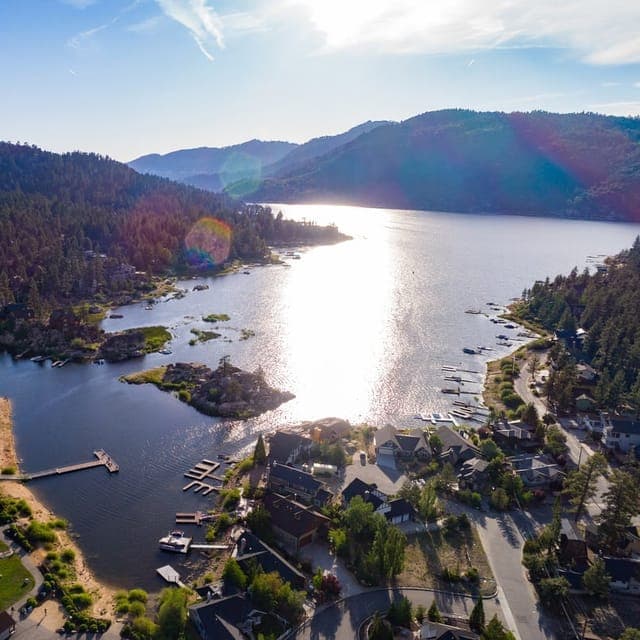
Outdoor recreation is a major part of the county’s identity. The San Bernardino National Forest provides skiing and snowboarding at Snow Summit and Bear Mountain in Big Bear Lake during winter, while summer brings hiking, fishing, and camping in the same mountains. The Mojave Desert offers a completely different experience—Joshua Tree National Park is a world-class destination for rock climbing and stargazing, and the town of Yucca Valley has become a quirky hub for artists and musicians. On the entertainment front, the San Manuel Amphitheater in Devore hosts major concerts, and the Route 66 Rendezvous in San Bernardino city draws car enthusiasts from across the state. Local food scenes are modest but authentic: you’ll find excellent Mexican food in Ontario and Colton, and the farm-to-table movement is growing in Redlands, home to the county’s best farmers’ markets.
Pros and Cons of Living in San Bernardino County
What residents love: The space and affordability relative to coastal California are the top reasons people stay. You can buy a three-bedroom home on a quarter-acre lot in Victorville for under $400,000—unthinkable in most of the state. The diversity of landscapes means you can ski in the morning and hike in the desert by afternoon. For families, the county has strong school districts in places like Chino Valley and Redlands, and the lack of big-city congestion (outside of commute hours) makes daily errands less stressful.
What frustrates locals: The violent crime rate of 434.4 per 100,000 residents is notably higher than the national average, and property crime is a persistent issue in older neighborhoods of San Bernardino city and Adelanto. The sheer size of the county means that amenities are spread thin—a night out in a decent restaurant might require a 20-minute drive. Summer heat is brutal in the low desert cities like Barstow and Needles, where temperatures regularly top 105°F. And while the commute to LA or Orange County is doable, it’s a grind that wears on many residents over time.
Ultimately, San Bernardino County works best for people who value space, affordability, and outdoor access over urban density and walkability. It’s a place where you can own a home, raise kids, and still afford to take a vacation—but you’ll need a car, patience for summer heat, and a tolerance for long drives to get to the good stuff.

* Values derived from national, state, county, city and local statistics and may differ in a specific area. Last updated: 2026-07-12T09:18:14.000Z
Narrative content on this page is AI-generated and may contain mistakes. Verify any details that matter before acting on them.
ReloMaps may earn a commission from affiliate links at no extra cost to you.

