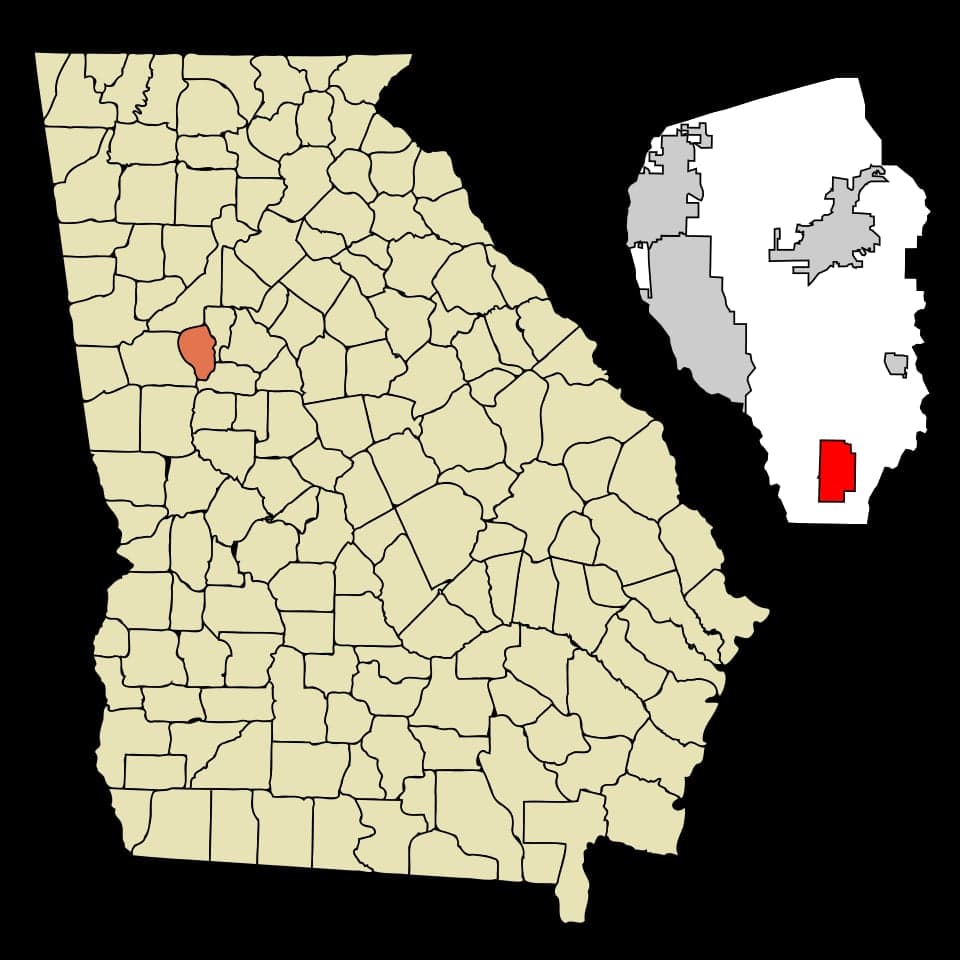
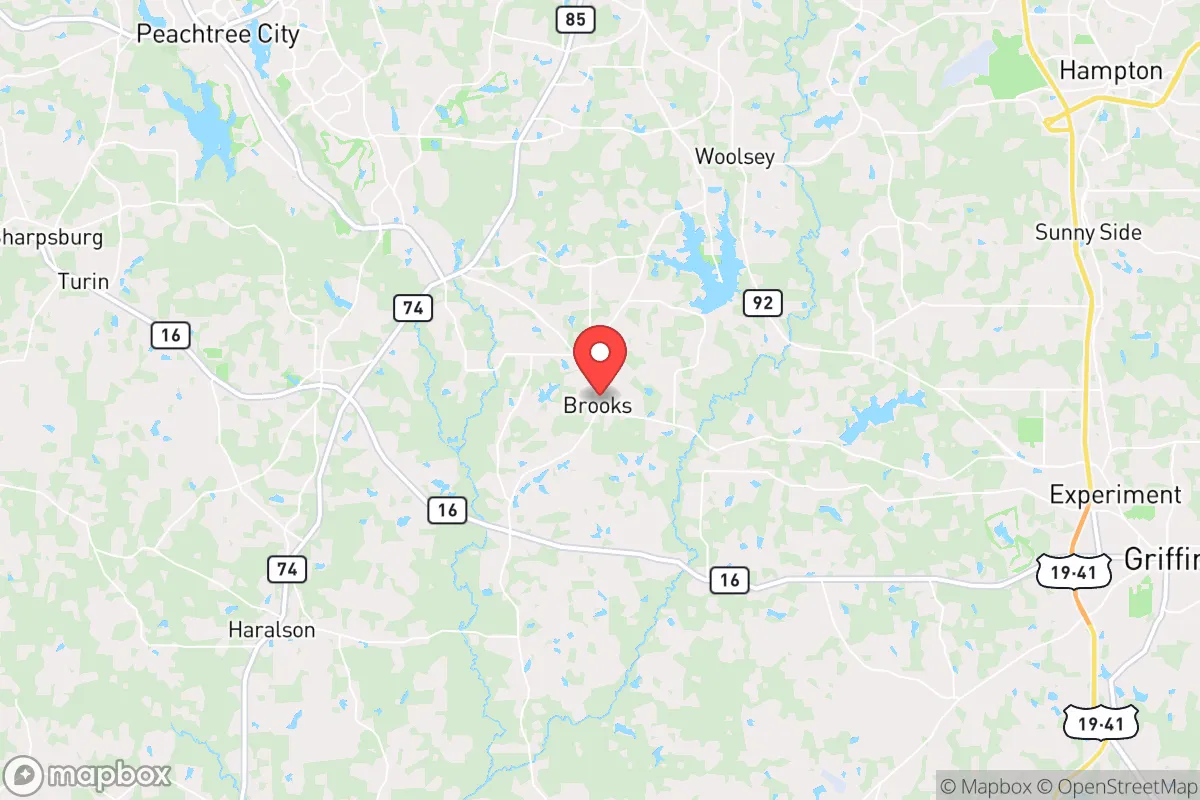
Photo: Wikipedia
Quality of Life in Brooks, GA
A high quality of life with strong walkability, manageable living costs, healthy neighborhood signals, and solid amenity access.
What does Quality of Life tell us?
Quality of Life blends cost of living, nearby amenities, socioeconomic signals, and neighborhood character. City-level scores represent the whole municipality; individual neighborhoods can differ.
What does this tell us?
Quality of Life blends cost of living, nearby amenities, socioeconomic signals, and neighborhood character. City-level scores represent the whole municipality; individual neighborhoods can differ.
Cost of Living
52% above national average
The Real Cost of Living in Brooks, GA for 2026
| Tier | Individual | Family (4) |
|---|---|---|
| Survival | $29k | $54k |
| Comfortable | $83k | $121k |
| Luxury | $191k+ | $296k+ |
| Elite (Top 5%) | $225k+ | $349k+ |
88%
* median rent substituted from county-level data — local Census figures unavailable for small populations
The Area Signal
A metric tracking the socioeconomic signals of the area.
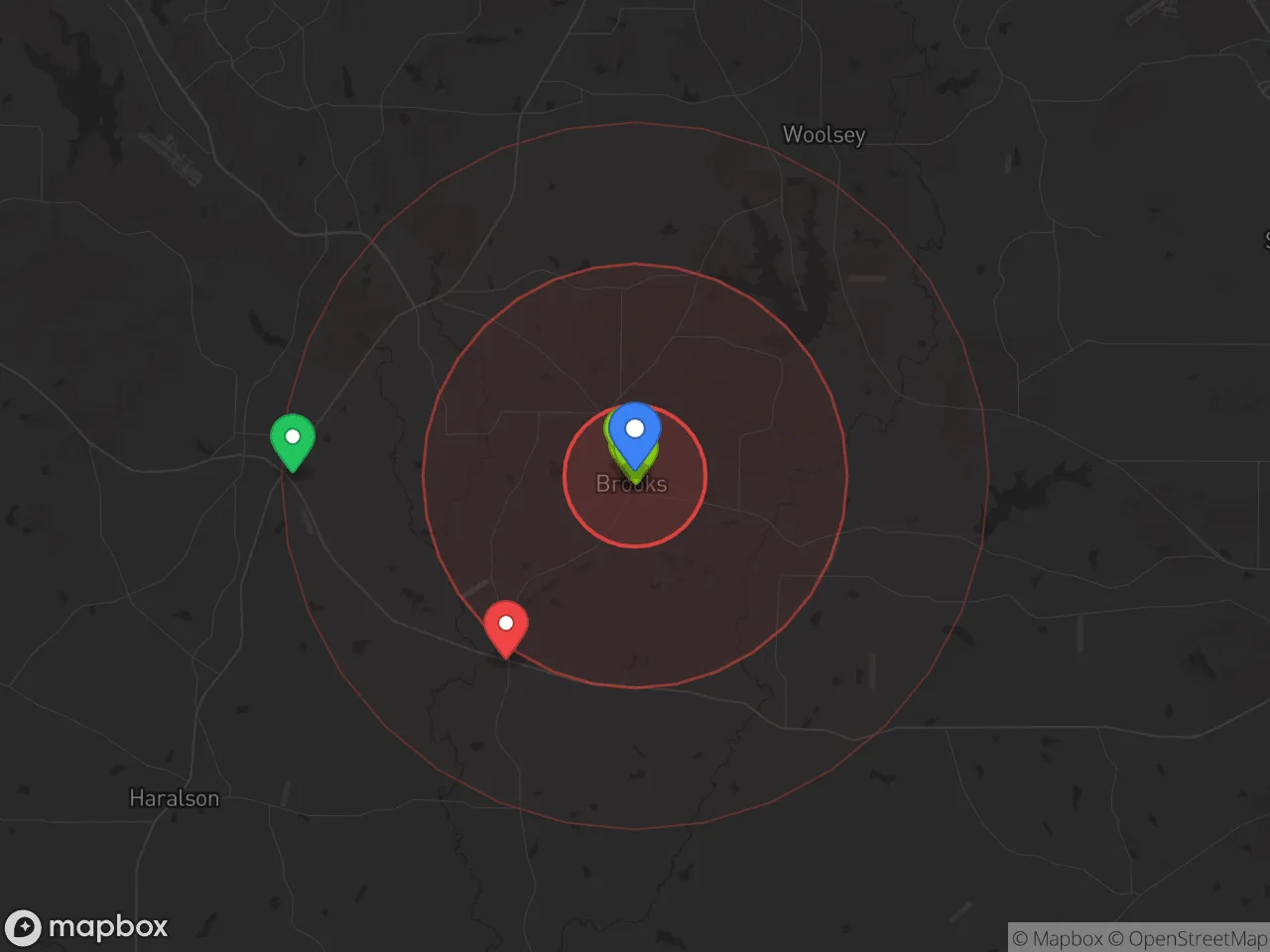
Hobbies
Explore the areaGroceries
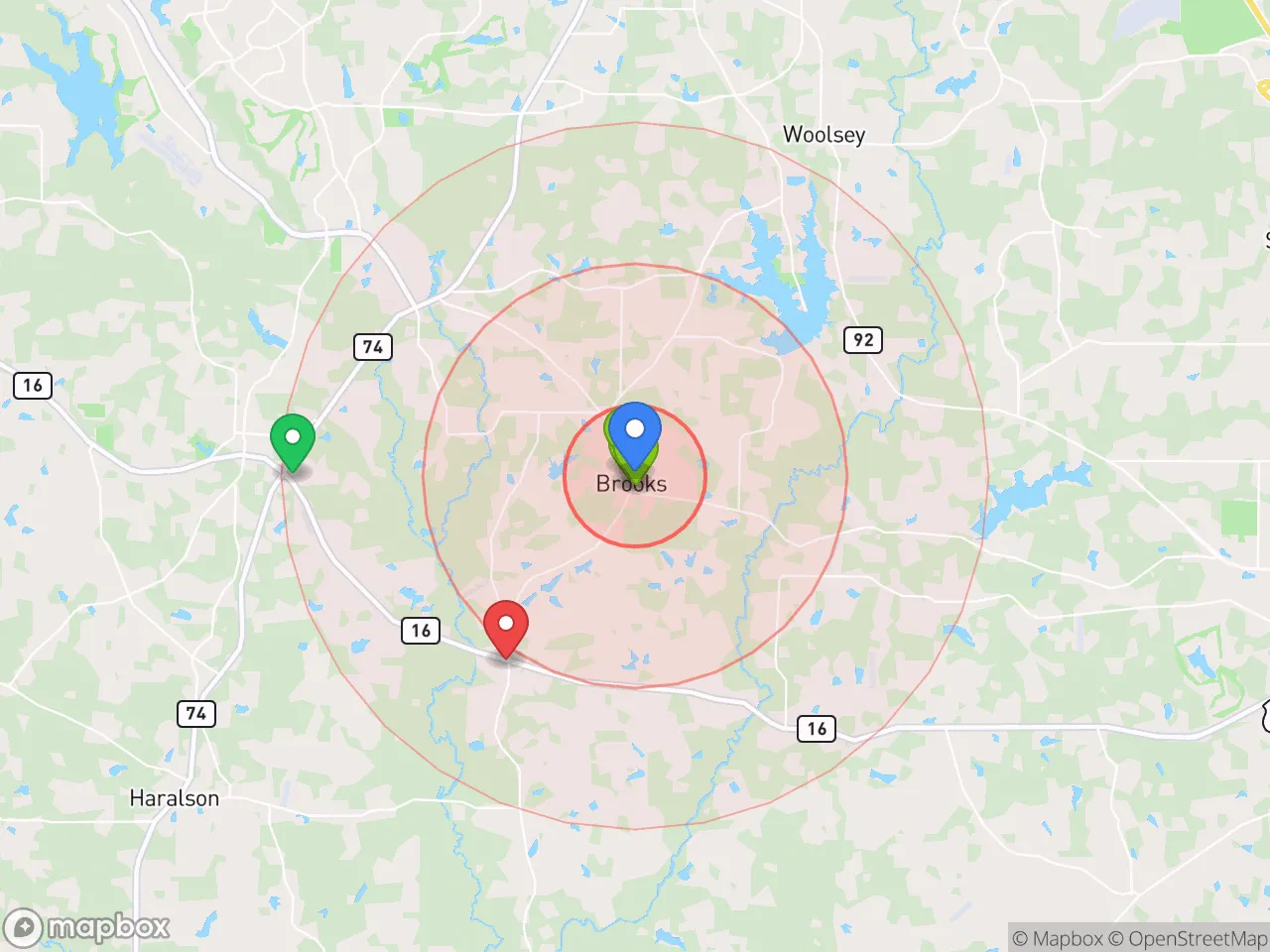
3 within 10 miles
Gas
18 within 10 miles
Hospital
4 within 20 miles
Airport
ATL — Hartsfield–Jackson Atlanta International
Post Office
USPS — Brooks, GA
Critical Amenities
Quality-of-Life Analysis
Brooks, Georgia, is an affluent exurban enclave in Fayette County where the cost of living index registers at 152 (52% above the U.S. average), reflecting a community of established professionals, executives, and families who prioritize space, low crime, and top-tier schools over urban proximity. With a median home value of $425,000 and median rent of $1,787, the area attracts residents who can afford a premium for a semi-rural lifestyle within commuting distance of Atlanta’s job centers. The population skews toward middle-aged homeowners and families with children, drawn by the combination of large lots, quiet roads, and the reputation of Fayette County’s public school system.
Cost of living, housing market, and affordability compared to nearby towns
Brooks sits at the high end of the affordability spectrum for exurban Atlanta, with a cost of living index that is roughly 20% higher than neighboring Griffin (index ~127) but 10–15% lower than Peachtree City (index ~170). The median home value of $425,000 buys significantly more land than in closer-in suburbs: a typical 3–4 bedroom home on 1–3 acres is common, whereas the same price in Peachtree City might yield a smaller lot in a planned community. Renters face a median of $1,787, which is about $200–$300 less per month than comparable rentals in Fayetteville but $400 more than in Griffin. Property taxes in Fayette County average roughly 1.1% of assessed value, slightly below the Georgia state median, which helps offset the high purchase prices. For buyers, the trade-off is clear: lower density and more land come at a premium over nearby exurbs like Hampton or Locust Grove, but Brooks remains more attainable than the most sought-after Fayette County addresses.
Amenities, schools, and what daily life is like for families
Daily life in Brooks revolves around the Fayette County School District, which consistently ranks among Georgia’s top 10% for test scores and graduation rates. Brooks Elementary and Whitewater Middle/High schools serve the area, with Whitewater High posting a 94% graduation rate and strong Advanced Placement participation. Amenities are sparse within the town itself—there is no downtown core or grocery store—so most errands require a 29-minute average commute to Fayetteville (10 miles north) or Griffin (12 miles east). Residents rely on the Brooks Community Park for baseball fields, a playground, and walking trails, while the larger Line Creek Nature Area offers hiking and fishing. For shopping and dining, the Fayette Pavilion in Fayetteville provides big-box retail and chain restaurants, and the Peachtree City PATH system of golf-cart paths is a 20-minute drive for recreational cyclists. The pace is distinctly rural: homes are set back from two-lane roads, neighbors know each other by name, and weekend activities often involve yard work, local church events, or trips to the Brooks Farmers Market (seasonal, Saturdays).
Brooks is best suited for families and remote workers who value quiet, space, and school quality over walkability and nightlife. The high cost of living filters for residents with household incomes well above the Fayette County median of $85,000, and the long commutes (often 45–60 minutes to downtown Atlanta) demand flexibility or hybrid work arrangements. Empty nesters downsizing from larger Atlanta homes also find appeal in the lower property taxes and slower pace. However, singles and young renters may feel isolated without nearby entertainment or public transit. For those who can afford the premium and prize a semi-rural setting with excellent schools, Brooks delivers a quality of life that few metro Atlanta exurbs can match.

Crime in Brooks, GA
Generally safer than 56% of comparable U.S. locations.
Violent CrimeViolent Crime Analysis
Property CrimeProperty Crime Analysis
Crime Analysis
Brooks, Georgia, a small town in Fayette County within the Atlanta metropolitan area, reports a violent crime rate of 262 incidents per 100,000 residents and a property crime rate of 1,236.6 per 100,000. These figures place Brooks above national averages for both categories, raising concerns for prospective residents. The town’s proximity to a large metro area with progressive prosecutorial policies—including district attorneys and judges who often prioritize rehabilitation over incarceration—may contribute to a higher risk environment, as lenient sentencing can leave repeat offenders on the street.
Crime in context
Brooks’ violent crime rate of 262 per 100,000 is roughly 75% higher than the national average of about 150 per 100,000, and significantly above the Georgia state average of approximately 200 per 100,000. Property crime in Brooks, at 1,236.6 per 100,000, also exceeds the national average of around 1,100 per 100,000 and the state average of roughly 1,000 per 100,000. These numbers reflect broader trends in the Atlanta metro area, where several counties have elected reform-minded prosecutors who have reduced incarceration for nonviolent offenses. While such policies aim to reduce prison populations, critics argue they embolden criminals and undermine public safety—a dynamic that directly affects small towns like Brooks, where law enforcement resources are limited.
What residents experience
For those living in Brooks, the elevated crime rates translate into tangible concerns. Residents report property crimes such as burglary and vehicle theft as the most common issues, often linked to transient offenders traveling from nearby larger cities. Violent incidents, though less frequent, include aggravated assault and robbery, with some cases involving repeat offenders released under progressive bail reforms. The town’s small size means that a single crime event can feel more impactful, and community watch programs are active but struggle against regional crime patterns. Many locals express frustration that the justice system’s focus on offender rehabilitation over victim restitution leaves them feeling unprotected.
Neighborhood-level crime data for Brooks is limited, but anecdotal evidence suggests that areas closer to the town’s commercial corridor and major roads (such as GA-85) experience higher property crime rates, while residential subdivisions on the outskirts see fewer incidents. As with many small towns near a liberal-leaning metro area, the overall safety picture depends heavily on the effectiveness of local policing and the willingness of county prosecutors to enforce tough sentences. Prospective residents should weigh these factors carefully and consider visiting the town at different times to gauge the atmosphere firsthand.
* Values derived from national, state, county, city and local statistics and may differ in a specific area. Last updated: 2026-10-14T23:27:47.000Z
Narrative content on this page is AI-generated and may contain mistakes. Verify any details that matter before acting on them.
ReloMaps may earn a commission from affiliate links at no extra cost to you.

