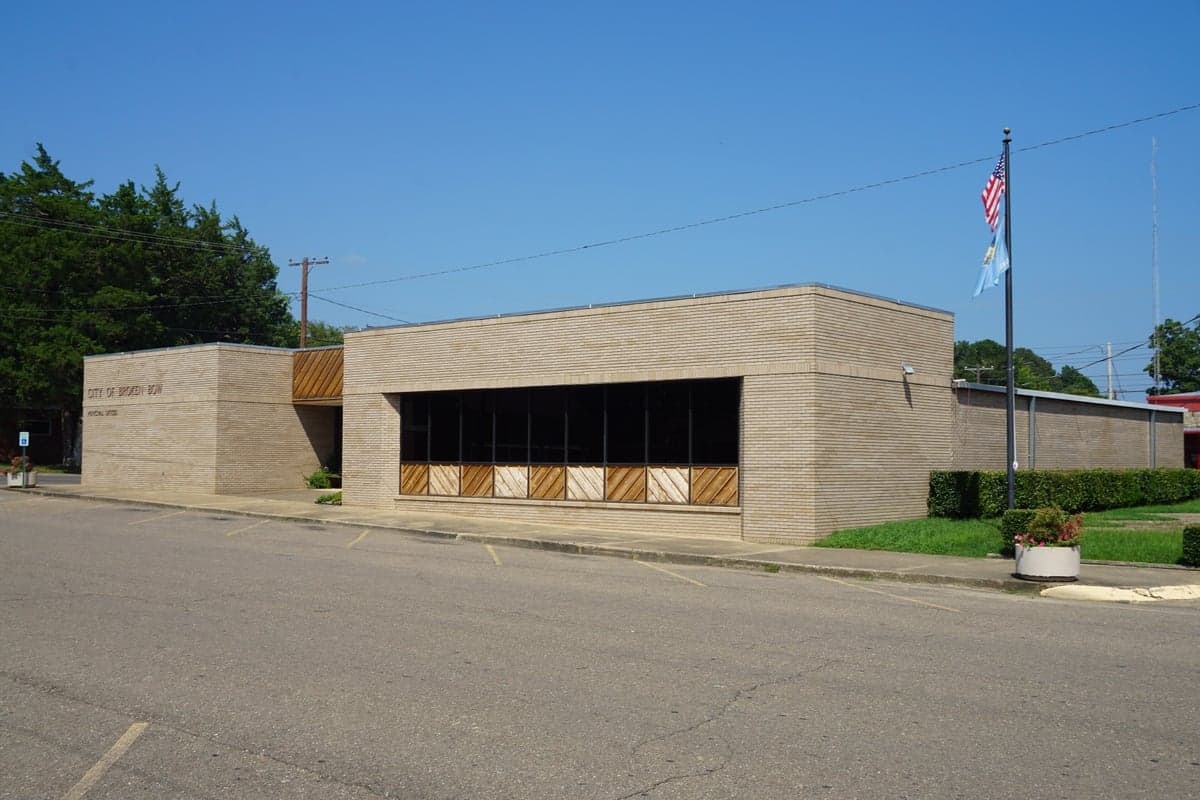
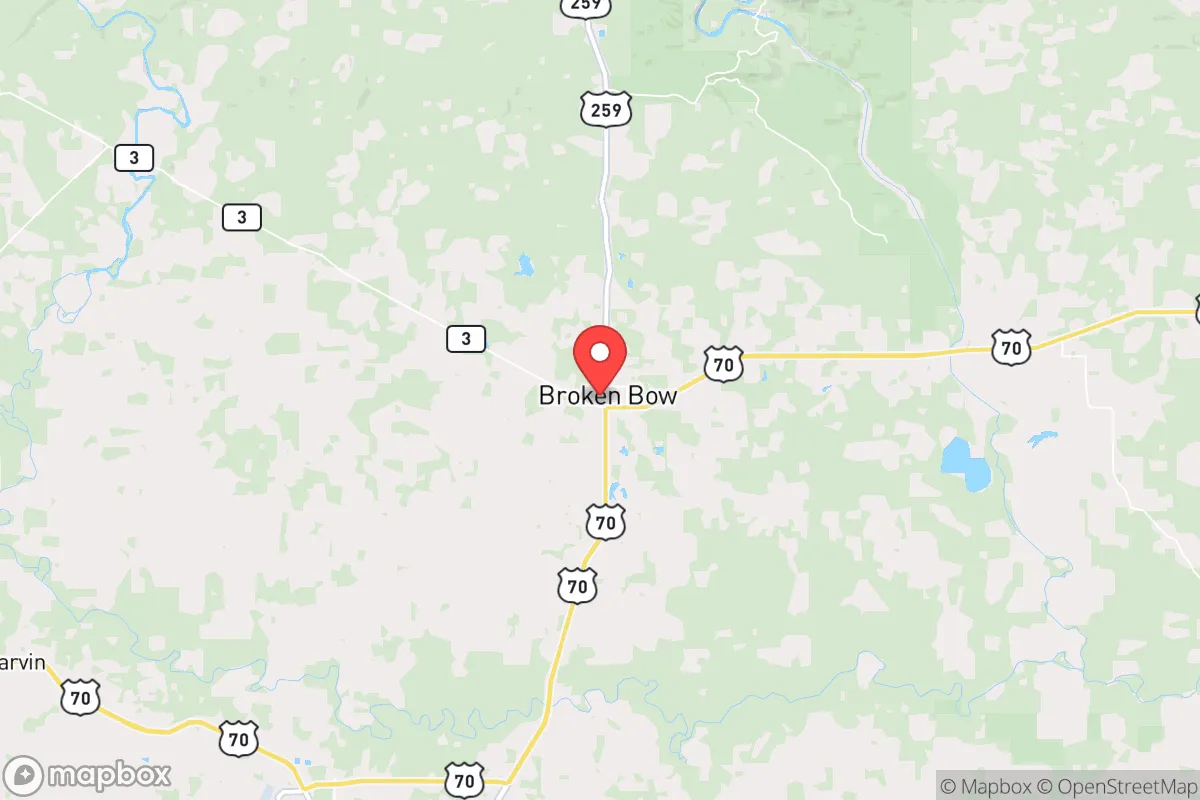
Photo: Wikipedia
Quality of Life in Broken Bow, OK
A high quality of life with strong walkability, manageable living costs, healthy neighborhood signals, and solid amenity access.
What does Quality of Life tell us?
Quality of Life blends cost of living, nearby amenities, socioeconomic signals, and neighborhood character. City-level scores represent the whole municipality; individual neighborhoods can differ.
What does this tell us?
Quality of Life blends cost of living, nearby amenities, socioeconomic signals, and neighborhood character. City-level scores represent the whole municipality; individual neighborhoods can differ.
Cost of Living
43% below national average
The Real Cost of Living in Broken Bow, OK for 2026
| Tier | Individual | Family (4) |
|---|---|---|
| Survival | $11k | $20k |
| Comfortable | $31k | $45k |
| Luxury | $75k+ | $116k+ |
| Elite (Top 5%) | $88k+ | $137k+ |
112%
The Area Signal
A metric tracking the socioeconomic signals of the area.
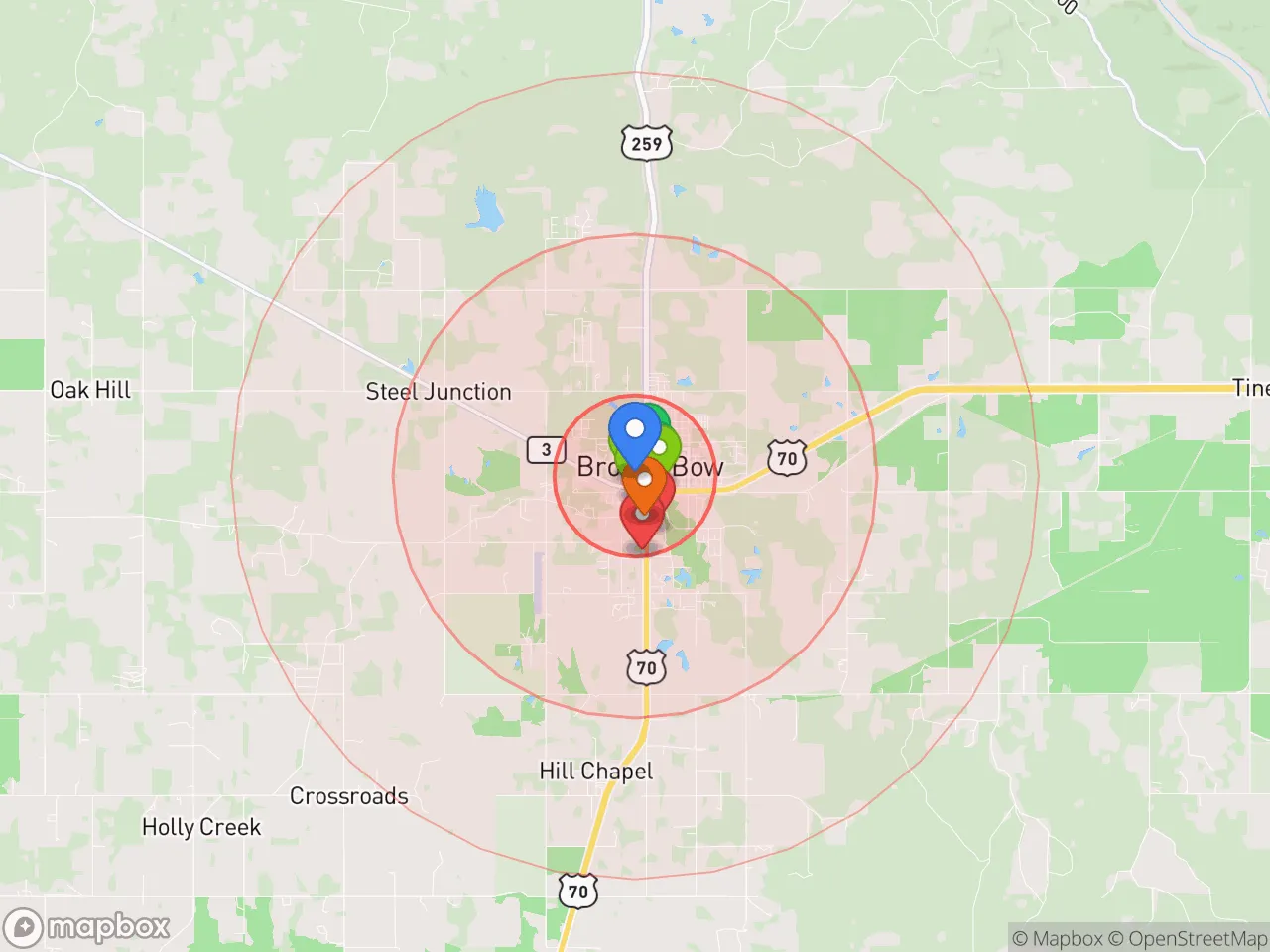
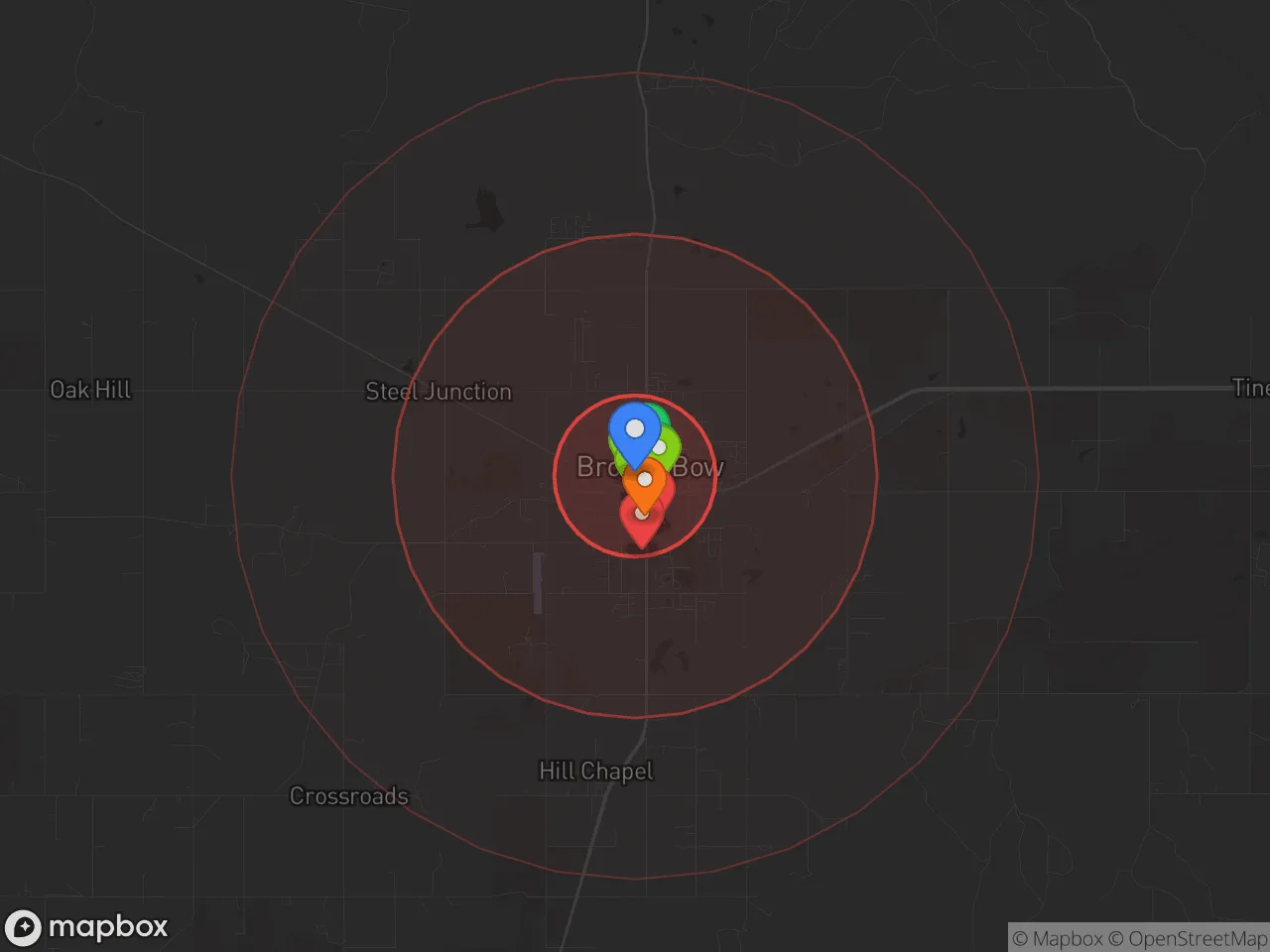
Hobbies
Explore the areaGroceries
0 within 10 miles
Gas
0 within 10 miles
Hospital
0 within 20 miles
Airport
DFW — Dallas/Fort Worth International
Post Office
Critical Amenities
Quality-of-Life Analysis
Broken Bow, Oklahoma, offers a distinctly affordable quality of life that attracts a mix of outdoor enthusiasts, remote workers, and families seeking a slower pace. With a cost of living index of 57 (43% below the U.S. average), the town provides significant financial breathing room compared to national norms, though its economy is increasingly shaped by tourism from the nearby Ouachita National Forest and Broken Bow Lake. The population skews slightly older and more family-oriented than the state average, with a growing number of newcomers drawn by the area’s natural beauty and low housing costs.
How affordable is Broken Bow compared to nearby towns?
Broken Bow’s housing market is a primary draw for relocation. The median home value sits at $159,000, roughly half the national median, while the median rent is just $667 per month—well below the Oklahoma state average of $850. This affordability extends to utilities and groceries, which also track below national averages. Compared to nearby Idabel (about 20 minutes south) or Hochatown (the tourist hub near the lake), Broken Bow offers more inventory and lower per-square-foot costs. The average commute of 22.4 minutes is manageable, though many residents drive farther for work in Idabel or even Texarkana (about 90 minutes east). Property taxes remain low, with McCurtain County levying roughly 0.8% of assessed value, keeping monthly carrying costs minimal for homeowners.
What daily life is like for families and remote workers
Daily life in Broken Bow centers on outdoor recreation and small-town convenience. The town has a Walmart Supercenter, a regional hospital (McCurtain Memorial Hospital), and a handful of locally owned restaurants and shops. Schools in the Broken Bow Public School district serve about 1,800 students, with an average student-teacher ratio of 16:1—slightly better than the state average. For remote workers, high-speed internet is available via cable and fiber providers like Pine Cellular and Vyve Broadband, though coverage can be spotty in more rural pockets outside town limits. The area lacks major cultural amenities like theaters or museums, but residents regularly drive to Idabel (home of the Museum of the Red River) or to Texarkana for shopping and entertainment. The rhythm of life is dictated by the seasons: summer brings heavy lake traffic and tourism, while fall and winter are quieter, with hunting and fishing as primary pastimes.
Broken Bow is best suited for those who prioritize affordability and access to nature over urban amenities. Families with young children benefit from low housing costs and decent schools, while retirees and remote workers can stretch their incomes further here than in most of the country. The town’s growing popularity as a vacation destination means seasonal crowds and a rising number of short-term rentals, which can strain infrastructure during peak months. For buyers seeking a low-cost home base with world-class fishing, hiking, and lake access within a 15-minute drive, Broken Bow delivers a rare combination of value and recreation that few other Oklahoma towns can match.

Crime in Broken Bow, OK
Higher crime rates than 67% of comparable U.S. locations.
Violent CrimeViolent Crime Analysis
Property CrimeProperty Crime Analysis
Crime Analysis
Broken Bow, Oklahoma, presents a mixed safety picture defined by a violent crime rate that sits near the national average but a property crime rate that is dramatically elevated, roughly double the U.S. figure. The most recent data places the city's violent crime rate at 449.1 incidents per 100,000 residents, while property crime reaches a concerning 4,112.5 per 100,000. These figures, drawn from FBI Uniform Crime Reporting estimates, indicate that while the risk of a violent encounter is not statistically out of line with the rest of the country, the likelihood of experiencing burglary, theft, or vehicle break-ins is significantly higher than in most American communities.
Crime in context
To understand Broken Bow's standing, it helps to compare these numbers against broader benchmarks. The national violent crime rate is approximately 380 per 100,000, meaning Broken Bow's 449.1 figure is about 18% above the U.S. average. However, the state of Oklahoma as a whole historically posts violent crime rates in the 450-500 range, placing Broken Bow roughly in line with the statewide norm. The property crime picture is starker: the national rate is roughly 1,950 per 100,000, while Oklahoma's state average is around 2,900. Broken Bow's 4,112.5 rate is therefore more than double the national average and roughly 40% above the already-high Oklahoma state average. This suggests property crime is the dominant public safety issue in the city, not violent offenses.
What residents experience
For residents, the practical impact of these statistics is a heightened need for property security. Vehicle break-ins, theft from porches, and burglaries of unoccupied homes are the most commonly reported incidents, according to local law enforcement reports and community forums. The city's role as a tourism gateway to Broken Bow Lake and Beavers Bend State Park introduces a transient population that can contribute to opportunistic crime, particularly during peak summer and holiday weekends. Violent crime, while present, tends to be concentrated in specific circumstances—often domestic disputes or incidents involving individuals who know one another—rather than random attacks on strangers. Residents generally report feeling safe during daylight hours in the downtown core and residential neighborhoods, but advise caution with unattended property, especially near lake access points and rental cabins.
Neighborhood-level variation is not extensively documented in public data, but anecdotal reports suggest that areas closer to the downtown commercial corridor and the Highway 259/70 junction see higher foot traffic and associated petty theft, while the quieter residential streets on the city's east side and newer developments near the lake report fewer incidents. As with many small cities, the most effective safety strategy involves basic precautions: locking vehicles, securing outbuildings, and maintaining good lighting. For those considering a move, Broken Bow offers a low cost of living and strong community ties, but the property crime rate is a legitimate factor to weigh when choosing a specific street or neighborhood.
* Values derived from national, state, county, city and local statistics and may differ in a specific area. Last updated: 2026-10-29T00:16:58.000Z
Narrative content on this page is AI-generated and may contain mistakes. Verify any details that matter before acting on them.
ReloMaps may earn a commission from affiliate links at no extra cost to you.

