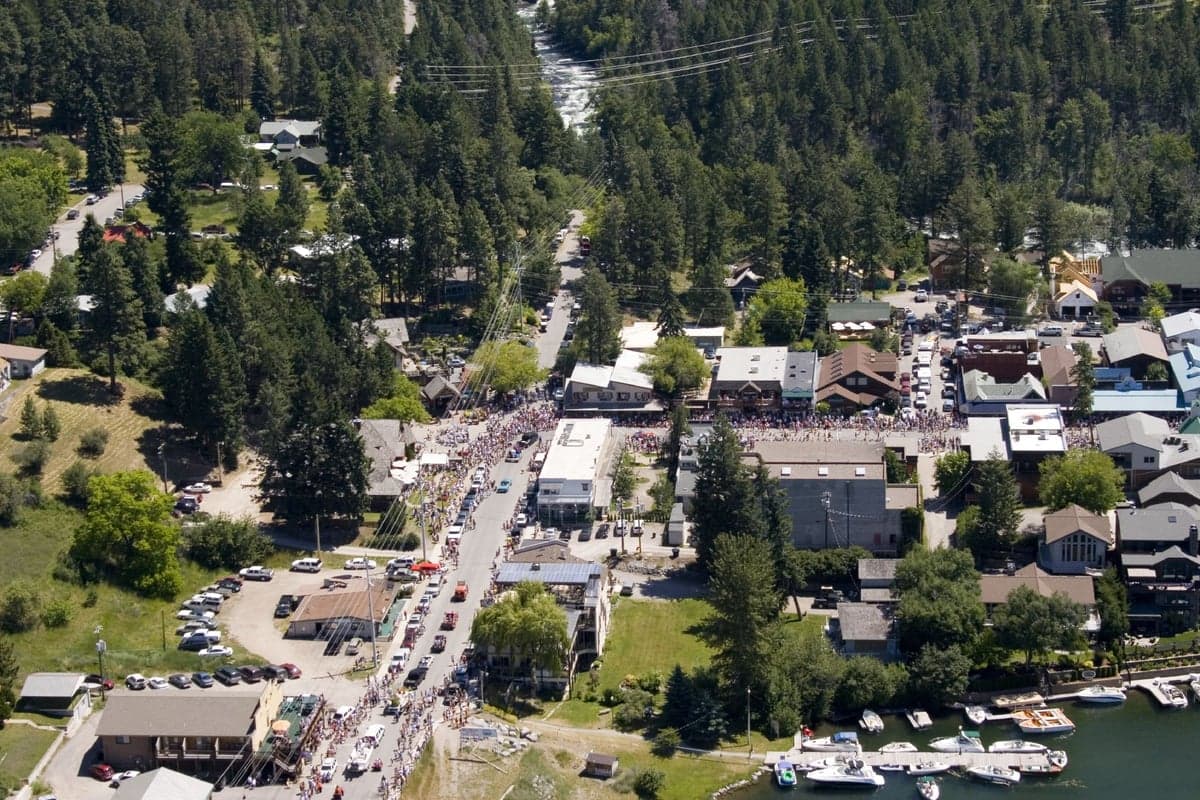
Photo: Wikipedia
Quality of Life in Bigfork, MT
A high quality of life with strong walkability, manageable living costs, healthy neighborhood signals, and solid amenity access.
What does Quality of Life tell us?
Quality of Life blends cost of living, nearby amenities, socioeconomic signals, and neighborhood character. City-level scores represent the whole municipality; individual neighborhoods can differ.
What does this tell us?
Quality of Life blends cost of living, nearby amenities, socioeconomic signals, and neighborhood character. City-level scores represent the whole municipality; individual neighborhoods can differ.
Cost of Living
44% above national average
The Real Cost of Living in Bigfork, MT for 2026
| Tier | Individual | Family (4) |
|---|---|---|
| Survival | $18k | $33k |
| Comfortable | $83k | $121k |
| Luxury | $121k+ | $188k+ |
| Elite (Top 5%) | $142k+ | $221k+ |
68%
The Area Signal
A metric tracking the socioeconomic signals of the area.
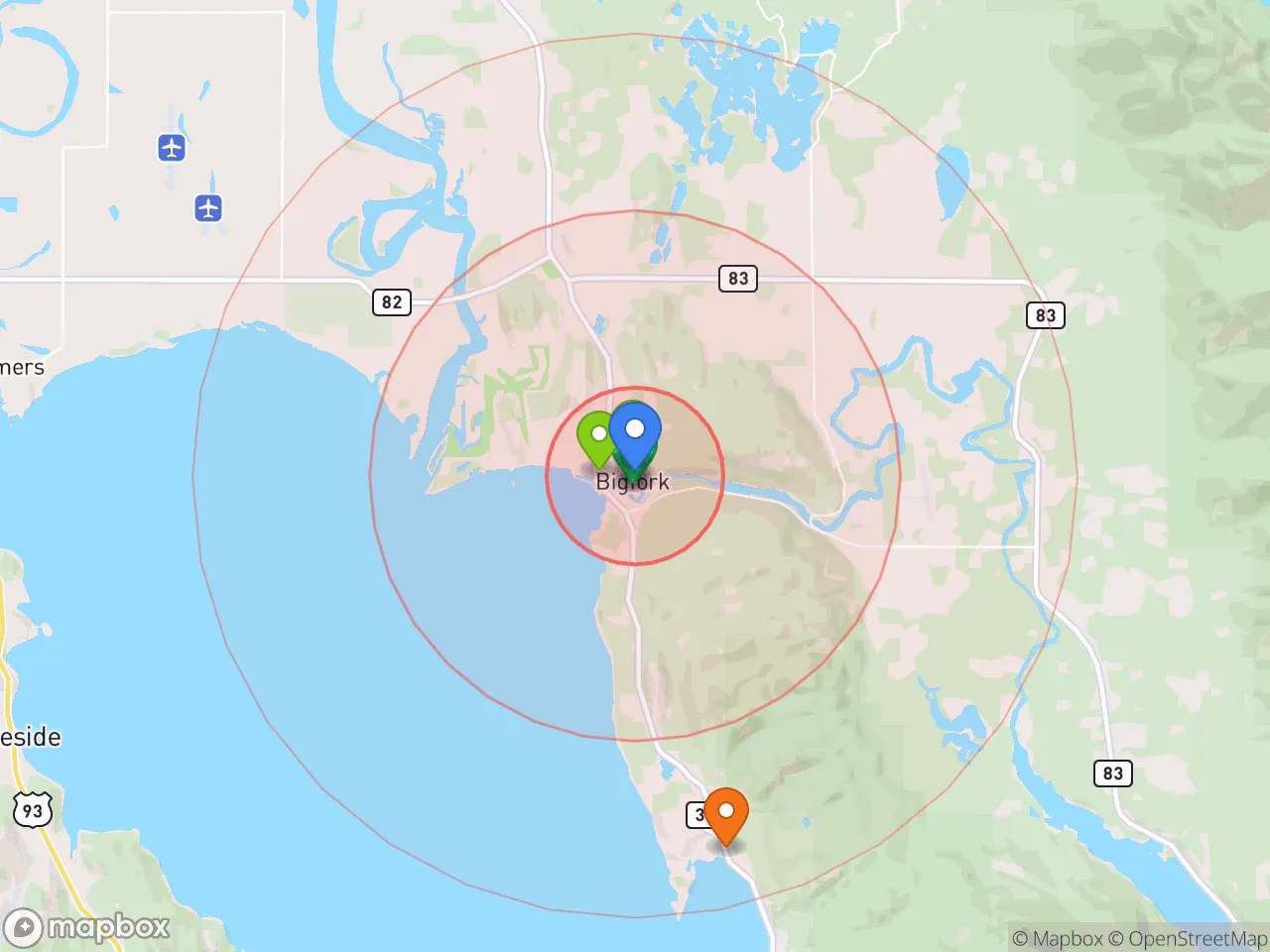
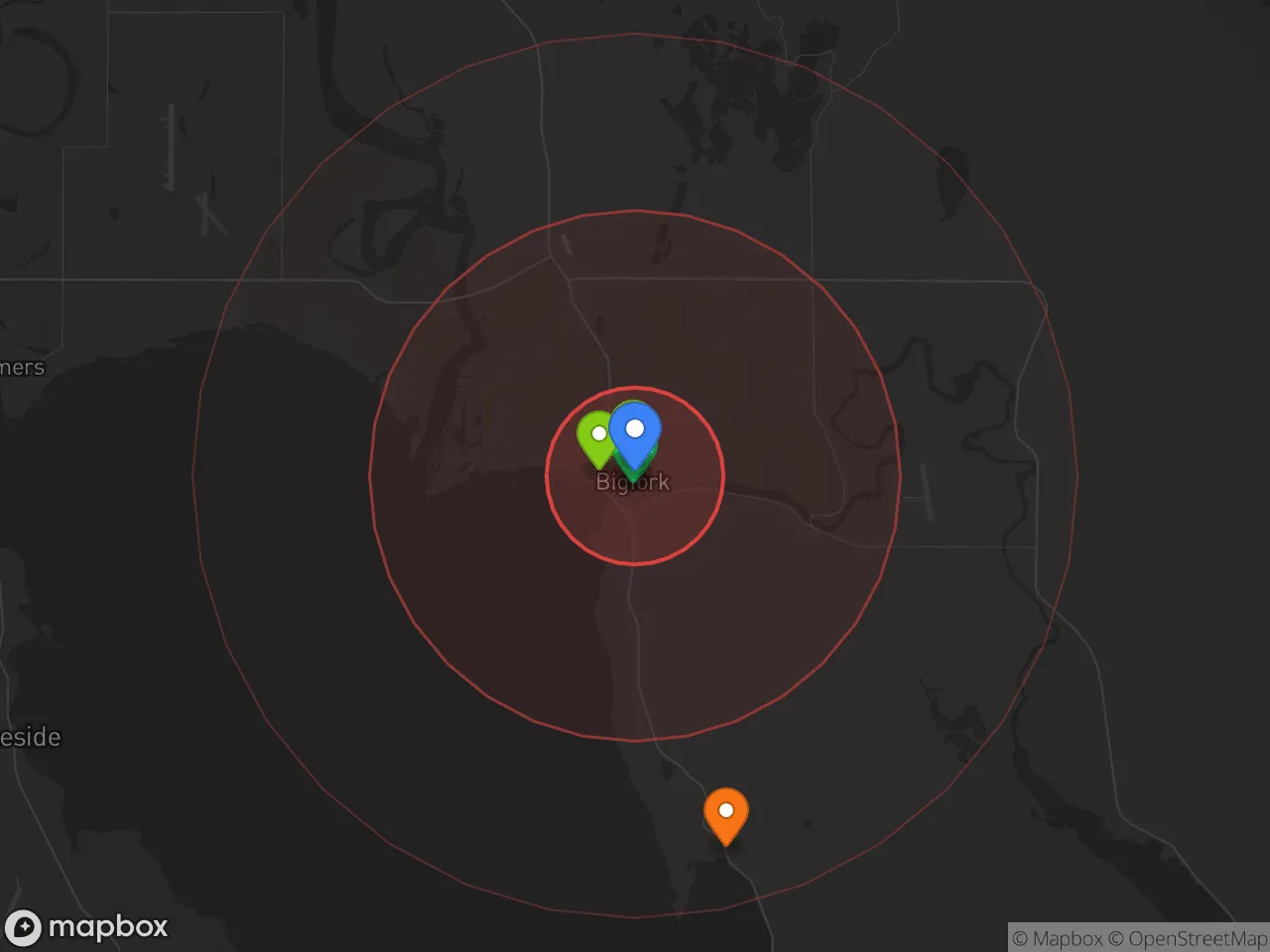
Hobbies
Explore the areaGroceries
0 within 10 miles
Gas
0 within 10 miles
Hospital
0 within 20 miles
Airport
SEA — Seattle–Tacoma International
Post Office
Critical Amenities
Quality-of-Life Analysis
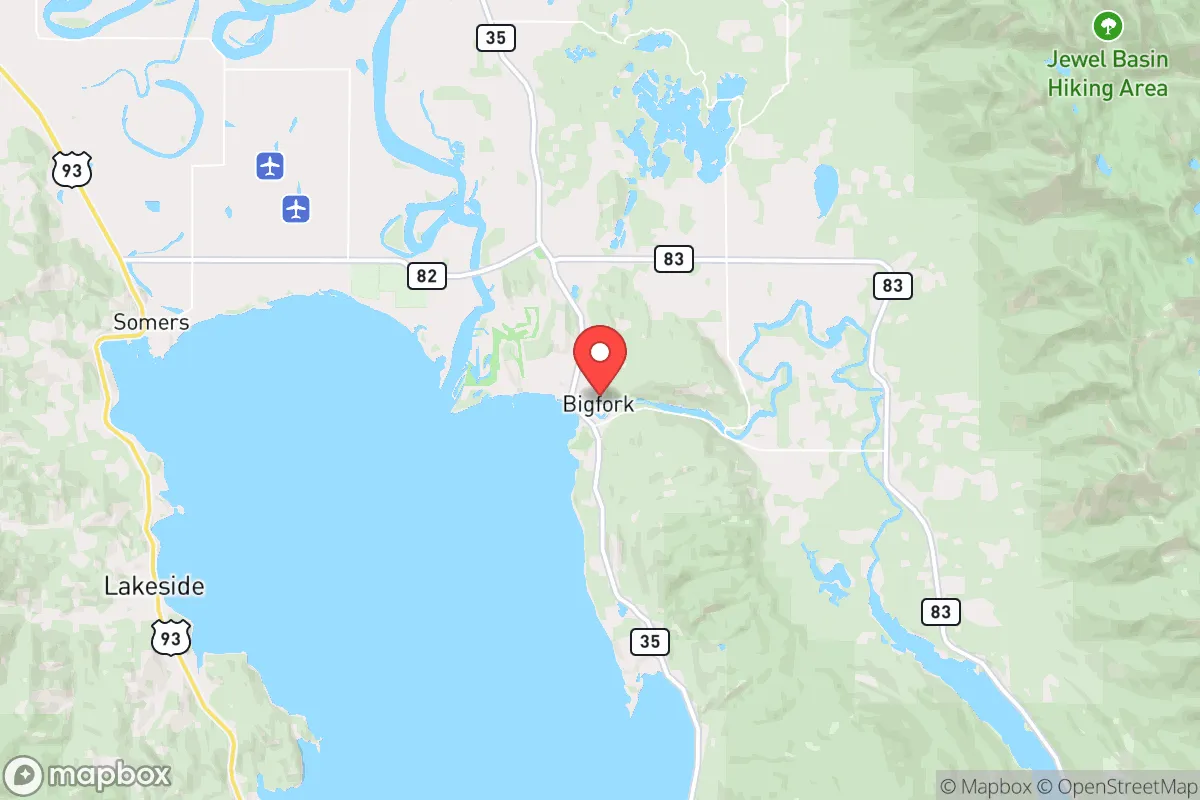
Bigfork, Montana, is an affluent lakeside community on the northeast shore of Flathead Lake, drawing a mix of second-home owners, remote professionals, and retirees who prioritize natural beauty over urban convenience. With a cost of living index of 144 (44% above the U.S. average), the area is notably more expensive than nearby Kalispell (index ~115) but less so than Whitefish (index ~160). The population skews older and wealthier than the Montana average, with a significant share of seasonal residents who inflate summer property values and local service demand.
Cost of living and housing affordability compared to Kalispell and Whitefish
Bigfork's median home value of $614,300 is roughly 30% higher than Kalispell's median (~$470,000) but about 15% lower than Whitefish's (~$720,000). Renters face a more favorable landscape: the median rent of $1,103 is well below the national median of $1,700, though rental inventory is extremely tight, with vacancy rates under 2% in peak season. The average commute of 21 minutes is shorter than the national average (26 minutes), reflecting the area's compact layout and limited employment base. However, wages lag behind housing costs: the median household income of roughly $68,000 covers only about 70% of the income needed to afford the median-priced home at current interest rates, forcing many workers to commute from cheaper areas like Columbia Falls or Evergreen. Property taxes in Flathead County average 0.73% of assessed value, lower than the national average of 1.07%, but rising home values have pushed annual tax bills up 15-20% since 2020.
What daily life is like for families and retirees in Bigfork
Daily life revolves around Flathead Lake and the Swan River. Bigfork's downtown—a walkable strip of galleries, boutiques, and the historic Bigfork Inn—serves as the social hub, but the town lacks a full-service grocery store (the nearest Safeway is 12 miles south in Polson). Schools are a draw: Bigfork High School consistently ranks in Montana's top 15% by test scores, with a student-teacher ratio of 14:1. The Bigfork School District (K-12) enrolls about 1,100 students, and the local library and community center host year-round programs. For families, summer brings swimming, boating, and the Bigfork Festival of the Arts; winter offers cross-country skiing at the nearby Glacier Nordic Center and downhill at Blacktail Mountain (25 minutes). Retirees value the slower pace and access to Kalispell Regional Medical Center (20 minutes), though specialist care often requires a 90-minute drive to Missoula. The area has no major chain retailers or movie theaters—residents rely on Kalispell for big-box shopping and entertainment.
Bigfork is best suited for affluent retirees, remote workers with high incomes, and families who can absorb the housing premium. Those seeking year-round employment in trades or service industries will likely find the cost-to-income ratio unsustainable and may prefer Kalispell or Evergreen. The trade-off is clear: Bigfork offers a postcard-perfect lake lifestyle with strong schools and low crime, but at a price that excludes most wage earners from homeownership.

Crime in Bigfork, MT
Generally safer than 57% of comparable U.S. locations.
Violent CrimeViolent Crime Analysis
Property CrimeProperty Crime Analysis
Crime Analysis
Bigfork, Montana, presents a mixed safety profile that requires careful consideration for potential residents. The town's violent crime rate of 422.6 incidents per 100,000 residents is notably higher than the national average, while its property crime rate of 1,468.1 per 100,000 sits slightly below the U.S. median. These figures place Bigfork in a middle ground—safer than many urban centers but not immune to the challenges facing growing rural communities in the Flathead Valley.
Crime in context
Bigfork's violent crime rate is roughly 20% higher than the national average of approximately 380 per 100,000, and significantly above Montana's statewide rate of about 480 per 100,000. The property crime rate, however, is about 15% lower than the national average of roughly 1,700 per 100,000. This pattern—elevated violence but below-average property crime—is unusual for a small town. For comparison, nearby Kalispell (population ~25,000) reports a violent crime rate near 500 per 100,000 and a property crime rate around 2,200 per 100,000, making Bigfork safer on the property front but comparable on violence. The data suggests that while theft and burglary are less common here than in many parts of the country, serious incidents like assault and robbery occur at a rate that warrants attention.
What residents experience
Daily life in Bigfork is generally quiet, but residents should remain aware of their surroundings. The elevated violent crime rate is driven primarily by aggravated assault, which accounts for the majority of violent incidents. Property crimes like vehicle theft and burglary are less frequent than in larger Montana towns, though they still occur, particularly during the summer tourist season when the population swells. The Flathead County Sheriff's Office provides primary law enforcement, with a response time that averages 10-15 minutes for emergency calls in the Bigfork area. Residents often cite the town's small size and tight-knit community as a safety asset, with neighbors watching out for one another and local businesses maintaining a visible presence.
Neighborhood-level variation is limited but notable. Areas closer to the Bigfork Village core and along the Swan River see lower crime rates, benefiting from higher foot traffic and lighting. Outlying subdivisions and rural roads, particularly those off Montana Highway 83, experience slightly higher rates of property crime, likely due to isolation and reduced patrol coverage. The Bigfork School District area and the neighborhoods around Flathead Lake are generally considered the safest, with few reported incidents. Prospective residents should prioritize properties with good visibility and consider joining local neighborhood watch programs, which are active in several subdivisions. Overall, Bigfork is not a high-crime area by national standards, but the violent crime rate is a meaningful factor to weigh against the town's many lifestyle advantages.
* Values derived from national, state, county, city and local statistics and may differ in a specific area. Last updated: 2026-11-14T13:40:14.000Z
Narrative content on this page is AI-generated and may contain mistakes. Verify any details that matter before acting on them.
ReloMaps may earn a commission from affiliate links at no extra cost to you.

