Photo: Wikipedia
Find The Best Places To Live
in Bigfork
PRO TIP! You can paste a Zillow or Redfin link to get info on that property.
Compare Bigfork with another place
What It's Like Living in Bigfork, MT
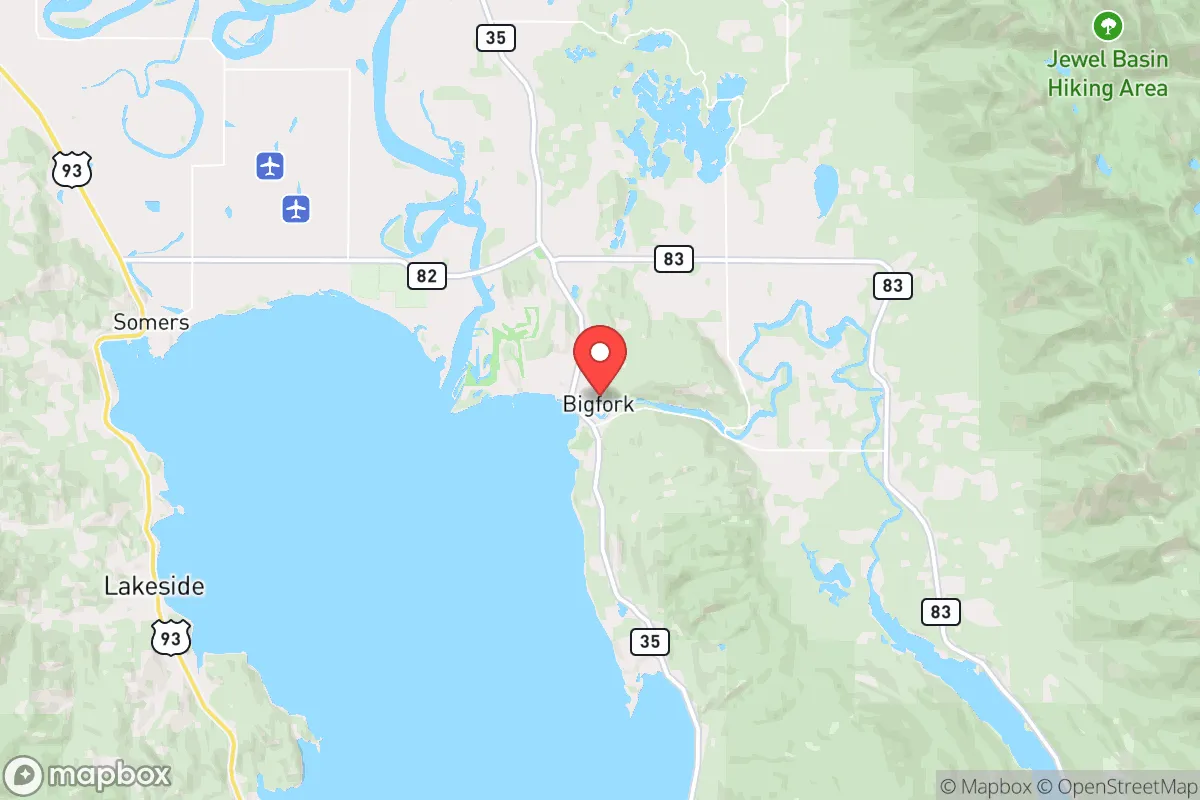
Bigfork, Montana, sits at the north end of Flathead Lake, and it feels less like a resort town and more like a small, serious community that happens to have an extraordinary setting. With a year-round population just over 5,200, the place has a distinct rhythm—busy with tourists in summer, quiet and introspective in winter—and the people who live here tend to be either retired professionals, remote workers, or families who value privacy and outdoor access over nightlife. It’s not a place you stumble into; it’s a place you choose, often after years of visiting.
Daily Rhythm and the Kind of Person Who Fits In
Life in Bigfork moves at a pace dictated by the lake and the mountains. A typical weekday involves a short commute—the average is just over 21 minutes—often along Highway 35 or winding county roads. Many residents work in Kalispell (about 20 minutes south) or run small businesses in the village. The median age here is 53.7, which tells you something: this is not a town of young renters. It’s a place for people who have already established careers or who can work remotely, and the median household income of $82,648 supports a comfortable, if not lavish, lifestyle. The kind of person who fits in is someone who doesn’t need a mall or a movie theater—someone who considers a Saturday spent on the Swan River or hiking the Jewel Basin a perfect weekend. You’ll see a lot of Subarus and pickups, a lot of Patagonia vests, and a lot of people who know each other by first name.
Grocery shopping means the Bigfork IGA or the Kalispell Costco run. For a night out, locals head to the Showthyme for live music or the Bigfork Inn for a quieter dinner. The Flathead Lake Brewing Company is a reliable hangout, especially in summer when the patio is open. There’s no Starbucks in town—the local coffee shop is Echo Lake Cafe, where the breakfast crowd is a mix of retirees, contractors, and families with young kids.
Sports, Festivals, and What People Actually Do
High school sports are a genuine community anchor. Bigfork High School fields competitive teams in football, basketball, and volleyball, and Friday night games in the fall draw a crowd that includes everyone from grandparents to young couples without kids. There’s no pro sports team within two hours, so the Vikings are the closest thing to a local franchise. The Bigfork Summer Playhouse is a different kind of institution—a professional theater that runs musicals and plays from June through August, drawing both tourists and locals who treat it as a summer tradition.
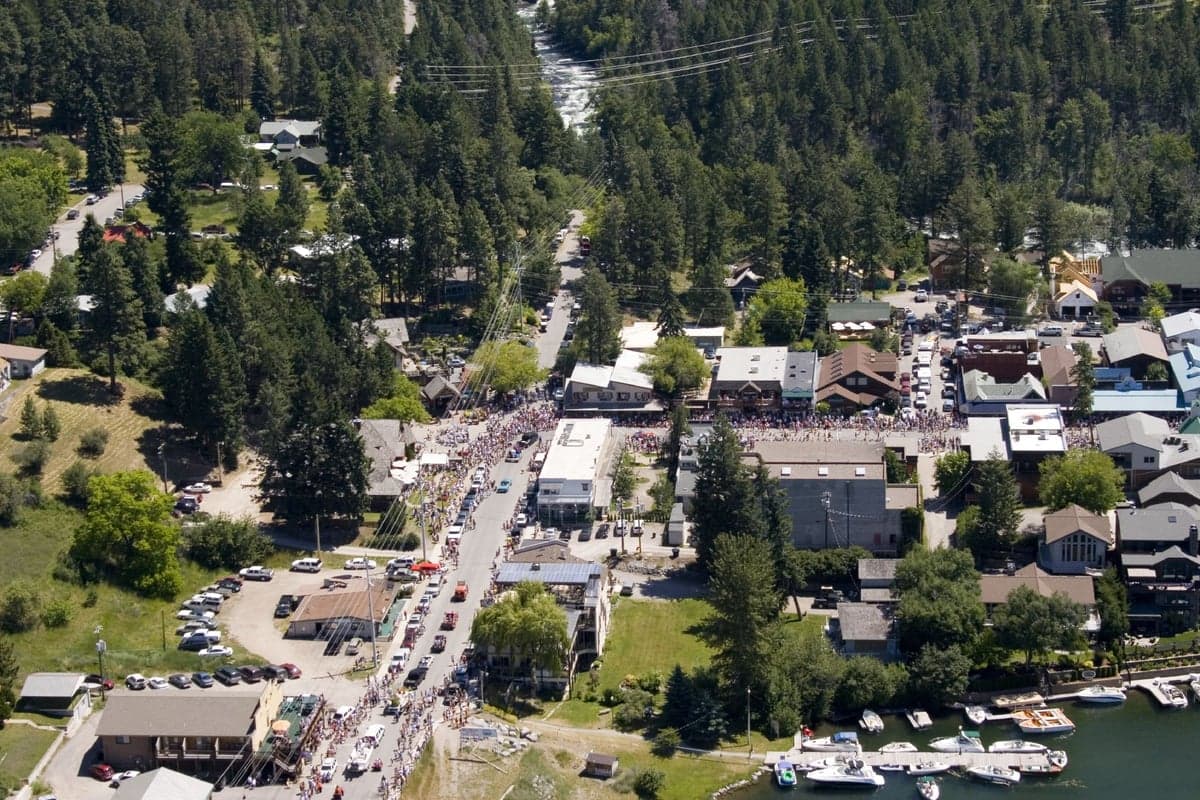
The biggest annual event is the Bigfork Festival of the Arts, held the first weekend of August, which shuts down Electric Avenue and fills the village with artists, food vendors, and live music. In winter, the community rallies around the Bigfork Winter Festival and the Polar Plunge into Flathead Lake—an event that’s more about camaraderie than comfort. Outdoor life is the main entertainment: boating and fishing on the lake, skiing at Blacktail Mountain (20 minutes away) or Whitefish Mountain Resort (45 minutes), and hiking in the Jewel Basin Hiking Area, which offers some of the best day hikes in the state without the Glacier National Park crowds.
Pros and Cons of Living in Bigfork
Let’s be honest about the trade-offs. The pros are substantial: extraordinary natural beauty that changes with every season, a low-crime feel in most neighborhoods despite a reported violent crime rate of 422.6 per 100,000 (which is higher than the national average but concentrated in specific areas, not the village core), and a genuine sense of community where neighbors help each other. The schools—Bigfork Elementary and Bigfork High—are well-regarded and serve as community hubs. The cost of living index of 144 (well above the US average) is the biggest con: median home values sit at $614,300, and that buys you a modest three-bedroom house, not a lakefront estate. Rentals are scarce and expensive. Winters are long and dark—snow can linger from November through April—and the tourist season from June to September brings traffic and crowded restaurants. Locals learn to plan their errands for early mornings or late evenings in July and August.
Another frustration is the limited job market. If you don’t work remotely, in healthcare, in construction, or in tourism, options are thin. The nearest hospital is in Kalispell, and specialized shopping means a 45-minute drive. But for the people who stay, these aren’t dealbreakers—they’re the price of living in a place that still feels like a small town, where you can be on the water in ten minutes and in the backcountry in thirty.
Cultural Quirks and Local Identity
Bigfork has a quiet, unpretentious identity. There’s no “keep out” attitude, but there’s also no eagerness to become the next Bozeman. Locals are protective of the Swan River access points and the quiet coves on the lake. The village itself—a compact cluster of galleries, boutiques, and restaurants along Electric Avenue—has a curated feel, but the people behind the counters are often the same ones you’ll see at the post office or the hardware store. The Bigfork Art & Cultural Center anchors a small but serious arts scene, and the Bigfork Farmers Market (summer Saturdays) is less about Instagram backdrops and more about buying produce from the person who grew it. If you’re looking for a place where you can know your neighbors, spend weekends outside, and accept that winter is a season to be lived through rather than escaped, Bigfork makes a lot of sense. If you need urban amenities, a diverse restaurant scene, or a fast-paced social life, it will feel confining. For the right person, it feels like home.

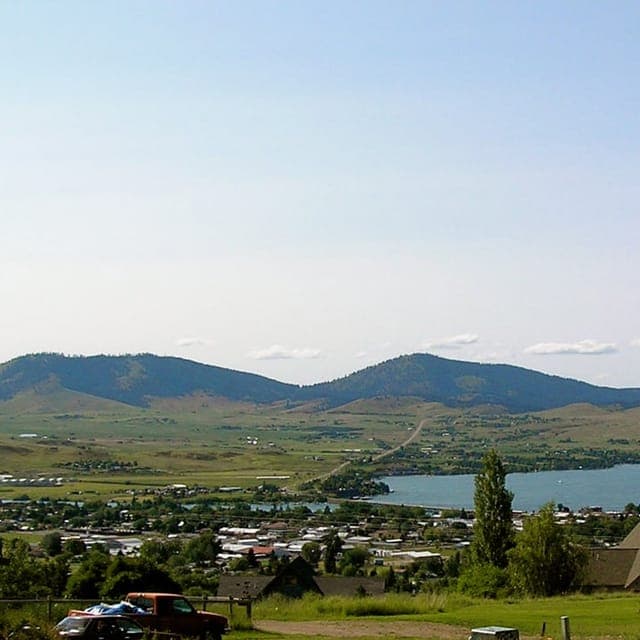
Similar small towns to Bigfork
* Values derived from national, state, county, city and local statistics and may differ in a specific area. Last updated: 2026-11-14T13:40:14.000Z
Narrative content on this page is AI-generated and may contain mistakes. Verify any details that matter before acting on them.
ReloMaps may earn a commission from affiliate links at no extra cost to you.

