 Popular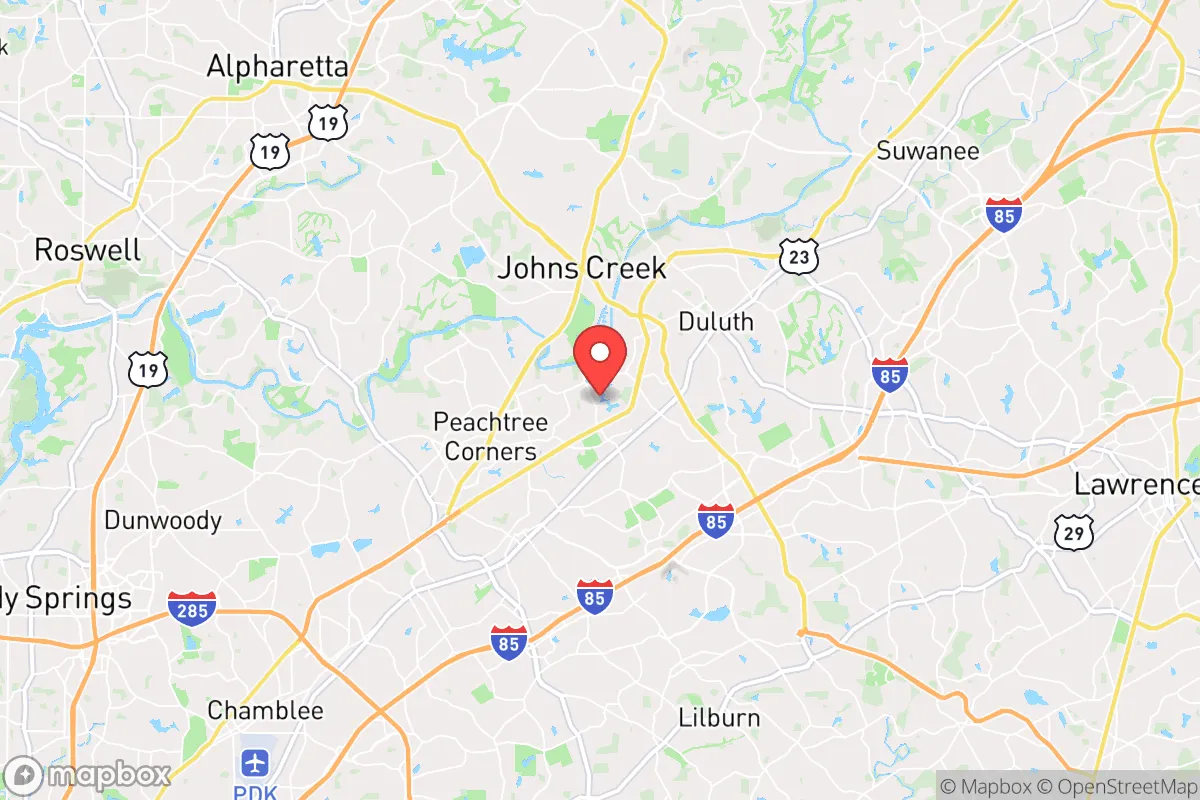
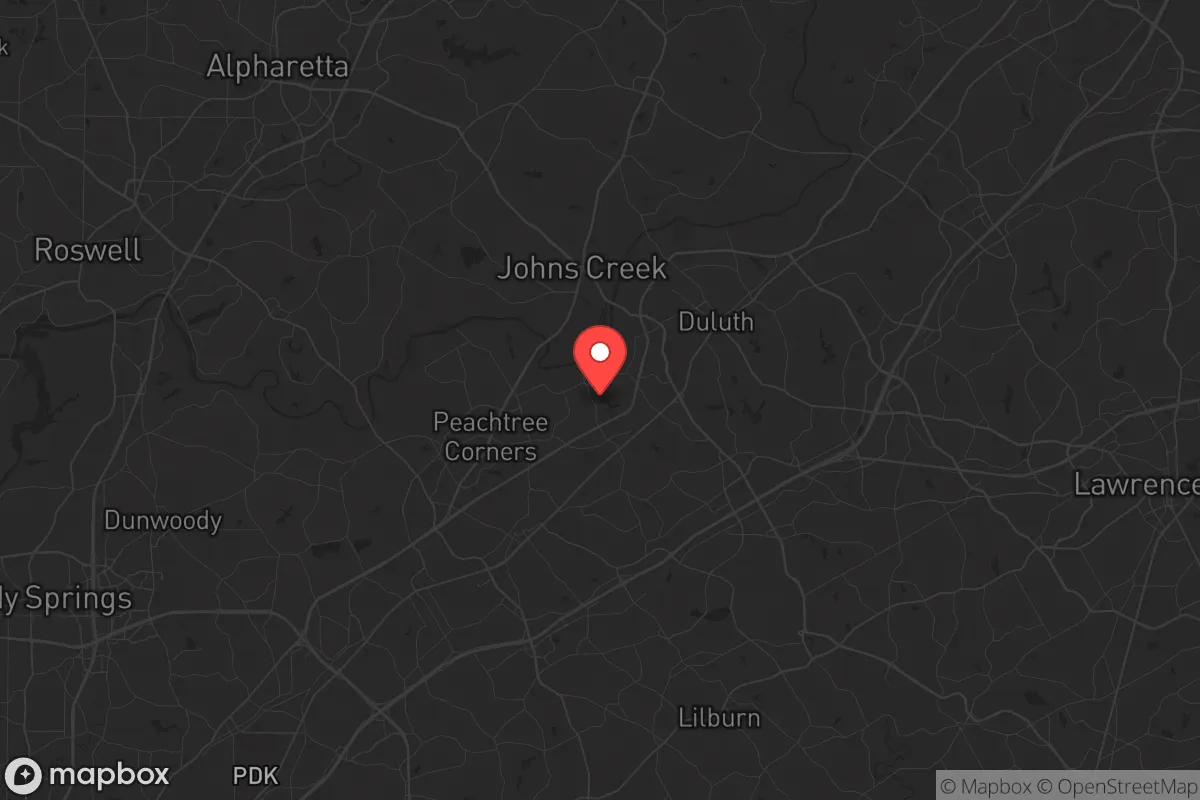
Photo: Wikipedia
Political ClimatePolitical Climate in Berkeley Lake, GA
District shown is the primary district for this city’s centroid. Cities may span multiple districts.
Local Political AnalysisPolitical Analysis of Berkeley Lake, GA
Berkeley Lake, Georgia, leans heavily to the left, with a Cook PVI of D+27, making it one of the most progressive pockets in the otherwise more balanced Gwinnett County. This wasn't always the case—twenty years ago, this was a quiet, mostly conservative lakeside community where folks kept to themselves and the biggest political debate was about the HOA's fishing rules. Today, the political trajectory is unmistakably blue, driven by an influx of new residents from more urban areas and a local government that increasingly mirrors the policy priorities of Atlanta's core, rather than the traditional values that once defined this part of the state.
How it compares
If you drive just ten minutes south to Peachtree Corners or east to Duluth, you'll find a more politically mixed environment—those areas still have a strong conservative undercurrent, with plenty of "Don't Tread on Me" flags flying alongside the occasional Harris-Walz sign. Berkeley Lake, by contrast, feels like a small island of progressive consensus. The city council and planning board have shown a willingness to embrace zoning changes and density increases that many long-time residents see as government overreach into property rights. Compare that to nearby Sugar Hill or Buford, where local officials are far more skeptical of state-mandated housing quotas and "complete streets" initiatives that prioritize bike lanes over car traffic. The contrast is stark: Berkeley Lake's leadership seems eager to adopt the latest progressive planning fads, while its neighbors still believe the best government is the one that stays out of your garage and your backyard.
What this means for residents
For those who value personal freedoms and limited government, the shift in Berkeley Lake is concerning. The city has quietly increased its regulatory footprint—stricter tree ordinances, more oversight on home renovations, and a growing appetite for "community benefit" requirements on new developments. What used to be a simple permit process now involves multiple public hearings and design review boards that can dictate everything from your mailbox style to the color of your front door. Property taxes have crept up faster than inflation, and there's talk of a new stormwater utility fee that would essentially tax rainwater. These aren't catastrophic changes on their own, but they represent a pattern: more rules, more fees, and less autonomy for the individual homeowner. If you're the type who believes your home is your castle, you'll want to keep a close eye on the next city council election.
Culturally, Berkeley Lake has also become a place where certain viewpoints are increasingly unwelcome in public discourse. The city's official social media channels and community events now lean heavily into progressive messaging—think "Pride Month" proclamations and climate action pledges that feel more performative than practical. The annual LakeFest, once a simple family barbecue with a fishing contest, now includes vendor booths for local activist groups. It's not that the community has become hostile, but there's a palpable sense that if you don't share the prevailing political orthodoxy, you're better off keeping your opinions to yourself. For a town that used to pride itself on neighborly independence, that's a real loss. If the trend continues, Berkeley Lake risks becoming just another suburb that traded its character for conformity to the latest political fashion.

State Political ClimatePolitical Climate in Georgia
State Political AnalysisPolitical Environment in the State
Georgia has shifted from a reliably conservative stronghold to a genuine battleground state over the past two decades, with its partisan lean tightening from a solid +8-point Republican margin in 2004 to a razor-thin +0.2-point Democratic victory in 2020. The state’s political landscape is now defined by a rapidly growing, diversifying Atlanta metro area pulling left, while the rest of the state—particularly the rural south and exurban north—remains deeply conservative. For a conservative considering relocation, Georgia still offers a low-tax, business-friendly environment, but the trajectory is concerning, with Democratic gains driven by in-migration and suburban shifts that have already flipped once-reliable counties like Cobb and Gwinnett.
Urban vs. rural divide
The political map of Georgia is a tale of two Georgias. Metro Atlanta, home to roughly 60% of the state’s population, is the engine of Democratic growth. The core counties—Fulton (Atlanta), DeKalb, Clayton—are deep blue, delivering margins of 70-85% for Democrats. But the real story is the suburbs: Cobb County, which voted Republican by 13 points in 2012, flipped to Biden by 14 points in 2020. Gwinnett County, once a conservative bastion, went from +10 R in 2012 to +18 D in 2020. These shifts are driven by an influx of out-of-state professionals, many from blue states, and a diversifying population. Meanwhile, rural and exurban Georgia remains solidly red. Counties like Murray, Gilmer, and Pickens in the north Georgia mountains routinely vote 75-80% Republican. The “Black Belt” counties in the southwest—like Randolph and Terrell—are heavily Democratic but shrinking in population. The result is a state where the political center of gravity is slowly, inexorably moving toward Atlanta, making statewide races increasingly competitive.
Policy environment
Georgia’s policy environment is a mixed bag for conservatives. On the positive side, the state has a flat income tax rate of 5.49% (down from 6% in 2022), no estate tax, and a relatively low property tax burden. The regulatory climate is business-friendly, with right-to-work laws and a tort reform system that caps noneconomic damages in medical malpractice cases. Education policy has been a battleground: Governor Brian Kemp signed the Georgia Promise Scholarship Act in 2024, creating a $6,500 education savings account for students in low-performing schools—a win for school choice. However, the state’s healthcare landscape is concerning. Georgia did not expand Medicaid under the Affordable Care Act, but Kemp’s “Pathways to Coverage” waiver program, which requires work requirements, has enrolled only about 4,000 people—a fraction of the uninsured. Election laws have been a flashpoint: the Election Integrity Act of 2021 (SB 202) added voter ID requirements for absentee ballots, limited drop boxes, and restricted third-party ballot collection. While conservatives see this as necessary security, it has been heavily criticized by progressives and led to corporate backlash. On the whole, Georgia’s policy environment is still center-right, but the trend is toward moderation, not further conservatism.
Trajectory & freedom
Georgia’s trajectory on personal freedom is a mixed picture. On the positive side, the state has strong gun rights: it is a permitless carry state (HB 218, 2022), and there is no state-level red flag law. Property rights are generally respected, with no statewide rent control and relatively low eminent domain usage. Parental rights were bolstered by the Parents’ Bill of Rights (SB 377, 2022), which requires schools to notify parents of any medical or mental health services provided to their children. However, there are concerning trends. The state’s medical autonomy was tested during COVID: Kemp initially resisted lockdowns but later issued a statewide emergency order that many conservatives felt was overreach. More recently, the Georgia Hate Crimes Law (HB 426, 2020) expanded sentencing enhancements for bias-motivated crimes, which some critics argue could chill speech. The biggest freedom concern is the erosion of local control: the state has preempted local gun laws and mask mandates, but it has also allowed Atlanta to impose its own progressive policies, like a $15 minimum wage for city contractors. The net effect is that Georgia is still freer than most blue states, but the margin is shrinking as Atlanta’s influence grows.
Civil unrest & political movements
Georgia has seen significant political activism on both sides. The 2020 election cycle was a flashpoint, with widespread allegations of irregularities in Fulton County, leading to a controversial hand recount and ongoing distrust among conservatives. The “Stop the Steal” movement had a strong presence in Georgia, with rallies at the state capitol and a high-profile lawsuit from the Trump campaign. On the left, the Stacey Abrams-led Fair Fight organization has been highly effective at voter registration and turnout, particularly in minority communities. Immigration politics are tense: Georgia has a strict E-Verify law (HB 87, 2011) and no sanctuary cities, but Atlanta’s “Welcoming City” policy limits cooperation with ICE. There have been protests over the Atlanta Public Safety Training Center (“Cop City”), which turned violent in 2023 with arson and clashes between activists and police. Election integrity remains a live issue: the State Election Board, now controlled by conservative appointees, has pushed for stricter ballot verification rules, drawing legal challenges. A new resident would notice the political polarization in everyday life—yard signs, bumper stickers, and heated local news coverage—but the state is not in a state of constant unrest.
Projection
Over the next 5-10 years, Georgia is likely to become more competitive, with a real chance of becoming a lean-Democratic state by 2032. The key driver is demographic change: metro Atlanta is growing by about 100,000 people per year, many from blue states like California and New York. The Hispanic and Asian populations are growing rapidly, and these groups are trending Democratic nationally. Meanwhile, rural Georgia continues to lose population. The 2024 election will be a critical test: if Trump wins Georgia again, it will show that the Republican coalition can still hold. But if Democrats win again, the trend will be clear. For conservatives, the best-case scenario is that Georgia becomes a perennial swing state, like Ohio in the 2000s. The worst-case is that it becomes a blue state, like Virginia after 2008. The state’s policy environment will likely moderate further: expect more pressure to expand Medicaid, raise the minimum wage, and adopt environmental regulations. The Georgia GOP is aware of this and has been pushing cultural issues—like banning transgender athletes from girls’ sports (HB 1084, 2022) and restricting abortion to six weeks (HB 481, 2019)—to energize the base. But these moves may not be enough to stem the demographic tide.
For a conservative moving to Georgia, the bottom line is this: you are moving to a state that is still center-right on policy but is trending left demographically. If you settle in exurban counties like Forsyth, Cherokee, or Hall, you will find a conservative community that feels like the Georgia of 20 years ago. If you move to Cobb or Gwinnett, you will be in a purple area that is rapidly turning blue. The state’s low taxes and business climate are real advantages, but the political environment is becoming more contested every cycle. Keep an eye on the 2024 and 2026 elections—they will tell you whether Georgia is still a place where conservative values can thrive, or whether it is following the path of other Sun Belt states into the Democratic column.
* Values derived from national, state, county, city and local statistics and may differ in a specific area. Last updated: 2026-04-23T05:08:37.000Z
Narrative content on this page is AI-generated and may contain mistakes. Verify any details that matter before acting on them.
ReloMaps may earn a commission from affiliate links at no extra cost to you.

