Photo: Wikipedia
Strategic Assessment of Bedford, PA
Meaningful friction. Expect exposure to either population pressure, blast zones, or natural disaster risk. Consider buying a retreat property.
What does the Strategic Assessment tell us?
Our Strategic Assessment grades tactical survivability of an area. Major population centers, military targets, fallout zones, natural disasters, and border exposure all drive risk — lower exposure means a more defensible position in a crisis.
This is heavily inspired by Joel Skousen's Strategic Relocation book. Highly recommended you checkout the book ($)What does this tell us?
Our Strategic Assessment grades tactical survivability of an area. Major population centers, military targets, fallout zones, natural disasters, and border exposure all drive risk — lower exposure means a more defensible position in a crisis.
This is heavily inspired by Joel Skousen's Strategic Relocation book. Highly recommended you checkout the book ($)Strategic Pillars
Key Distances
Regional Safe Places
Below is our recommended "safe zones" in Pennsylvania and the surrounding area based on our strategic heuristics. For most people, it's unrealistic to live in a “safe zone” full-time due to work, family or other personal reasons. They tend to be more rural. However, many of these areas are perfect for second homes and retreat properties that double as a vacation home or even a short-term rental.
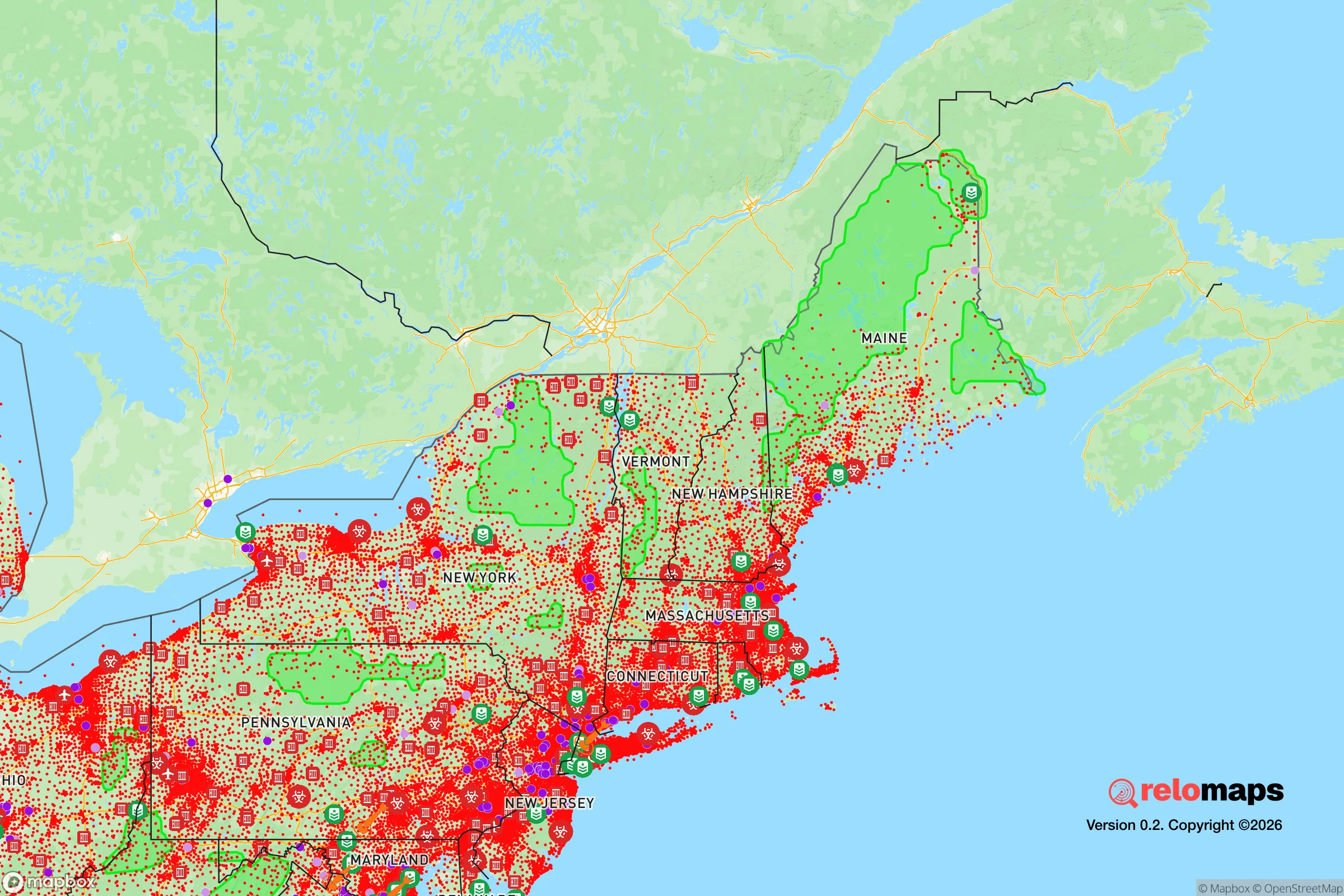
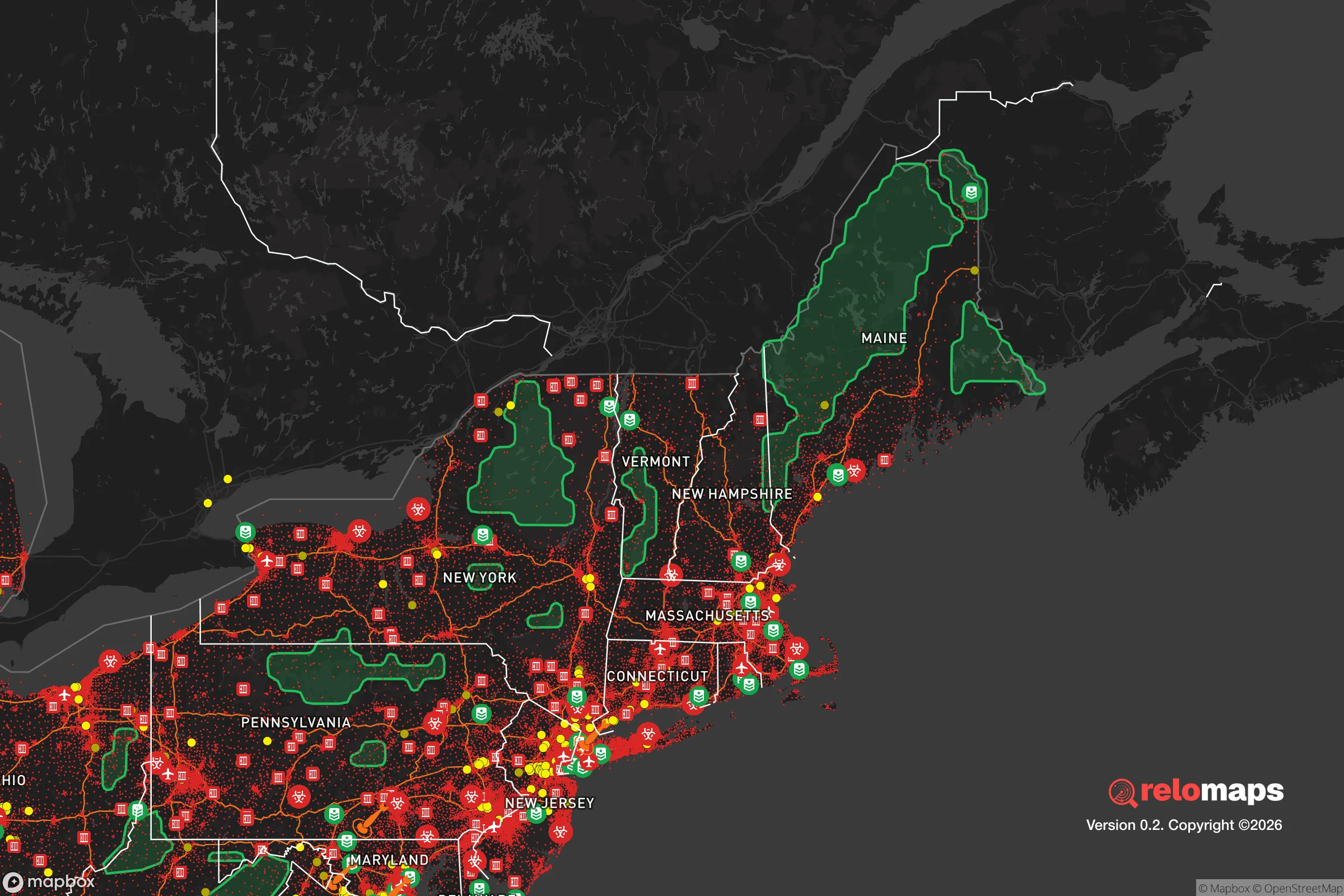


Important Note: For informational purposes only. This does not mean nothing bad ever happens in the green zones. Please use common sense. This is based on public data and modeled with AI. We tried to take a conservative approach but mistakes happen. We update this regularly as new information becomes available.
Solar Generator Recommendations
Backup power matters more here than in safer locations. We've picked three solar generators across budgets and capacity tiers — start with the budget unit if you only need a few essentials, or step up if you want to run a fridge and HVAC for days at a time.
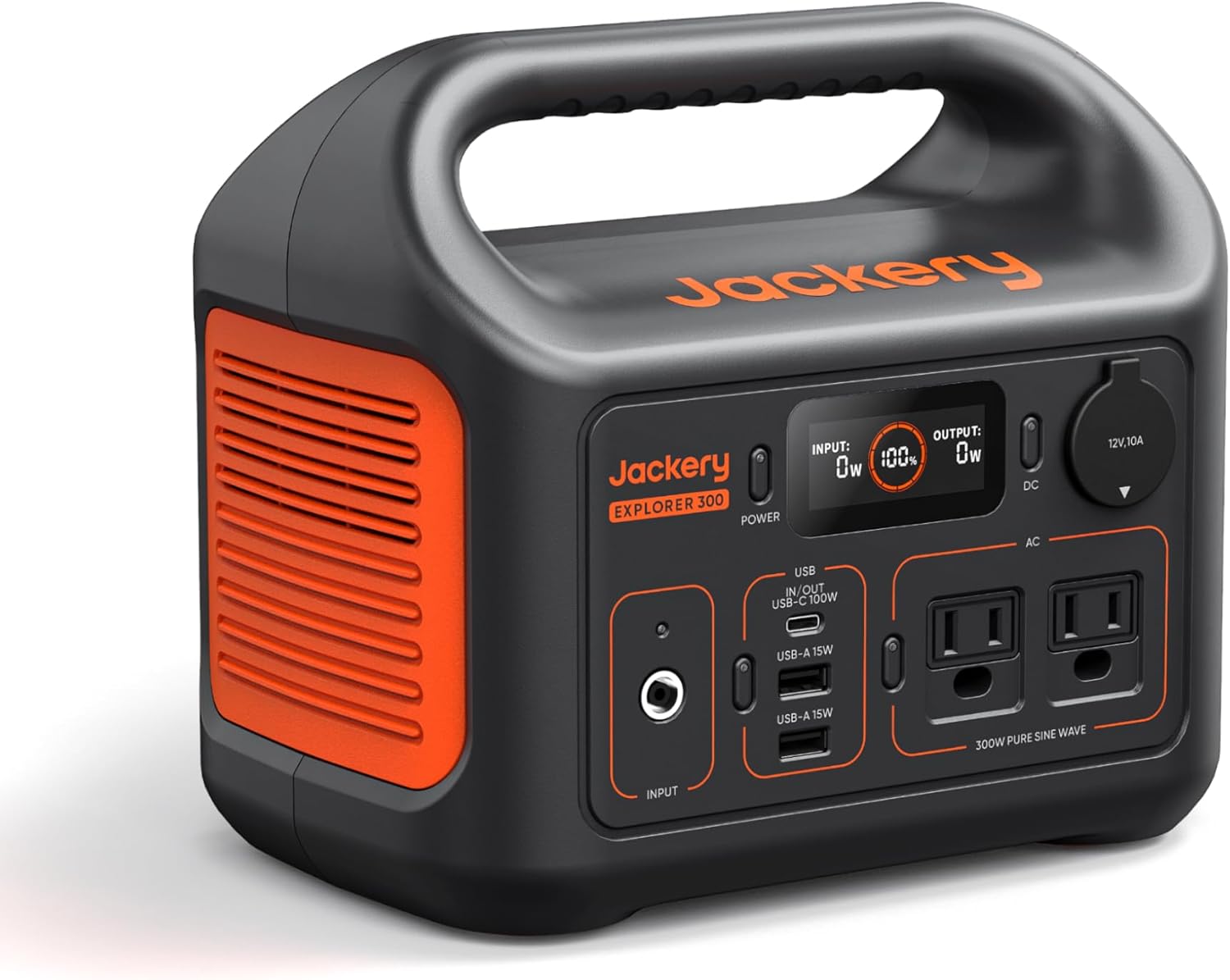
Jackery Portable Power Station Explorer 300
Budget OptionPower on the Go: Weighing only 11 lbs, it's convenient to set up and store with book-sized foldable solar panels

BLUETTI Portable Power Station AC180
Designed for both indoor and outdoor scenarios, AC180 is highly capable as it has a robost capacity and continuous output power.

EF ECOFLOW DELTA Pro Ultra Power Station
Upgraded PickEcoFlow DELTA Pro Ultra is a whole-home energy system designed to grow with your family. Integrated with the Smart Home Panel 2, it scales to meet your evolving energy needs — keeping your home powered, intelligent, and secure through every stage of life.
We earn a commission, at no additional cost to you.
Strategic Assessment Analysis
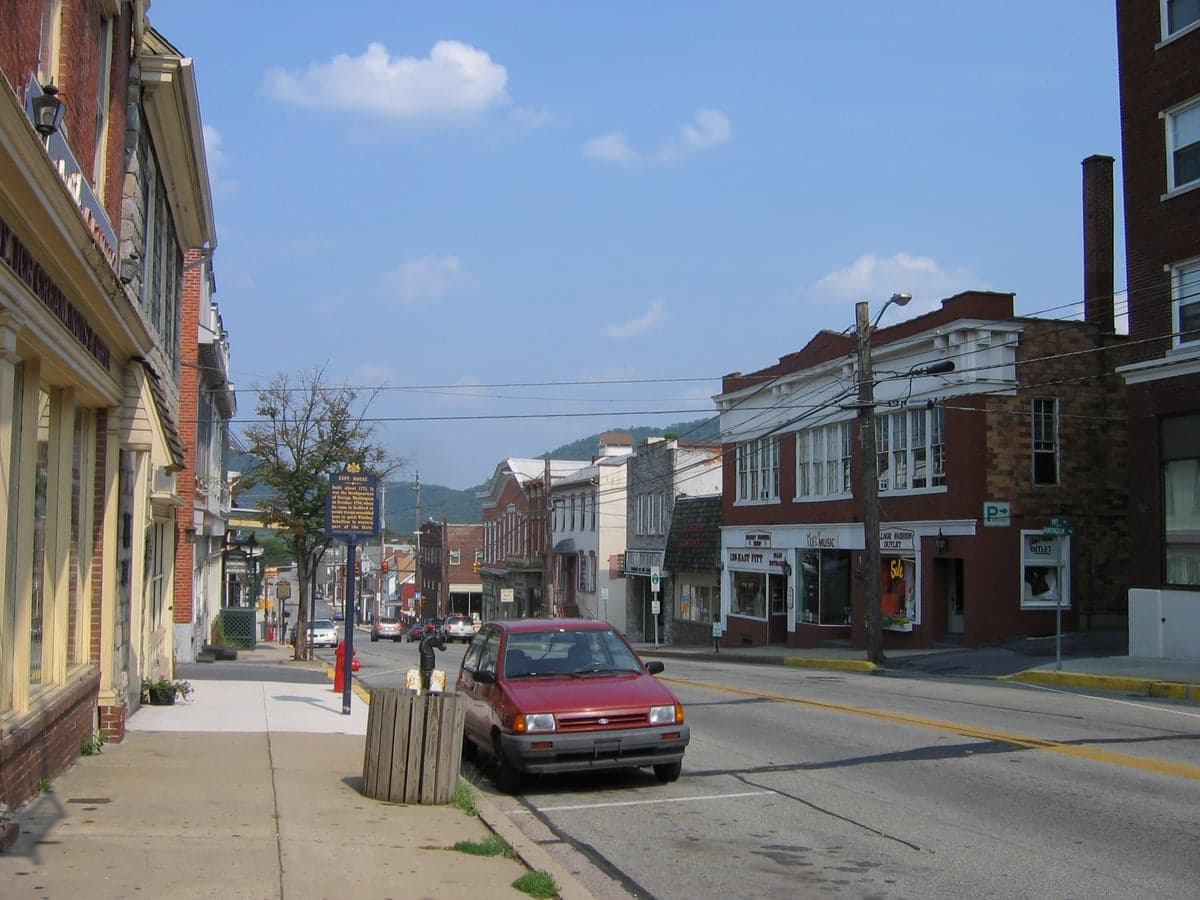
Bedford, Pennsylvania, offers a compelling mix of geographic isolation and practical self-sufficiency that makes it a serious contender for those prioritizing disaster readiness and long-term resilience. Nestled in the Allegheny Mountains, this small borough of roughly 2,800 people sits far from the major urban corridors and strategic targets that define higher-risk zones, yet remains close enough to essential supply chains and medical infrastructure to avoid the pitfalls of total remoteness. For a relocator thinking about natural disasters, economic shocks, or geopolitical instability, Bedford’s position as a low-profile, resource-rich pocket in south-central Pennsylvania deserves a grounded, data-informed look.
Geographic position and natural advantages for long-term stability
Bedford’s primary resilience asset is its location within the Ridge-and-Valley Appalachians, a region characterized by steep ridges, narrow valleys, and abundant water sources. The borough sits at the confluence of the Raystown Branch Juniata River and several smaller creeks, providing a reliable freshwater supply that is less susceptible to drought than flatter agricultural areas. The surrounding terrain—particularly to the east and west—offers natural defensibility: the Allegheny Front to the west and Tussey Mountain to the east create a series of choke points and limited access routes, which would slow any large-scale movement or disruption. Elevation in the area ranges from roughly 1,100 feet in the valley to over 2,500 feet on nearby ridges, reducing flood risk compared to low-lying river towns. The climate is temperate, with cold winters and moderate summers, but the region is not prone to hurricanes, tornadoes, or wildfires at the frequency seen in other parts of the country. Bedford County as a whole has a population density of about 50 people per square mile, meaning that even a modest landholding provides significant buffer from neighbors and potential civil unrest. For a relocator, this means a lower likelihood of being caught in cascading failures tied to dense urban infrastructure.
Risks, exposures, and proximity to fallout-relevant landmarks
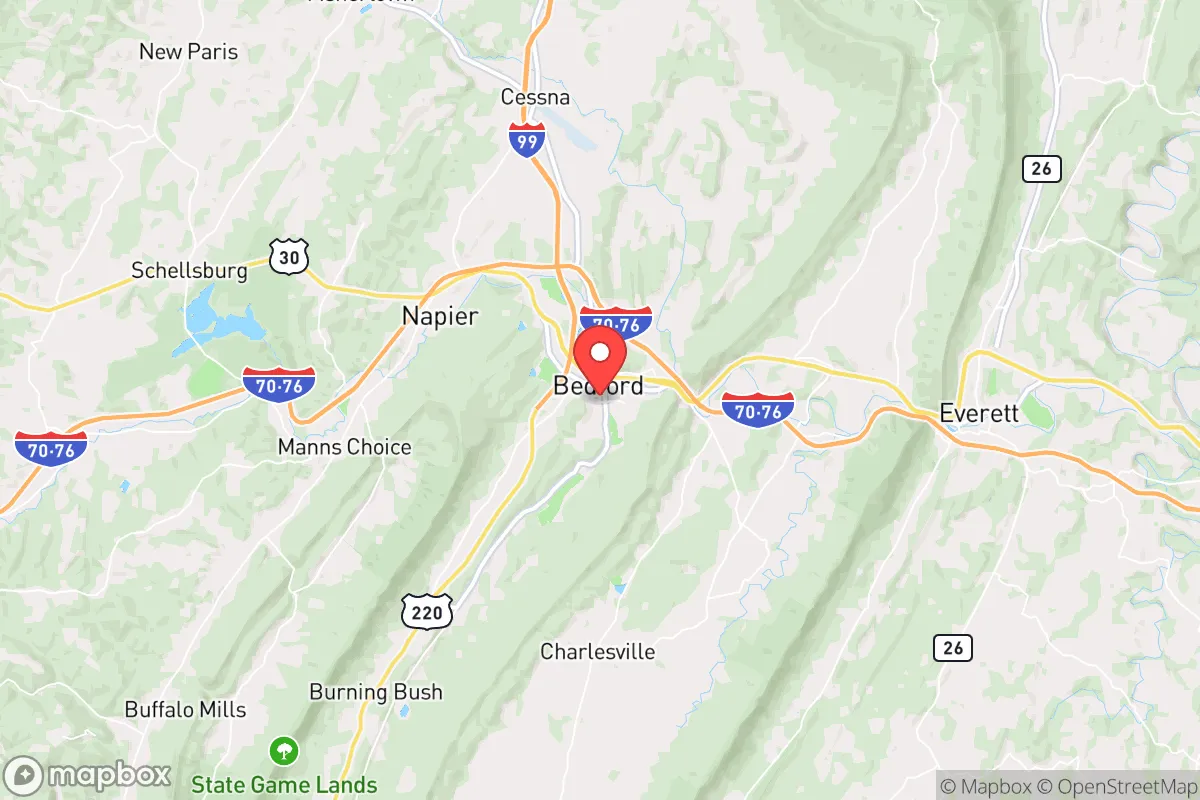
While Bedford avoids the highest-risk zones, it is not immune to threats. The most significant man-made risk comes from its proximity to the Harrisburg-York-Lancaster corridor, roughly 90 miles east, which includes the Three Mile Island nuclear facility (now decommissioned but still storing spent fuel) and the Susquehanna Steam Electric Station near Berwick, about 120 miles northeast. A major release from either site could affect air and water patterns depending on prevailing winds, though Bedford’s mountain barriers would likely dilute and deflect fallout more than flat terrain. More immediately, the borough lies about 50 miles west of the Fort Indiantown Gap military installation, a National Guard training center that could become a logistical hub during a crisis, potentially drawing unwanted attention. Interstate 76 (the Pennsylvania Turnpike) runs just south of Bedford, and I-99/US 220 passes nearby—these are evacuation and supply routes that could become congested or targeted in a major event. On the natural disaster front, the area faces moderate earthquake risk (historical events are rare and low-magnitude) and occasional ice storms that can knock out power for days. The Raystown Branch Juniata River has a history of flooding, particularly in the spring, though Bedford’s downtown sits above the 100-year floodplain. Overall, the risk profile is low compared to coastal or urban areas, but a relocator should plan for extended power outages and potential supply chain interruptions tied to regional infrastructure failures.
Practical resilience for a relocator: food, water, energy, and defensibility
Bedford’s practical resilience is strong, particularly for someone willing to invest in off-grid systems. The area is surrounded by working farms—dairy, beef, poultry, and row crops like corn and soybeans—meaning local food production is robust and not dependent on long-distance supply chains. The Bedford County Agricultural Land Preservation Program has protected over 30,000 acres of farmland, ensuring that agricultural capacity will remain even as development pressures increase elsewhere. For water, the borough’s municipal supply comes from the Raystown Branch, but most rural properties rely on private wells tapping into the fractured bedrock aquifer, which generally yields adequate water at depths of 100–300 feet. Spring-fed ponds and streams are common on larger parcels, offering redundancy. Energy is a mixed picture: the grid is served by Penelec (FirstEnergy), and outages are frequent during winter storms, but the mountainous terrain is excellent for small-scale hydro or wind generation if you have the right site. Solar potential is moderate—the region gets about 4.5 peak sun hours per day, comparable to much of the Northeast—but tree cover on ridges can limit panel placement. Wood heating is extremely practical here, with abundant hardwood forests (oak, maple, hickory) on public and private land; a cord of seasoned firewood costs roughly $200–$300 delivered. Defensibility is where Bedford truly shines: the valley is narrow, with only a handful of roads leading in and out, and the surrounding ridges provide natural observation points. The local population is predominantly rural, with a strong hunting and firearms culture—the Bedford County Sportsmen’s Club is active, and gun ownership rates are well above the national average. This creates a community norm of self-reliance that can be an asset in a prolonged crisis, though it also means newcomers should integrate respectfully. For a relocator, the key takeaway is that Bedford offers a low-cost entry point (median home price around $150,000–$200,000) into a region where basic resilience needs—food, water, fuel—can be met with moderate effort and investment.
The overall strategic picture for Bedford, PA, is one of quiet stability rather than dramatic security. It is not a hardened bunker or a prepper enclave, but a working-class Appalachian town where the fundamentals of resilience—clean water, local food, defensible terrain, and a self-sufficient culture—are already in place. The risks are real but manageable: proximity to regional infrastructure and the occasional natural hazard require planning, not panic. For a single individual or family looking to relocate with disaster readiness in mind, Bedford offers a balanced equation: low cost, low profile, and a high baseline of practical capability. The trade-off is that you are not near major employment centers or cultural amenities, and the social fabric is insular—but for those who value preparedness over convenience, that is precisely the point.

* Values derived from national, state, county, city and local statistics and may differ in a specific area. Last updated: 2026-11-21T15:27:20.000Z
Narrative content on this page is AI-generated and may contain mistakes. Verify any details that matter before acting on them.
ReloMaps may earn a commission from affiliate links at no extra cost to you.

