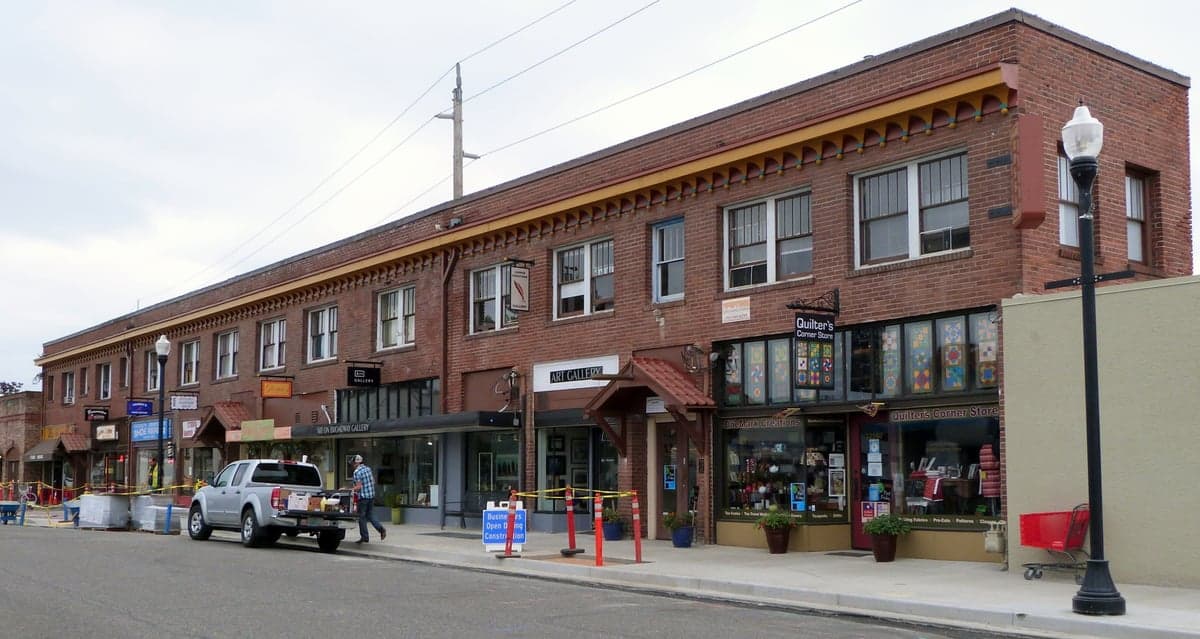
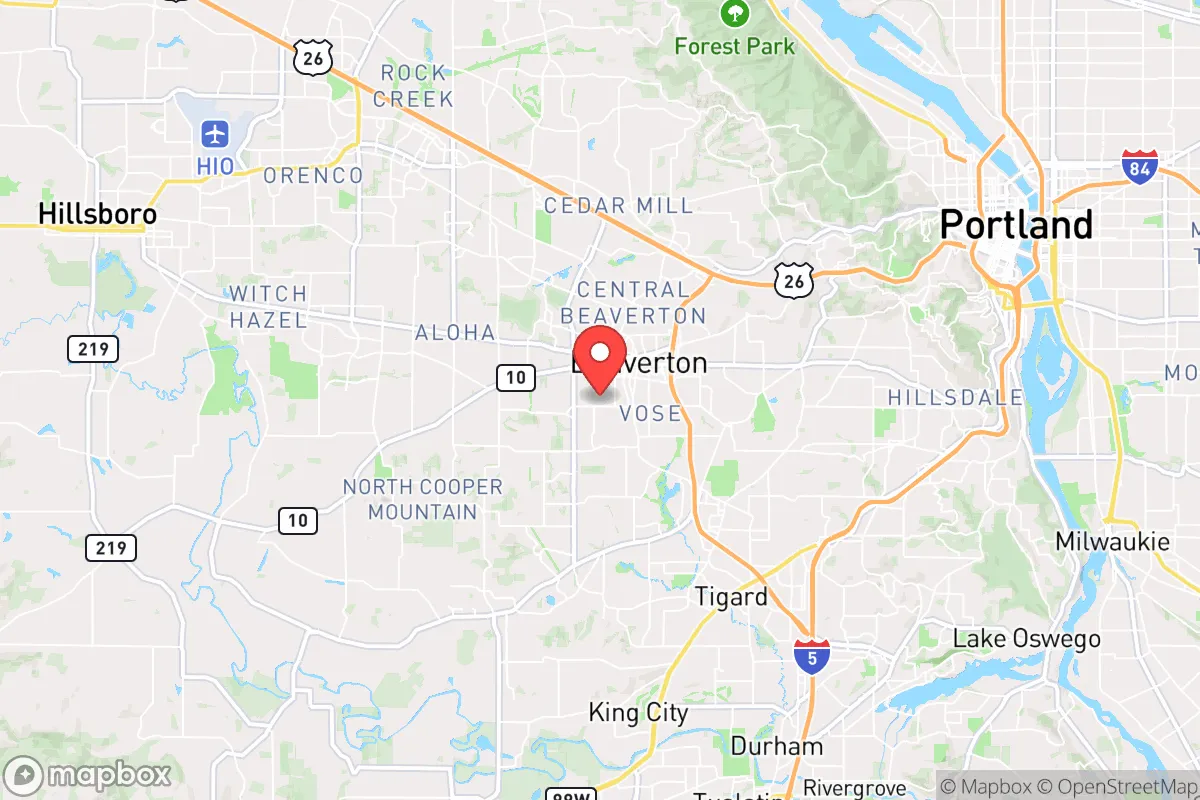
Photo: Wikipedia
Quality of Life in Beaverton, OR
Above-average quality of iife. The area offers a reasonable cost of living, decent mobility, and a mix of neighborhood amenities.
What does Quality of Life tell us?
Quality of Life blends cost of living, nearby amenities, socioeconomic signals, and neighborhood character. City-level scores represent the whole municipality; individual neighborhoods can differ.
What does this tell us?
Quality of Life blends cost of living, nearby amenities, socioeconomic signals, and neighborhood character. City-level scores represent the whole municipality; individual neighborhoods can differ.
Cost of Living
66% above national average
The Real Cost of Living in Beaverton, OR for 2026
| Tier | Individual | Family (4) |
|---|---|---|
| Survival | $28k | $52k |
| Comfortable | $104k | $154k |
| Luxury | $153k+ | $237k+ |
| Elite (Top 5%) | $180k+ | $279k+ |
61%
The Area Signal
A metric tracking the socioeconomic signals of the area.
Hobbies
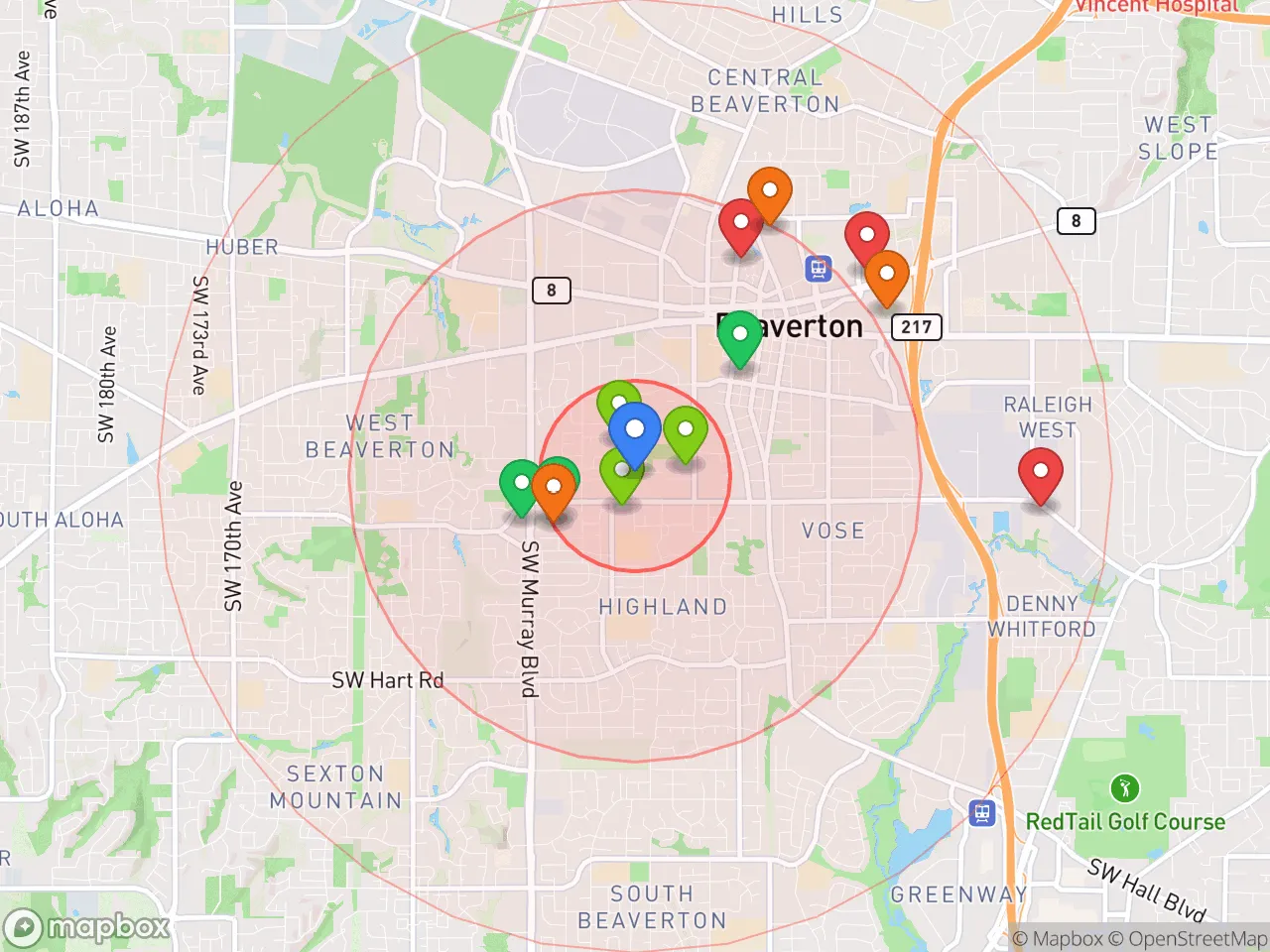
Explore the areaGroceries
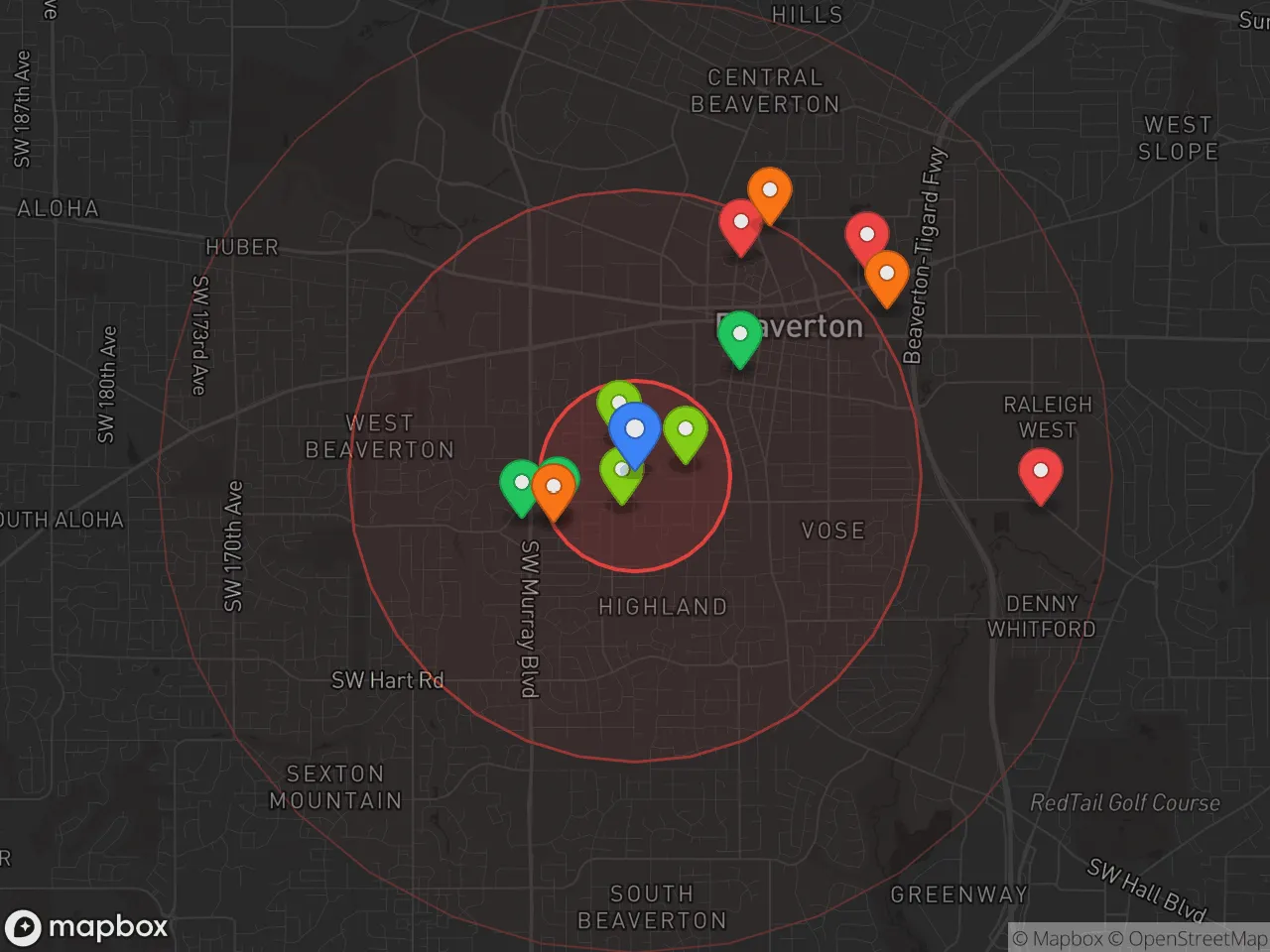
9 within 10 miles
Gas
20 within 10 miles
Hospital
20 within 20 miles
Airport
PDX — Portland International
Post Office
USPS — Beaverton, OR
Critical Amenities
Quality-of-Life Analysis
Beaverton, Oregon, presents a quality of life defined by suburban affluence and a strong professional-class demographic, with a cost of living index of 166 (66% above the U.S. average) that reflects its desirability as a Portland-adjacent hub. The city attracts a mix of tech workers employed by major companies like Nike, Intel, and IBM, alongside families and young professionals who prioritize access to nature, strong schools, and a relatively stable housing market. While not as expensive as downtown Portland or Lake Oswego, Beaverton commands a premium over more distant suburbs like Hillsboro or Tigard, driven by its proximity to employment centers and its reputation for community safety.
Cost of living, housing affordability, and how it compares to nearby areas
Beaverton’s housing market is the primary driver of its elevated cost of living, with a median home value of $543,100 and a median rent of $1,727. These figures place it roughly 15-20% below Portland’s core but about 10% above the broader Washington County average. For context, a comparable home in Lake Oswego would cost nearly $800,000, while in Hillsboro the median is closer to $490,000. The average commute of 24 minutes is notably shorter than the Portland metro average of 28 minutes, a practical advantage for workers at the nearby Nike World Headquarters or the Sunset Corridor tech campuses. Renters face a tight market, with vacancy rates hovering around 3-4%, meaning competition for units under $1,800 is fierce. Property taxes in Washington County run about 1.0% of assessed value, lower than Multnomah County’s 1.2%, offering a slight edge for homeowners.
What daily life is like for families: amenities, schools, and recreation
Daily life in Beaverton centers on a well-maintained network of parks, trails, and community centers, with the 40-mile Fanno Creek Trail and the Tualatin Hills Nature Park providing immediate outdoor access. The Beaverton School District is a major draw, consistently ranking among Oregon’s top 10 for test scores and graduation rates, with schools like Beaverton High School and Westview High School offering strong Advanced Placement programs. The city’s Beaverton City Library is one of the busiest in the state per capita, and the Beaverton Farmers Market (April through October) anchors weekend routines. Dining and retail are concentrated along Canyon Road and Progress Ridge, with a mix of national chains and local spots like Top Burmese and Decarli. Traffic on Highway 217 can be congested during peak hours, but the MAX Light Rail Blue Line offers a reliable alternative for commuters heading into Portland or Hillsboro.
Beaverton is best suited for professionals and families who value a balanced suburban lifestyle with strong public services and reasonable access to urban amenities. The city’s high cost of living is offset by above-average schools, short commutes, and abundant green space, making it a practical choice for those employed in the region’s tech and athletic-apparel sectors. Retirees on fixed incomes may find the housing costs prohibitive, but for dual-income households earning above the metro median of $85,000, Beaverton offers a stable, well-resourced environment where daily convenience and outdoor recreation coexist.

Crime in Beaverton, OR
Generally safer than 60% of comparable U.S. locations.
Violent CrimeViolent Crime Analysis
Property CrimeProperty Crime Analysis
Crime Analysis
Beaverton, Oregon, reports a violent crime rate of 251.8 incidents per 100,000 residents and a property crime rate of 2,484.4 per 100,000, placing it in a moderate-risk tier for a Portland suburb. While these figures are lower than downtown Portland’s, they remain elevated compared to national averages, a pattern common in large metro areas where progressive justice policies often prioritize offender rehabilitation over strict incarceration. Readers should be aware that the broader Washington County legal environment, influenced by Multnomah County’s liberal prosecutorial trends, can result in reduced consequences for repeat offenders, directly impacting public safety.
Crime in context
Beaverton’s violent crime rate of 251.8 per 100K is roughly 30% below the Oregon state average but still about 30% above the national median for cities of its size. Property crime, at 2,484.4 per 100K, is significantly higher than the national rate of approximately 1,950 per 100K, driven largely by vehicle break-ins and package theft. These numbers reflect a regional dynamic: progressive district attorneys in the Portland metro area, including Washington County’s, have implemented policies like presumptive citation for low-level theft and reduced cash bail, which critics argue embolden property criminals and strain neighborhood safety. The result is a property crime rate that has not returned to pre-2020 levels, despite a slight dip in 2024.
What residents experience
Daily life in Beaverton involves heightened vigilance around car and home security. Residents commonly report smash-and-grab thefts from parked vehicles in shopping centers like Cedar Hills Crossing and near MAX light rail stations. Burglaries of apartment storage units and porch piracy are persistent frustrations. While violent encounters are rare, the presence of repeat offenders cycling through a justice system focused on diversion programs means that many property crimes go unprosecuted or result in minimal sentences. This creates a perception of lawlessness that local police, despite proactive community policing efforts, struggle to counter. For families, the trade-off is access to good schools and parks against a backdrop of petty crime that feels unaddressed.
Neighborhood-level variation is notable. Areas west of Highway 217, such as the Vose and Bonny Slope neighborhoods, see lower crime rates due to higher home values and less foot traffic. In contrast, the central corridor along Canyon Road and the area near the Beaverton Transit Center experience higher concentrations of theft and occasional drug-related incidents. The city’s proximity to Portland means it absorbs spillover crime from the larger metro area, particularly auto theft and organized retail theft rings. Prospective residents should prioritize homes with off-street parking and consider neighborhoods with active neighborhood watch programs to mitigate risks inherent to a progressive metro environment.
* Values derived from national, state, county, city and local statistics and may differ in a specific area. Last updated: 2026-06-13T10:09:38.000Z
Narrative content on this page is AI-generated and may contain mistakes. Verify any details that matter before acting on them.
ReloMaps may earn a commission from affiliate links at no extra cost to you.

