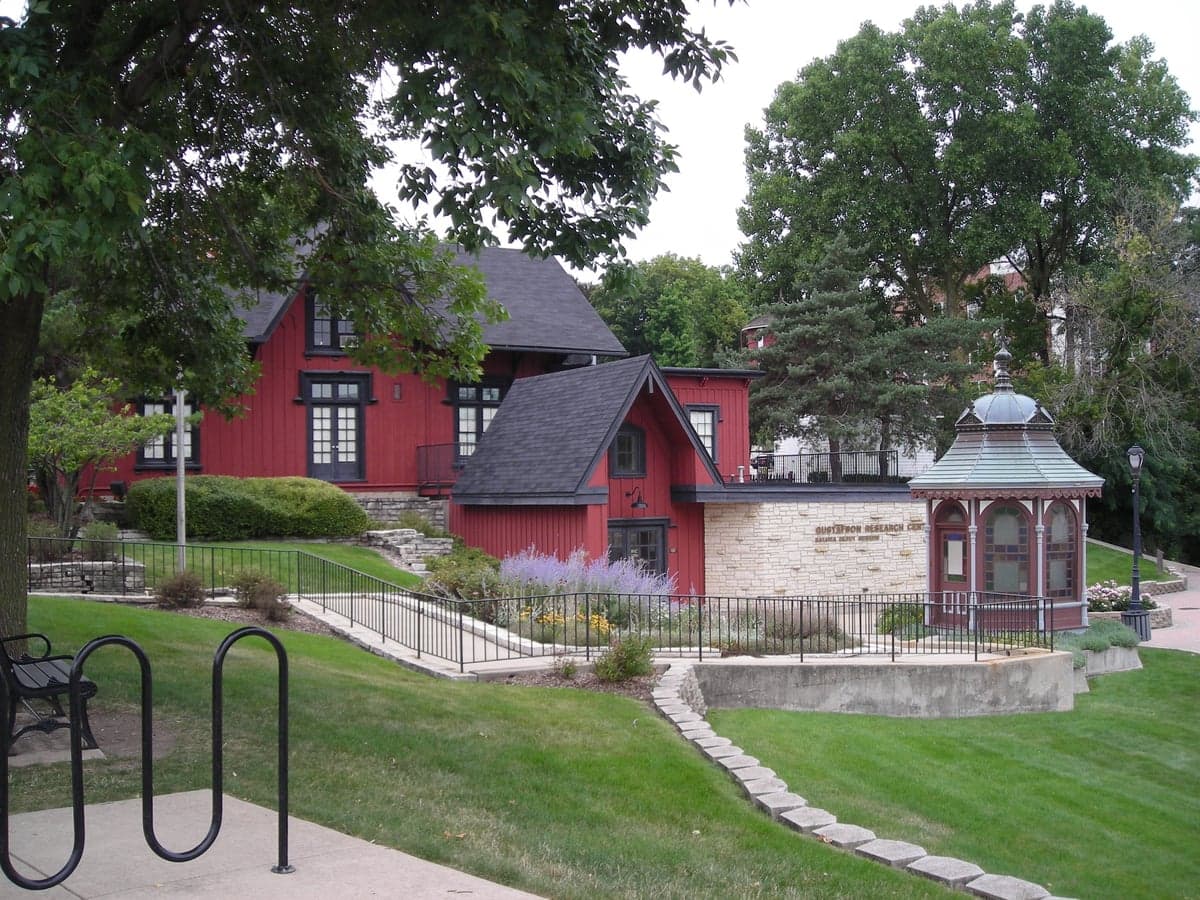
Photo: Wikipedia
Quality of Life in Batavia, IL
A high quality of life with strong walkability, manageable living costs, healthy neighborhood signals, and solid amenity access.
What does Quality of Life tell us?
Quality of Life blends cost of living, nearby amenities, socioeconomic signals, and neighborhood character. City-level scores represent the whole municipality; individual neighborhoods can differ.
What does this tell us?
Quality of Life blends cost of living, nearby amenities, socioeconomic signals, and neighborhood character. City-level scores represent the whole municipality; individual neighborhoods can differ.
Cost of Living
16% above national average
The Real Cost of Living in Batavia, IL for 2026
| Tier | Individual | Family (4) |
|---|---|---|
| Survival | $20k | $38k |
| Comfortable | $70k | $102k |
| Luxury | $176k+ | $273k+ |
| Elite (Top 5%) | $207k+ | $321k+ |
117%
The Area Signal
A metric tracking the socioeconomic signals of the area.
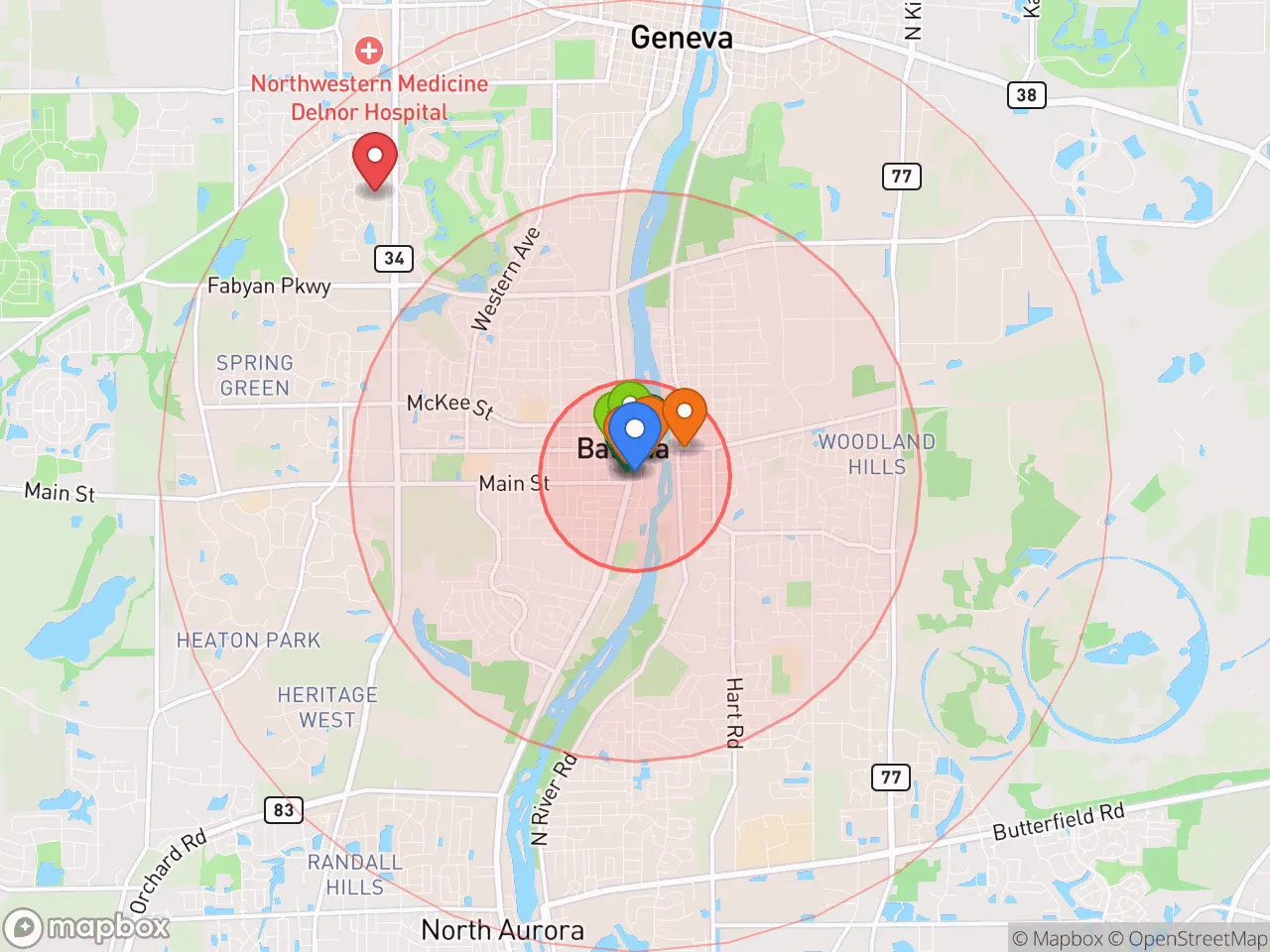
Hobbies
Explore the areaGroceries
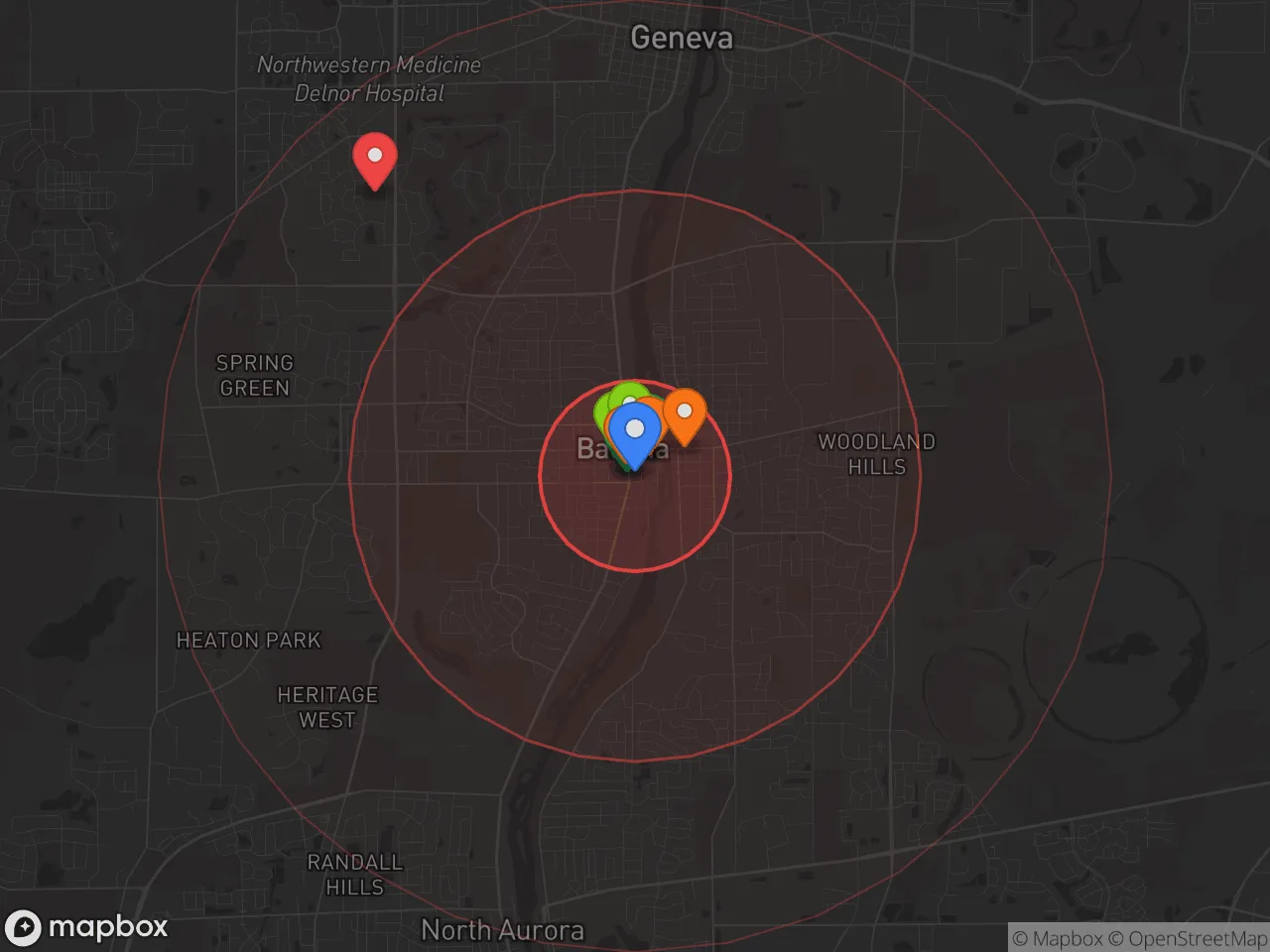
7 within 10 miles
Gas
20 within 10 miles
Hospital
20 within 20 miles
Airport
ORD — O'Hare International
Post Office
USPS — Batavia, IL
Critical Amenities
Quality-of-Life Analysis
Batavia, Illinois, is an affluent western Chicago suburb where the quality of life is defined by historic charm, strong public schools, and a family-oriented atmosphere. With a cost of living index of 116 (16% above the national average), the city attracts professionals and families who prioritize community safety and educational outcomes over lower housing costs. The population skews toward married couples with children, and the local economy is anchored by a mix of small businesses, healthcare employers, and commuters who work in the broader Fox Valley region or downtown Chicago.
Cost of living, housing, and how Batavia compares to nearby suburbs
Batavia’s housing market sits between the more expensive suburbs like Naperville and Geneva and the more affordable towns like North Aurora. The median home value is $358,000, which is roughly $30,000 below the median in neighboring Geneva but about $40,000 above the Kane County average. Renters face a median monthly rent of $1,255, a figure that is notably lower than the Chicago metro average of roughly $1,500, making Batavia a relatively accessible entry point for the Fox River corridor. The average one-way commute time is 28.9 minutes, slightly above the national average of 26 minutes, reflecting the many residents who drive to jobs in Aurora, St. Charles, or the western suburbs along I-88. Property taxes in Kane County are high—typically 2.1% to 2.4% of assessed value—which adds a significant fixed cost for homeowners but directly funds the well-regarded Batavia Public School District 101.
What daily life is like: amenities, schools, and local character
Daily life in Batavia centers on the historic downtown along the Fox River, where the Batavia Riverwalk, a 1.5-mile paved path, connects parks, a bandshell, and the Batavia Depot Museum. The city’s public schools consistently rank among the top in Kane County: Batavia High School has a 94% graduation rate and offers over 20 Advanced Placement courses. For families, the presence of the Fermilab science museum and the nearby Geneva Commons shopping center adds variety without requiring a long drive. The city’s crime rate is roughly 60% lower than the national average, with property crime being the most common incident type. Residents frequently cite the Batavia Farmers Market (May–October) and the annual Batavia Fest as community anchors. The local employment base includes major employers like the Fermi National Accelerator Laboratory (just east in Batavia Township) and the Northwestern Medicine Delnor Hospital in nearby Geneva, which together provide stable white-collar and healthcare jobs.
The type of person who thrives in Batavia is typically a family or a professional seeking a safe, walkable downtown with strong schools and a slower pace than Naperville or Chicago. Empty-nesters and retirees are also drawn to the riverfront condos and the proximity to the Kane County Forest Preserves. Singles and young renters may find the social scene limited compared to larger suburbs, but the 28-minute commute to the western suburbs and the lower rent relative to the metro area make it a practical choice for those working in the Fox Valley tech or healthcare sectors. For anyone prioritizing school quality, low crime, and a historic downtown over nightlife or ultra-low taxes, Batavia offers a balanced, high-quality suburban lifestyle.

Crime in Batavia, IL
Lower crime rates than 78% of comparable U.S. locations.
Violent CrimeViolent Crime Analysis
Property CrimeProperty Crime Analysis
Crime Analysis
Batavia, Illinois, reports a violent crime rate of 75.3 incidents per 100,000 residents and a property crime rate of 775.4 per 100,000, figures that place it well below national averages for cities of similar size. However, as a small city within the Chicago metropolitan area, Batavia is subject to the broader criminal justice environment of Kane County, where progressive prosecutorial policies have raised concerns about recidivism and public safety. While the city itself maintains relatively low crime numbers, residents should be aware that regional trends and judicial leniency can influence local conditions.
Crime in context
Batavia’s violent crime rate of 75.3 per 100K is roughly 80% lower than the national average of approximately 380 per 100K, and its property crime rate of 775.4 per 100K sits about 40% below the U.S. median. Compared to the state of Illinois, which has a violent crime rate near 400 per 100K, Batavia is significantly safer. However, these statistics must be weighed against the reality that Kane County, like many jurisdictions in the Chicago metro area, has adopted progressive criminal justice reforms. Kane County State’s Attorney Jamie Mosser has implemented policies emphasizing diversion programs and reduced cash bail, which critics argue lead to quicker release of repeat offenders. For context, nearby Aurora (population ~200,000) reports a violent crime rate of roughly 500 per 100K, illustrating the stark contrast between Batavia and its larger, more urban neighbors.
What residents experience
Daily life in Batavia is generally safe, with most crime concentrated in retail corridors and near the Metra train station. The most common property crimes are vehicle break-ins and package thefts, particularly in neighborhoods adjacent to the Fox River Trail. Violent incidents are rare and typically involve domestic disputes or isolated altercations rather than random attacks. Residents should note that progressive bail reform in Illinois, effective since 2023, has eliminated cash bail for most non-violent offenses, meaning individuals arrested for theft or drug possession are often released within hours. This has led to a perceived increase in property crime cycles, as offenders face minimal detention. The Batavia Police Department maintains a community-oriented policing model, with officers regularly patrolling on bicycles and engaging with residents at events like the Batavia Farmers Market.
Neighborhood-level variation
Safety is not uniform across Batavia. The southeast quadrant near Route 31 and Fabyan Parkway sees higher property crime due to its concentration of strip malls and apartment complexes. In contrast, the historic district west of the Fox River and the rural subdivisions near Mooseheart Road report near-zero violent crime and very low property crime. The Batavia High School area and neighborhoods along Main Street benefit from heavy foot traffic and active neighborhood watch programs. Prospective residents should prioritize homes in the western half of the city or east of Randall Road for the lowest crime exposure, while remaining vigilant about securing vehicles and packages regardless of location.
* Values derived from national, state, county, city and local statistics and may differ in a specific area. Last updated: 2026-09-21T21:43:05.000Z
Narrative content on this page is AI-generated and may contain mistakes. Verify any details that matter before acting on them.
ReloMaps may earn a commission from affiliate links at no extra cost to you.

