Photo: Wikipedia
Find The Best Places To Live
in Batavia
PRO TIP! You can paste a Zillow or Redfin link to get info on that property.
What It's Like Living in Batavia, IL
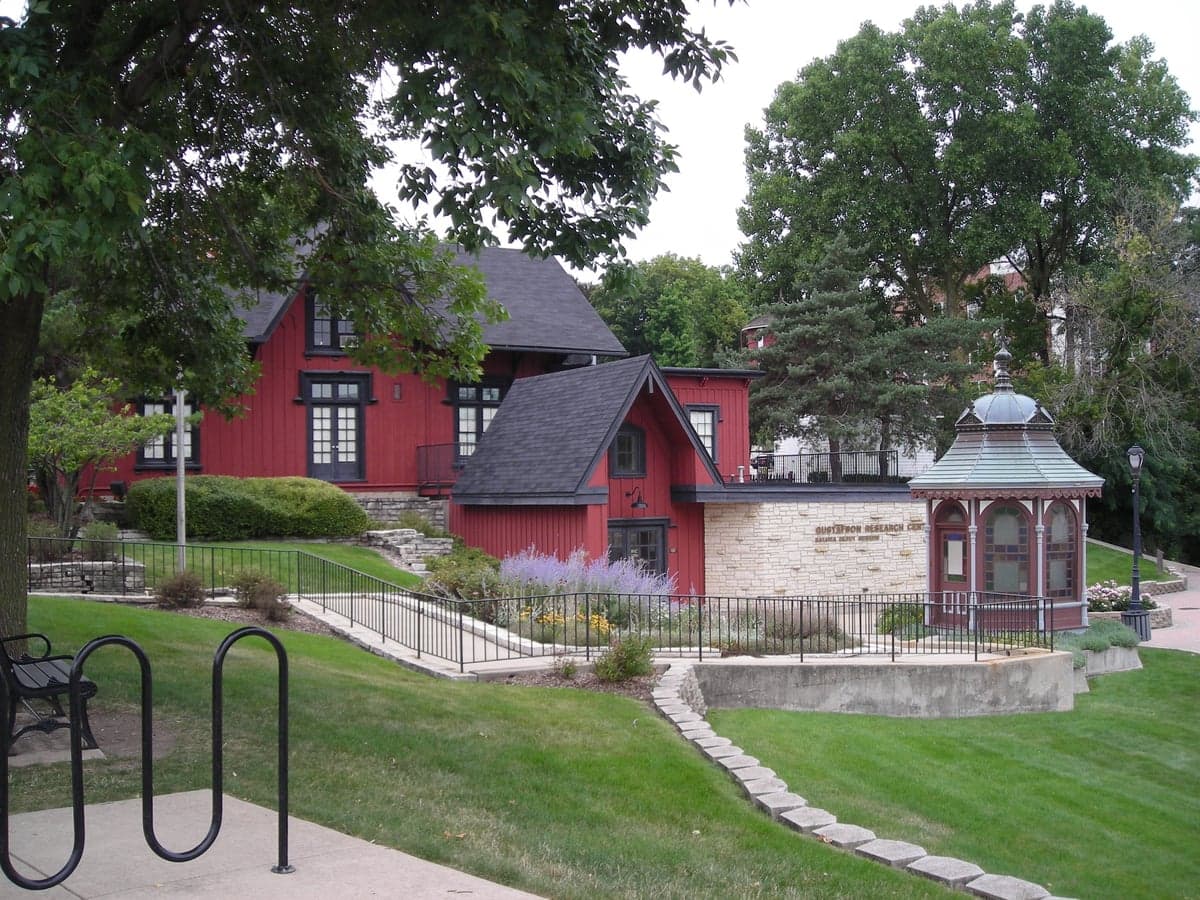
Batavia, Illinois, is one of those Fox River towns that feels like it was designed for people who want a strong sense of place without the chaos of a big city. It’s a community where the high school football game on a Friday night is still a legitimate social event, the riverwalk is the default weekend destination, and the local coffee shop knows your order. With a population just under 27,000 and a median age of 41.2, it leans decidedly toward established families and professionals who value good schools, low crime, and a predictable, comfortable rhythm.
The Daily Rhythm: Riverwalks, School Runs, and a Slower Pace
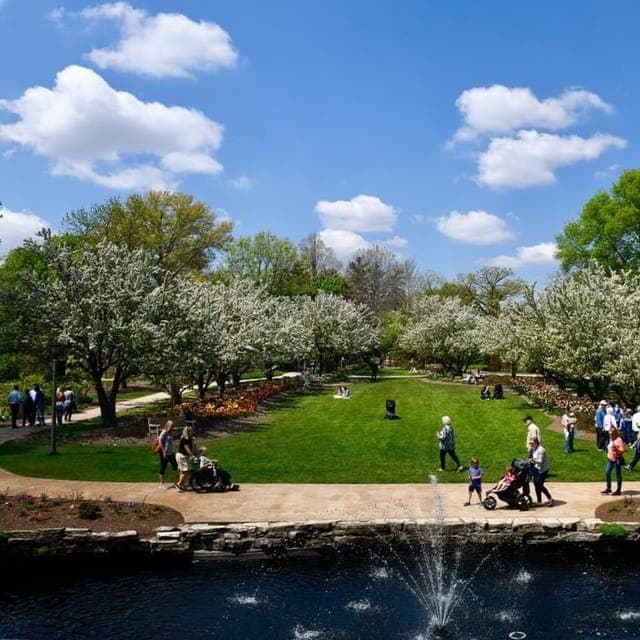
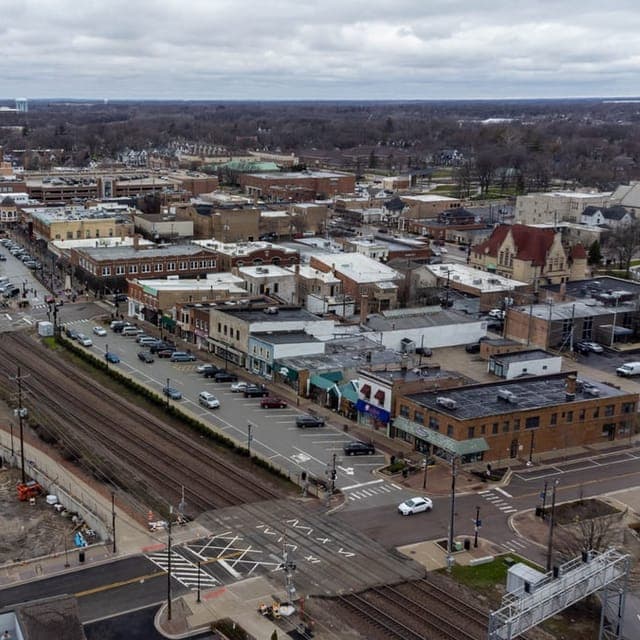
Daily life in Batavia revolves around a few key anchors: the Fox River, the school system, and a surprisingly robust downtown. The Batavia Riverwalk is the literal and figurative center of town—a meticulously maintained path that connects parks, a historic bandstand, and the popular Island Park. On weekends, you’ll see families with strollers, cyclists, and people fishing off the banks. The downtown strip along Wilson Street is compact but functional, with staples like Altiro Latin Fusion for a nicer dinner out, Luigi’s Pizza for a casual slice, and Two Brothers Coffee for the morning caffeine run. The average commute of about 29 minutes is a reality for many—most residents work in the western suburbs or Chicago itself, but the drive is manageable, and the trade-off is a quieter home base. The median household income of $119,167 supports a comfortable lifestyle, though the cost of living index of 116 means housing and services are pricier than the national average.
Sports, Schools, and the Fabric of Community Life
If you live in Batavia, you will eventually hear about Batavia High School athletics. The Batavia Bulldogs football program is a legitimate source of local pride, regularly competing for conference titles and drawing big crowds to the stadium. Basketball and wrestling also have strong followings, but it’s the Friday night lights that really unify the town. The schools themselves are a major draw—Batavia Public Schools are well-regarded, and the community’s 55.1% college-educated rate reflects a population that prioritizes education. This isn’t a town where pro sports dominate the conversation; you’re more likely to hear about the Bulldogs’ playoff run than the Bears’ draft picks. The local identity is deeply tied to the high school and the river, not to any major league franchise.
What’s There to Do: Festivals, Parks, and the Fox River
Entertainment here is more about seasonal rhythms than constant nightlife. The Batavia Festival of the Arts in July draws crowds to the riverfront, and the Windmill City Festival (named for the historic windmill that still stands) is a classic small-town summer event with carnival rides, live music, and a parade. For outdoor enthusiasts, the Fox River Trail runs right through town, connecting to Geneva and St. Charles for longer rides or runs. The Fermilab site in nearby Batavia offers hiking trails and a prairie restoration area—a surprisingly serene escape. There are a handful of solid bars, like Pal Joey’s for a dive-bar vibe or Rookies Sports Bar & Grill for game-day crowds, but the nightlife scene is modest. Most people head to Geneva or Naperville for a more active bar scene. The violent crime rate of 75.3 per 100,000 is notably low, which reinforces the sense of safety that families and retirees value.
Pros and Cons of Living in Batavia
Longtime residents will tell you the upsides are clear: excellent schools, a walkable downtown, low crime, and a strong community feel. The riverwalk is a genuine asset, and the town’s size means you’re not anonymous. But there are frustrations. The cost of living index of 116 is a real factor—median home values sit at $358,000, which is steep for the region, and property taxes in Kane County are high. Traffic on Kirk Road and Randall Road can get congested during rush hour, and the commute to Chicago (especially downtown) can push past 45 minutes on bad days. Winters are real—expect snow and cold from December through February, with the river freezing over and outdoor activities shifting to indoor rec centers. Some residents also note that the dining and entertainment options are limited compared to larger suburbs; you’ll find yourself driving to Naperville or St. Charles for variety. The kind of person who fits in here is someone who values stability, community involvement, and a slower pace—likely a professional or a family with school-aged kids, not a young single looking for a vibrant nightlife scene. It’s a place where people wave to neighbors, volunteer at the school fundraiser, and genuinely enjoy the quiet rhythm of life along the river.

Similar towns to Batavia


* Values derived from national, state, county, city and local statistics and may differ in a specific area. Last updated: 2026-09-21T21:43:05.000Z
Narrative content on this page is AI-generated and may contain mistakes. Verify any details that matter before acting on them.
ReloMaps may earn a commission from affiliate links at no extra cost to you.

