Photo: Wikipedia
Demographics of Barnstable Town, MA
Affluence Level in Barnstable Town, MA
An upper-middle-class area. Household wealth, education levels, and homeownership run ahead of national benchmarks.
People of Barnstable Town, MA
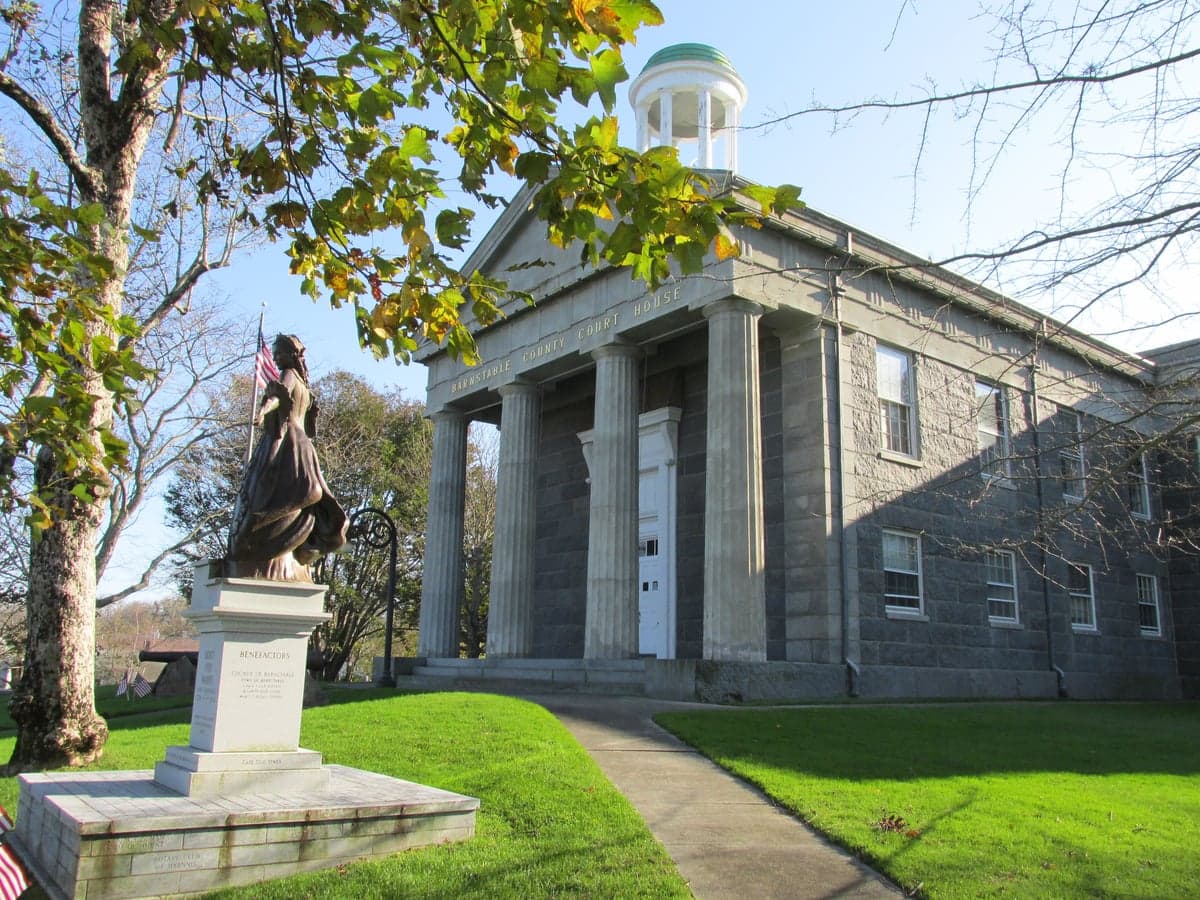
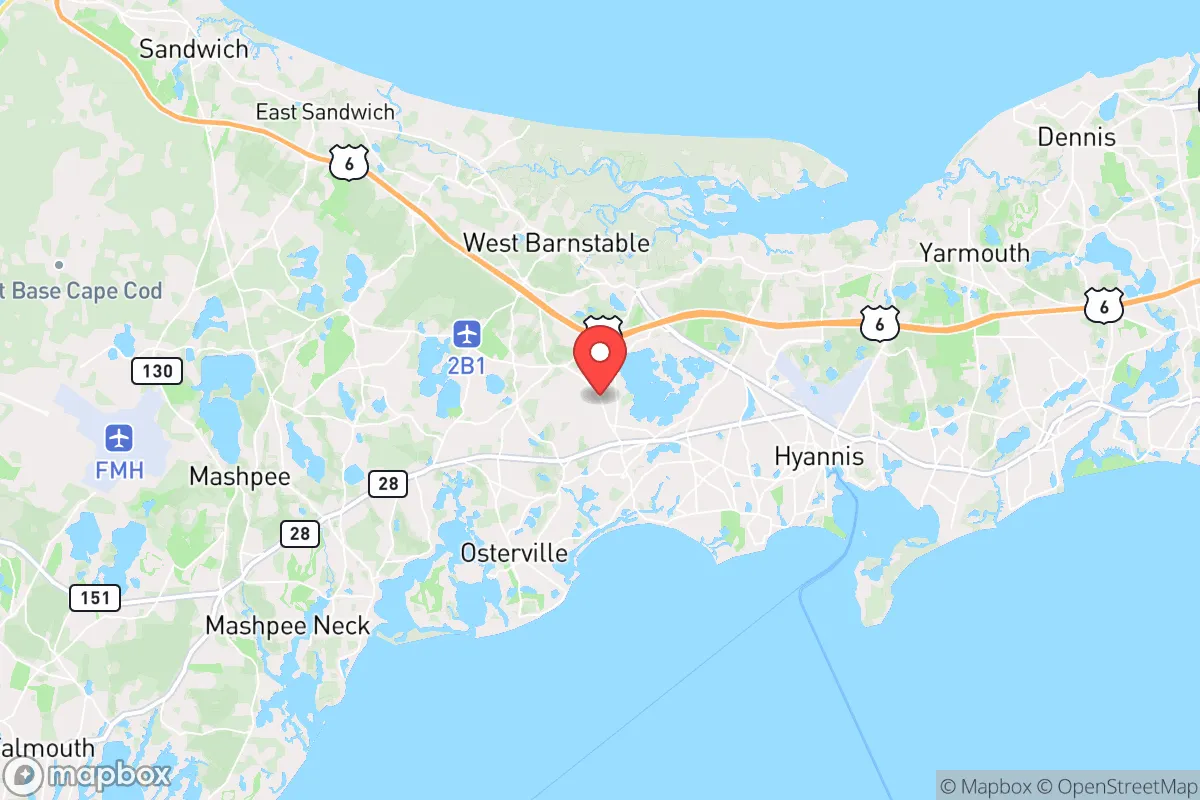
Barnstable Town, Massachusetts, is a city of 49,232 residents that blends historic New England character with a modern, diverse population. Its identity is shaped by a strong sense of place rooted in maritime history, a high proportion of college-educated residents (42.3%), and a demographic profile that is predominantly White (76.6%) but with growing Hispanic (6.4%) and Black (6.3%) communities. The city’s population is denser than much of Cape Cod, concentrated in seven distinct villages that each retain their own character and history.
How the city was settled and grew
Barnstable’s human history begins with the Wampanoag people, who inhabited the area for thousands of years before English colonists arrived in the 1630s. The town was officially incorporated in 1639, one of the earliest settlements in Massachusetts, and its early economy was driven by agriculture, fishing, and shipbuilding. The original settlers were primarily English Puritans seeking religious freedom and economic opportunity, and they established the village of Hyannis as a small farming and fishing hamlet. By the 18th century, the village of Barnstable Village became the county seat and a center for maritime trade, while Osterville developed as a shipbuilding hub. The 19th century brought a wave of Irish immigrants, many of whom worked in the saltworks and fishing industries, settling in Hyannis and Centerville. These early waves established the village-based structure that defines Barnstable today, with each neighborhood retaining its own identity and historical character.
Modern era (post-1965)
The post-1965 era brought significant demographic change to Barnstable, driven by the 1965 Immigration and Nationality Act and the rise of Cape Cod as a tourist and retirement destination. The completion of the Mid-Cape Highway (Route 6) in the 1950s made the area more accessible, and by the 1970s, Hyannis had become the commercial and transportation hub of the Cape, attracting a wave of domestic migrants from the Boston area and beyond. The foreign-born population now stands at 9.0%, with the largest groups being from Brazil, Portugal, and Latin America. Brazilian immigrants, many working in the hospitality and service industries, have concentrated in Hyannis and Centerville, while Portuguese communities have deep roots in Yarmouth and Hyannis. The Hispanic population (6.4%) is largely of Puerto Rican and Dominican origin, with growing numbers in Hyannis and Marstons Mills. The Black population (6.3%) includes both African American families who moved to the area for work and a smaller number of Cape Verdean descendants. East/Southeast Asian communities (1.1%) are primarily of Chinese and Vietnamese origin, with a presence in Hyannis and Barnstable Village. The Indian subcontinent population is negligible at 0.0%. These shifts have made Barnstable more diverse than its Cape Cod neighbors, though the city remains majority White and relatively affluent, with a median household income above the state average.
The future
Barnstable’s population is projected to grow slowly, with the most significant changes coming from aging Baby Boomers and continued immigration. The city’s high cost of housing and limited rental stock are likely to slow domestic in-migration, while the foreign-born population may continue to grow modestly, particularly in Hyannis and Centerville, where affordable housing and service-sector jobs are concentrated. The Hispanic and Black populations are expected to increase gradually, but Barnstable is unlikely to see the rapid diversification of larger Massachusetts cities. The city’s strong school system and high college attainment rate (42.3%) will continue to attract educated families, but the overall demographic trend is toward a slightly older, more diverse, but still predominantly White population. The distinct village identities are likely to persist, with Hyannis becoming more diverse and urban, while Osterville and Cotuit remain more homogeneous and affluent.
For someone moving to Barnstable now, the city offers a stable, well-educated community with a strong sense of history and distinct neighborhoods. The population is becoming more diverse, but slowly, and the city’s character remains rooted in its New England maritime heritage. The key decision for a new resident is choosing which village fits their lifestyle, as each offers a different balance of density, diversity, and cost.

* Values derived from national, state, county, city and local statistics and may differ in a specific area. Last updated: 2026-05-01T11:08:36.000Z
Narrative content on this page is AI-generated and may contain mistakes. Verify any details that matter before acting on them.
ReloMaps may earn a commission from affiliate links at no extra cost to you.

