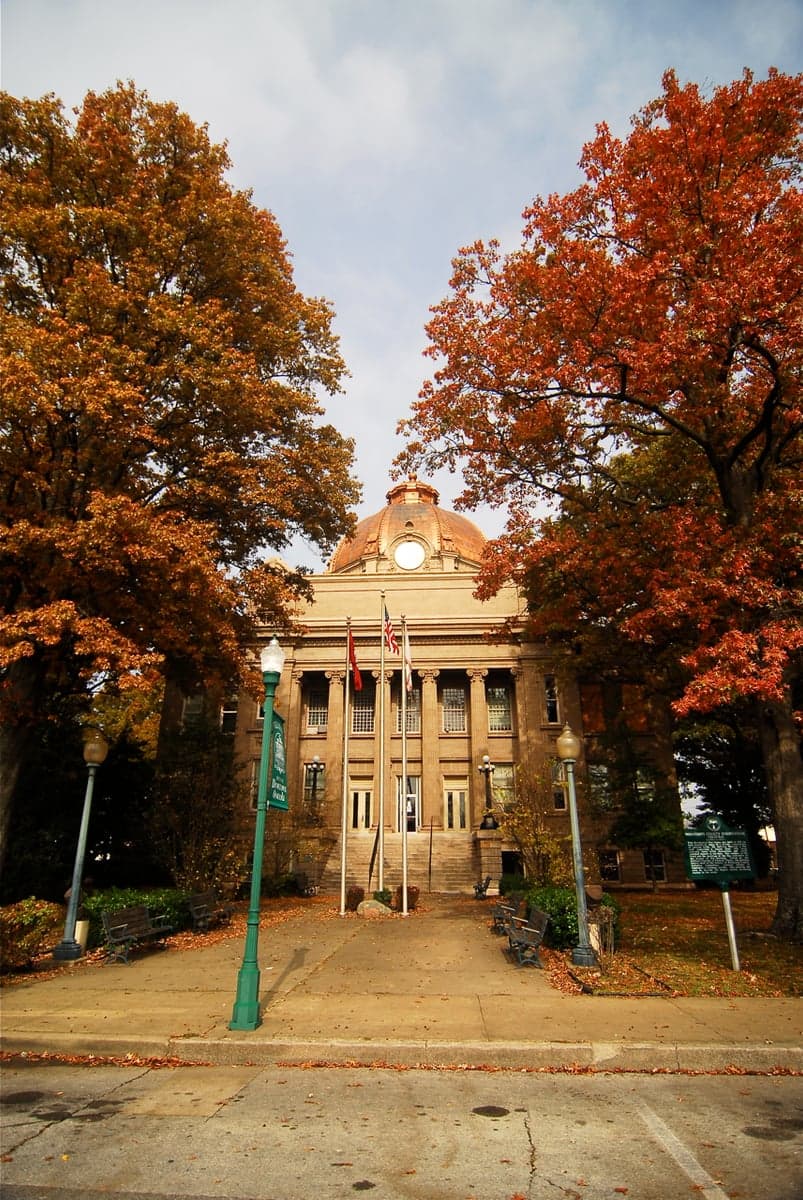
Photo: Wikipedia
Quality of Life in Mississippi County
A livable area that tracks near national norms for affordability, walkability, and neighborhood health.
What does Quality of Life tell us?
Quality of Life measures an area by evaluating factors like cost of living, nearby amenities, country club access, airport proximity, socioeconomic signals and neighborhood character. For large states, this is a general average — quality of life can vary dramatically between metro areas, suburbs, and rural communities within the same state.
What does this tell us?
Quality of Life measures an area by evaluating factors like cost of living, nearby amenities, country club access, airport proximity, socioeconomic signals and neighborhood character. For large states, this is a general average — quality of life can vary dramatically between metro areas, suburbs, and rural communities within the same state.
Cost of Living
42% below national average
157%
The Real Cost of Living in Mississippi County for 2026
| Tier | Individual | Family (4) |
|---|---|---|
| Survival | $13k | $24k |
| Comfortable | $23k | $34k |
| Luxury | $97k+ | $150k+ |
| Elite (Top 5%) | $130k+ | $201k+ |
Quality-of-Life Analysis
Mississippi County, Arkansas, offers a distinct quality-of-life spectrum that ranges from the Mississippi River-oriented commerce of its two largest towns to the quiet, deeply rural farmlands and unincorporated communities that define the rest of the county. With a cost of living index of 58—42 percent below the national average—the county primarily attracts people seeking affordable housing, slower-paced living, and employment in agriculture, manufacturing, or logistics. The character of daily life shifts noticeably between the county's population centers and its outlying pockets, creating a clear divide in amenities, housing stock, and community feel.
Largest town(s) & population centers
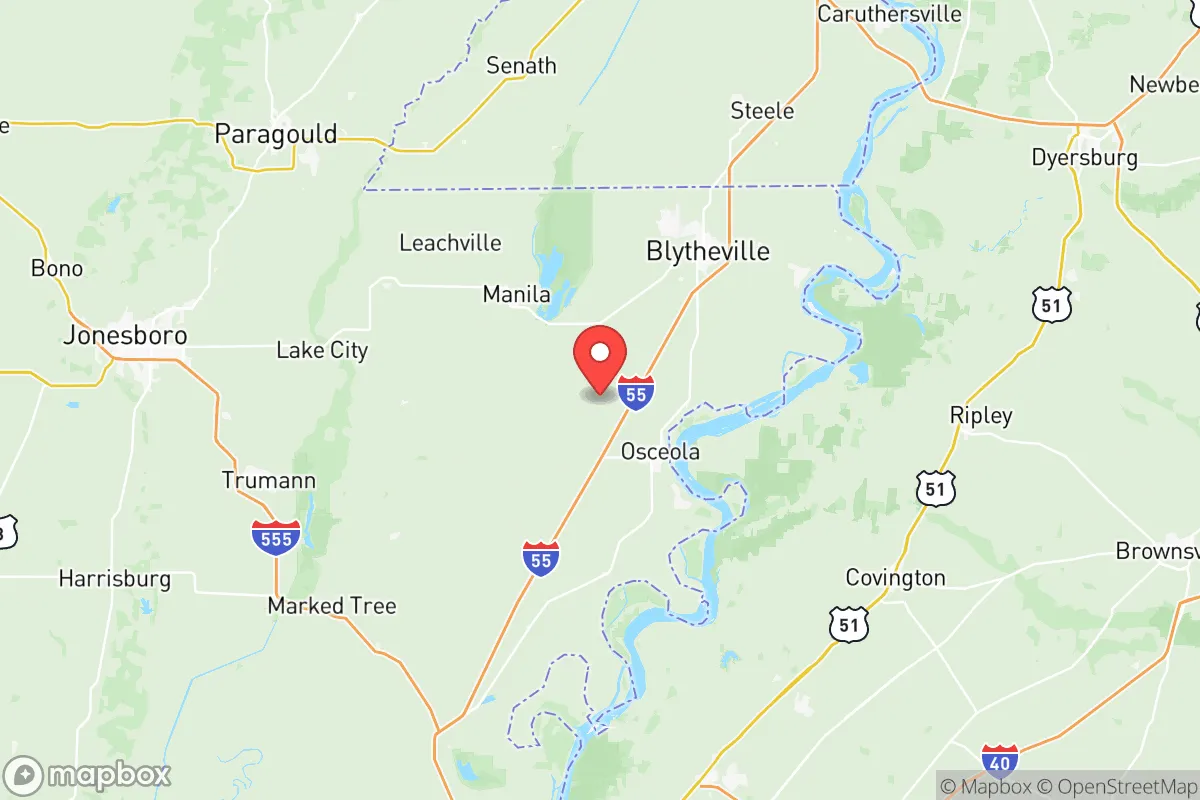
The county's two principal towns are Blytheville (population roughly 13,000) and Osceola (population roughly 6,500). Blytheville, the county seat, functions as the primary commercial and employment hub, anchored by the Big River Steel mill and the Arkansas Aeroplex industrial park. Daily life here includes access to a Walmart Supercenter, a regional hospital, and a handful of chain restaurants and local diners. Osceola, situated directly on the Mississippi River, has a more industrial character tied to river transport and steel production, with a smaller downtown core and fewer retail options. Both towns offer the basics—groceries, pharmacies, and schools—but residents often drive to Jonesboro (about 45 minutes south) or Memphis (about an hour east) for major shopping, entertainment, or specialized healthcare. The median home value in the county is $115,800, and median rent is $797, making homeownership attainable even on modest wages in these population centers.
Smaller towns & rural pockets
Outside the two main towns, Mississippi County is dotted with small communities that offer a more isolated, agrarian lifestyle. Luxora, a town of roughly 1,000 residents, sits along the river and provides little beyond a post office and a few local businesses. Keiser, Wilson, and Joiner are unincorporated or very small incorporated places where the economy revolves around row-crop farming—primarily cotton, soybeans, and rice. These areas have no grocery stores or gas stations in some cases, meaning residents must drive 15 to 25 minutes to Blytheville or Osceola for basic errands. The rural pockets also include the Dyess Colony area, historically significant as the boyhood home of Johnny Cash, which remains a sparsely populated farming community. Housing in these areas tends to be older, often consisting of single-family homes on large lots or mobile homes, with prices well below the county median.
Cost & lifestyle range
The cost-of-life spread across Mississippi County is narrow in absolute dollars but meaningful in terms of trade-offs. At the low end, rural areas like Joiner or Wilson offer home prices that can fall below $70,000 for a fixer-upper, and property taxes are among the lowest in the state. The trade-off is a near-total absence of amenities, dining, and employment within walking distance. At the higher end, Blytheville's newer subdivisions and the riverfront properties near Osceola can reach $180,000 to $220,000, still far below national averages. Renters in Blytheville pay a median of $797, while rural rentals can dip to $550–$650 for older units. The average commute across the county is just 19 minutes, reflecting the short distances between homes and the main employment sites, though rural residents often face longer drives to reach the same jobs. Utilities and groceries are slightly below national averages, while healthcare access is concentrated in Blytheville, requiring rural residents to plan trips for doctor visits.
The people who thrive in Mississippi County are those who prioritize affordability and space over urban convenience and cultural density. Families and retirees on fixed incomes find the low housing costs and short commutes appealing, while workers in steel, agriculture, and logistics benefit from the county's industrial base. Those who need frequent access to specialty retail, diverse dining, or robust public transit will find the county limiting. For anyone comfortable with a 45-minute drive to a regional hub and a quiet, weather-dependent rhythm of life, Mississippi County offers a cost structure that is increasingly rare in the United States.

Crime in Mississippi County
Crime rates similar to the national median for U.S. locations.
Violent CrimeViolent Crime Analysis
Property CrimeProperty Crime Analysis
Crime Analysis
Mississippi County, Arkansas, faces a public safety environment that is significantly more challenging than both the state and national averages, driven by concentrated crime in its two largest municipalities, Blytheville and Osceola. The county's violent crime rate stands at 523.1 incidents per 100,000 residents, and its property crime rate is 1,634.7 per 100,000. These figures place the county in a high-risk category, particularly for violent offenses, and reflect systemic issues tied to economic distress, drug trafficking along the Interstate 55 corridor, and, in some jurisdictions, the impact of progressive prosecutorial policies that prioritize diversion over incarceration.
Crime in context
Mississippi County's violent crime rate is roughly 50% higher than the national average (approximately 380 per 100K) and about 30% higher than the Arkansas state average. Property crime, while less extreme relative to national figures, still exceeds the statewide median. The disparity is most acute in Blytheville, the county seat and largest city, which consistently reports the highest volume of aggravated assaults and burglaries. Osceola, the second-largest city, also contributes disproportionately to the county's totals, driven by gang-related activity and property theft rings. In contrast, smaller communities such as Luxora, Manila, and Keiser report far fewer incidents, though their low populations mean that even a handful of violent events can skew their per-capita rates. The county's location along a major north-south interstate makes it a transit point for drugs and stolen goods, a pattern law enforcement has struggled to contain with limited resources.
What residents experience
For residents of Blytheville and Osceola, crime is not an abstract statistic but a daily concern that shapes where they shop, how they travel, and whether they feel safe at home. Violent crime in these cities is heavily concentrated in specific neighborhoods, particularly around public housing complexes and older commercial corridors. Aggravated assault accounts for the majority of violent incidents, often stemming from domestic disputes or drug-related arguments. Property crime, especially motor vehicle theft and burglary, is pervasive enough that many residents invest in security cameras and steering-wheel locks. The judicial environment adds another layer of frustration: the Second Judicial District, which covers Mississippi County, has seen a shift toward progressive prosecution policies in recent years. Critics argue that lenient plea deals and reduced sentencing for repeat offenders have eroded deterrence, leading to a revolving door for property criminals and low-level drug dealers. This approach, while intended to reduce incarceration rates, has left many victims feeling that the justice system prioritizes offender rehabilitation over public safety and accountability.
Neighborhood-level variation
Safety in Mississippi County varies dramatically by location. Blytheville's downtown and the area around Arkansas College experience the highest concentration of violent crime, while the city's outlying residential subdivisions are comparatively quieter. Osceola's crime is most acute near the industrial zones along the Mississippi River levee. For those seeking safer environments, the towns of Manila and Keiser offer markedly lower crime rates, though they lack the amenities and employment base of the larger cities. Luxora, despite its small size, has seen periodic spikes in drug-related arrests. Prospective residents should research specific neighborhoods and consider that the county's overall statistics are heavily weighted by the two urban centers; living in a smaller town or a rural area within the county can provide a substantially different, and safer, daily experience.
* Values derived from national, state, county, city and local statistics and may differ in a specific area. Last updated: 2026-06-23T15:07:02.000Z
Narrative content on this page is AI-generated and may contain mistakes. Verify any details that matter before acting on them.
ReloMaps may earn a commission from affiliate links at no extra cost to you.

