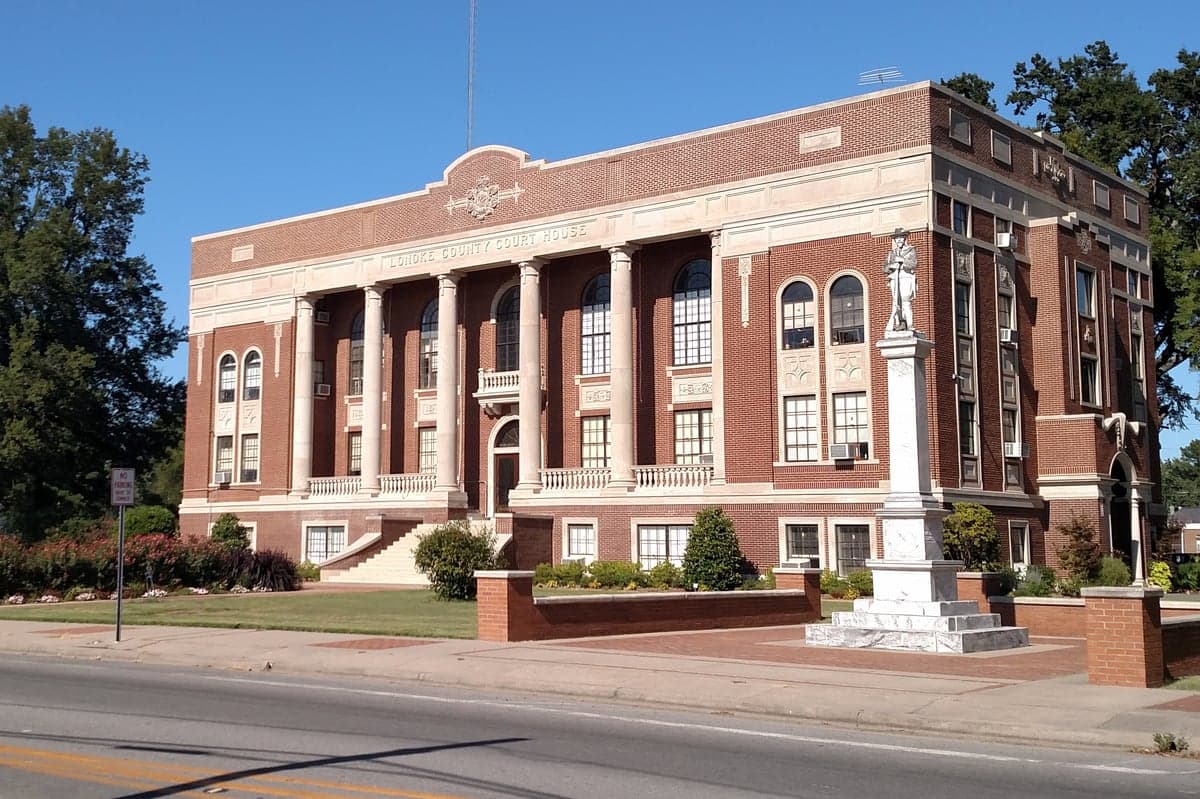
Photo: Wikipedia
Quality of Life in Lonoke County
A livable area that tracks near national norms for affordability, walkability, and neighborhood health.
What does Quality of Life tell us?
Quality of Life measures an area by evaluating factors like cost of living, nearby amenities, country club access, airport proximity, socioeconomic signals and neighborhood character. For large states, this is a general average — quality of life can vary dramatically between metro areas, suburbs, and rural communities within the same state.
What does this tell us?
Quality of Life measures an area by evaluating factors like cost of living, nearby amenities, country club access, airport proximity, socioeconomic signals and neighborhood character. For large states, this is a general average — quality of life can vary dramatically between metro areas, suburbs, and rural communities within the same state.
Cost of Living
24% below national average
136%
The Real Cost of Living in Lonoke County for 2026
| Tier | Individual | Family (4) |
|---|---|---|
| Survival | $15k | $29k |
| Comfortable | $36k | $53k |
| Luxury | $111k+ | $172k+ |
| Elite (Top 5%) | $131k+ | $202k+ |
Quality-of-Life Analysis
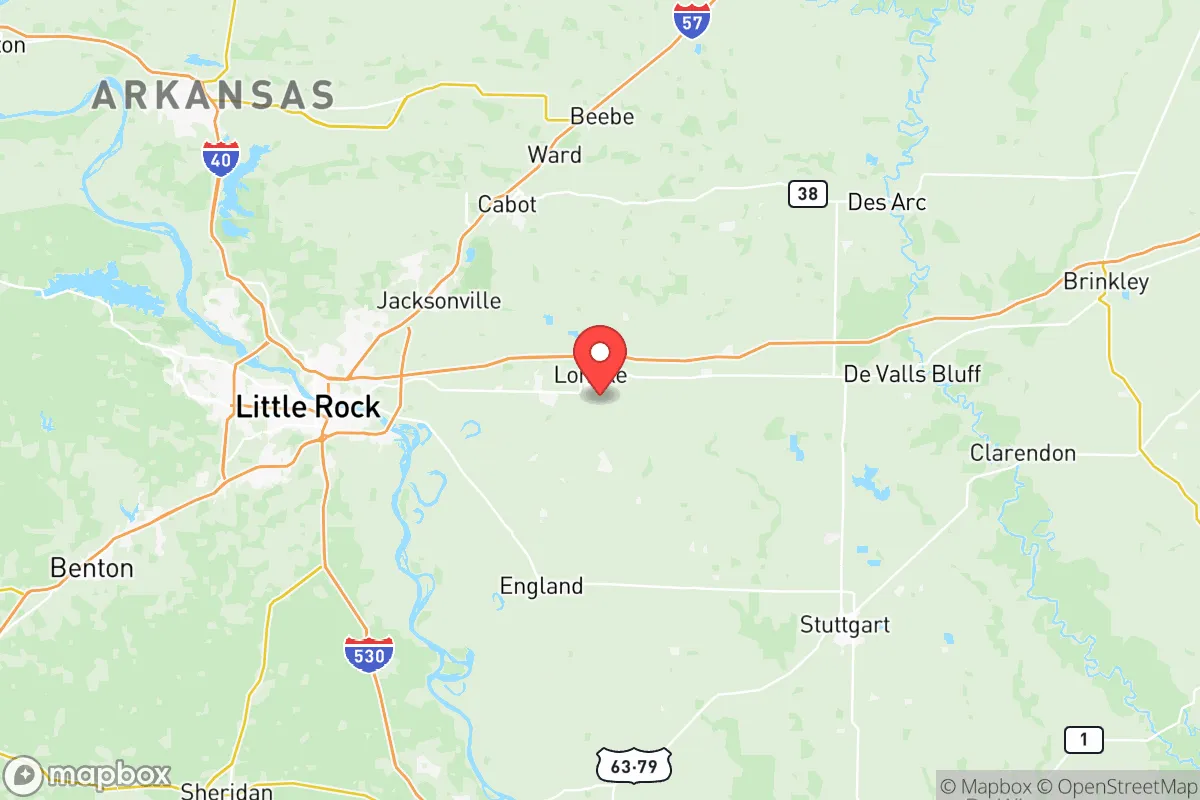
Lonoke County, Arkansas, offers a broad quality-of-life spectrum that ranges from the suburban convenience of its largest town, Cabot, to the quiet, agricultural rhythms of smaller communities like England and Carlisle, and finally to the open, sparsely populated rural stretches near the county line. This diversity attracts a mix of residents: commuters seeking proximity to Little Rock, families drawn to Cabot’s highly-rated school system, and those who prioritize land, privacy, and a slower pace in the county’s eastern and southern farmlands. With a cost of living index of 76—well below the national average of 100—the county provides significant financial breathing room, though the trade-offs in amenities and commute times vary sharply depending on where you choose to live.
Largest town(s) & population centers
Cabot, the county’s largest city with over 26,000 residents, is the primary population center and the hub of suburban life in Lonoke County. Daily life here revolves around the Cabot School District, consistently ranked among the top in central Arkansas, and a growing retail corridor along Highway 67/167 that includes big-box stores, chain restaurants, and medical facilities. The average commute of roughly 29 minutes reflects the town’s role as a bedroom community for Little Rock, located about 20 miles south. Lonoke, the county seat, is a smaller town of roughly 4,000 residents that offers a more traditional small-town feel, with a historic downtown square, the county courthouse, and a slower pace. While Cabot provides the most amenities—including a public library, multiple parks, and a YMCA—Lonoke serves as a practical center for government services and local commerce, with a median home value of $184,100 making homeownership attainable for many.
Smaller towns & rural pockets
Beyond the main population centers, Lonoke County contains several distinct smaller communities. England (population ~2,800) sits along the Union Pacific railroad line and retains a strong agricultural identity, with grain elevators and cotton fields visible from the main highway. Carlisle (population ~2,200) is another farming community that offers a quiet, self-contained lifestyle with a small grocery store, a few local eateries, and a K-12 school system. Ward (population ~5,000) has grown as a lower-cost alternative to Cabot, with newer subdivisions and a more rural feel, though it lacks the same retail density. Unincorporated areas like Furlow and Preston are essentially crossroads with scattered homes and farmland, where residents often rely on wells and septic systems. These rural pockets offer the lowest housing costs in the county, with some properties available well under the county median, but they also mean longer drives—often exceeding 30 minutes—to reach grocery stores, healthcare, or employment centers.
Cost & lifestyle range
The cost of living in Lonoke County varies noticeably across its geography. At the higher end, Cabot’s newer subdivisions and proximity to Little Rock push home values above the county median, with some homes in the $250,000–$350,000 range, while median rent sits at $961—affordable by national standards but the highest in the county. At the lower end, rural areas near Hickory Plains or Biscoe offer homes for under $100,000 and land for under $5,000 per acre, though residents face limited access to utilities, internet, and emergency services. The lifestyle range is equally broad: Cabot offers organized youth sports, a community theater, and multiple church congregations, while smaller towns like England and Carlisle center their social life around school events, local festivals (such as Carlisle’s annual Rice Festival), and hunting or fishing on nearby farm ponds. The average commute of 29 minutes masks a wide spread—Cabot residents may drive 20 minutes to Little Rock, while those in eastern Lonoke County near the Prairie County line can face 45-minute drives to the nearest Walmart or hospital.
Lonoke County is best suited for those who value affordability and space over urban density, and who are willing to trade some convenience for lower housing costs. Families with school-age children typically gravitate toward Cabot or Ward for the academic reputation and extracurricular options, while retirees and remote workers often choose the quieter, cheaper rural pockets for the land and privacy. The county’s mix of suburban, small-town, and agricultural living means that almost any budget or lifestyle preference can find a fit—provided the longer commutes and limited public transit are acceptable trade-offs.

Crime in Lonoke County
Crime rates similar to the national median for U.S. locations.
Violent CrimeViolent Crime Analysis
Property CrimeProperty Crime Analysis
Crime Analysis
Lonoke County, Arkansas, reports a violent crime rate of 523.1 per 100,000 residents and a property crime rate of 1,634.7 per 100,000, placing it above both the state and national averages for violent offenses. This central Arkansas county, which includes the cities of Lonoke, Cabot, and England, presents a mixed safety picture where suburban communities like Cabot generally experience lower crime than the county's more rural or less affluent areas. The county's proximity to Little Rock, a major metro area with its own significant crime challenges, influences regional crime patterns and law enforcement dynamics.
Crime in context
Lonoke County's violent crime rate of 523.1 per 100,000 is substantially higher than the national average of roughly 380 per 100,000 and the Arkansas state average of approximately 540 per 100,000. Property crime, at 1,634.7 per 100,000, is slightly above the national average of about 1,954 per 100,000 but below the Arkansas state average of roughly 2,800 per 100,000. The county's violent crime rate is driven largely by aggravated assault, which accounts for the majority of violent incidents, while robbery and homicide rates remain lower than in nearby Pulaski County (Little Rock). The 23rd Judicial District, which covers Lonoke County, has seen a mix of prosecutorial approaches; however, the broader trend in Arkansas has been toward more conservative sentencing, which may help mitigate some crime pressures compared to more progressive jurisdictions.
What residents experience
Residents in Lonoke County report property crime—particularly theft and vehicle break-ins—as the most common safety concern, especially in unincorporated areas and smaller towns like Austin and Ward. Violent crime is more concentrated in the county seat of Lonoke and in parts of England, where socioeconomic challenges and proximity to Interstate 40 contribute to higher incident rates. Cabot, the county's largest city with over 26,000 residents, maintains a notably lower crime profile, with violent crime rates roughly half the county average, thanks to a well-funded police department and active neighborhood watch programs. The presence of progressive judicial philosophies in nearby Little Rock's 6th Judicial District has been linked to higher recidivism and softer sentencing for violent offenders, a concern for Lonoke County residents who commute or travel into the metro area for work or entertainment. Property crime trends since 2020 have shown a slight increase in thefts from vehicles and outbuildings, correlating with economic pressures and population growth in the county's bedroom communities.
Neighborhood-level variation
Safety within Lonoke County varies significantly by location. Cabot is widely considered the safest city, with violent crime rates around 250 per 100,000 and property crime rates near 1,200 per 100,000. Lonoke city itself reports higher violent crime, approximately 700 per 100,000, driven by domestic disputes and drug-related assaults. England and Ward fall in between, with property crime rates closer to the county average but lower violent crime. Rural areas along Highway 89 and near the Cache River National Wildlife Refuge experience very low crime, though response times from the Lonoke County Sheriff's Office can exceed 20 minutes. Residents in unincorporated areas should consider proximity to a sheriff's substation when choosing a home. The county's district attorney, elected in 2022, has emphasized a tough-on-crime stance, which may improve safety outcomes over the next several years, particularly for property crime cases that previously received lenient plea deals.
* Values derived from national, state, county, city and local statistics and may differ in a specific area. Last updated: 2026-06-15T22:00:17.000Z
Narrative content on this page is AI-generated and may contain mistakes. Verify any details that matter before acting on them.
ReloMaps may earn a commission from affiliate links at no extra cost to you.

