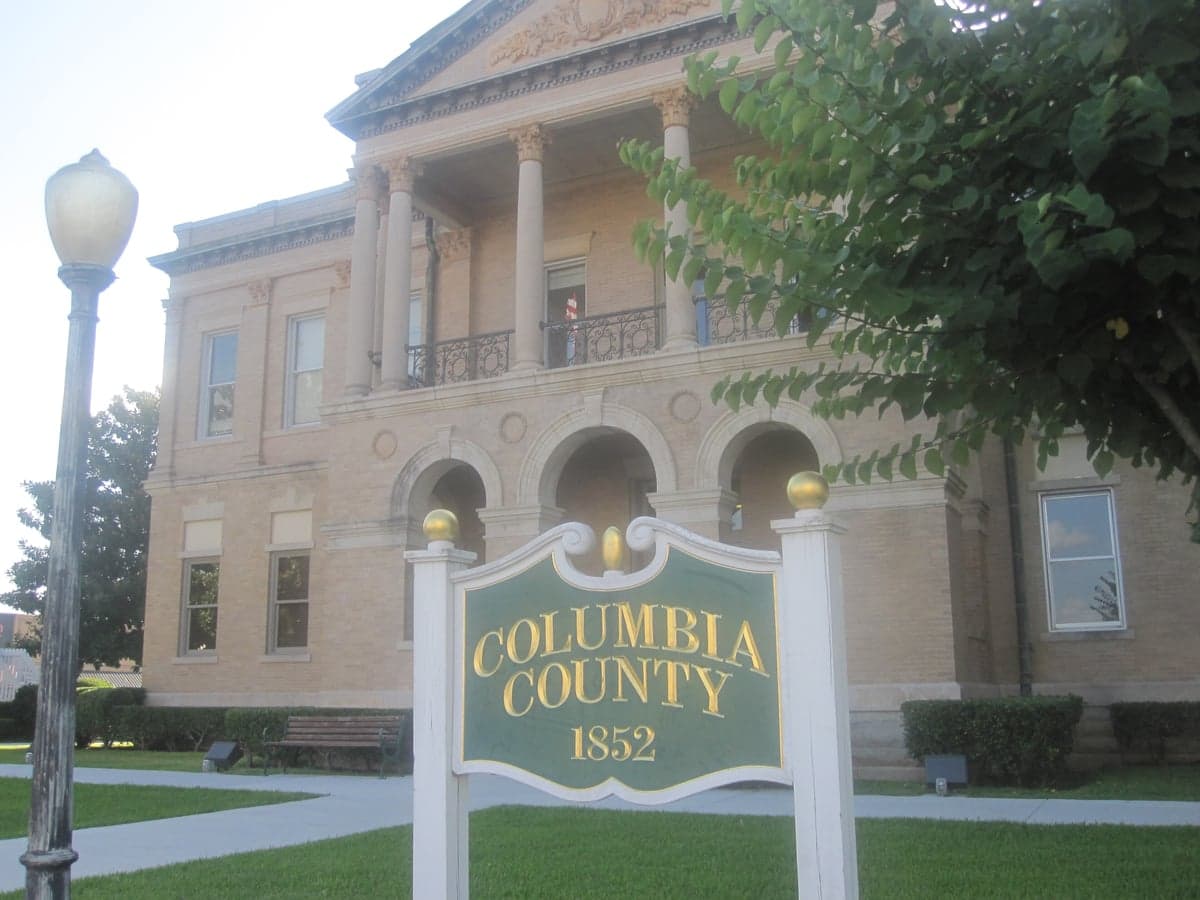
Photo: Wikipedia
Personal Sovereignty in Columbia County
Viable for self-reliance. Generally workable, though some barriers may limit total independence.
What does Personal Sovereignty tell us?
Personal Sovereignty measures your capacity for self-reliance and independence with minimal government friction. Higher scores mean fewer barriers between you and the way you want to live... but it assumes you have the space you need and good neighbors.
What does this tell us?
Personal Sovereignty measures your capacity for self-reliance and independence with minimal government friction. Higher scores mean fewer barriers between you and the way you want to live... but it assumes you have the space you need and good neighbors.
State Policy
Energy independence: Importer (35% of energy produced in-state)
Personal Liberty
Homesteading

Personal Liberty Analysis
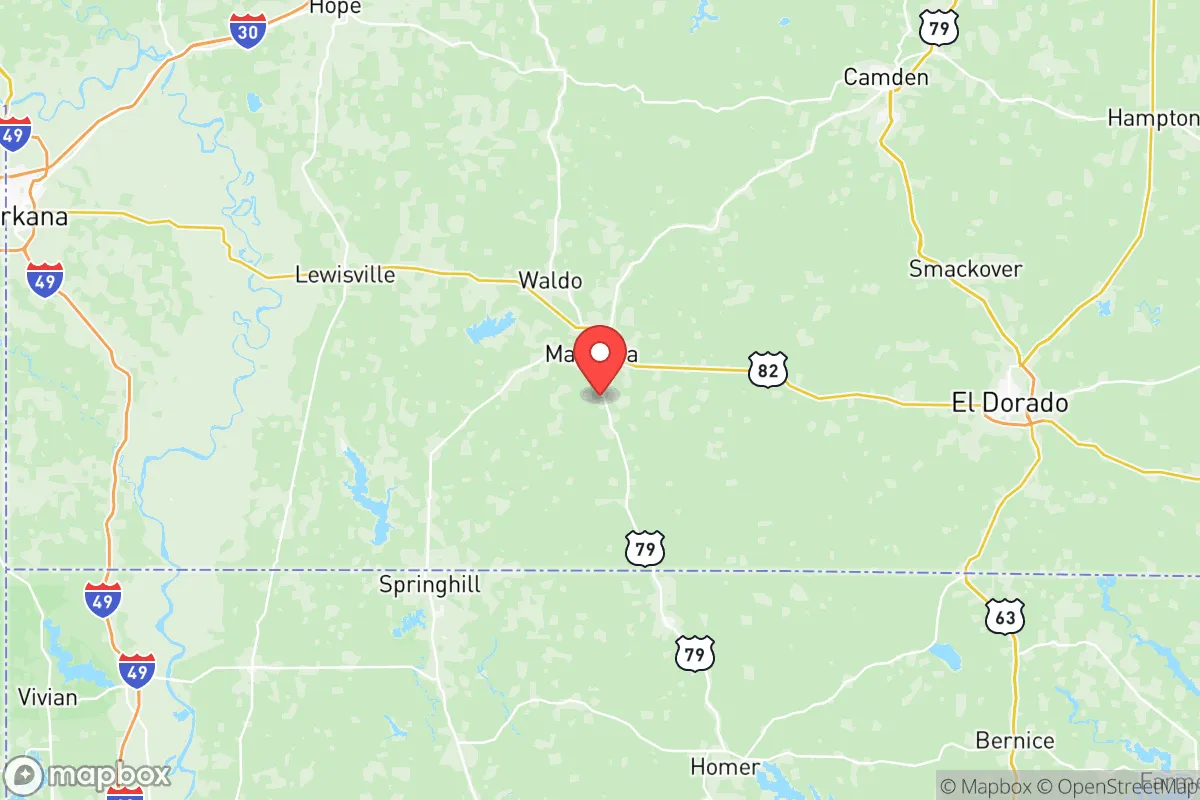
Columbia County, Arkansas, offers a notably high degree of personal sovereignty, characterized by a light regulatory touch, strong gun rights, and a culture that values self-reliance. This rural corner of southern Arkansas, anchored by the county seat of Magnolia, provides an environment where individual autonomy is broadly respected, particularly for those seeking to minimize interaction with government bureaucracy. The county's political and cultural posture leans conservative, with local governance generally favoring limited interference in personal and economic matters, making it a distinct option for relocation compared to more heavily regulated urban centers in the state or region.
Tax burden and regulatory posture: How Columbia County compares to state averages
Arkansas maintains a relatively low overall tax burden, and Columbia County residents benefit from this state-level posture. There is no local income tax, and the state income tax is a flat 4.4% as of 2026, with a standard deduction that reduces effective rates for most households. Property taxes in Columbia County are among the lowest in the state, with a millage rate that typically results in annual bills well below the national average—a significant advantage for homeowners in Magnolia, Waldo, and the unincorporated areas like Village and Emerson. The county's regulatory environment is similarly light; there are no county-wide zoning ordinances in the unincorporated areas, meaning property owners in places like Taylor and McNeil face minimal bureaucratic hurdles for building, fencing, or running a home-based business. Business licensing requirements are straightforward, and the county's economic development focus, particularly around the Magnolia Industrial Park, emphasizes reducing red tape for small enterprises. This combination of low taxes and minimal local regulation creates a fiscal environment where individuals retain a larger share of their earnings and face fewer government-imposed constraints on property use.
Self-defense and gun law specifics: Stand-your-ground and permitless carry in Columbia County
Arkansas is a permitless carry state, and Columbia County fully reflects this legal framework. Any law-abiding adult 18 or older may carry a concealed handgun without a license, a right that is widely exercised and culturally accepted across the county. The state's "stand your ground" law, codified in Arkansas Code § 5-2-626, removes any duty to retreat before using deadly force in self-defense, and local law enforcement in Magnolia and the surrounding communities generally interpret this statute in a manner supportive of the gun owner. There are no county-specific firearm ordinances that exceed state law, meaning restrictions are minimal. The sheriff's office in Columbia County is known for issuing concealed carry licenses (for reciprocity purposes) efficiently, and gun ownership is a common, unremarkable aspect of daily life. For those prioritizing the right to self-defense, the legal and cultural environment in Columbia County is among the most permissive in the nation, with no waiting periods, no magazine capacity limits, and no requirement to register firearms.
Self-reliance and homesteading viability: Lot sizes, zoning, and off-grid feasibility in Columbia County
Columbia County presents strong opportunities for homesteading and off-grid living, particularly outside the city limits of Magnolia. In unincorporated areas, there are no county-wide zoning laws, which allows for a wide range of self-sufficient practices: keeping livestock, growing substantial gardens, and constructing outbuildings without permits. Minimum lot sizes in the rural parts of the county are typically one to five acres, though parcels of ten to forty acres are common and affordable, especially near the towns of Taylor, McNeil, and Emerson. Off-grid feasibility is high; while the county does enforce standard septic system regulations through the Arkansas Department of Health, there are no prohibitions on solar panels, rainwater collection, or alternative energy systems. The cost of land is significantly lower than the national median, with raw acreage often available for under $3,000 per acre. For those seeking to build a self-reliant lifestyle, the combination of cheap land, lax regulation, and a supportive local culture—where neighbors in places like Waldo and Village routinely engage in farming, hunting, and home food production—makes Columbia County a practical choice. The main limitation is the need to comply with state-level well and septic rules, but these are straightforward and not onerous for most homesteaders.
Personal liberties: Parental rights, medical autonomy, speech, and property rights in Columbia County
Personal liberties in Columbia County are broadly protected under Arkansas state law, with local governance adding an additional layer of deference to individual choice. Parental rights are strongly upheld; Arkansas law (Act 372 of 2021) explicitly affirms that parents have the fundamental right to direct the upbringing, education, and healthcare of their children, and this principle is reflected in the policies of the Magnolia School District and the county's private and homeschool communities. Medical autonomy is similarly respected, with no county-level vaccine mandates or public health orders that override individual consent. Free speech and religious expression are robustly protected, and the county's public forums—from local government meetings in Magnolia to community events in smaller towns—reflect a culture where open debate and diverse viewpoints are tolerated, provided they stay within the bounds of civil discourse. Property rights are a cornerstone of the local legal culture; the county assessor's office and planning department (which only has jurisdiction within Magnolia city limits) are known for a hands-off approach, and eminent domain actions are rare and contested. For the relocation reader, this means a high degree of control over one's personal and family life, with minimal government intrusion into decisions about health, education, and property use.
Overall, Columbia County ranks among the more sovereignty-friendly areas in Arkansas, offering a regulatory and cultural environment that prioritizes individual autonomy over collective mandates. Compared to more populous and politically mixed regions of the state—such as Pulaski County (Little Rock) or Washington County (Fayetteville)—Columbia County's lighter touch on taxation, zoning, and personal conduct creates a distinct advantage for those who value self-reliance. The county's combination of low taxes, permissive gun laws, homesteading viability, and strong personal liberties makes it a compelling destination for conservative-leaning individuals and families seeking to maximize their personal freedom within a supportive community framework.

* Values derived from national, state, county, city and local statistics and may differ in a specific area. Last updated: 2026-06-23T12:51:58.000Z
Narrative content on this page is AI-generated and may contain mistakes. Verify any details that matter before acting on them.
ReloMaps may earn a commission from affiliate links at no extra cost to you.

