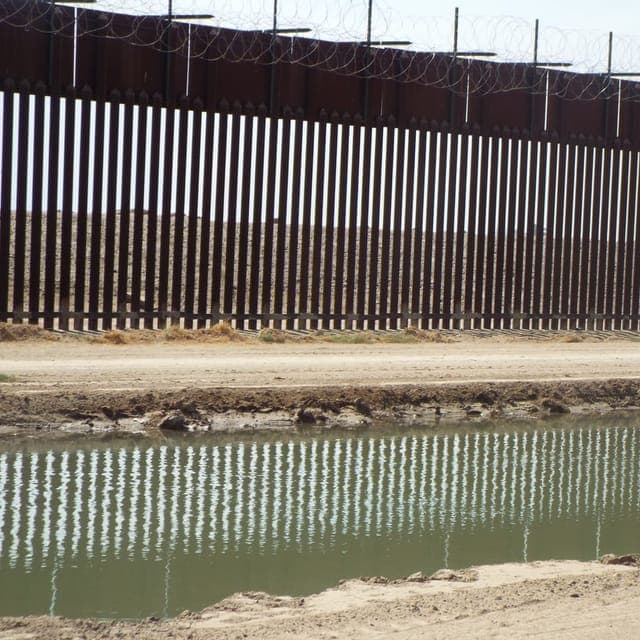
Photo: Wikipedia
Political ClimatePolitical Climate in Arizona
Political Environment in the State
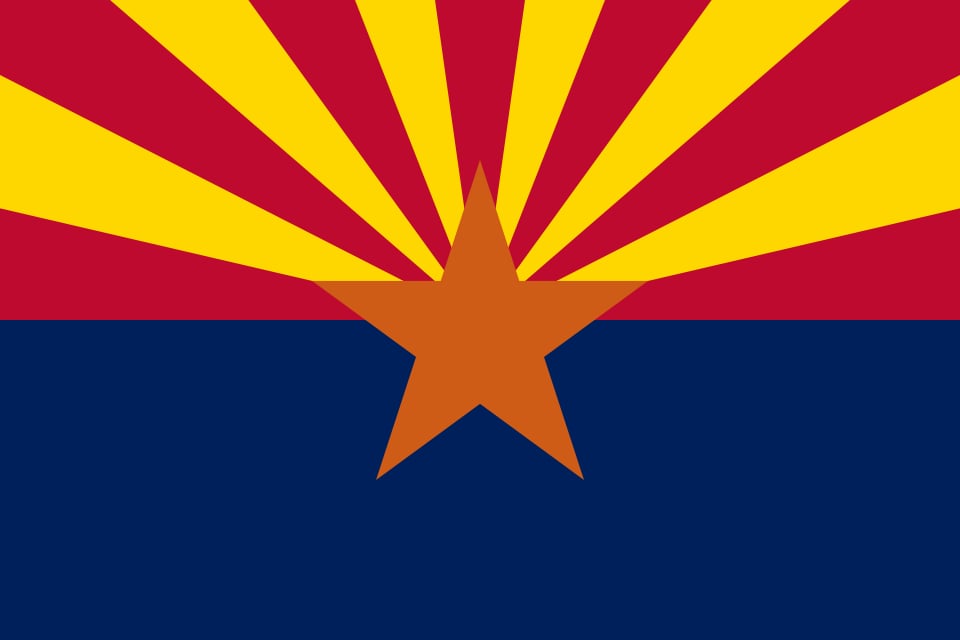
Arizona is a political battleground state with a Cook PVI of EVEN, meaning it is perfectly balanced between the two major parties. Over the past 20 years, the state has shifted from a reliably Republican stronghold to a true swing state, driven by explosive growth in Maricopa County and an influx of voters from bluer states. The dominant coalitions are a mix of conservative retirees, libertarian-leaning independents, and a growing progressive base centered in Phoenix and Tucson, creating a volatile and often unpredictable political environment.
Urban vs. rural divide
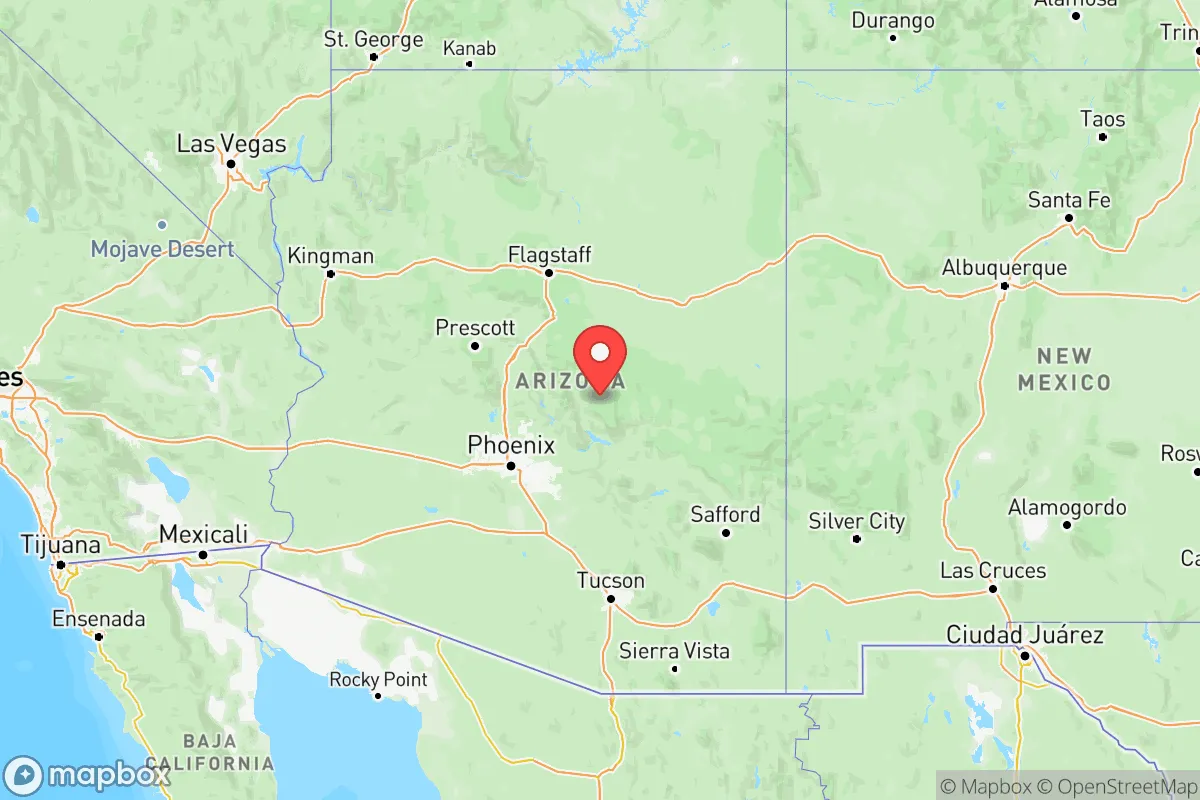
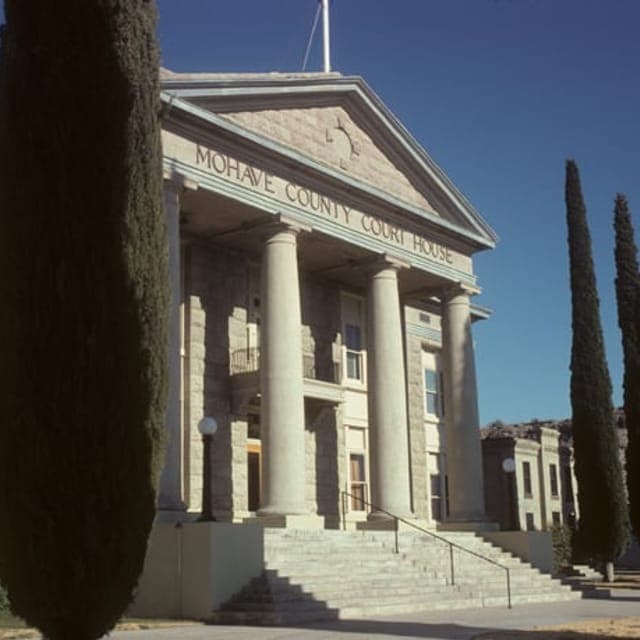
The political map of Arizona is starkly divided between its booming urban centers and its vast, sparsely populated rural counties. Maricopa County, home to Phoenix, Mesa, Chandler, and Scottsdale, is the state's electoral epicenter, containing roughly 60% of the state's population. While the county as a whole has trended blue in recent cycles, it is far from monolithic. The city of Phoenix itself leans Democratic, but suburbs like Gilbert and Queen Creek remain reliably conservative, while Scottsdale and Paradise Valley are more moderate. Pima County, anchored by Tucson, is a Democratic stronghold, with the city's university and government sectors driving progressive turnout. In contrast, the rest of the state—places like Yavapai County (Prescott), Mohave County (Lake Havasu City), and Cochise County (Sierra Vista)—vote overwhelmingly Republican. These rural and exurban areas are deeply skeptical of Phoenix's influence and often feel ignored by state government, fueling a persistent urban-rural tension that defines Arizona politics.
Policy environment
Arizona's policy environment is a mixed bag for conservatives. On the plus side, the state has a flat income tax rate of 2.5%, enacted in 2023, which is among the lowest in the nation. There is no state estate tax, and property taxes are relatively low. The regulatory posture is generally business-friendly, with a right-to-work law and minimal red tape for small businesses. However, education policy is a flashpoint. The state has expanded school choice significantly, including the Empowerment Scholarship Account (ESA) program, which allows parents to use public funds for private or homeschool expenses. This is a major win for parental rights. On the downside, election laws have been a constant source of controversy. While the state passed voter ID requirements and tightened ballot harvesting rules in recent years, it also expanded mail-in voting to all active voters, a system many conservatives view as vulnerable to fraud. Healthcare policy is largely market-driven, but the state did expand Medicaid under the Affordable Care Act, a decision that still rankles many fiscal conservatives.
Trajectory & freedom
The trajectory of freedom in Arizona is a tug-of-war. On the positive side, gun rights are robust: Arizona is a constitutional carry state, meaning no permit is needed to carry a concealed firearm, and there are no state-level magazine capacity bans or "red flag" laws. The Second Amendment is broadly protected. Property rights are also strong, with no state-level rent control and relatively few zoning restrictions outside of Phoenix and Tucson. However, there are concerning trends. The 2022 "Clean Elections" Act and related campaign finance laws have empowered progressive dark money groups. More troubling for conservatives, the state has seen a push for medical autonomy restrictions, including a 2024 ballot measure that would enshrine a "right to abortion" in the state constitution, which passed. This is a clear expansion of government overreach into life issues. Additionally, parental rights in education have been under assault, with school boards in Maricopa County pushing critical race theory and gender ideology curricula, though the state legislature has fought back with laws requiring parental notification and banning certain divisive concepts.
Civil unrest & political movements
Arizona has been a hotbed of political activism and occasional unrest. The 2020 election integrity controversy was centered here, with the Maricopa County ballot audit (the "Cyber Ninjas" audit) drawing national attention and sparking massive protests from both sides. Immigration politics are a constant flashpoint, with Yuma and Cochise counties being ground zero for border crossings. The state has passed tough laws like SB 1070 (the "show me your papers" law) and more recently HB 2828, which makes it a state crime for non-citizens to enter Arizona outside a port of entry. Sanctuary city policies have been rejected statewide, though Tucson and Phoenix have declared themselves "welcoming cities", creating friction with state law. Organized activist movements are strong on both sides: Moms for Liberty and Arizona Free Enterprise Club are powerful on the right, while LUCHA (Living United for Change in Arizona) and Indivisible drive progressive street protests. A new resident will notice the constant political tension, especially in Phoenix, where yard signs and bumper stickers are a form of tribal identification.
Projection
Looking 5-10 years out, Arizona is likely to become more competitive and possibly lean Democratic if current trends hold. The state is growing rapidly, with most new residents coming from California and other blue states. These transplants tend to bring their voting habits with them, pushing Maricopa County further left. The Hispanic population, which is growing fast, leans Democratic, though not overwhelmingly so. However, there are countervailing forces: rural counties are becoming more conservative as they feel threatened by Phoenix's dominance, and the state's libertarian streak may resist further progressive overreach. The 2024 election results will be a key indicator—if Republicans can hold the state, it may signal a stabilization. If Democrats win again, expect a full blue shift. For a conservative moving in now, the next decade will likely bring more political fights over education, border security, and election integrity. The state will not become California overnight, but the trajectory is concerning for those who value limited government and personal freedom.
Bottom line for a new resident: Arizona offers low taxes, strong gun rights, and a business-friendly environment, but it is a political battleground where every election matters. If you move here, expect to be active in local politics—school boards, city councils, and county commissions are where the real fights happen. The state's freedom is not guaranteed; it must be defended. Choose your community wisely: Gilbert, Queen Creek, or Prescott will feel more like a conservative haven, while Phoenix and Tucson will be more progressive. The next five years will determine whether Arizona remains a land of opportunity or slides into the same overreach that plagues the West Coast.

Most Conservative Cities in Arizona
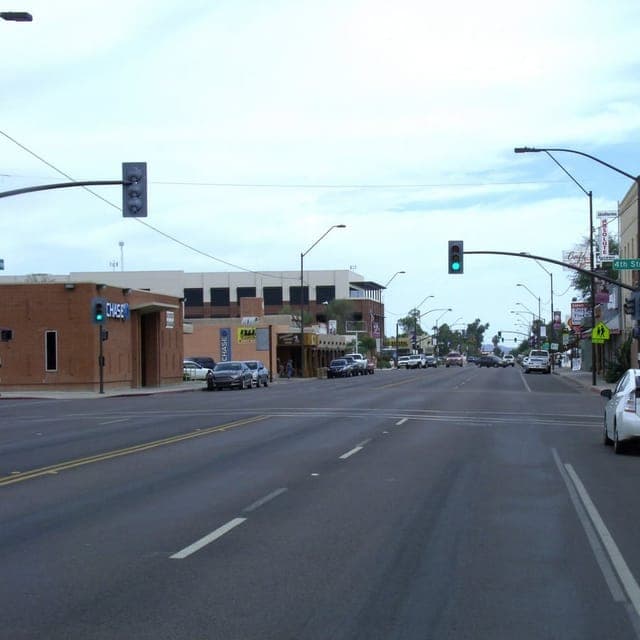
Most Liberal Cities in Arizona

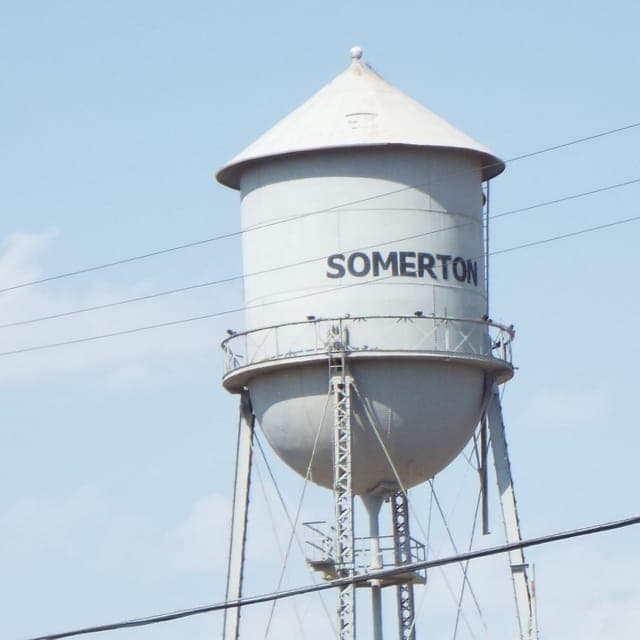

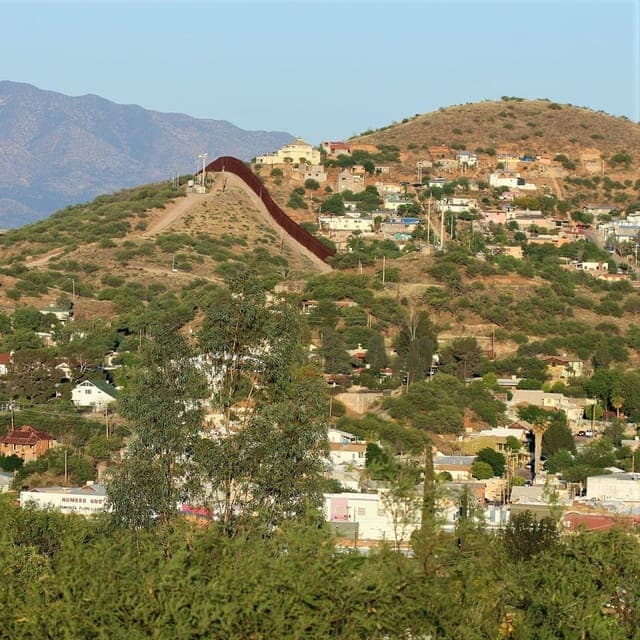
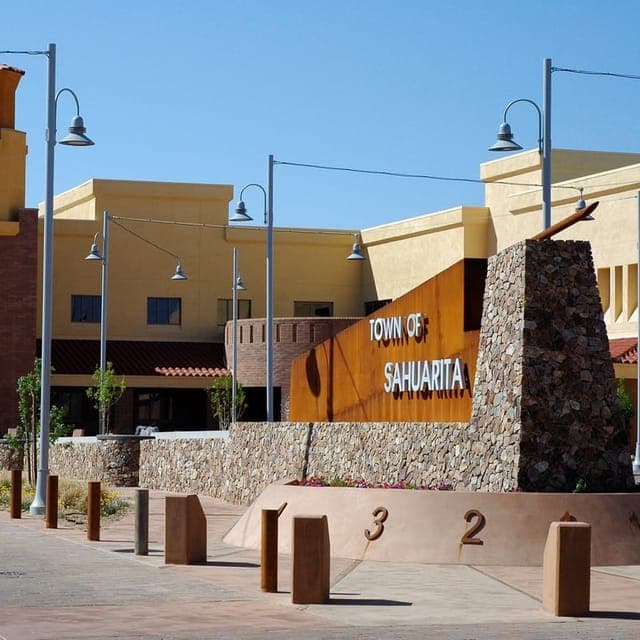
* Values derived from national, state, county, city and local statistics and may differ in a specific area. Last updated: 2026-04-16T00:42:46.000Z
Narrative content on this page is AI-generated and may contain mistakes. Verify any details that matter before acting on them.
ReloMaps may earn a commission from affiliate links at no extra cost to you.

