Photo: Wikipedia
Personal Sovereignty in Arizona
Viable for self-reliance. Generally workable, though some barriers may limit total independence.
What does Personal Sovereignty tell us?
Personal Sovereignty measures your capacity for self-reliance and independence with minimal government friction. Higher scores mean fewer barriers between you and the way you want to live... but it assumes you have the space you need and good neighbors.
What does this tell us?
Personal Sovereignty measures your capacity for self-reliance and independence with minimal government friction. Higher scores mean fewer barriers between you and the way you want to live... but it assumes you have the space you need and good neighbors.
State Policy
Energy independence: Importer (20% of energy produced in-state)
Personal Liberty
Homesteading

Personal Liberty Analysis
Arizona offers one of the strongest personal sovereignty environments in the American Southwest, driven by a state-level constitutional commitment to individual liberty, a low-tax posture, and a deep cultural tradition of self-reliance. Unlike coastal states where regulatory overreach has tightened around daily life, Arizona’s legal framework generally presumes freedom first—whether that means carrying a firearm without a permit, choosing medical treatments without government gatekeeping, or building a self-sufficient homestead on rural land. The state’s political leadership has consistently pushed back against federal mandates, from pandemic-era restrictions to environmental land-use rules, making it a strategic relocation target for those who view personal autonomy as non-negotiable. However, sovereignty is not uniform across Arizona’s vast geography; the difference between living in Maricopa County’s sprawling suburbs and a remote patch of Cochise County can be the difference between HOA covenants and true off-grid independence.
Tax burden and regulatory posture: how Arizona compares to high-control states
Arizona’s tax structure is a deliberate counterweight to the fiscal aggression seen in states like California or New York. The state levies a flat income tax rate of 2.5% as of 2025, down from a progressive system that once topped 4.5%, and there is no state-level estate or inheritance tax. Property taxes are among the lowest in the nation, with an effective rate around 0.62% of home value—roughly half the national average. For a family or individual seeking to keep more of what they earn, this matters directly. Regulatory posture is equally restrained: Arizona is a right-to-work state, meaning no one can be forced to join a union as a condition of employment, and occupational licensing requirements have been systematically pruned. The state’s Regulatory Sandbox Program allows entrepreneurs to test innovative products and services without full licensing burdens, a rare nod to economic freedom. That said, local jurisdictions vary: Tucson and Flagstaff have enacted more restrictive zoning and business ordinances than Phoenix or Prescott, so the specific city or county matters. For those fleeing high-tax, high-regulation environments, Arizona’s state-level posture is a clear draw, but the devil is in the municipal details.
Self-defense and gun law specifics: permitless carry and castle doctrine
Arizona is a constitutional carry state—no permit is required to carry a concealed firearm for anyone legally allowed to possess one. This has been law since 2010, and the state has not wavered. There is no state-level firearm registry, no waiting periods for purchase, and no requirement to register a firearm with any government agency. The Castle Doctrine is codified in statute, with no duty to retreat in any place where a person has a legal right to be. Stand Your Ground protections apply broadly, including in vehicles and public spaces. For the survivalist or prepper, this means the legal framework supports armed self-defense without bureaucratic friction. However, local nuances exist: Flagstaff has attempted to pass local ordinances restricting firearms on city property, though state preemption laws generally override such efforts. Tucson has a more mixed political climate, but enforcement of gun laws remains light. Kingman and Lake Havasu City in Mohave County are among the most gun-friendly municipalities, with strong sheriff’s offices that publicly oppose federal overreach. For anyone prioritizing the right to keep and bear arms as a core sovereignty issue, Arizona is a top-tier destination, but choosing a county with a pro-Second Amendment sheriff—like Mohave, Yavapai, or Cochise—adds an extra layer of practical security.
Self-reliance and homesteading viability: lot sizes, zoning, and off-grid feasibility
For those serious about self-reliance—growing food, harvesting water, generating power—Arizona offers stark contrasts. In Cochise County, near the towns of Benson and Willcox, rural zoning allows for multi-acre parcels with minimal building codes. Off-grid solar is standard, rainwater catchment is legal and encouraged, and many properties have no HOA oversight. La Paz County, around Parker and Quartzsite, is even more permissive: no building permits are required for structures under 200 square feet in unincorporated areas, and livestock keeping is unrestricted. By contrast, Maricopa County—home to Phoenix and its suburbs—has strict zoning that often requires minimum lot sizes of one acre or more for livestock, and HOAs in subdivisions like Gilbert or Chandler can ban chickens, gardens, or solar panels. Yavapai County, around Prescott and Cottonwood, offers a middle ground: rural parcels are available, but county health department rules on septic systems and wells can be more involved. For the homesteader, the key is to target counties with limited planning departments and a culture of non-interference. Apache County in the northeast offers vast, cheap land but limited water access; Greenlee County is similarly remote. The viability of off-grid living in Arizona is high, but only if you choose the right jurisdiction—and that means avoiding the urbanized corridors where zoning mimics California’s worst impulses.
Personal liberties: parental rights, medical autonomy, speech, and property
Arizona has been a battleground for parental rights, and the trend is favorable for those who believe parents should control their children’s education and medical decisions. The state passed a Parental Bill of Rights in 2022, codifying that parents have the fundamental right to direct their child’s upbringing, education, and healthcare. School boards are required to notify parents of any medical services offered on campus, and there is no state-level mandate for vaccine passports or forced medical procedures. Medical autonomy extends to adults as well: Arizona does not have a state-level vaccine mandate for employment, and the Natural Therapeutics Act protects access to alternative treatments, including certain herbal and holistic practices. Free speech protections are robust, with no state-level hate speech laws that could chill political or religious expression. Property rights are secured by the Private Property Rights Protection Act, which requires government to compensate landowners for any regulatory taking that reduces property value by more than 20%. This is a powerful tool against overzealous zoning or environmental restrictions. Still, local governments can be aggressive: Tucson’s rental registration ordinance and Flagstaff’s short-term rental caps show that municipal overreach is real. For the liberty-minded, the state-level framework is strong, but vigilance at the city council level is required.
Overall, Arizona ranks among the top states for personal sovereignty in the western United States, behind only Alaska and perhaps Idaho in terms of raw freedom. The state’s combination of low taxes, constitutional carry, strong property rights, and parental control creates a legal environment where self-reliant individuals can operate with minimal government friction. The key strategic insight for relocation is to choose your county and city carefully: Mohave, Yavapai, Cochise, and La Paz counties offer the highest degree of autonomy, while Maricopa and Pima counties—especially their urban cores—introduce the same regulatory creep that drives people out of blue states. For the prepper or survivalist, Arizona’s arid climate and water scarcity are real challenges, but the legal and cultural commitment to personal sovereignty makes it a viable redoubt in an increasingly over-governed nation.

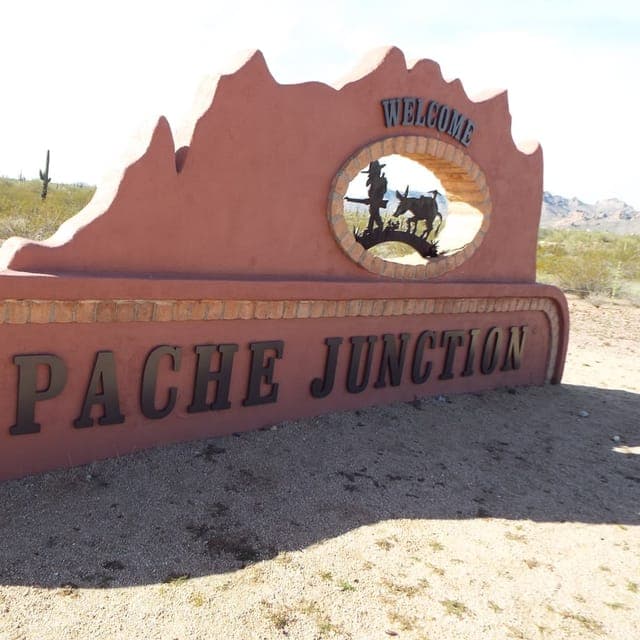
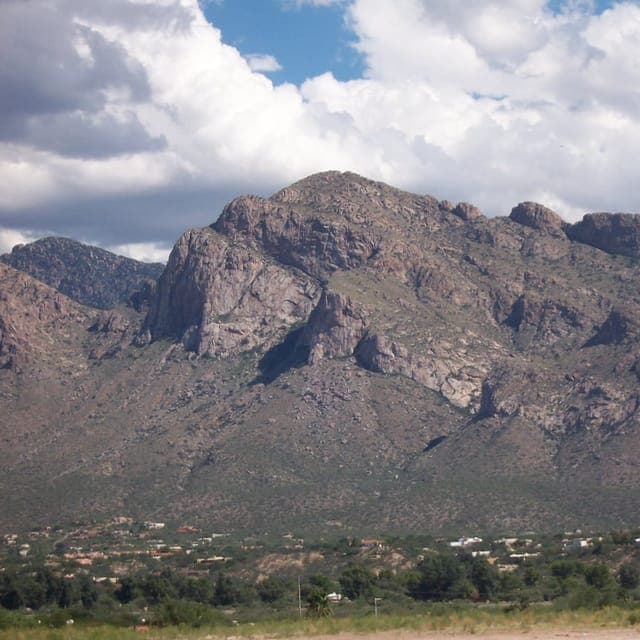
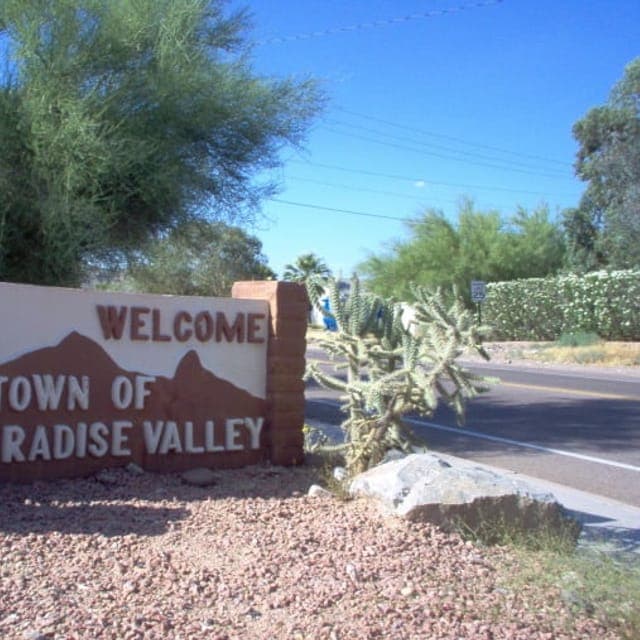
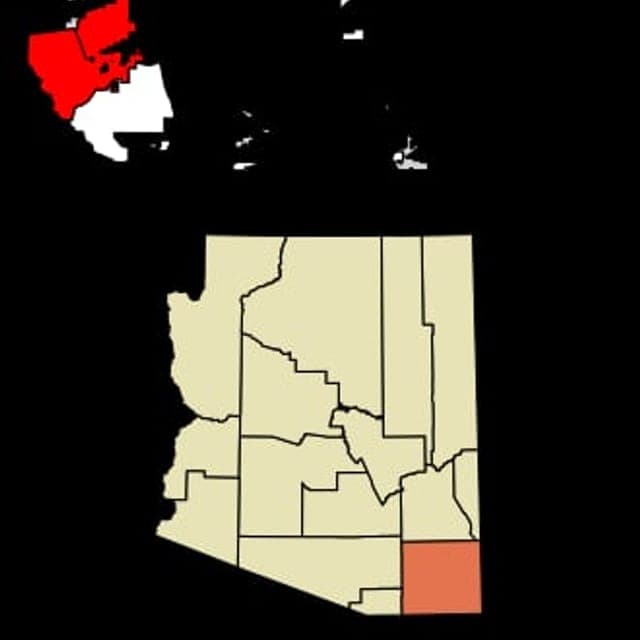
Top Cities for Personal Sovereignty in Arizona


* Values derived from national, state, county, city and local statistics and may differ in a specific area. Last updated: 2026-04-16T00:42:46.000Z
Narrative content on this page is AI-generated and may contain mistakes. Verify any details that matter before acting on them.
ReloMaps may earn a commission from affiliate links at no extra cost to you.

