Photo: Wikipedia
Demographics of Arizona
Affluence Level in Arizona
An upper-middle-class area. Household wealth, education levels, and homeownership run ahead of national benchmarks.
People of Arizona
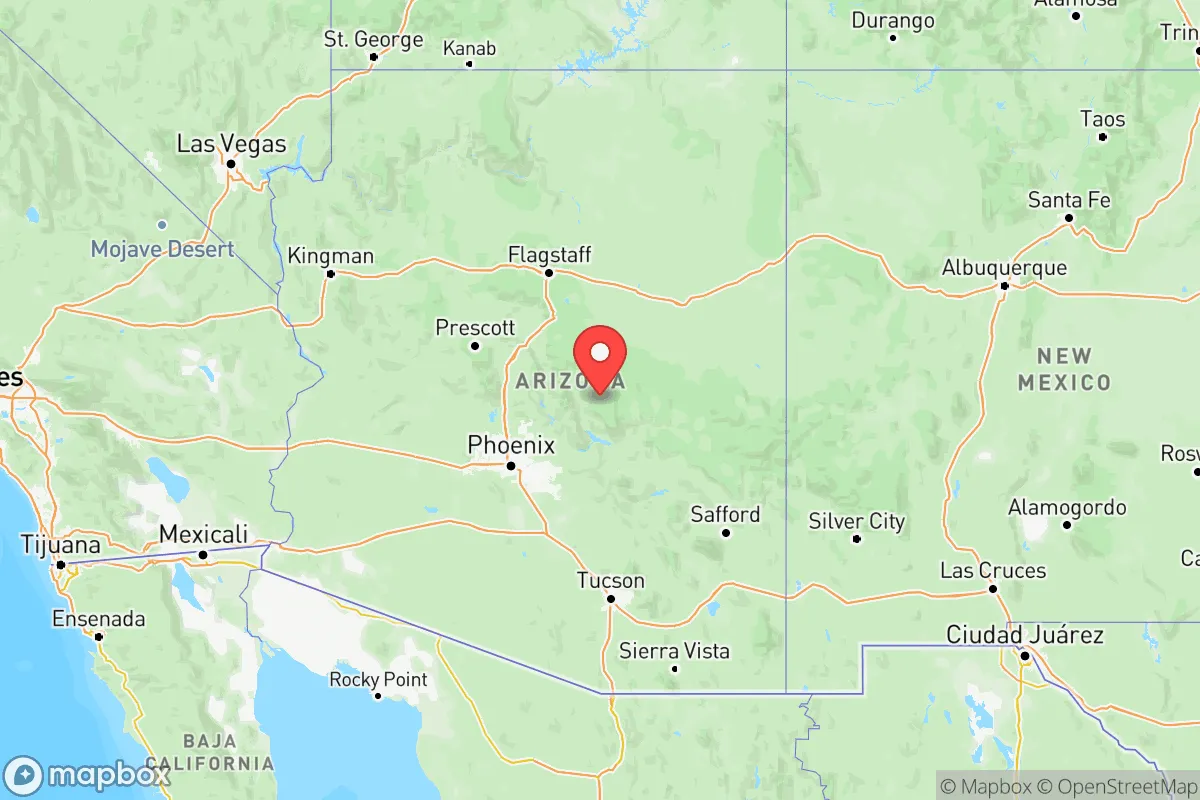
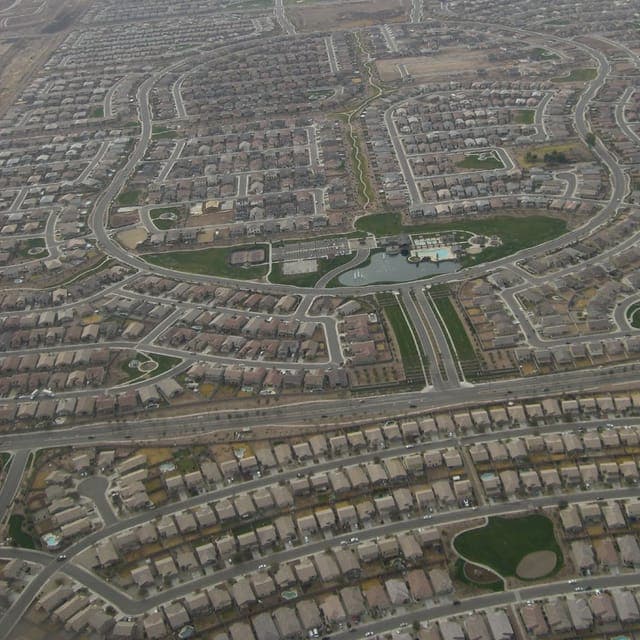
The people of Arizona today number over 7.2 million, forming a population that is 53.4% white, 31.0% Hispanic, 4.4% Black, 2.3% East and Southeast Asian, and 1.0% Indian (subcontinent), with just 6.7% foreign-born. This is a Sun Belt state shaped by late-stage suburban expansion, where the cultural identity is a blend of Western independence, Hispanic heritage, and a steady influx of conservative-leaning domestic migrants from California and the Midwest. The state’s character is defined by its sprawling metropolitan corridors—Phoenix, Tucson, and the Prescott area—where low-density living and a strong outdoor recreation ethos dominate daily life.
Settlement & growth (pre-1960)
Arizona’s human history begins with its Native nations, including the Navajo, Hopi, Apache, and Tohono O’odham, who have inhabited the region for millennia. Spanish colonization arrived in the 16th century, with missionaries and soldiers establishing settlements like Tucson (founded 1775 as a presidio) and Nogales along the Santa Cruz River. The Gadsden Purchase of 1854 brought the territory fully under U.S. control, opening the door for Anglo-American settlement driven by mining and ranching.
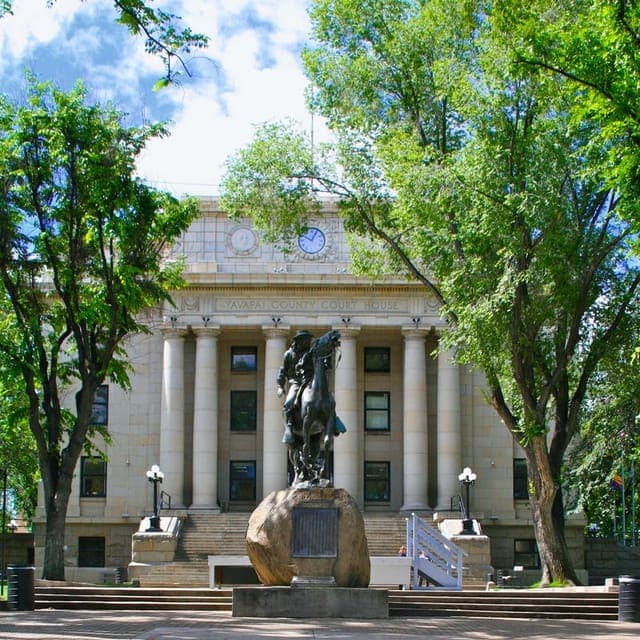
The first major American wave came with the 1860s and 1870s mining booms. Prospectors and entrepreneurs from the eastern U.S. and Europe flooded into towns like Prescott (the territorial capital) and Bisbee, where copper, silver, and gold deposits created instant boomtowns. These early settlers were overwhelmingly white, with a mix of Cornish miners, Irish laborers, and German merchants. The railroad’s arrival in the 1880s connected Arizona to national markets and spurred agricultural development, particularly cotton farming in the Salt River Valley, which drew Anglo farmers and Mexican laborers alike.
The 1910s and 1920s saw a second wave: Dust Bowl refugees from Oklahoma, Texas, and Arkansas—often called “Okies”—migrated to Arizona’s agricultural valleys, settling in Mesa and Yuma. These migrants were predominantly white, Protestant, and deeply conservative, laying the cultural foundation for much of modern rural and suburban Arizona. Meanwhile, the 1940s brought a military and industrial boom during World War II, with bases like Luke Air Force Base and Davis-Monthan Air Force Base drawing servicemen and defense workers. The postwar period saw the rise of air conditioning, which made Phoenix habitable year-round, triggering a massive Sun Belt migration of white retirees and families from the Midwest and Northeast. By 1960, Arizona’s population had reached 1.3 million, with Phoenix emerging as the dominant urban center.
Modern era (post-1965)
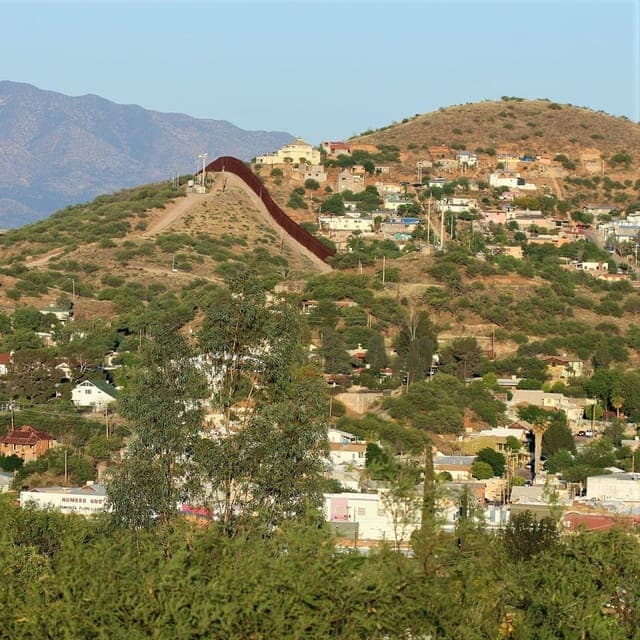
The 1965 Hart-Cellar Act fundamentally altered Arizona’s demographic trajectory by opening immigration from Asia and Latin America. The most visible shift has been the explosive growth of the Hispanic population, which rose from roughly 15% in 1970 to 31.0% today. Mexican immigrants and their descendants concentrated in Phoenix’s south side, Tucson’s south and west sides, and border towns like Nogales and Douglas. These communities have maintained strong cultural ties, with Spanish-language media, Catholic parishes, and family-owned businesses forming the backbone of daily life.
Domestic migration has been equally transformative. Since the 1980s, Arizona has been a top destination for Californians fleeing high housing costs and taxes, a trend that accelerated after 2000. These migrants—often white, college-educated, and politically moderate to conservative—have settled heavily in the suburban ring of Chandler, Gilbert, and Scottsdale, driving rapid suburbanization and a housing boom. The East Valley cities, in particular, have become hubs for tech and semiconductor industries, attracting a more diverse workforce, including East and Southeast Asian professionals (2.3% of the state’s population) concentrated in Chandler and Tempe near Intel’s massive campus.
The Indian (subcontinent) population, at 1.0%, is a smaller but growing presence, with professionals in healthcare and IT settling in Phoenix’s northern suburbs and Scottsdale. The Black population, at 4.4%, is concentrated in Phoenix’s Maryvale and South Mountain areas, with roots in the post-World War II Great Migration and later military and corporate relocations. Overall, the foreign-born share remains low at 6.7%, reflecting that Arizona’s growth has been driven more by domestic migration than by international immigration, unlike coastal states.
The future
Arizona’s population is projected to continue growing, potentially reaching 8 million by 2035, driven by domestic in-migration from California and the Midwest. The state is not homogenizing; instead, it is tribalizing into distinct enclaves. The Hispanic population is growing steadily through natural increase and will likely approach 35-40% of the state by 2040, with strong concentrations in Tucson and south Phoenix. White domestic migrants continue to fill the suburban and exurban rings of the Phoenix metro, particularly in Buckeye and Maricopa, reinforcing a conservative cultural identity in those areas.
East and Southeast Asian communities are growing slowly but steadily, primarily through tech-sector recruitment, and are likely to remain concentrated in Chandler and Tempe. The Indian (subcontinent) population is also expanding, though from a small base, and is assimilating into professional suburban life rather than forming dense ethnic enclaves. The Black population is growing modestly, with new arrivals from California and Texas settling in Phoenix’s west side. The key dynamic is that Arizona’s cultural identity—rooted in Western independence, gun rights, and low taxes—is resilient enough to absorb newcomers, but the state is becoming more politically polarized along geographic lines: urban and inner-ring suburbs lean left, while exurbs and rural areas remain deeply conservative.
For someone moving in now, Arizona is a state where the population is still being built. The next decade will see continued suburban sprawl, a growing Hispanic influence on culture and politics, and a steady stream of domestic migrants who are choosing Arizona for its affordability and lifestyle. The state is not becoming a melting pot in the coastal sense; rather, it is a collection of distinct communities—white conservative exurbs, Hispanic working-class neighborhoods, and professional Asian enclaves—that coexist with limited friction. The bottom line: Arizona is a Sun Belt success story where the population is growing fast, but the cultural identity remains firmly Western and individualistic, with newcomers expected to adapt rather than transform it.

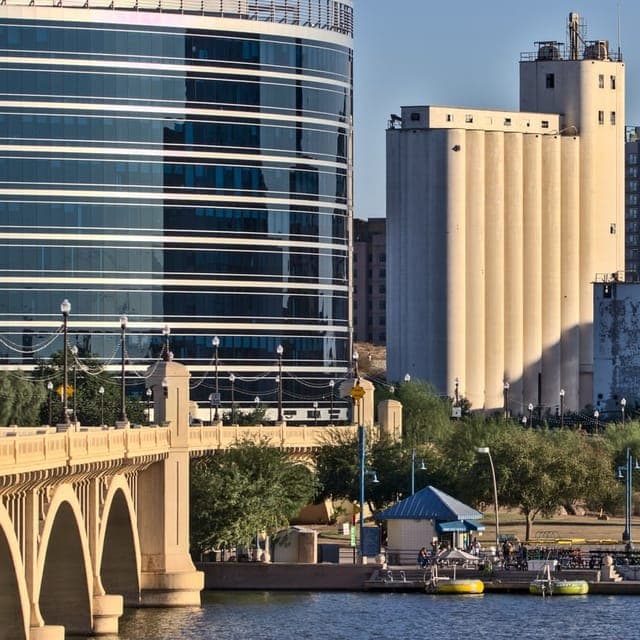
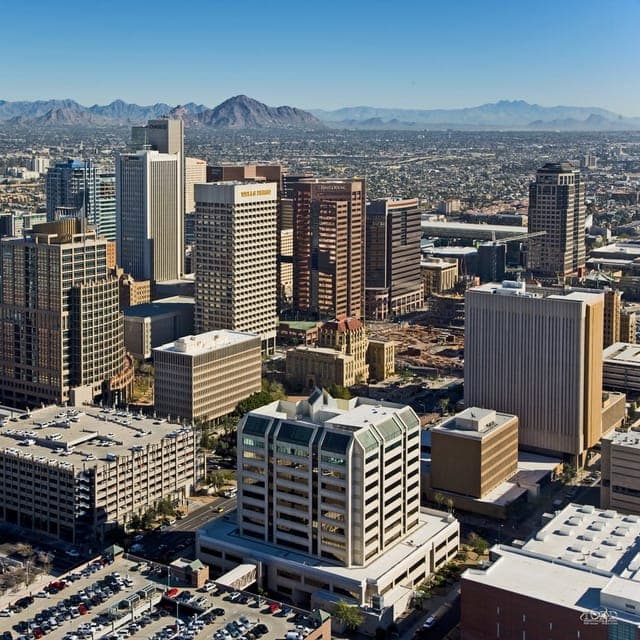
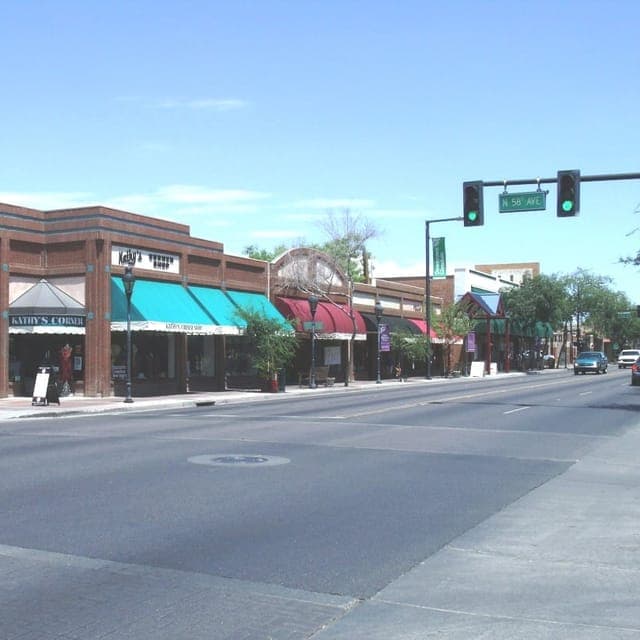
Most Diverse Cities in Arizona

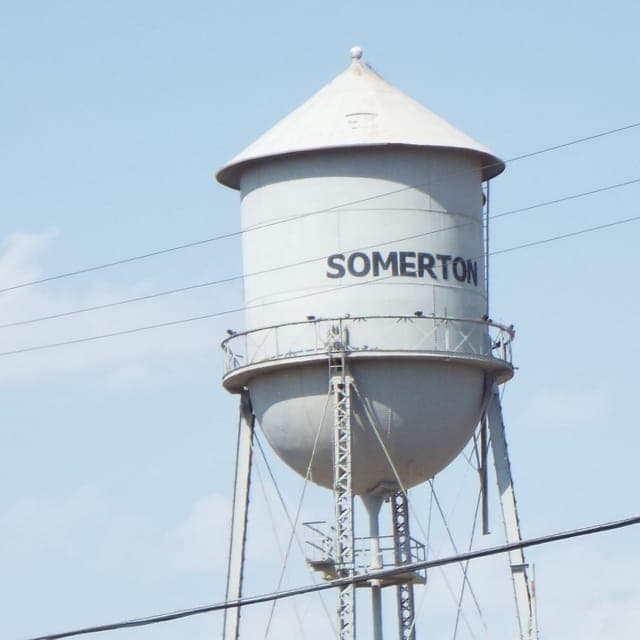
Most Homogenous Cities in Arizona
* Values derived from national, state, county, city and local statistics and may differ in a specific area. Last updated: 2026-04-16T00:42:46.000Z
Narrative content on this page is AI-generated and may contain mistakes. Verify any details that matter before acting on them.
ReloMaps may earn a commission from affiliate links at no extra cost to you.

