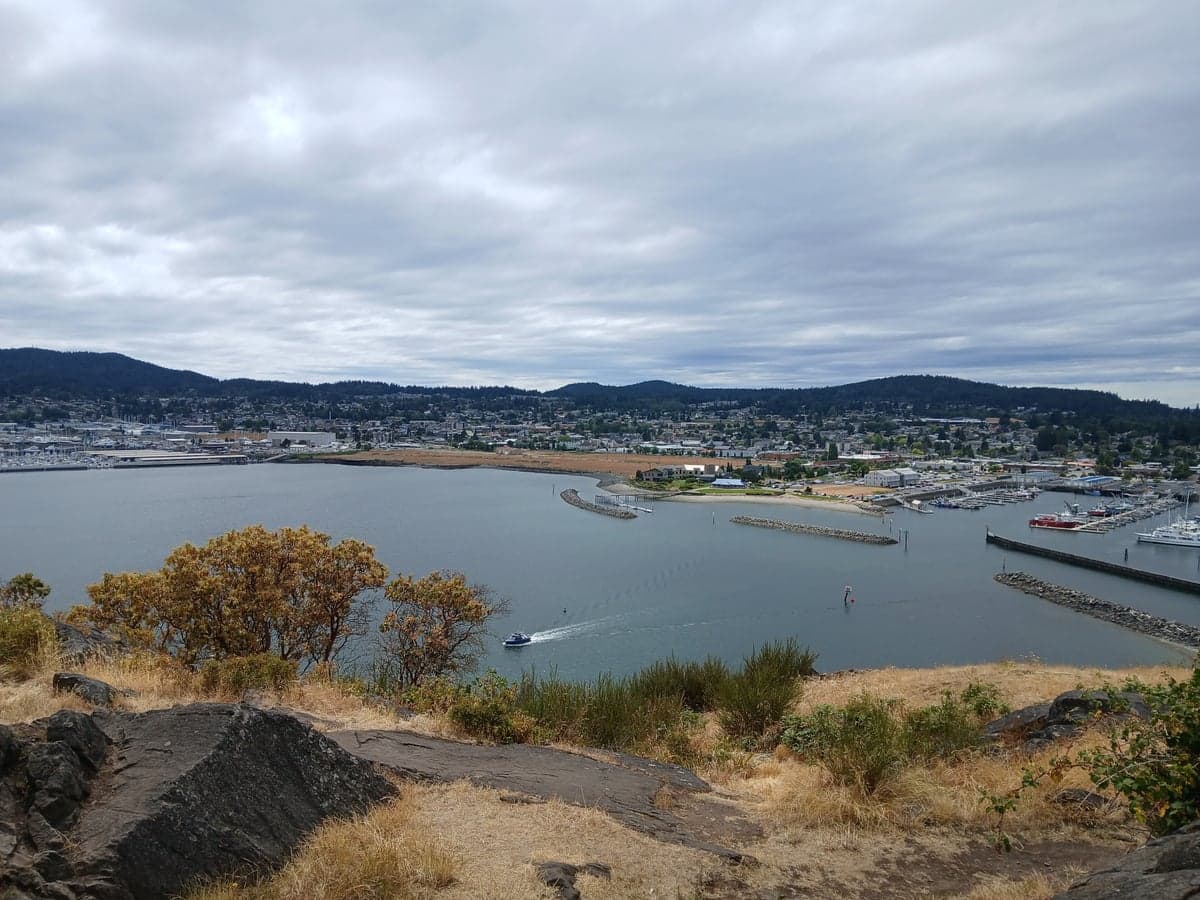
Photo: Wikipedia
Quality of Life in Anacortes, WA
A high quality of life with strong walkability, manageable living costs, healthy neighborhood signals, and solid amenity access.
What does Quality of Life tell us?
Quality of Life blends cost of living, nearby amenities, socioeconomic signals, and neighborhood character. City-level scores represent the whole municipality; individual neighborhoods can differ.
What does this tell us?
Quality of Life blends cost of living, nearby amenities, socioeconomic signals, and neighborhood character. City-level scores represent the whole municipality; individual neighborhoods can differ.
Cost of Living
75% above national average
The Real Cost of Living in Anacortes, WA for 2026
| Tier | Individual | Family (4) |
|---|---|---|
| Survival | $26k | $48k |
| Comfortable | $107k | $158k |
| Luxury | $157k+ | $244k+ |
| Elite (Top 5%) | $185k+ | $287k+ |
57%
The Area Signal
A metric tracking the socioeconomic signals of the area.
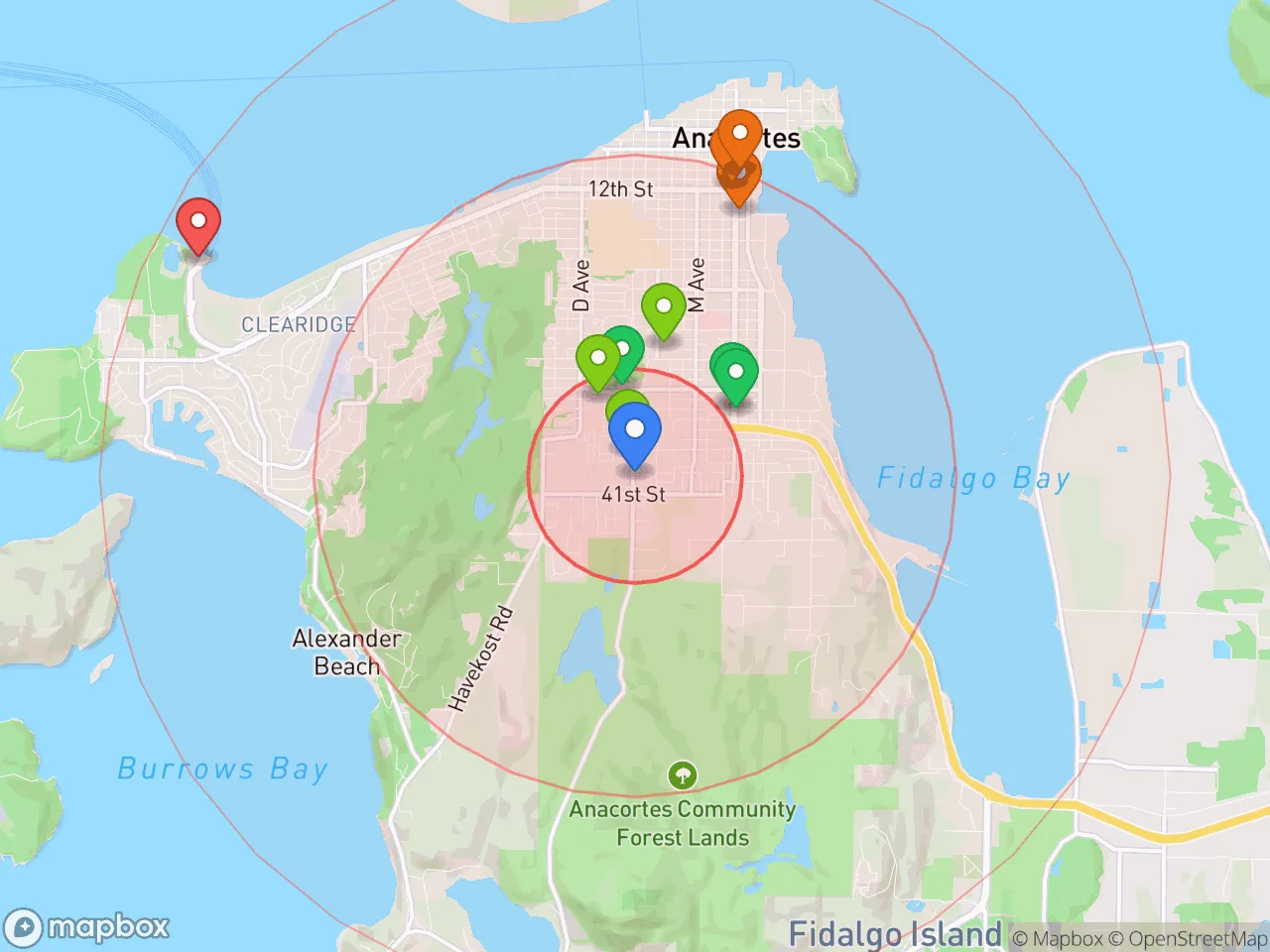
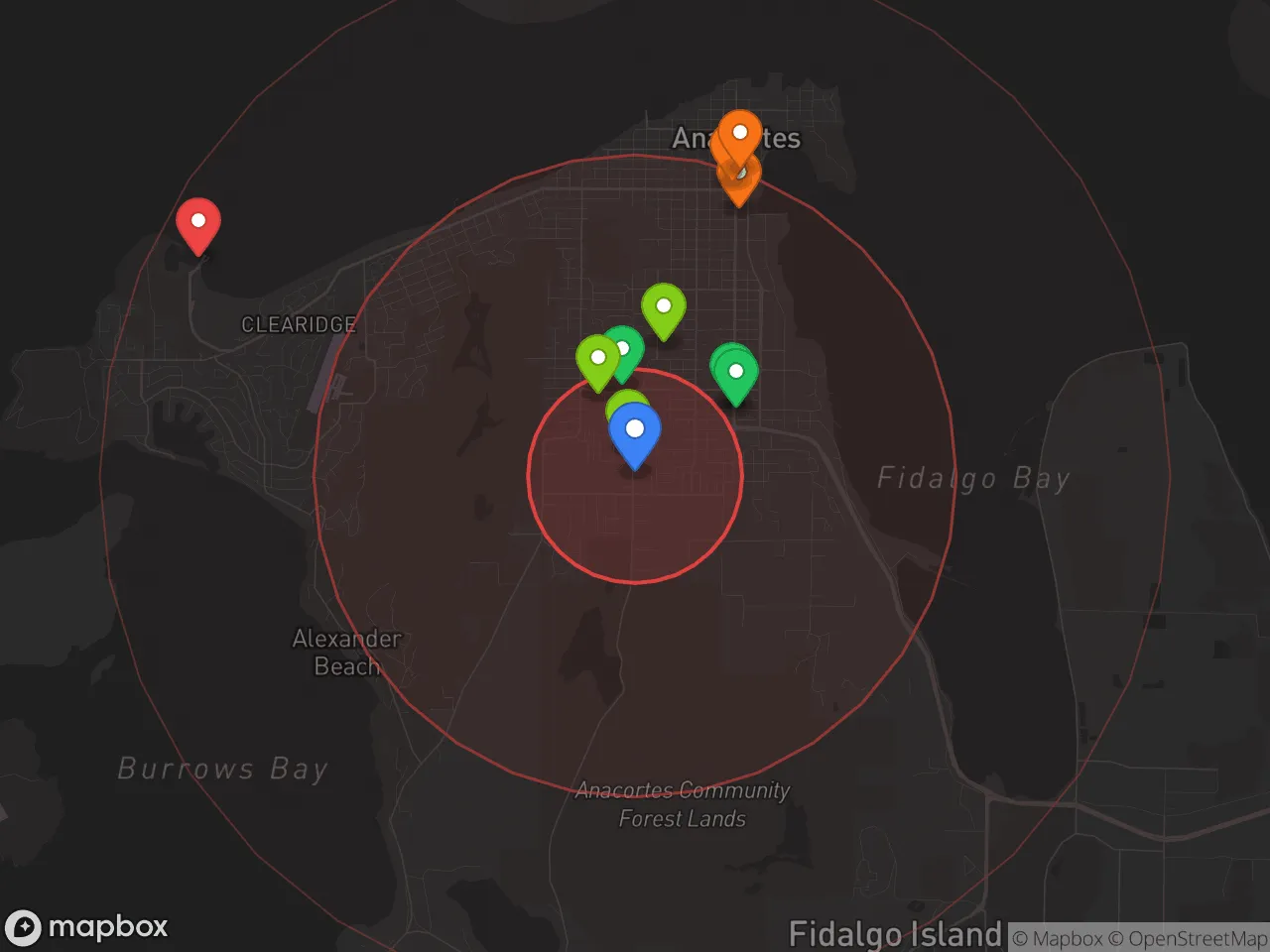
Hobbies
Explore the areaGroceries
0 within 10 miles
Gas
0 within 10 miles
Hospital
0 within 20 miles
Airport
SEA — Seattle–Tacoma International
Post Office
Critical Amenities
Quality-of-Life Analysis
Anacortes, Washington, is an affluent waterfront community on Fidalgo Island where the quality of life is shaped by a blend of maritime industry, outdoor recreation, and a tight-knit population of roughly 10,000 residents. The city’s cost of living index of 175 (75% above the U.S. average) signals that this is not a budget-friendly destination; rather, it attracts professionals in the oil refining and marine trades, remote workers drawn to the San Juan Islands’ gateway, and retirees seeking a slower pace with scenic views. Median household incomes hover well above state averages, supporting a demographic that values proximity to nature over urban convenience.
Cost of living, housing prices, and how Anacortes compares to nearby cities
Housing is the primary driver of Anacortes’ elevated cost of living. The median home value of $647,700 is roughly 30% higher than the national median but notably lower than in Seattle’s core (where medians exceed $850,000) and comparable to Bellingham’s $640,000 range. Renters face a median of $1,609 per month, which is about $200 less than in Mount Vernon but $300 more than in Burlington to the east. The average commute of 23.5 minutes is manageable, with most workers driving to nearby refineries (Marathon, Shell), the Anacortes ferry terminal, or Skagit Valley jobs; traffic is minimal compared to Puget Sound congestion. Property taxes in Skagit County run roughly 0.9% of assessed value, slightly below the state average, but the overall affordability gap means that first-time buyers often look to Oak Harbor or Sedro-Woolley for lower entry points.
What daily life is like for families: schools, amenities, and community rhythm
Daily life in Anacortes revolves around a compact, walkable downtown with independent shops, seafood restaurants, and the historic Anacortes Farmers Market (May–October). The Anacortes School District serves about 2,800 students and consistently earns above-average test scores, with Anacortes High School offering strong STEM and maritime programs. For recreation, residents have immediate access to Washington Park (with its saltwater shoreline and campgrounds), the Tommy Thompson Trail (a 3.5-mile paved path along the waterfront), and the Anacortes Community Forest Lands — over 2,800 acres of trails for hiking and mountain biking. The city’s ferry terminal connects to the San Juan Islands and Sidney, BC, making weekend island-hopping a routine part of life. Healthcare is anchored by Island Hospital, a critical-access facility, though specialists often require a 45-minute drive to Bellingham or Mount Vernon. The pace is distinctly slower than in Seattle: most errands are done by 6 p.m., and community events like the Anacortes Arts Festival (August) draw the entire town together.
Who thrives here? Anacortes is best suited for established professionals in the energy or marine sectors, remote workers who can afford the premium, and retirees who prioritize coastal beauty and quiet over nightlife. Families with school-age children will find strong public schools and safe neighborhoods, but the high housing costs and limited job diversity outside refining and tourism mean that younger renters or those in entry-level roles may struggle. The city’s insular, nature-focused character rewards those who embrace outdoor routines and a small-town social fabric — and it repels those seeking urban energy or affordability. For the right demographic, Anacortes offers a quality of life that is hard to replicate: clean air, water views, and a community where neighbors know each other by name.

Crime in Anacortes, WA
Generally safer than 72% of comparable U.S. locations.
Violent CrimeViolent Crime Analysis
Property CrimeProperty Crime Analysis
Crime Analysis
Anacortes, Washington, is a small coastal city in Skagit County that reports a violent crime rate of 71.2 incidents per 100,000 residents — roughly one-third the national average — but its property crime rate of 1,242.7 per 100,000 sits notably above the national median. While the city’s overall safety picture is mixed, the property crime figure signals a real concern for residents, particularly given the broader context of progressive criminal justice policies in Washington state that tend to prioritize offender rehabilitation over incarceration. Readers evaluating a move to Anacortes should weigh these statistics against the reality that liberal-leaning district attorneys and judges in the region often result in reduced sentences and lower prosecution rates for non-violent offenses, which can embolden repeat property offenders.
Crime in context
Anacortes’ violent crime rate of 71.2 per 100,000 is well below the U.S. average of roughly 380 per 100,000 and also under the Washington state average of about 290 per 100,000. Homicides are rare, and aggravated assaults make up the bulk of violent incidents. However, the property crime rate of 1,242.7 per 100,000 exceeds the national average of approximately 1,950 per 100,000 but is still higher than many comparable small cities in the Pacific Northwest. Theft from vehicles and residential burglaries are the most common property offenses. It is important to note that Skagit County, like much of western Washington, operates under a progressive prosecutorial philosophy — the current Skagit County Prosecuting Attorney, Rich Weyrich, is a Democrat who has emphasized diversion programs and reduced sentencing for non-violent offenders. This approach, while intended to reduce recidivism, has been criticized by public safety advocates for contributing to a revolving-door effect that keeps property crime rates elevated.
What residents experience
Residents of Anacortes generally report feeling safe walking downtown and in residential neighborhoods during daylight hours, but property crime is a persistent annoyance. Package theft, unlocked-car break-ins, and occasional shed burglaries are common complaints on neighborhood social media groups. The Anacortes Police Department, which employs about 20 sworn officers, has a visible presence but acknowledges that staffing constraints limit proactive patrols. The city’s location as a ferry hub to the San Juan Islands also brings transient traffic, which some residents link to spikes in theft during summer months. Because Washington state’s progressive justice system often treats property crime as a low-priority offense — with many cases resolved through citation rather than arrest — repeat offenders face few consequences, a dynamic that frustrates long-term residents.
Neighborhood-level variation is modest but worth noting. The historic downtown core and the “F” Street corridor see slightly higher rates of vehicle break-ins and vandalism, likely due to higher foot traffic and tourist activity. The more suburban areas west of Commercial Avenue, including the Skyline and March Point neighborhoods, report fewer incidents overall. The city’s newer developments near the Anacortes High School and the waterfront tend to have lower crime rates, though no neighborhood is immune to the region’s property crime trends. For those considering a move, choosing a home with off-street parking, a security system, and good street lighting is a practical hedge against the area’s most common safety issue.
* Values derived from national, state, county, city and local statistics and may differ in a specific area. Last updated: 2026-08-27T19:29:18.000Z
Narrative content on this page is AI-generated and may contain mistakes. Verify any details that matter before acting on them.
ReloMaps may earn a commission from affiliate links at no extra cost to you.

