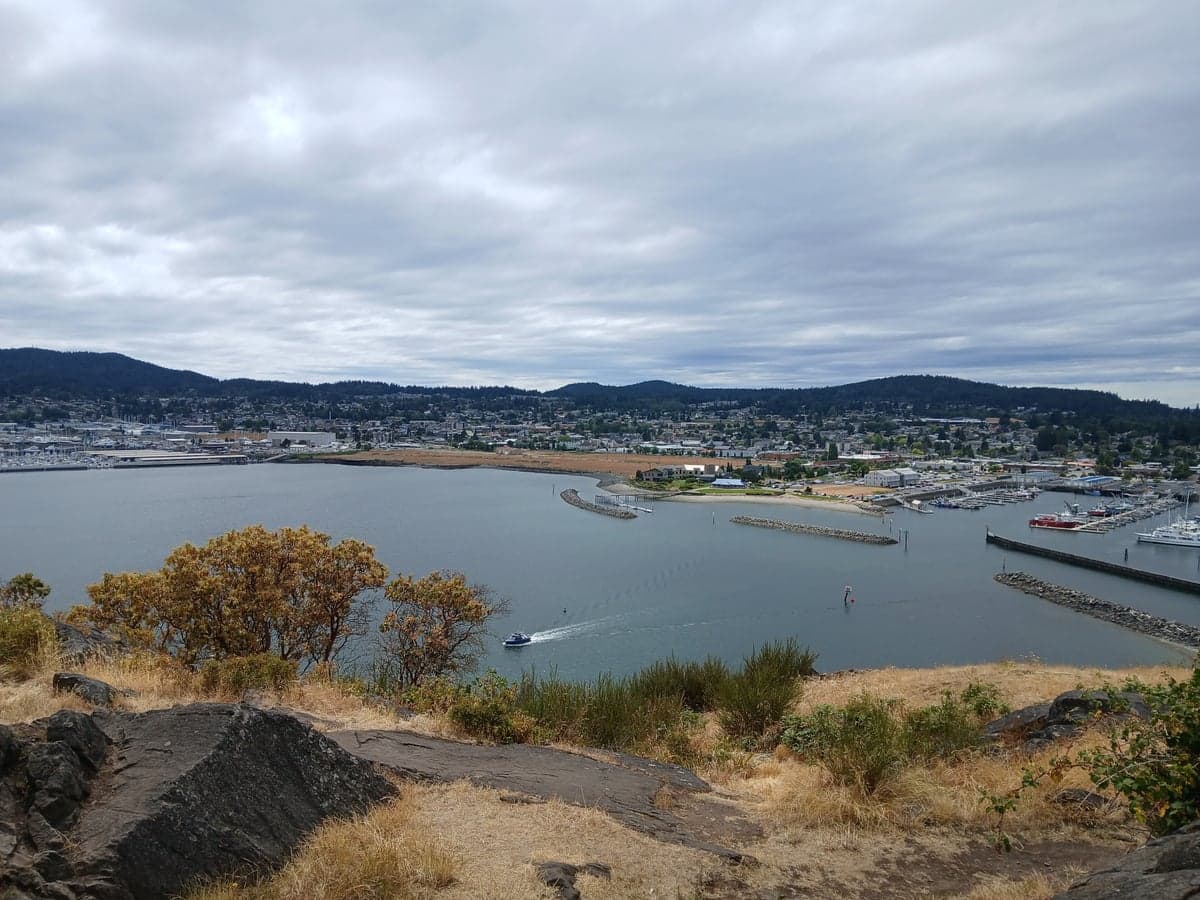
Photo: Wikipedia
Personal Sovereignty in Anacortes, WA
Viable for self-reliance. Generally workable, though some barriers may limit total independence.
What does Personal Sovereignty tell us?
Personal Sovereignty measures your capacity for self-reliance and independence with minimal government friction. Higher scores mean fewer barriers between you and the way you want to live... but it assumes you have the space you need and good neighbors.
What does this tell us?
Personal Sovereignty measures your capacity for self-reliance and independence with minimal government friction. Higher scores mean fewer barriers between you and the way you want to live... but it assumes you have the space you need and good neighbors.
State Policy
Energy independence: Importer (55% of energy produced in-state)
Personal Liberty
Homesteading

Personal Liberty Analysis
Anacortes, Washington, offers a nuanced personal sovereignty environment shaped by its location in a state with strong regulatory frameworks and a local culture that prizes independence. While Washington state imposes significant taxes and regulatory oversight, Anacortes itself benefits from a relatively lower cost of living compared to the Seattle metro, and its island geography fosters a self-reliant, community-oriented ethos. For the freedom-minded individual or family, the key is understanding where state-level constraints end and local autonomy begins—particularly in areas like taxation, self-defense, and property use.
Tax burden and regulatory posture in Anacortes
Washington state has no personal income tax, which is a major advantage for residents who value keeping more of their earnings. However, the state relies heavily on a regressive sales tax (currently 8.7% in Skagit County, including Anacortes) and high property taxes. The effective property tax rate in Anacortes is roughly 0.9% of assessed value, which is moderate by national standards but can be a significant annual expense given the area's rising home values. The regulatory posture in Anacortes is generally business-friendly for small enterprises, but state-level environmental and land-use regulations are among the most stringent in the nation. The Washington State Environmental Policy Act (SEPA) and the Growth Management Act impose strict permitting requirements on new construction, subdivisions, and even some home-based businesses. For a family looking to start a small workshop or run a home-based trade, expect a permitting process that can take months and cost thousands. The city itself has a reputation for being pragmatic rather than adversarial, but the state-level bureaucracy is a constant factor. Overall, the tax burden is moderate for those who avoid heavy consumption, but the regulatory overhead is high for anyone seeking to develop land or start a business.
Self-defense and gun law specifics in Anacortes
Washington state has moved decisively toward firearm regulation in recent years, and Anacortes residents must comply with state law. A permit is required to purchase a handgun, and all firearm sales—including private transactions—must go through a licensed dealer with a background check. The state also bans "assault weapons" (as defined by state law) and high-capacity magazines (over 10 rounds). Open carry is legal without a permit, but concealed carry requires a license, which is shall-issue for residents who complete a training course and pass a background check. Anacortes itself has no additional local gun ordinances beyond state law, and the Skagit County Sheriff's Office is generally supportive of Second Amendment rights. However, the practical reality is that self-defense options are more restricted than in many other states. Stand-your-ground laws do not apply; Washington uses a duty-to-retreat standard in public places. For the freedom-minded individual, this means that carrying a firearm for self-defense is possible but subject to significant legal constraints. The local gun culture is present but not dominant—there are a few gun shops and a shooting range in nearby Mount Vernon, but the overall political climate in Anacortes leans left, which can create social friction for open carriers. If self-defense is a top priority, this area may feel restrictive compared to states like Idaho or Texas.
Self-reliance and homesteading viability in Anacortes
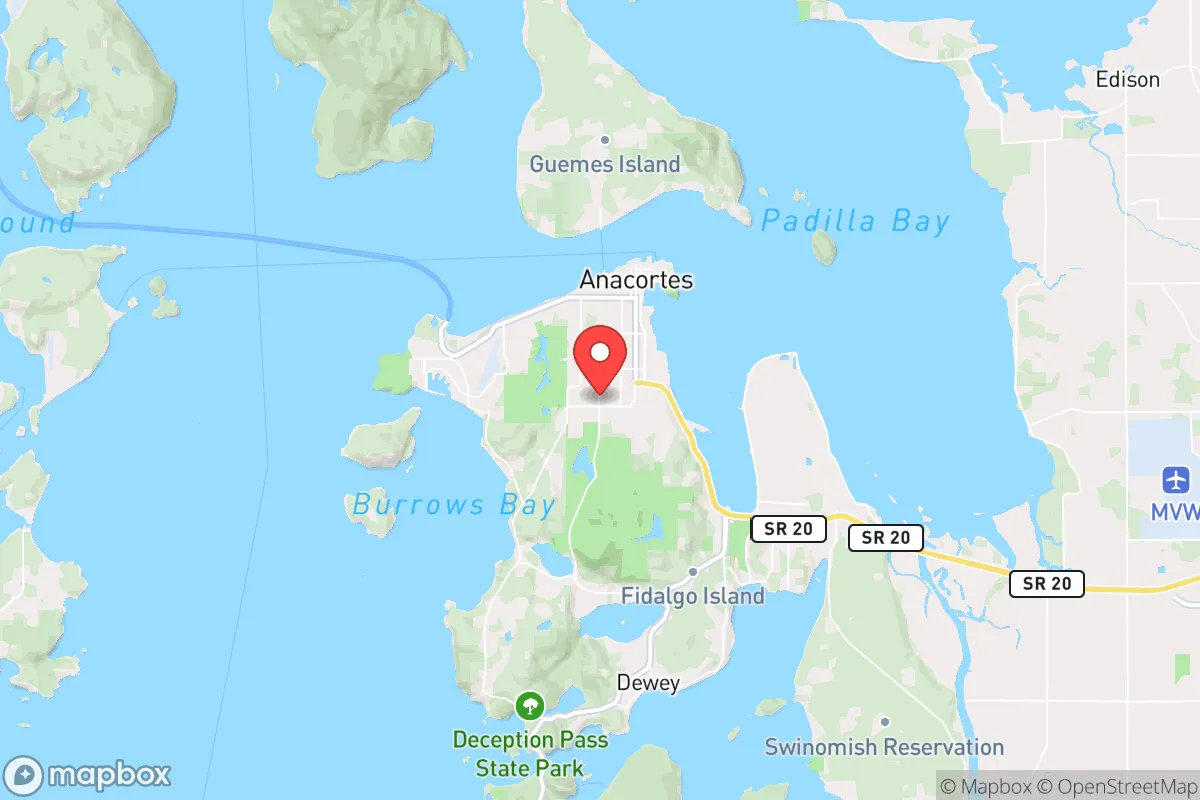
Anacortes offers genuine opportunities for self-reliance, but with important caveats tied to zoning and geography. The city's residential lots are typically small—most single-family homes sit on 5,000 to 10,000 square foot parcels—which limits large-scale gardening or livestock. However, the city allows backyard chickens (hens only, no roosters) and beekeeping with a simple permit. For those seeking more land, the unincorporated areas of Fidalgo Island and nearby Skagit Valley offer larger parcels, often 1 to 5 acres, with more relaxed zoning. Off-grid living is technically feasible but practically difficult. The region's abundant rainfall (over 30 inches annually) makes rainwater catchment viable, but state law requires a permit for any potable water system. Solar power is possible but limited by frequent cloud cover; a grid-tied system with battery backup is more realistic than full off-grid independence. Septic systems are standard for rural properties, but new installations require rigorous soil testing and permitting through Skagit County. The growing season is long and mild, making vegetable gardening and small-scale fruit orchards highly productive. For a family committed to self-sufficiency, the Skagit Valley's agricultural zoning and access to the coast for fishing and crabbing provide real advantages. The regulatory hurdles are real but navigable for someone willing to work within the system.
Personal liberties in Anacortes: parental rights, medical autonomy, speech, and property
Washington state generally takes an expansive view of individual rights in some areas while being restrictive in others. Parental rights are strong in theory—parents have broad authority over their children's education and medical decisions—but the state has mandatory vaccination requirements for school attendance (with limited medical and philosophical exemptions) and a robust child protective services system that can intervene in cases of perceived neglect. Medical autonomy is mixed: Washington has legalized recreational marijuana and physician-assisted suicide, but it also has a state-run health insurance exchange and mandates coverage for certain procedures. The COVID-19 era saw significant state-level mandates, including vaccine requirements for healthcare workers and school staff, which created friction for some residents. Free speech is protected under the state constitution, which is often more protective than the federal First Amendment, but local ordinances in Anacortes regulate noise, signage, and public gatherings in ways that can limit spontaneous expression. Property rights are the area of greatest tension. The Growth Management Act heavily restricts what landowners can do with their property, particularly in critical areas like shorelines, wetlands, and steep slopes. Anacortes' location on the water means many properties fall under these restrictions, limiting development and even some landscaping choices. For the freedom-minded individual, the property rights environment is the most significant constraint on personal sovereignty in this area.
Overall, Anacortes offers a moderate level of personal sovereignty that is heavily shaped by state-level policies. The absence of income tax and the ability to own property near the coast are genuine freedoms, but they come with significant regulatory costs in land use, firearms, and business operations. Compared to states like Idaho or Montana, the regulatory burden is higher; compared to California or Oregon, it is lighter. For the individual or family who values self-reliance and is willing to navigate a permitting-heavy environment, Anacortes provides a beautiful and functional base for an independent lifestyle. The key is to go in with eyes open: the freedom here is real, but it is freedom within a framework, not freedom from oversight.

* Values derived from national, state, county, city and local statistics and may differ in a specific area. Last updated: 2026-08-27T19:29:18.000Z
Narrative content on this page is AI-generated and may contain mistakes. Verify any details that matter before acting on them.
ReloMaps may earn a commission from affiliate links at no extra cost to you.

