Photo: Wikipedia
Quality of Life in Alpine, WY
A high quality of life with strong walkability, manageable living costs, healthy neighborhood signals, and solid amenity access.
What does Quality of Life tell us?
Quality of Life blends cost of living, nearby amenities, socioeconomic signals, and neighborhood character. City-level scores represent the whole municipality; individual neighborhoods can differ.
What does this tell us?
Quality of Life blends cost of living, nearby amenities, socioeconomic signals, and neighborhood character. City-level scores represent the whole municipality; individual neighborhoods can differ.
Cost of Living
35% above national average
The Real Cost of Living in Alpine, WY for 2026
| Tier | Individual | Family (4) |
|---|---|---|
| Survival | $19k | $36k |
| Comfortable | $81k | $119k |
| Luxury | $119k+ | $184k+ |
| Elite (Top 5%) | $140k+ | $217k+ |
84%
* top-5% income substituted from county-level data — local Census figures unavailable for small populations
The Area Signal
A metric tracking the socioeconomic signals of the area.
Hobbies
Explore the areaGroceries
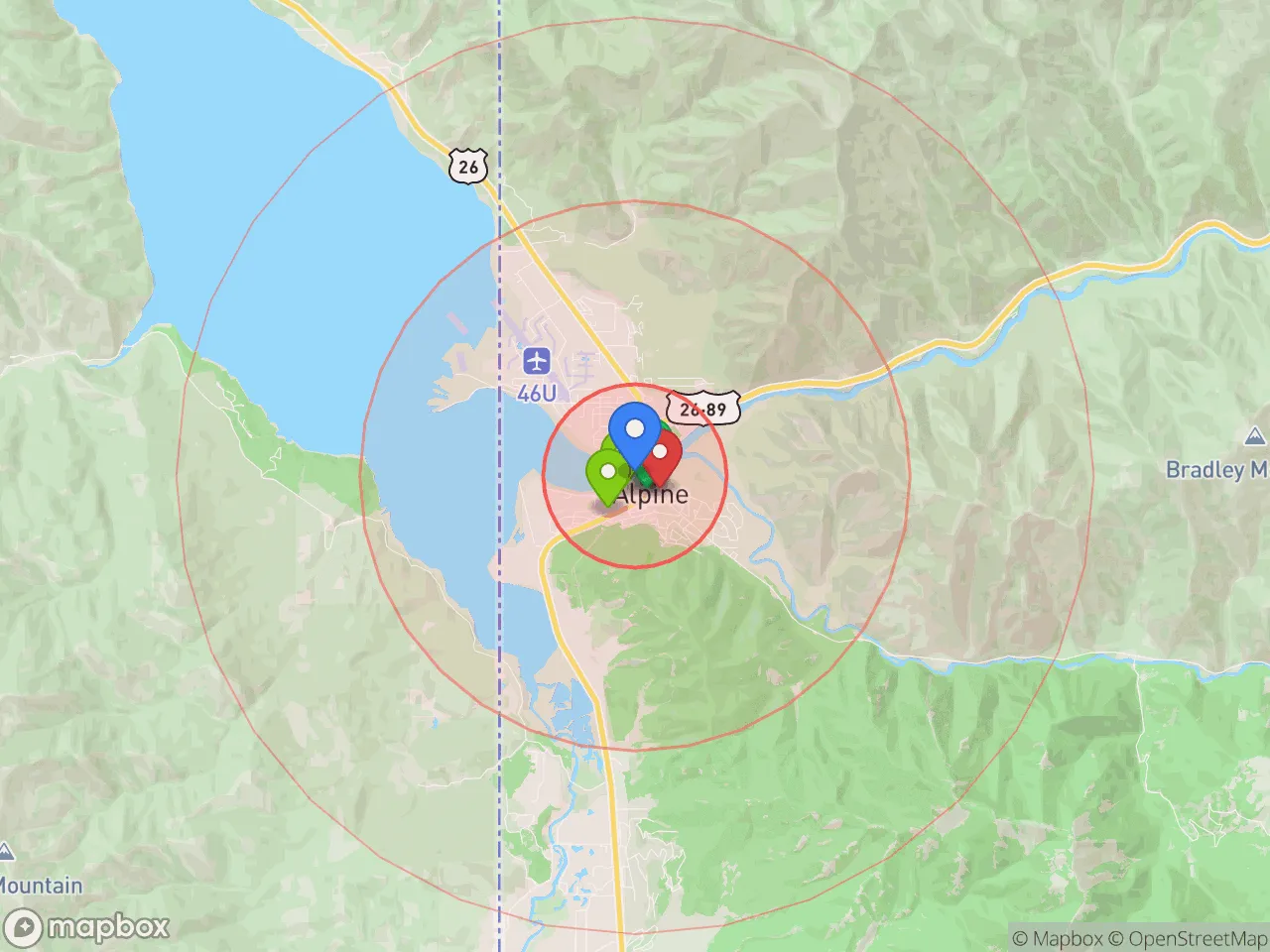
0 within 10 miles
Gas
4 within 10 miles
Hospital
1 within 20 miles
Airport
SLC — Salt Lake City International
Post Office
USPS — Alpine, WY
Critical Amenities
Quality-of-Life Analysis
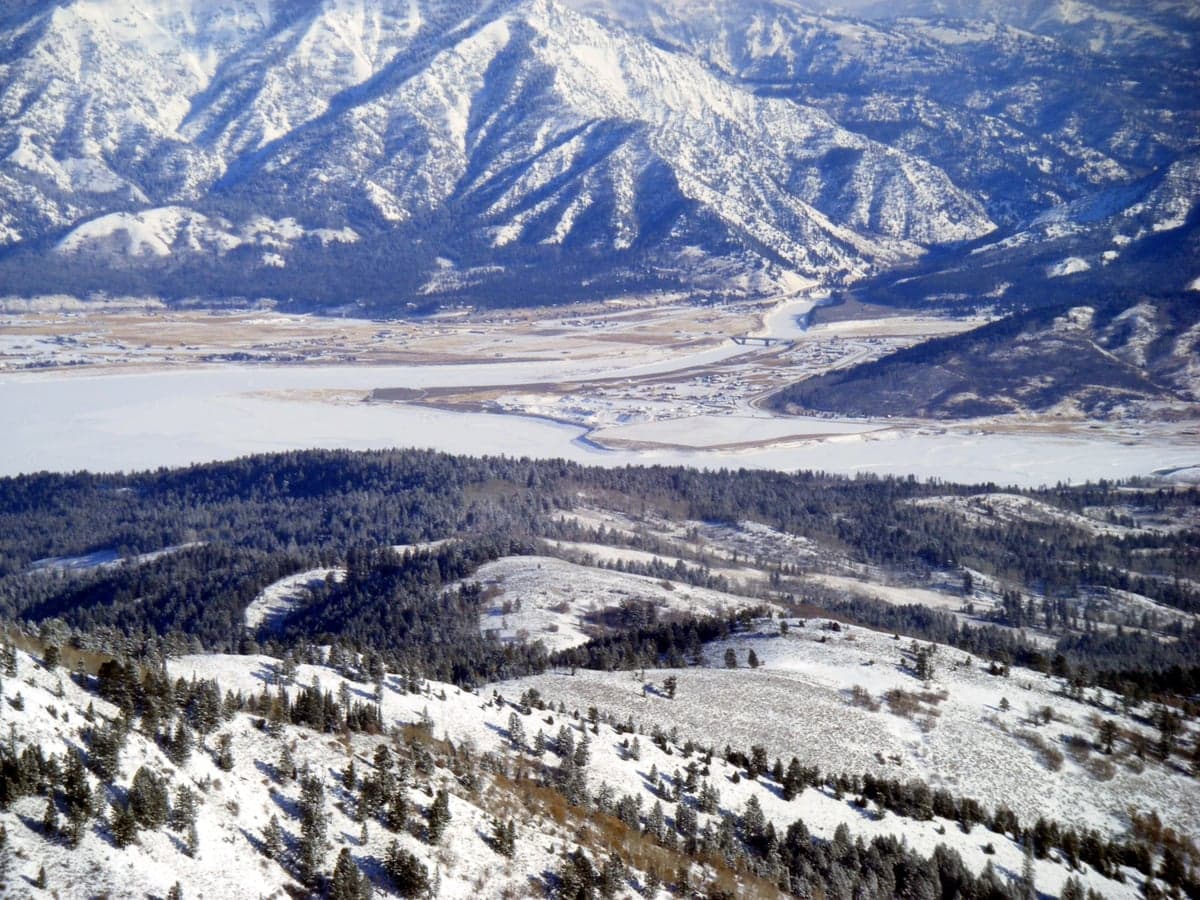
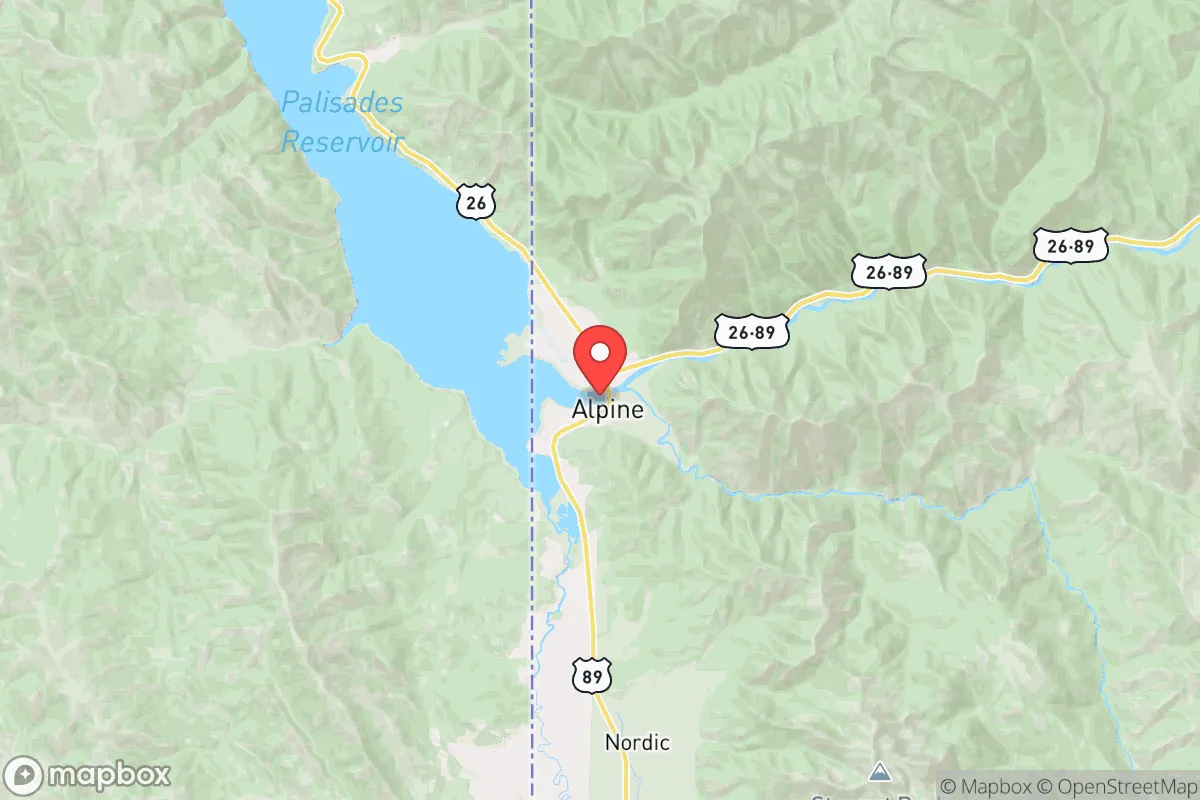
Alpine, Wyoming, is a small, affluent community in the western part of the state, serving as a gateway to the Bridger-Teton National Forest and the Palisades Reservoir. With a cost of living index of 135 — 35% above the national average — the town attracts a mix of second-home owners, outdoor recreationists, and professionals who work in nearby Jackson Hole or Idaho Falls. The median home value sits at $511,000, placing it well above the Wyoming median of roughly $290,000, while the median rent of $1,213 is comparatively moderate for the region, making homeownership the primary financial hurdle rather than renting.
Housing costs and affordability compared to Jackson and Idaho Falls
Alpine's housing market is defined by its proximity to Jackson Hole and its position as a more affordable bedroom community. The median home value of $511,000 is dramatically lower than Jackson's median of over $1.5 million, yet it remains significantly higher than the national median of $360,000. Renters fare better: the median rent of $1,213 is roughly 30% lower than Jackson's average rent, and it is comparable to rents in Idaho Falls, ID (about 40 miles west). The average commute time of 24.7 minutes reflects a typical pattern for residents who work in Jackson (a 45-minute drive) or in Teton Valley, Idaho (a 20-minute drive), balancing a lower cost of entry with a longer daily drive. For those seeking land or larger homes, Alpine's market offers more square footage per dollar than Teton County, but lot prices start around $150,000, pushing total acquisition costs past the median value.
Amenities, schools, and daily life for families and remote workers
Alpine is unincorporated, meaning it lacks its own municipal government and relies on Lincoln County for services. The town's commercial core is limited to a grocery store, a handful of restaurants, a gas station, and the Alpine Market, which serves as a community hub. For daily shopping and medical care, most residents drive 15 minutes to Afton (home to Star Valley Health) or 40 minutes to Idaho Falls. The local school system is the Lincoln County School District #2, which includes Alpine Elementary School (serving grades K–5) and Star Valley High School in Afton (grades 9–12). High-speed internet via TDS Telecom and CenturyLink makes remote work feasible, though speeds can be variable in the more rural subdivisions. The rhythm of life here is heavily tied to outdoor recreation: the Palisades Creek Trail, the Grey's River, and the Snake River offer year-round hiking, fishing, and kayaking, while the nearby Salt River Pass provides backcountry skiing. Winter brings a quieter pace, with many seasonal residents leaving, which reduces traffic and increases solitude.
Who thrives here: Alpine is best suited for people who prioritize access to wilderness over urban amenities and who can tolerate a commute. Retirees, remote professionals, and families who value space and low density will find the area appealing, especially those working in Jackson's service economy or as tradespeople who can afford a home despite a moderate income. Real estate investors targeting second-home markets will also find Alpine attractive due to its lower entry point compared to Jackson. The town is less suited for those seeking nightlife, cultural institutions, or a short commute to a major city; the nearest airport with commercial flights is in Jackson Hole, 50 miles north. For families who want a safe, slow-paced environment with excellent outdoor access, Alpine is a strong but financially selective option.

Crime in Alpine, WY
Generally safer than 71% of comparable U.S. locations.
Violent CrimeViolent Crime Analysis
Property CrimeProperty Crime Analysis
Crime Analysis
Alpine, Wyoming, is a small mountain town in the Snake River Valley near the Idaho border, and its crime rates present a relatively low-violence but elevated-property-crime picture compared to national averages. For a community of roughly 1,200 year-round residents, the violent crime rate sits at 171.9 per 100,000 people, while property crime registers at 1,012.8 per 100,000. These figures place Alpine in a notably safer category for violent offenses than many U.S. towns of similar size, though property crime warrants closer attention from potential residents.
Crime in context
Alpine’s violent crime rate of 171.9 per 100,000 is approximately half the national average of 380 per 100,000 and significantly lower than both Wyoming’s statewide violent crime rate (roughly 240 per 100,000) and the rates found in larger metro areas like Cheyenne or Casper. Homicide and aggravated assault are rare events in Alpine, reflecting the town’s tight-knit, rural character. Conversely, the property crime rate of 1,012.8 per 100,000 is above the national average of about 1,954 per 100,000, but still markedly lower than the U.S. median for small towns. Larceny and vehicle break-ins account for most incidents, often tied to transient tourism along US-89 and US-26. Lincoln County, which contains Alpine, does not employ a progressive district attorney; its prosecutorial approach is consistently conservative, emphasizing strict enforcement and victim rights. This contrasts sharply with large Western metro areas where liberal judicial policies have been linked to lower clearance rates and higher recidivism—a dynamic Alpine residents do not experience.
What residents experience
For daily life in Alpine, violent crime is essentially a non-factor for most families and individuals. The primary concern is opportunistic theft from vehicles, especially near trailheads, boat launches, and seasonal rental properties. Residents report a strong sense of security walking at night and interacting with neighbors, with the town’s remote location and low population density acting as natural deterrents to serious crime. The local sheriff’s office maintains a visible presence, and community watch networks are active during peak tourist seasons. Because Alpine is not a large metro area and its justice system operates without progressive ideological influence, offenders face swift consequences, which further discourages repeat criminal behavior. The key takeaway: property crimes like unlocked-car thefts and stolen outdoor gear are the main safety risk, not violence or organized crime.
Neighborhood-level variation in Alpine is modest. Homes closer to the main highway corridors (US-89 and US-26) and public access points like the Greys River Road area see slightly higher rates of vehicle break-ins. Subdivisions such as Indian Trails and Big Piney tend to experience fewer incidents, benefiting from lower traffic and more private driveways. The Star Valley Ranch area, while technically a separate community, shares similar dynamics. Overall, Alpine offers a safe living environment for those mindful of basic property security, with none of the systemic public-safety concerns found in large, metro-area jurisdictions with progressive prosecutors.
* Values derived from national, state, county, city and local statistics and may differ in a specific area. Last updated: 2026-06-25T05:18:39.000Z
Narrative content on this page is AI-generated and may contain mistakes. Verify any details that matter before acting on them.
ReloMaps may earn a commission from affiliate links at no extra cost to you.

