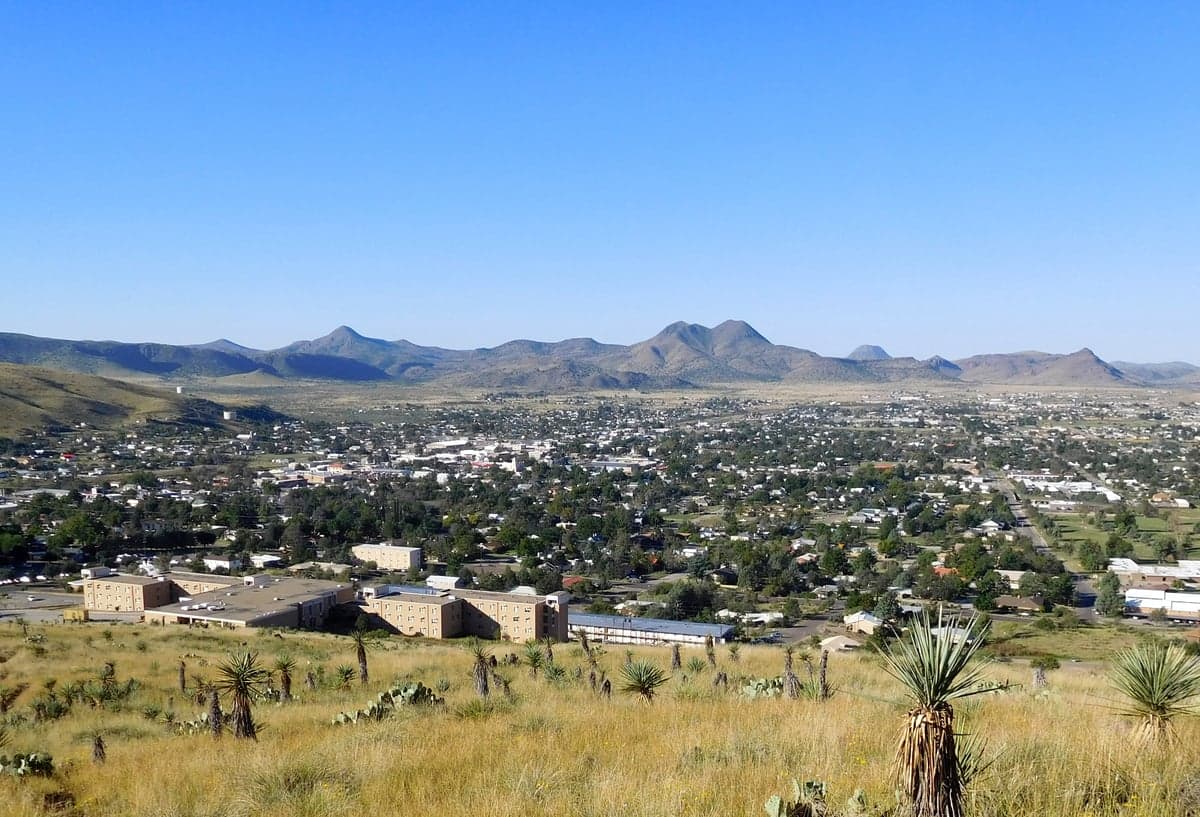
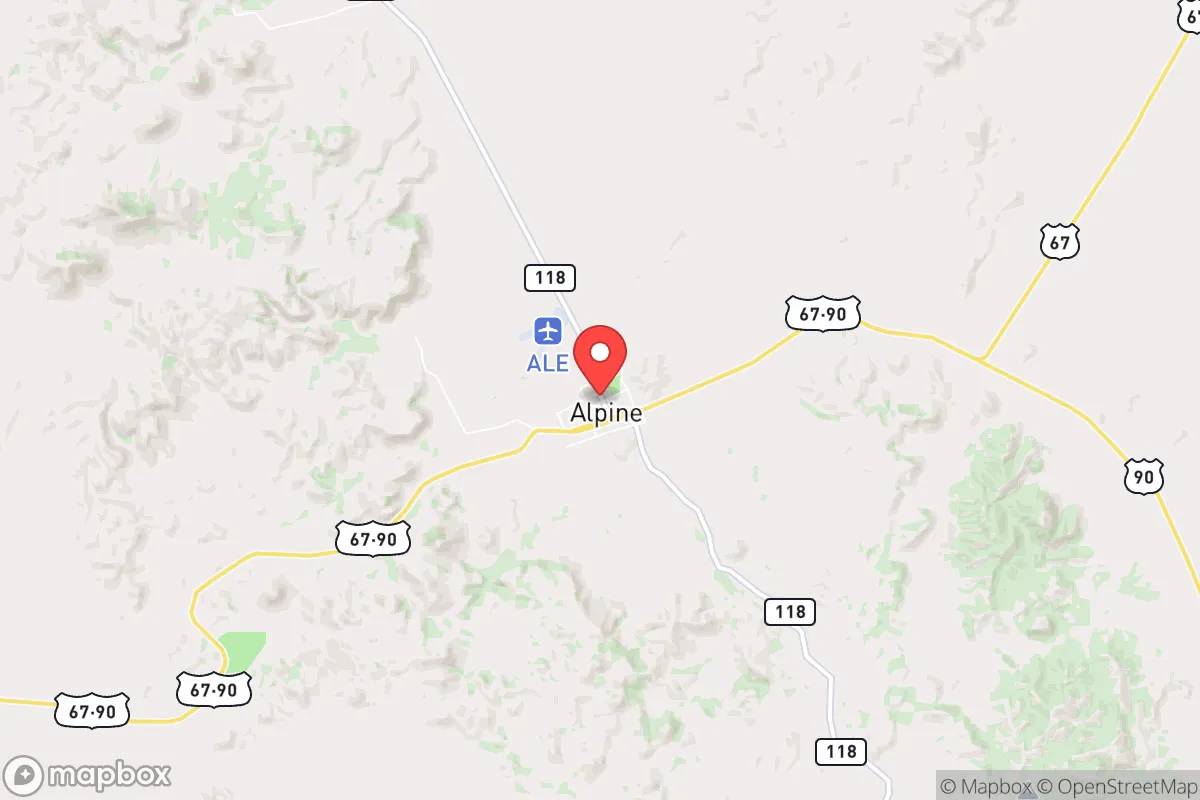
Photo: Wikipedia
Quality of Life in Alpine, TX
Above-average quality of iife. The area offers a reasonable cost of living, decent mobility, and a mix of neighborhood amenities.
What does Quality of Life tell us?
Quality of Life blends cost of living, nearby amenities, socioeconomic signals, and neighborhood character. City-level scores represent the whole municipality; individual neighborhoods can differ.
What does this tell us?
Quality of Life blends cost of living, nearby amenities, socioeconomic signals, and neighborhood character. City-level scores represent the whole municipality; individual neighborhoods can differ.
Cost of Living
24% below national average
The Real Cost of Living in Alpine, TX for 2026
| Tier | Individual | Family (4) |
|---|---|---|
| Survival | $14k | $27k |
| Comfortable | $40k | $59k |
| Luxury | $81k+ | $126k+ |
| Elite (Top 5%) | $96k+ | $148k+ |
92%
The Area Signal
A metric tracking the socioeconomic signals of the area.
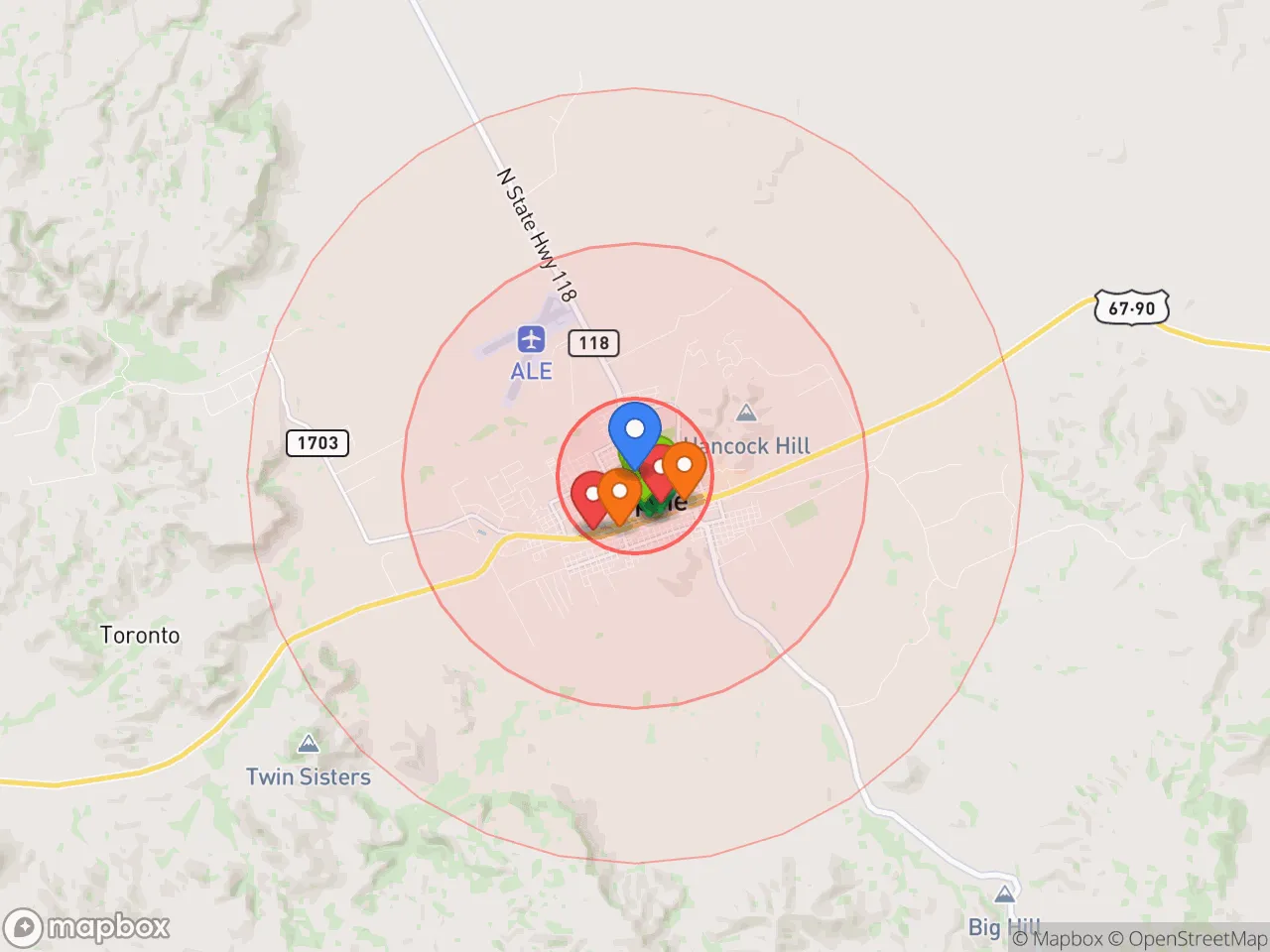
Hobbies
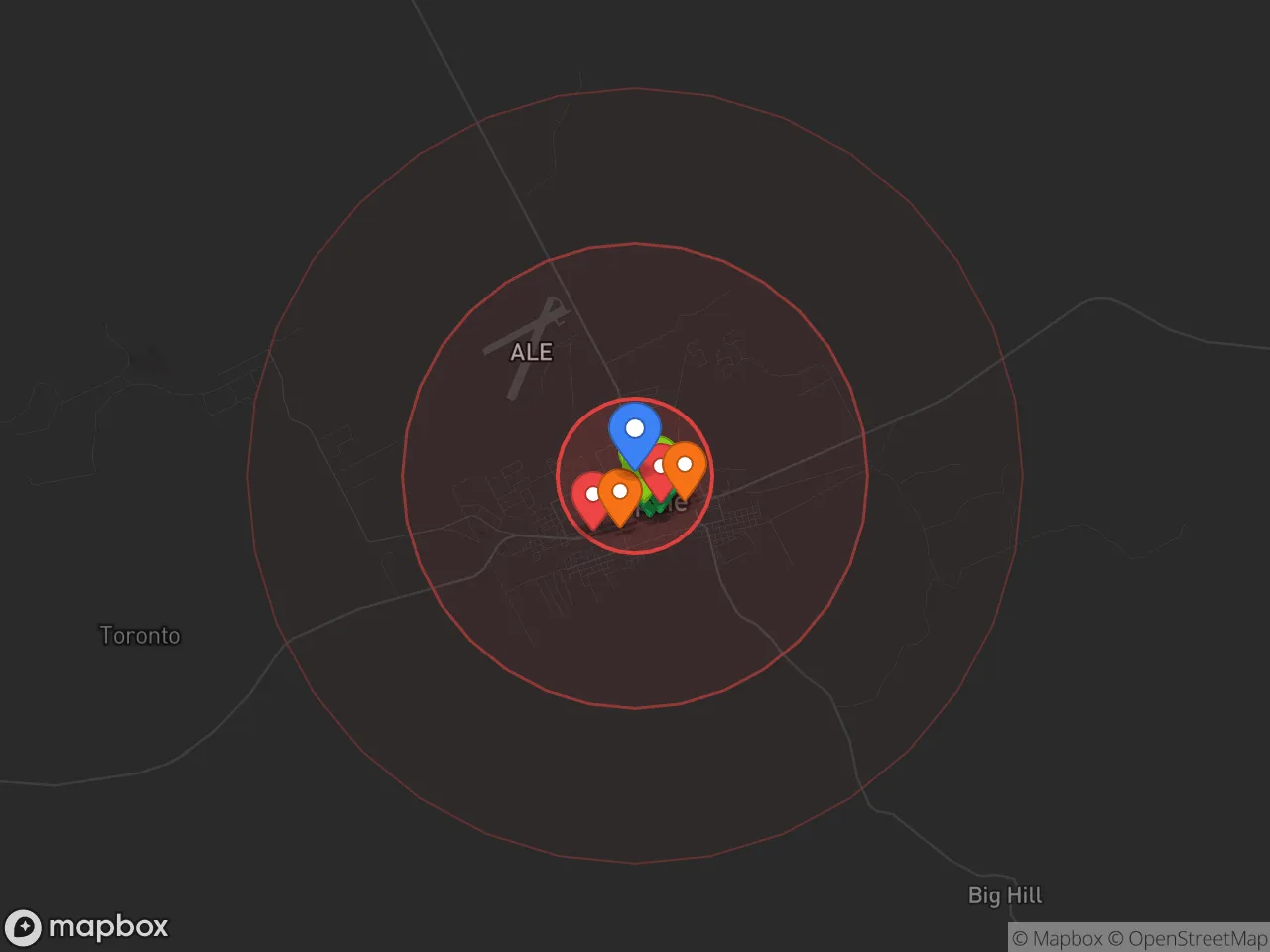
Explore the areaGroceries
0 within 10 miles
Gas
9 within 10 miles
Hospital
1 within 20 miles
Airport
SAN — San Angelo Regional
Post Office
USPS — Alpine, TX
Critical Amenities
Quality-of-Life Analysis
Alpine, Texas, offers a quality of life defined by its affordability and a tight-knit, independent-minded population, with a cost of living index of 76 (24% below the U.S. average). The area attracts a mix of retirees, remote workers, and Sul Ross State University faculty and students, drawn by the high-desert climate and the quiet, self-reliant culture of the Big Bend region. While not affluent by national standards—median household income trails the state average—the low cost of housing and utilities means residents enjoy a comfortable standard of living that would be out of reach in pricier Texas metros like Austin or Dallas.
Cost of living, housing, and how Alpine compares to nearby towns
Alpine’s housing market is notably accessible. The median home value sits at $207,700, roughly half the Texas statewide median, while the median rent is $901—well below the national average of $1,200. This affordability is a major draw for first-time buyers and those seeking a second home near Big Bend National Park. Compared to nearby towns like Marfa (where median home values exceed $350,000 due to art-tourism demand) or Fort Davis (a smaller, pricier retirement enclave), Alpine offers the most bang for the buck in the region. The average commute of 26.7 minutes reflects the area’s rural layout; most residents drive from outlying subdivisions or neighboring communities like Marathon or Terlingua into Alpine for work, school, or shopping. Utility costs are moderate, though propane and electric heating can spike in winter, and property taxes in Brewster County are slightly above the state average due to limited local revenue sources.
Local amenities, schools, and the daily rhythm of life in Alpine
Daily life in Alpine centers on a compact downtown with a handful of restaurants, a grocery store, and the historic Granada Theatre. For a town of roughly 6,000 people, it punches above its weight culturally thanks to Sul Ross State University, which hosts lectures, art exhibits, and athletic events open to the public. The Alpine Independent School District serves around 1,200 students and posts graduation rates above 90%, though advanced placement options are limited compared to suburban districts. Healthcare is a practical concern: the nearest hospital with full surgical capabilities is in Odessa, a 90-minute drive east, though Alpine’s Big Bend Regional Medical Center handles emergencies and primary care. The rhythm of life is slow and outdoors-oriented—hiking in the Davis Mountains, stargazing in one of the darkest skies in the Lower 48, and weekend trips to Terlingua or Lajitas are common. Internet access is improving, with fiber-optic service available in town, but rural addresses still rely on satellite or fixed wireless.
Alpine is best suited for those who value solitude, low costs, and outdoor recreation over urban conveniences. Retirees on fixed incomes, remote workers with stable high-speed internet, and academics or students at Sul Ross will find the affordability and community feel appealing. Families should weigh the limited job market—major employers are the school district, the university, and Brewster County government—and the distance to specialized healthcare. For anyone seeking a quiet, self-sufficient lifestyle in the Texas high desert, Alpine delivers a quality of life that is both economically sustainable and deeply connected to the natural landscape.

Crime in Alpine, TX
Lower crime rates than 96% of comparable U.S. locations.
Violent CrimeViolent Crime Analysis
Property CrimeProperty Crime Analysis
Crime Analysis
Alpine, Texas, presents an exceptionally low-crime environment that stands out sharply against both state and national averages. With a violent crime rate of just 66.2 incidents per 100,000 residents and a property crime rate of 49.7 per 100,000, the city offers a level of safety that is statistically rare. These figures place Alpine among the safest communities in the United States, a fact that is directly tied to its small population, remote location in the Big Bend region, and a local justice system that has not adopted the progressive prosecutorial policies seen in many larger urban areas.
Crime in context
To understand Alpine’s safety, it is essential to compare its crime rates to broader benchmarks. The national average for violent crime is approximately 380 per 100,000, meaning Alpine’s rate is roughly 83% lower. Similarly, the national property crime rate hovers around 1,950 per 100,000, while Alpine’s rate of 49.7 is a fraction of that figure. Texas as a whole, including its major metropolitan areas, reports violent crime rates near 440 per 100,000 and property crime rates above 2,200 per 100,000. Alpine’s numbers are so low that they are more comparable to rural, unincorporated areas than to any city of similar size. This is not a coincidence: the city benefits from a conservative judicial philosophy in Brewster County, where district attorneys and judges prioritize public safety and victim rights over offender-centric policies. In contrast, large metro areas—and even some smaller cities near them—that have embraced progressive prosecutors often see elevated recidivism and higher crime rates, a dynamic entirely absent here.
What residents experience
For those living in Alpine, crime is not a daily concern. The vast majority of reported incidents are minor, non-violent matters such as theft from vehicles or occasional vandalism. Violent crime is so rare that a single assault or robbery becomes a notable local news event. Residents commonly report feeling safe walking alone at night, leaving doors unlocked, and allowing children to play unsupervised in neighborhoods. The local police department maintains a visible but non-intrusive presence, and community policing is the norm. The low crime rate also translates into lower insurance premiums and a general sense of trust among neighbors. This stands in stark contrast to the experience in many Texas cities where progressive district attorneys have implemented cashless bail and reduced charging for property offenses, leading to increased property crime and a diminished sense of security for law-abiding citizens.
Neighborhood-level variation is minimal in Alpine, given its small size and homogeneous character. The most significant difference is between the compact downtown core, which sees slightly higher foot traffic and occasional petty theft, and the residential outskirts, where crime is virtually nonexistent. The Sul Ross State University campus area is also well-policed and safe. No part of Alpine approaches the crime levels of even a moderately sized Texas city. For anyone seeking a community where the justice system is aligned with public safety rather than offender rehabilitation, Alpine offers a compelling, data-backed case for relocation.
* Values derived from national, state, county, city and local statistics and may differ in a specific area. Last updated: 2026-10-02T21:29:06.000Z
Narrative content on this page is AI-generated and may contain mistakes. Verify any details that matter before acting on them.
ReloMaps may earn a commission from affiliate links at no extra cost to you.

