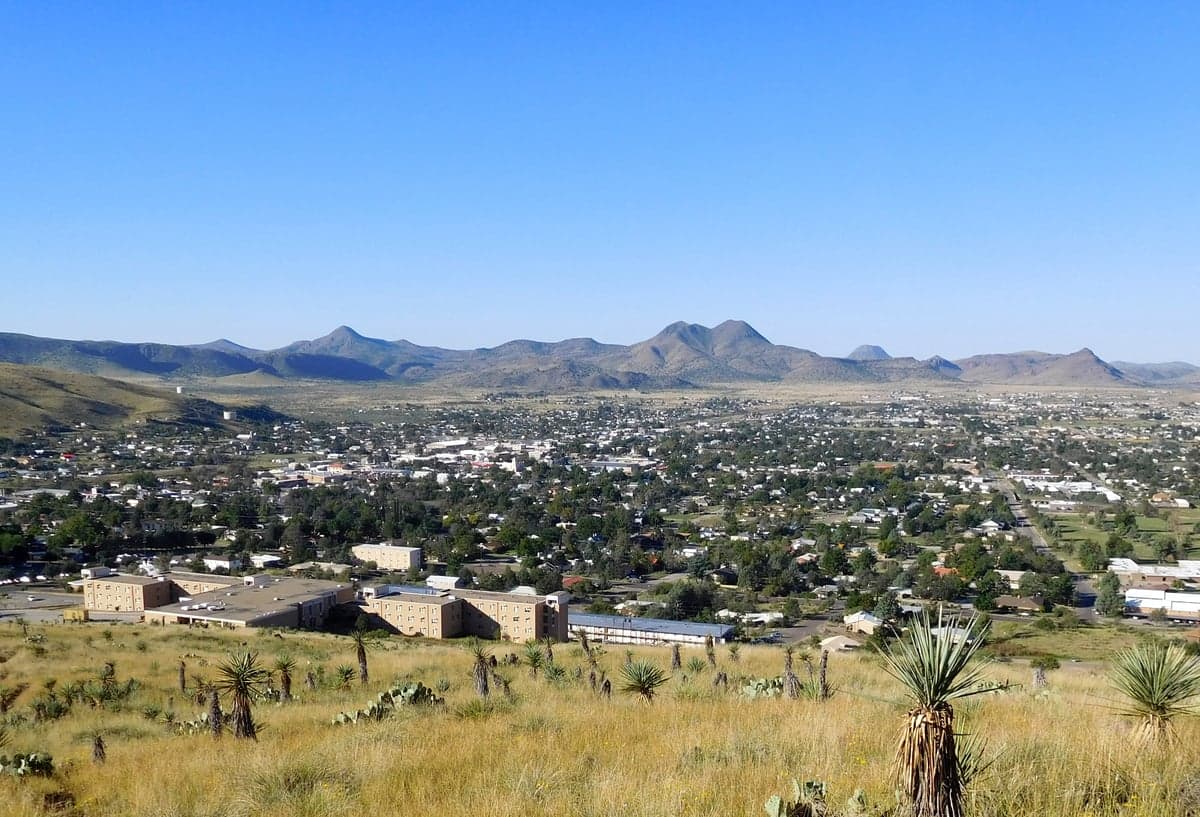
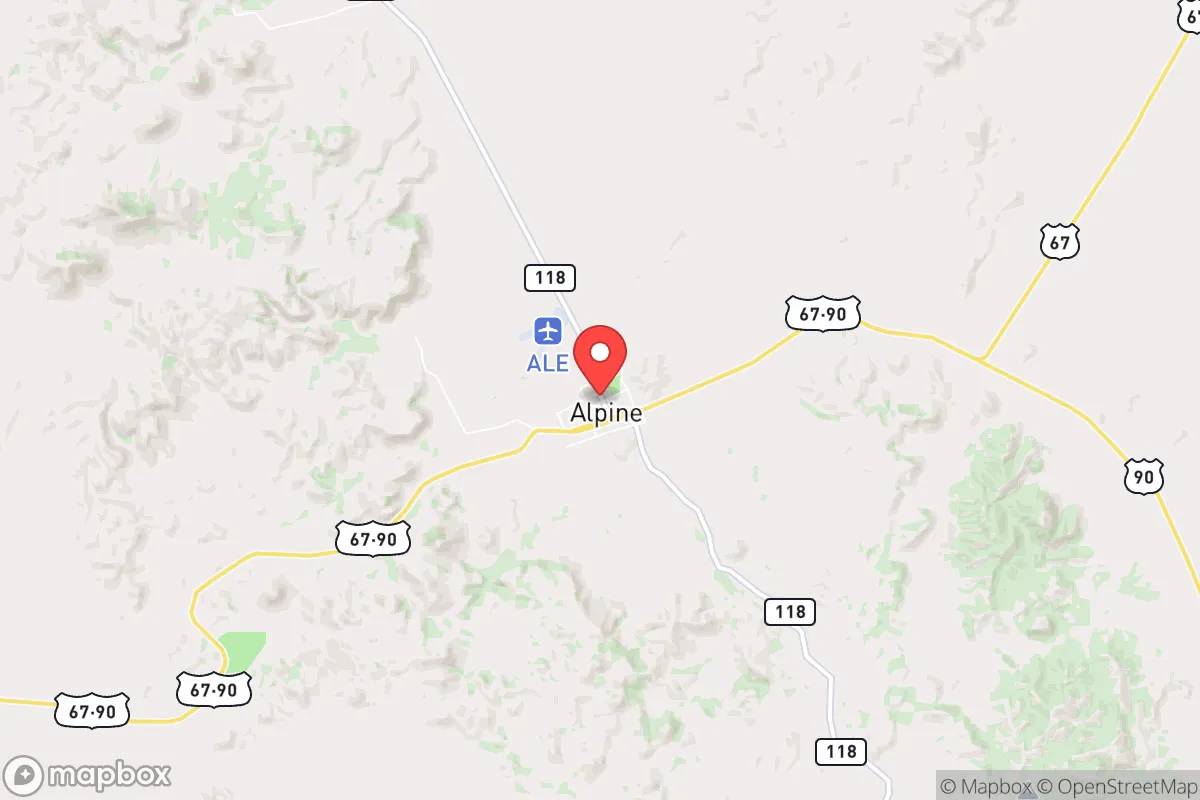
Photo: Wikipedia
Find The Best Places To Live
in Alpine
PRO TIP! You can paste a Zillow or Redfin link to get info on that property.
What It's Like Living in Alpine, TX
Alpine, Texas, feels like a place that was deliberately set apart from the rest of the world—a small, self-reliant town of 6,003 people sitting at 4,500 feet in the high desert of the Big Bend region. It’s not a tourist trap like Marfa, nor a dusty border town; it’s a working community with a genuine, unhurried rhythm where people know each other by name and the nearest traffic light is still a novelty. If you’re considering a move here, you’re likely looking for space, quiet, and a life that doesn’t revolve around a strip mall.
The Daily Rhythm: Slow Mornings and Long Horizons
Life in Alpine moves at a pace that can feel jarring if you’re coming from a city. The average commute is about 27 minutes—longer than you’d expect for a town this size, but that’s because many residents live on acreage outside the city limits or drive in from nearby communities like Marathon or Fort Davis. Most people work for Sul Ross State University, the local school district, or the hospital; others are ranchers, remote workers, or retirees who chose the high desert for its clear air and low cost of living. The cost of living index sits at 76, well below the national average, and the median home value of $207,700 means a decent house is still affordable on a median income of $54,503. You’ll see folks grabbing coffee at Front Street Books or breakfast tacos at La Casita before heading to work, and weekends are often spent on the porch, at a kid’s soccer game, or driving out to Big Bend National Park (about an hour south). There’s no rush hour to speak of—just the occasional slow truck hauling hay.
Sports, Community, and What People Actually Do for Fun
High school sports are the main event here. Alpine High School’s Fighting Bucks football games on Friday nights draw a significant portion of the town, and the whole community shows up for volleyball, basketball, and track. There’s no pro or college team within two hours, so the local teams carry the weight of civic pride. Beyond athletics, the social calendar revolves around a handful of beloved annual events: the Alpine Cowboy Poetry Gathering in February, the Big Bend Bluegrass Festival in March, and the Alpine Art Walk every first Friday. For nightlife, you’ve got Railroad Blues, a legendary live music dive bar that books everything from Texas country to punk, and Plaine’s, a quieter spot for a beer and a burger. The Brick Vault Brewery & BBQ is a newer addition that’s become a weekend staple for families. Outdoor recreation is the real draw—hiking in the Davis Mountains, stargazing (Alpine is one of the darkest spots in Texas), and floating the Rio Grande are all within an hour’s drive.
Who Fits In—and Who Doesn’t
Alpine works best for people who value solitude, self-sufficiency, and community interdependence. It’s a mix of ranchers, university faculty, artists, and retirees, with a median age of 44 and 42.3% holding a college degree—higher than the state average, thanks to Sul Ross. You’ll find a slightly conservative lean overall, but it’s not a hardline political place; the university and the arts scene bring a more moderate, live-and-let-live attitude. Families appreciate the low crime rate (violent crime is 66.2 per 100,000, well below national averages) and the fact that kids can still ride bikes to the park. Singles and couples without kids might find the dating pool shallow and the social scene limited—there are only a handful of bars and restaurants, and you’ll see the same faces often. Affluence isn’t flashy here; most people live comfortably but modestly, and the wealth that exists is tied to land, not stocks.
Honest Pros and Cons of Living in Alpine
- Pro: Genuine community feel—neighbors help each other, and it’s easy to get involved in local government or school events.
- Pro: Stunning natural surroundings with world-class dark skies, hiking, and proximity to Big Bend National Park.
- Pro: Low cost of living and affordable housing compared to most of Texas.
- Con: Limited shopping and dining—you’ll drive 90 minutes to Odessa for a mall or a chain restaurant.
- Con: Healthcare is basic; serious medical issues require a trip to Midland or El Paso.
- Con: Summer heat is intense (often 95°F+), and the wind can wear on you.
- Con: The isolation can feel oppressive if you’re used to city amenities or a large social circle.
Weather, Schools, and the Seasonal Rhythm
Alpine has four distinct seasons, which surprises many newcomers. Winters are cold but sunny, with occasional snow that shuts down the town for a day. Spring brings wildflowers and relentless wind. Summer is hot and dry, but the altitude keeps nights cool. Fall is the sweet spot—crisp air, clear skies, and the start of football season. The Alpine Independent School District is small but well-regarded, and the high school serves as a community hub. The local schools are a major reason families choose Alpine; class sizes are small, and teachers tend to stay for decades. There’s also Alpine Montessori for younger kids. The biggest practical reality: you will drive. A lot. The nearest Walmart is 40 minutes away in Fort Stockton, and the nearest airport with commercial flights is in Midland, two hours east. But for those who trade convenience for space and quiet, Alpine offers a version of Texas life that feels increasingly rare.

Similar small towns to Alpine
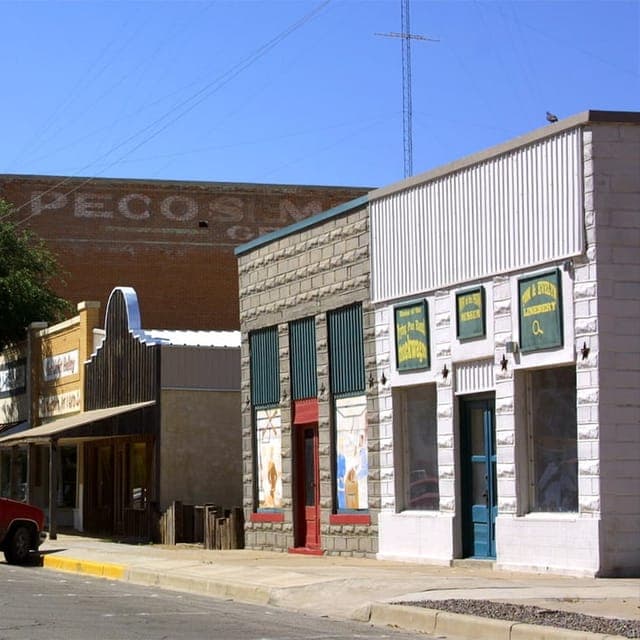
* Values derived from national, state, county, city and local statistics and may differ in a specific area. Last updated: 2026-10-02T21:29:06.000Z
Narrative content on this page is AI-generated and may contain mistakes. Verify any details that matter before acting on them.
ReloMaps may earn a commission from affiliate links at no extra cost to you.

