Strategic Assessment of Prince Of Wales Hyder County
Deep buffer from population centers and strategic targets. Low natural disaster risk and minimal exposure to border or coastal threats.
What does the Strategic Assessment tell us?
Our Strategic Assessment grades tactical survivability of an area. Major population centers, military targets, fallout zones, natural disasters, and border exposure all drive risk — lower exposure means a more defensible position in a crisis.
This is heavily inspired by Joel Skousen's Strategic Relocation book. Highly recommended you checkout the book ($)What does this tell us?
Our Strategic Assessment grades tactical survivability of an area. Major population centers, military targets, fallout zones, natural disasters, and border exposure all drive risk — lower exposure means a more defensible position in a crisis.
This is heavily inspired by Joel Skousen's Strategic Relocation book. Highly recommended you checkout the book ($)Strategic Pillars

Key Distances
Strategic Assessment Analysis
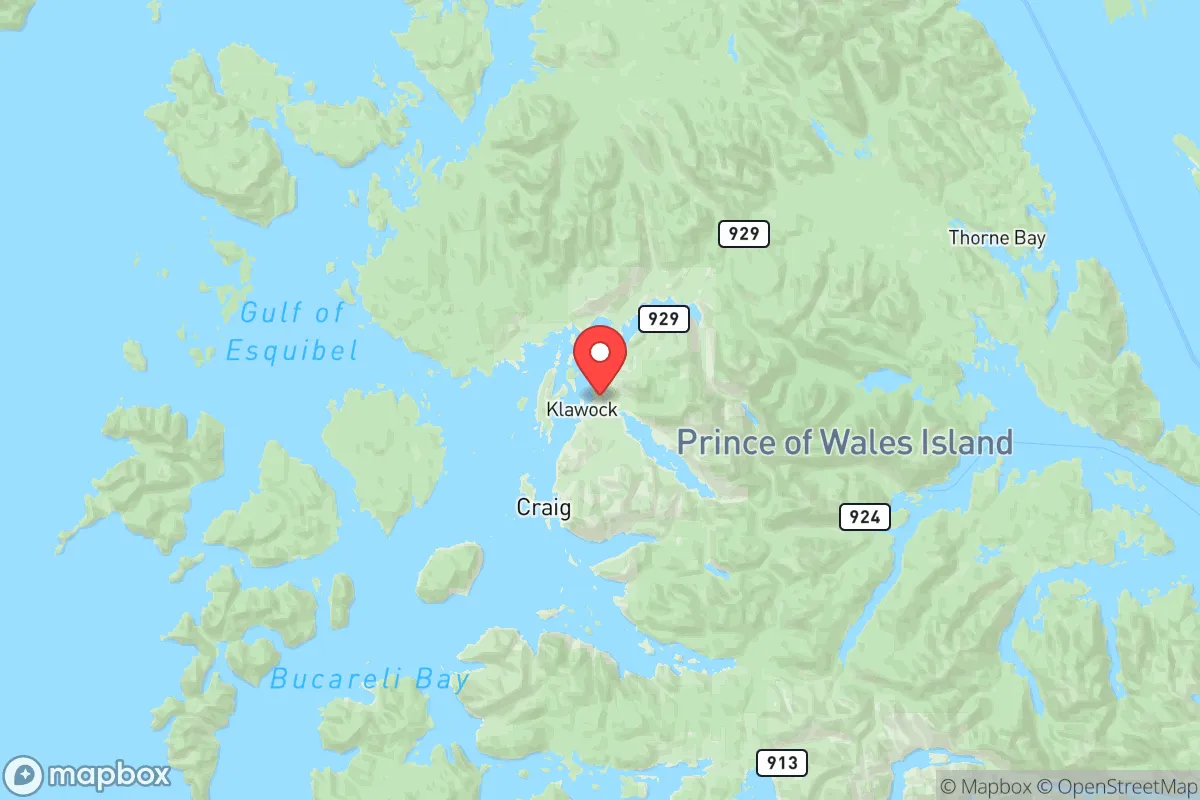
Prince of Wales-Hyder Census Area, Alaska, offers a relocation profile defined by extreme geographic isolation, abundant natural resources, and a population density so low that it effectively functions as a natural buffer against many cascading risks that threaten more connected regions. For the reader prioritizing disaster readiness and self-sufficiency, this area presents a compelling trade-off: profound logistical challenges in exchange for a level of strategic security that is nearly impossible to find in the Lower 48. The primary settlement, Craig, serves as the de facto economic hub, while Klawock, Hydaburg, and the remote community of Port Protection each offer distinct variations on the same theme of resilient, resource-based living in the Tongass National Forest.
Geographic position and natural advantages for long-term security
Prince of Wales Island itself is the fourth-largest island in the United States, a landmass of over 2,500 square miles that provides substantial room for dispersion and resource extraction. The census area's position in the Alexander Archipelago places it hundreds of miles from any major population center; the nearest city of significant size, Juneau, is accessible only by air or sea, and Anchorage lies over 700 miles away. This isolation is the area's primary strategic asset. There are no roads connecting the island to the mainland, meaning any large-scale disruption—whether natural or man-made—would have to overcome a significant maritime barrier to affect residents. The surrounding waters of the Pacific Ocean and the Inside Passage create a natural moat, while the dense temperate rainforest canopy offers concealment and a moderated microclimate. For a relocator concerned with fallout-relevant landmarks, the absence of any nuclear power plants, major military bases, or strategic industrial targets within the census area is a definitive advantage. The nearest potential targets of consequence are the port and infrastructure of Ketchikan, roughly 30 miles across the Clarence Strait, and the distant naval installations in the Puget Sound region—both far enough removed to be irrelevant to a local survival scenario.
Risks, exposures, and proximity to fallout-relevant landmarks
The primary risks in Prince of Wales-Hyder are natural and environmental, not man-made. The region sits in a seismically active zone; the Queen Charlotte Fault runs just offshore, capable of generating magnitude 8.0+ earthquakes and subsequent tsunamis. Low-lying coastal communities like Craig and Klawock face a real, if infrequent, tsunami risk, though the island's steep topography provides ample high-ground refuge within a short distance. The area's heavy annual rainfall—often exceeding 150 inches—creates chronic challenges with infrastructure maintenance, road washouts, and mold, which are more persistent threats than any single catastrophic event. From a fallout perspective, the census area's extreme remoteness is its greatest protection. There are no refineries, no major military installations, and no high-value industrial complexes within the region. The nearest plausible target for a strategic strike would be the naval base at Kitsap in Washington state, over 600 miles to the south, or the Joint Base Elmendorf-Richardson near Anchorage. In practical terms, a relocator here is unlikely to face any direct fallout exposure unless a conflict specifically targeted Alaskan infrastructure, which remains a low-probability scenario compared to risks in the contiguous United States. The more immediate concern is the area's vulnerability to supply chain disruptions; nearly all fuel, building materials, and manufactured goods arrive by barge, and a major earthquake or prolonged storm could sever that lifeline for weeks.
Practical resilience for a relocator: food, water, energy, and defensibility
Prince of Wales-Hyder excels in the fundamentals of self-sufficient living. Fresh water is abundant; the island is laced with salmon streams, clear lakes, and consistent rainfall that makes rainwater catchment a reliable primary source. The surrounding ocean and rivers provide a protein-rich food supply that is among the most resilient in North America: five species of Pacific salmon, halibut, crab, shrimp, and a variety of shellfish are harvestable with the right gear and knowledge. The Tongass National Forest supports deer, black bear, and small game, while intertidal zones offer seaweeds and other forage. For energy, the area is heavily dependent on diesel-generated electricity and heating oil, which is a vulnerability. However, the dense forest cover provides an essentially unlimited supply of firewood for heating, and the region's steep terrain and high precipitation offer viable micro-hydro and small-scale hydroelectric potential for those with the capital to install it. Solar is less practical due to persistent cloud cover, but wind can be harnessed in exposed coastal sites. Defensibility is inherently high: the island's road network is limited and easily monitored, and the majority of land is publicly owned national forest, meaning a relocator can achieve genuine physical separation from neighbors. The social fabric in communities like Hydaburg and Port Protection is tight-knit and often skeptical of outsiders, which can be a barrier to entry but also means that those who integrate gain access to a mutual-aid network that functions out of necessity, not ideology. The primary practical limitation is the cost and difficulty of pre-positioning supplies; everything from ammunition to medical gear to spare parts must be brought in by barge or small aircraft, and the window for reliable barge deliveries is weather-dependent.
The overall strategic picture for Prince of Wales-Hyder Census Area is one of high security paired with high friction. For the relocator who values genuine isolation, abundant natural resources, and near-zero exposure to strategic targets, this is one of the strongest options available within U.S. territory. The trade-offs are real: a harsh climate, expensive logistics, limited medical infrastructure, and a social environment that demands competence and self-reliance. This is not a location for someone seeking a comfortable retreat with modern amenities; it is a location for someone prepared to work daily for their survival, in exchange for the confidence that their home is unlikely to be a target or a casualty of larger events. For the disciplined individual or family willing to invest in maritime skills, food preservation, and alternative energy, Prince of Wales-Hyder offers a defensible, resource-rich base that few other locations in the country can match.

* Values derived from national, state, county, city and local statistics and may differ in a specific area. Last updated: 2026-07-13T16:27:39.000Z
Narrative content on this page is AI-generated and may contain mistakes. Verify any details that matter before acting on them.
ReloMaps may earn a commission from affiliate links at no extra cost to you.

