Demographics of Prince Of Wales Hyder County
Affluence Level in Prince Of Wales Hyder County
A below-average socioeconomic profile. Incomes, home values, and educational attainment trail the U.S., with higher poverty and unemployment.
People of Prince Of Wales Hyder County
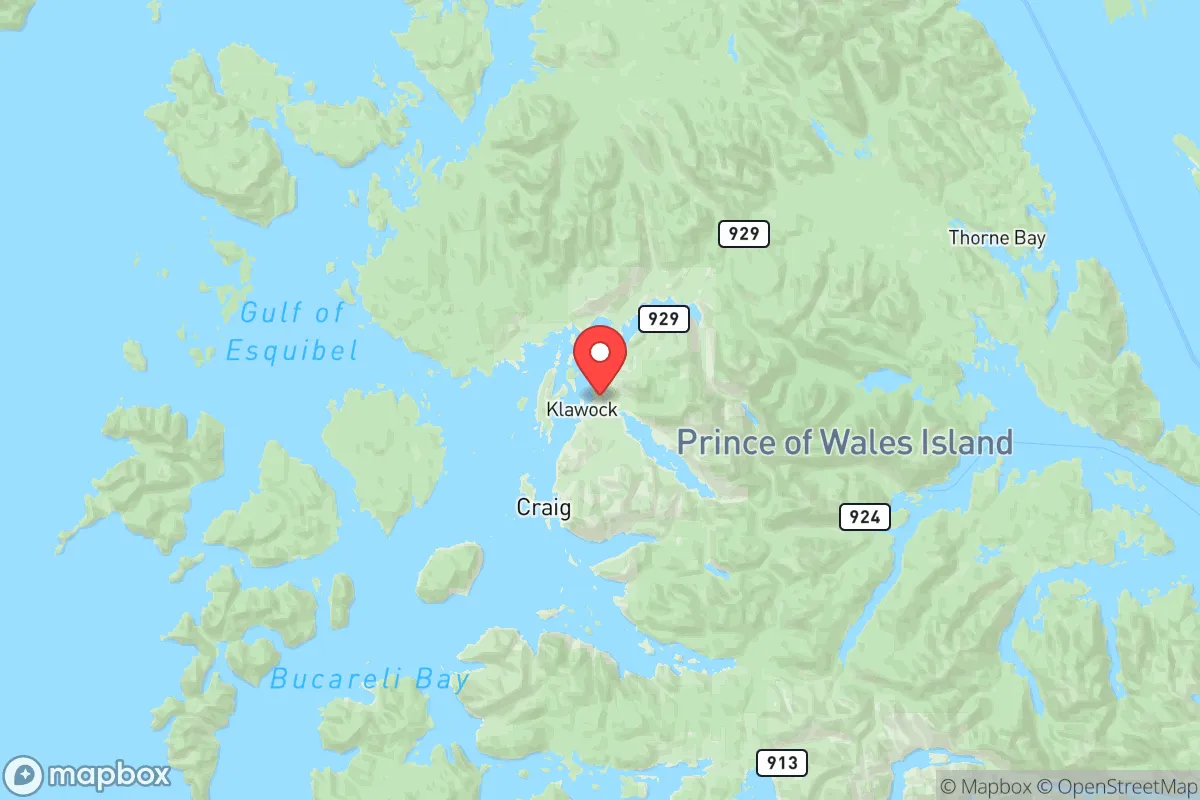
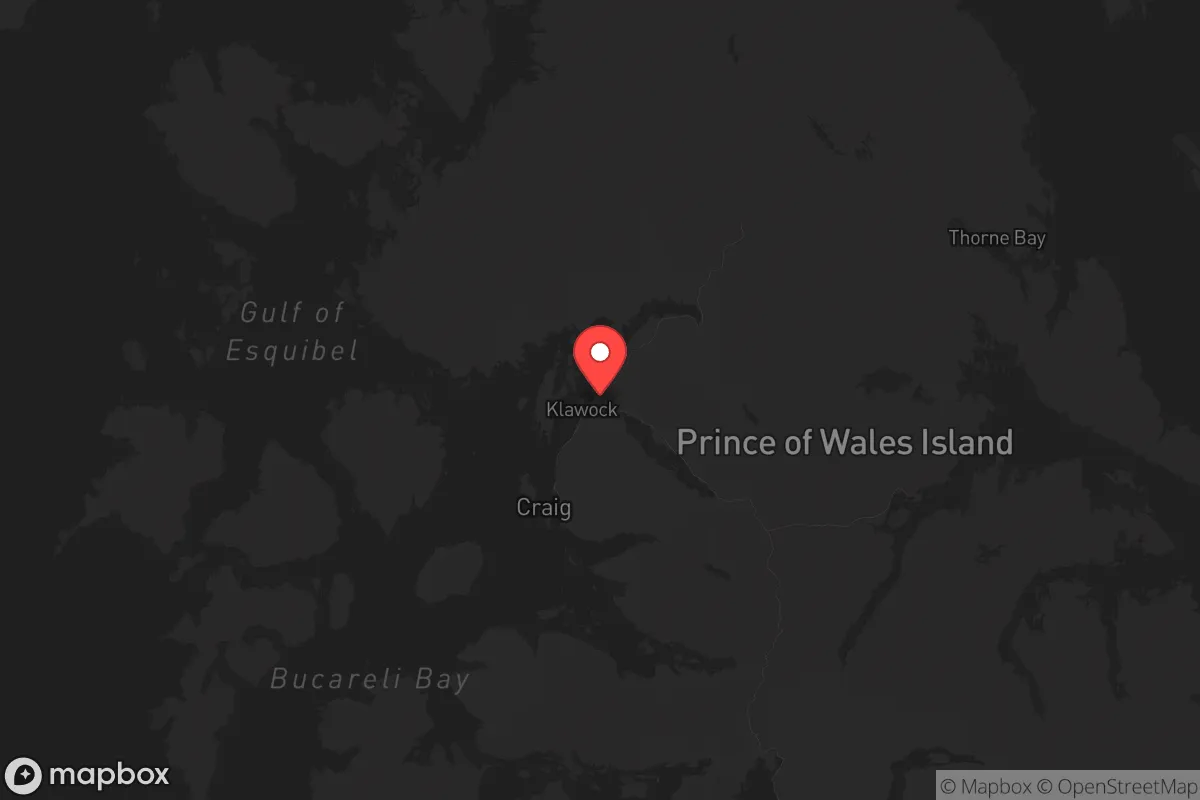
Prince of Wales-Hyder County, Alaska, is one of the most sparsely populated and geographically isolated regions in the United States, home to roughly 5,730 residents spread across a vast archipelago of islands. The population is predominantly Native American (primarily Tlingit and Haida), with a White plurality of 43.8% and a foreign-born share of just 1.0%, making it one of the least ethnically diverse counties in the nation by immigration metrics. The county's character is defined by its deep-rooted Indigenous heritage, a small but resilient fishing and timber economy, and a strong sense of self-reliance among its scattered communities, which include the principal town of Craig, the historic hub of Klawock, and the remote island outpost of Hydaburg.
Settlement & growth (pre-1960)
The human history of Prince of Wales-Hyder County begins with the Tlingit and Haida peoples, who have occupied the islands and mainland coast for thousands of years. These maritime nations built a complex society based on salmon fishing, cedar carving, and extensive trade networks, with permanent winter villages located at sites like Kasaan and Hydaburg. Russian colonization in the 18th and early 19th centuries had minimal direct impact on the outer islands, though fur traders and Orthodox missionaries occasionally visited. The United States purchased Alaska in 1867, but significant American settlement did not begin until the late 19th century, driven by the discovery of gold and the rise of the salmon canning industry.
The first major non-Native influx occurred between the 1880s and 1910s, when prospectors, fishermen, and cannery workers—mostly of Scandinavian, Irish, and German descent—established seasonal and year-round camps. The town of Craig was founded in 1907 as a fishing and trading post, while Klawock grew around a large salmon cannery built in the 1870s. The federal government's 1906 Alaska Native Allotment Act allowed individual Natives to claim land, but the broader pattern was one of displacement and marginalization, with Native villages like Hydaburg and Kasaan becoming isolated enclaves. The timber industry boomed after World War II, drawing a small wave of loggers and mill workers from the Pacific Northwest, but the population remained tiny—under 3,000 for most of the early 20th century—due to the region's extreme remoteness and lack of road connections.
Modern era (post-1965)
The 1965 Hart-Cellar Act had almost no effect on Prince of Wales-Hyder County, as the foreign-born population remains at just 1.0% today, with no significant immigrant enclaves forming. Instead, the post-1965 demographic story is one of Native political and cultural resurgence, combined with a slow outmigration of non-Native residents as the timber and fishing industries declined. The Alaska Native Claims Settlement Act (ANCSA) of 1971 created regional and village corporations, including the Klawock-based Haida Corporation and the Craig-based Tlingit-Haida Central Council, which gave Native communities greater economic control and land ownership. This period saw a modest return of Tlingit and Haida families to ancestral villages, particularly Hydaburg and Kasaan, where tribal governments now manage local services and cultural programs.
Domestic migration since the 1980s has been minimal and largely negative: the county's population peaked around 6,200 in the 1990s and has since declined to 5,730, as young adults leave for job opportunities in Ketchikan, Juneau, or the Lower 48. The White population, which once formed a majority during the cannery and timber booms, has shrunk to 43.8%, while the Native share has grown to over 50% (the largest single group). Suburbanization is essentially nonexistent—there are no suburbs, only the scattered communities of Craig (the largest, with about 1,200 people), Klawock (800), Hydaburg (380), and the tiny village of Thorne Bay (470). The county's racial composition has become less diverse in recent decades, as the small Asian (1.6%) and Hispanic (3.6%) populations have not grown significantly, and the Black population remains negligible at 0.4%.
The future
Prince of Wales-Hyder County is likely to continue its slow population decline over the next 10-20 years, as the economic base of fishing and timber faces ongoing challenges from climate change, regulatory shifts, and global market pressures. The Native population will remain the demographic anchor, with tribal governments and corporations playing an increasingly central role in housing, healthcare, and education. The county's cultural identity is becoming more distinctly Indigenous, with Tlingit and Haida language revitalization programs in Hydaburg and Kasaan, and a growing emphasis on subsistence lifestyles and traditional governance. New residents are rare and tend to be either government employees (Forest Service, National Park Service) or remote workers seeking extreme isolation, but the high cost of living and lack of infrastructure will keep in-migration very low. The county will not become more diverse in the conventional sense—its future is one of a stable, Native-majority population with a small White minority, rather than the multicultural growth seen in urban Alaska.
For someone moving in now, Prince of Wales-Hyder County offers a life defined by deep community ties, subsistence hunting and fishing, and a pace of life that is both slower and more demanding than anywhere in the Lower 48. The population is aging, with a median age around 42, and young families are scarce, but those who do settle here find a place where Native traditions and small-town self-reliance still shape daily reality. It is not a destination for career growth or ethnic diversity, but for those seeking a genuine, land-based existence in one of America's last true frontiers, it remains a singular choice.

* Values derived from national, state, county, city and local statistics and may differ in a specific area. Last updated: 2026-07-13T16:27:39.000Z
Narrative content on this page is AI-generated and may contain mistakes. Verify any details that matter before acting on them.
ReloMaps may earn a commission from affiliate links at no extra cost to you.

