Quality of Life in Prince Of Wales Hyder County
A livable area that tracks near national norms for affordability, walkability, and neighborhood health.
What does Quality of Life tell us?
Quality of Life measures an area by evaluating factors like cost of living, nearby amenities, country club access, airport proximity, socioeconomic signals and neighborhood character. For large states, this is a general average — quality of life can vary dramatically between metro areas, suburbs, and rural communities within the same state.
What does this tell us?
Quality of Life measures an area by evaluating factors like cost of living, nearby amenities, country club access, airport proximity, socioeconomic signals and neighborhood character. For large states, this is a general average — quality of life can vary dramatically between metro areas, suburbs, and rural communities within the same state.
Cost of Living
21% below national average
93%
The Real Cost of Living in Prince Of Wales Hyder County for 2026
| Tier | Individual | Family (4) |
|---|---|---|
| Survival | $15k | $27k |
| Comfortable | $43k | $63k |
| Luxury | $107k+ | $165k+ |
| Elite (Top 5%) | $125k+ | $194k+ |
Quality-of-Life Analysis
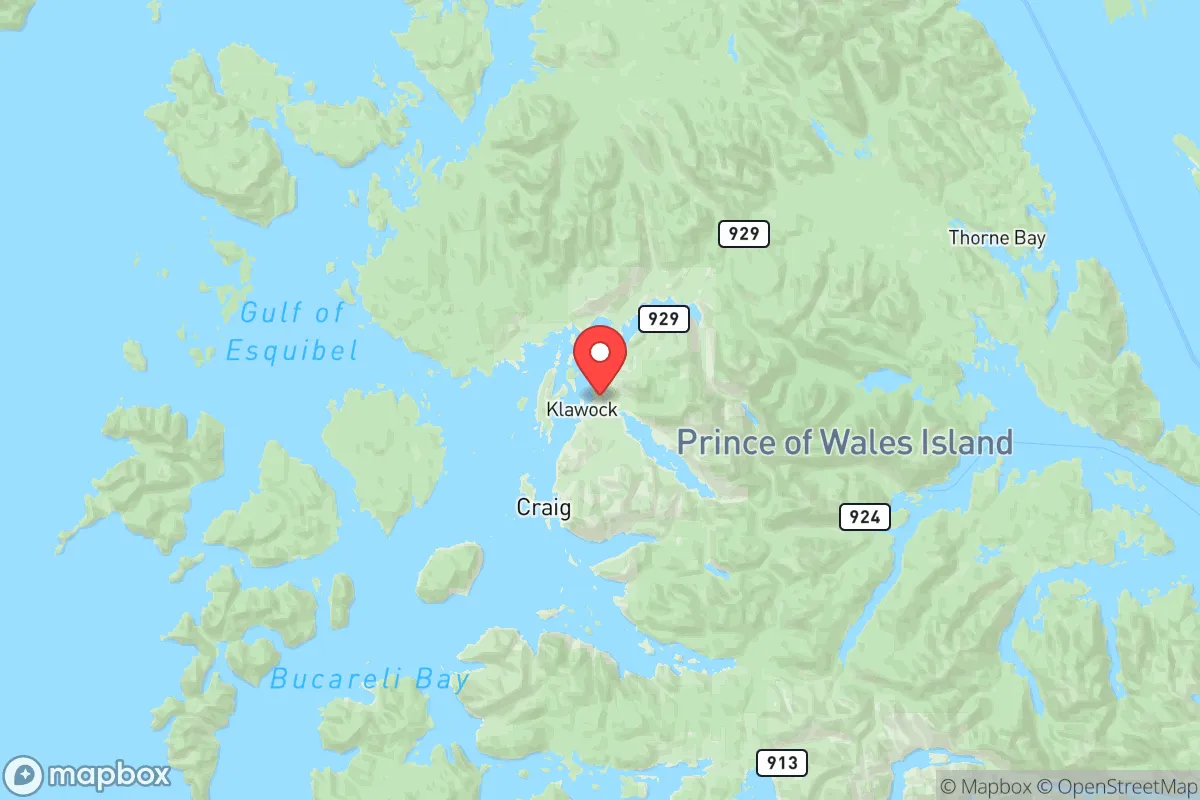
Prince of Wales-Hyder County, Alaska, offers a quality-of-life spectrum that ranges from the modest commercial hub of Craig to the remote, roadless island communities of Hydaburg and Kasaan, attracting everyone from commercial fishermen and government employees to homesteaders and those seeking profound isolation. The county, encompassing most of Prince of Wales Island and the mainland exclave of Hyder, is defined by its temperate rainforest, reliance on marine resources, and a deep-seated independence that varies significantly from one community to the next. Daily life is shaped by the Alaska Marine Highway System, floatplane service, and a network of logging roads that connect some towns while leaving others accessible only by water or air.
Largest town(s) & population centers
Craig, with a population of roughly 1,000, functions as the county's primary service center and the largest community on Prince of Wales Island. Daily life here revolves around the harbor, the seafood processing plants, and the local school district, with residents enjoying amenities such as a grocery store, hardware store, medical clinic, and the Craig High School. Klawock, located just a few miles north, is the second-largest town with around 700 residents and is known for its tribal government presence, the Klawock City School, and its own active fishing fleet. Together, Craig and Klawock form a contiguous developed corridor along the island's west coast, providing the closest thing to suburban convenience in the county, including a small airport with scheduled flights to Ketchikan. Hyder, the mainland exclave accessible only by road from Stewart, British Columbia, is a distinct population center of about 80 year-round residents, functioning as a unique border community with a tourism-driven economy centered on bear viewing and glacier access.
Smaller towns & rural pockets
Beyond the main hubs, the county is dotted with smaller, predominantly Alaska Native communities that offer a quieter, more traditional lifestyle. Hydaburg, home to roughly 380 residents, is a Haida village on the island's southwest coast known for its strong cultural preservation and remote setting, accessible only by boat or plane. Kasaan, with a population under 50, is a smaller Haida village on the eastern side of the island that offers extreme seclusion and a deep connection to the surrounding old-growth forest. Thorne Bay, once a bustling logging camp, now has about 470 residents and serves as a quieter alternative to Craig, with its own school, post office, and airstrip. Coffman Cove, on the island's northern end, is a small community of roughly 180 people that attracts those seeking a slower pace with access to the Stikine River and excellent fishing. These communities lack the retail options of Craig and Klawock, meaning residents plan trips to town for major supplies, but they offer lower housing costs and a tighter-knit social fabric.
Cost & lifestyle range
The cost of living in Prince of Wales-Hyder County is notably lower than the Alaska average, with a composite cost of living index of 79 (100 = US average), driven largely by below-average housing costs. The median home value sits at $221,800, and median rent is $915, making homeownership more attainable here than in much of Southeast Alaska. At the higher end of the spectrum, Craig and Klawock command the highest real estate prices, with waterfront homes and properties with harbor access often exceeding $300,000, while offering the most amenities and shortest commutes — the average county commute is just 12.1 minutes. At the lower end, communities like Kasaan and Hydaburg offer homes for well under $150,000, but with significantly higher costs for goods due to freight charges and fewer local employment opportunities. The lifestyle range is stark: a resident in Craig can walk to a restaurant or the library, while a resident in Kasaan may need to boat 30 miles to reach a grocery store, yet both share the same fundamental reality of living in a remote, road-connected (within the island) environment where self-reliance and community cooperation are essential.
This county is best suited for individuals and families who value outdoor recreation, subsistence living, and a slower pace of life, and who are comfortable with the logistical challenges of island living. Those who thrive here are typically employed in fishing, seafood processing, education, healthcare, or local government, and they accept that travel to larger cities like Ketchikan or Juneau requires a flight or a multi-hour ferry ride. For people seeking a genuine off-grid experience with a supportive community, the smaller villages offer an unparalleled lifestyle, while those needing reliable internet, a school system, and basic retail will find Craig and Klawock to be functional, if remote, small towns.

Crime in Prince Of Wales Hyder County
Higher crime rates than 66% of comparable U.S. locations.
Violent CrimeViolent Crime Analysis
Property CrimeProperty Crime Analysis
Crime Analysis
Prince of Wales-Hyder Census Area, a remote archipelago in Southeast Alaska, presents a unique public safety landscape defined by extreme geographic isolation and small, dispersed communities. The area’s violent crime rate of 726.6 incidents per 100,000 residents is notably higher than the national average, while its property crime rate of 1,909.5 per 100,000 sits near the national median, though these figures can be volatile due to the small population base. Residents in towns like Craig, the largest community, and Klawock experience a different reality than those in more remote villages such as Hydaburg or Thorne Bay, where law enforcement response times can be measured in hours or days.
Crime in context
When compared to statewide Alaska averages, Prince of Wales-Hyder County’s violent crime rate is elevated, reflecting challenges common to rural Alaska communities including high rates of alcohol-related offenses and domestic violence. The property crime rate, while lower than Alaska’s overall figure, still represents a tangible risk for residents and seasonal property owners. The Alaska Department of Public Safety’s Division of Alaska State Troopers, which provides primary law enforcement for much of the census area, operates with limited personnel across a vast roadless landscape. Communities like Coffman Cove and Kasaan rely heavily on this state coverage, while Craig maintains its own municipal police department, offering a more immediate law enforcement presence. The remote nature of the region means that many crimes, particularly property offenses at seasonal cabins and fishing camps, may go unreported or unresolved.
What residents experience
Daily life in Prince of Wales-Hyder County is shaped by a close-knit community dynamic where personal relationships often intersect with public safety. Residents in Klawock and Craig report that theft from vehicles and unoccupied homes is a recurring nuisance, especially during the busy summer fishing season when transient populations increase. Violent crime, while statistically high, is frequently concentrated within specific social circles and is often alcohol-fueled, meaning the risk to a casual visitor or law-abiding resident is lower than the raw numbers might suggest. The region’s justice system, operating out of the Prince of Wales District Court in Craig, faces the same progressive judicial philosophies seen in many Southeast Alaska communities. These lenient approaches to sentencing and offender rehabilitation, while well-intentioned, have a direct and negative impact on public safety. When offenders are quickly returned to the small, isolated communities where they committed crimes, victims and the general public face continued risk and a diminished sense of justice. This revolving-door dynamic is particularly acute in villages like Hydaburg, where the offender and victim often live within walking distance of each other.
Neighborhood-level variation in crime is less about distinct districts and more about proximity to the few paved roads and ferry terminals. Areas around Craig and Klawock, which have better infrastructure and more consistent law enforcement coverage, tend to see quicker response times and slightly lower rates of unreported crime. In contrast, the more isolated communities on the northern end of the island, such as Whale Pass and Port Protection, experience a different dynamic where community self-policing and informal dispute resolution are common out of necessity. Property owners with remote cabins or fishing lodges should take proactive security measures, as the combination of seasonal vacancy and limited patrols creates opportunities for theft and vandalism. For those considering relocation, the safety picture in Prince of Wales-Hyder County requires a clear-eyed understanding that the statistical crime rates reflect real challenges, and that the progressive judicial environment in Southeast Alaska does not always prioritize the safety of victims and the broader community.
* Values derived from national, state, county, city and local statistics and may differ in a specific area. Last updated: 2026-07-13T16:27:39.000Z
Narrative content on this page is AI-generated and may contain mistakes. Verify any details that matter before acting on them.
ReloMaps may earn a commission from affiliate links at no extra cost to you.

