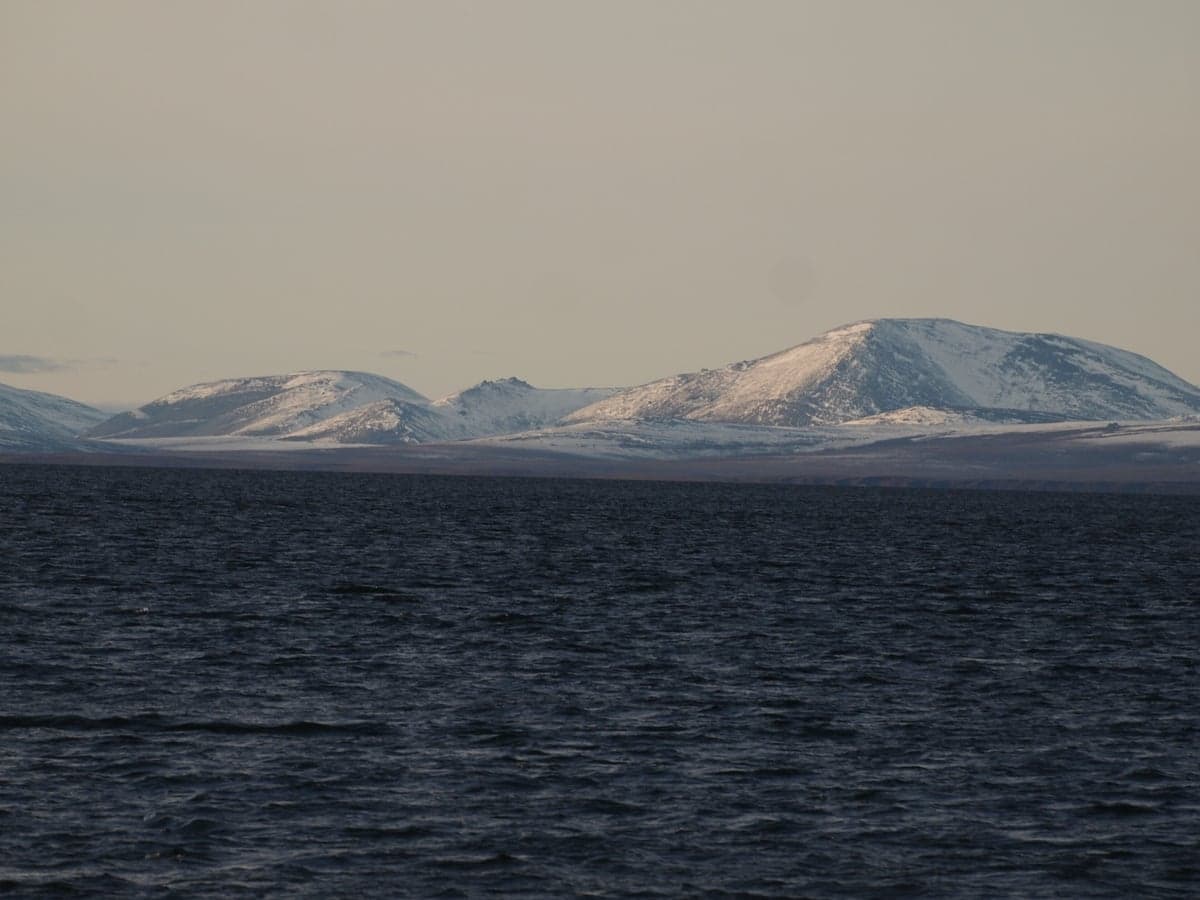
Photo: Wikipedia
Strategic Assessment of Northwest Arctic County
Deep buffer from population centers and strategic targets. Low natural disaster risk and minimal exposure to border or coastal threats.
What does the Strategic Assessment tell us?
Our Strategic Assessment grades tactical survivability of an area. Major population centers, military targets, fallout zones, natural disasters, and border exposure all drive risk — lower exposure means a more defensible position in a crisis.
This is heavily inspired by Joel Skousen's Strategic Relocation book. Highly recommended you checkout the book ($)What does this tell us?
Our Strategic Assessment grades tactical survivability of an area. Major population centers, military targets, fallout zones, natural disasters, and border exposure all drive risk — lower exposure means a more defensible position in a crisis.
This is heavily inspired by Joel Skousen's Strategic Relocation book. Highly recommended you checkout the book ($)Strategic Pillars

Key Distances
Strategic Assessment Analysis
Northwest Arctic County, Alaska, offers a relocation profile defined by extreme remoteness and a harsh but stable environment, making it one of the most strategically resilient locations in the United States for those prioritizing disaster readiness and self-sufficiency. Its primary advantage is sheer distance from major population centers, industrial targets, and the fallout corridors that would affect the Lower 48. The county’s hub, Kotzebue, sits 30 miles above the Arctic Circle on a gravel spit, with no road connections to the rest of Alaska—only seasonal barge and year-round air service. This isolation, while challenging for daily logistics, provides a natural buffer against the cascading failures of a grid-down scenario or a nuclear exchange, as the region lacks the high-value targets that would draw primary or secondary strikes.
Geographic position and natural advantages for long-term survival
Northwest Arctic County spans roughly 40,000 square miles of tundra, coastal plains, and the western Brooks Range, with a population density of about 0.1 people per square mile. The county’s position along the Chukchi Sea and Kotzebue Sound offers access to marine resources, while the Noatak and Kobuk River systems provide inland routes and freshwater. The terrain is largely treeless, which limits cover but also eliminates wildfire fuel loads—a significant advantage over forested regions. The permafrost underlying most of the area creates stable, cold ground that complicates construction but also prevents groundwater contamination from surface events. The nearest major military installation is Clear Air Force Station, over 400 miles southeast, and the closest refinery is the Petro Star refinery in North Pole, roughly 500 miles away. No major ports, nuclear plants, or chemical facilities exist within the county. The only significant infrastructure is the Red Dog Mine, one of the world’s largest zinc mines, located about 90 miles north of Kotzebue—a potential target for localized disruption but not a strategic strike asset. For a relocator, the key geographic advantage is that fallout from a Lower 48 conflict would have to travel thousands of miles across the Arctic, with prevailing winds and the jet stream typically carrying debris eastward over Canada, not northward into this region. The county’s position also places it far from the seismic risks of the Aleutian subduction zone, with only minor earthquake activity recorded historically.
Risks, exposures, and proximity to fallout-relevant landmarks
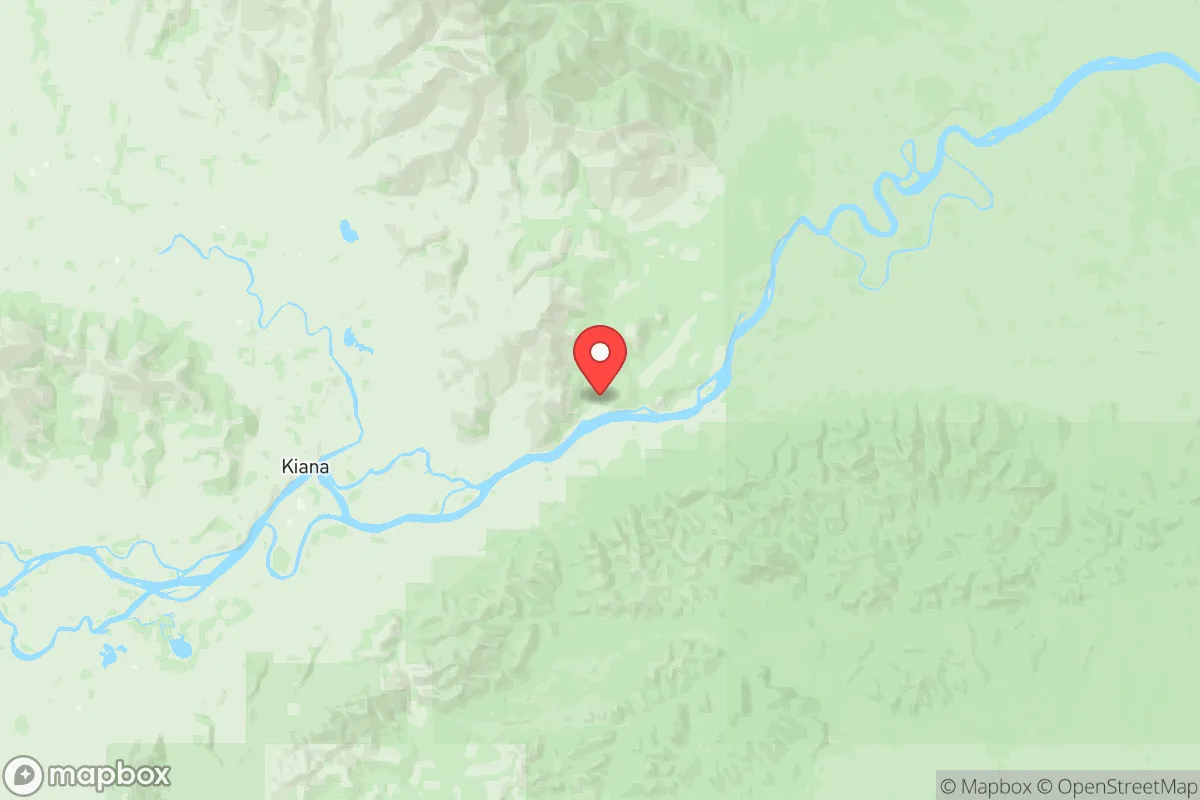
While Northwest Arctic County is far from the primary targets of a major conflict, it is not without risks. The county sits within the range of intercontinental ballistic missile (ICBM) trajectories from Russia, though Alaska’s missile defense assets at Fort Greely (about 500 miles southeast) and Clear AFS are the likely intercept points, not the county itself. The Red Dog Mine, with its heavy equipment and fuel storage, could be a secondary target in a limited conflict, but its remote location makes it a low-priority asset. The primary man-made risk is the county’s dependence on imported fuel and supplies. Kotzebue’s airport and barge dock are the only lifelines for heating oil, diesel, and food, and a disruption to global shipping or a fuel embargo would hit the region hard within weeks. The county has no refineries, no rail connections, and only a single road—the 30-mile gravel road from Kotzebue to the Red Dog Mine port. Natural risks include extreme cold, with average winter lows of -20°F and wind chills below -60°F, which can kill within minutes if shelter is lost. The region also experiences coastal erosion and storm surges, particularly in Kotzebue, where the shoreline has retreated 50 feet in the last decade. There are no active volcanoes within 300 miles, and the flood risk is limited to spring ice jams on the Kobuk River near communities like Kiana and Noorvik. For a relocator, the key exposure is not fallout but the fragility of the supply chain—a single barge failure in August can mean no fuel for the winter.
Practical resilience for a relocator: food, water, energy, and defensibility
For a relocator serious about self-sufficiency, Northwest Arctic County presents both opportunities and severe constraints. Water is abundant from rivers, lakes, and snowmelt, but requires treatment for giardia and bacterial contamination; most households rely on hauled water or rainwater collection, with no centralized treatment plants outside Kotzebue. Food production is extremely limited due to the short growing season (60-90 days) and permafrost, but subsistence hunting and fishing are deeply embedded in the local culture. Caribou herds (the Western Arctic herd, numbering over 200,000 animals) migrate through the county annually, and the Kobuk and Noatak Rivers support salmon runs. Moose, ptarmigan, and waterfowl are also available. A relocator would need to learn traditional preservation methods—drying, smoking, and fermenting—as freezers depend on unreliable power. Energy is the critical vulnerability. The county’s power grid is isolated, with diesel generators in each village. Kotzebue has a small wind farm (three turbines) that offsets about 10% of diesel use, but most communities have no renewable backup. Solar is ineffective in winter (24-hour darkness), and wood is scarce due to the treeless tundra. A relocator would need to bring or build a robust off-grid system: a combination of wind, battery storage, and a backup diesel generator, with fuel stored for at least two years. Defensibility is high due to the low population and vast distances. The county has no police force outside of the Alaska State Troopers, who are based in Kotzebue and cover the entire region by bush plane. Firearms are common, and the terrain offers natural chokepoints along rivers and passes. However, the open tundra provides little cover, and winter travel is limited to snowmobiles or dog teams, making mobility a challenge. The social fabric is tight-knit, with Iñupiat communities that have survived for millennia, but an outsider would face a steep cultural and logistical learning curve. For a family, the isolation can be psychologically taxing, with months of darkness and limited social services.
Overall, Northwest Arctic County offers a strategic picture of extreme resilience through isolation, but at the cost of extreme dependence on imported energy and supplies. It is one of the few places in the United States where a nuclear exchange in the Lower 48 would have negligible direct fallout effects, and where a pandemic or economic collapse would be buffered by subsistence traditions and low population density. However, the same remoteness that provides safety also creates fragility: a single failed barge season, a prolonged cold snap, or a fuel price spike could collapse the local economy. For a relocator with the resources to pre-position fuel, learn subsistence skills, and tolerate harsh conditions, this county represents a viable long-term retreat. For those seeking a balance of safety and convenience, it is likely too extreme. The strategic assessment is clear: Northwest Arctic County is a fortress, but one that requires constant resupply and a willingness to live on the edge of survival.

* Values derived from national, state, county, city and local statistics and may differ in a specific area. Last updated: 2026-06-26T03:22:18.000Z
Narrative content on this page is AI-generated and may contain mistakes. Verify any details that matter before acting on them.
ReloMaps may earn a commission from affiliate links at no extra cost to you.

