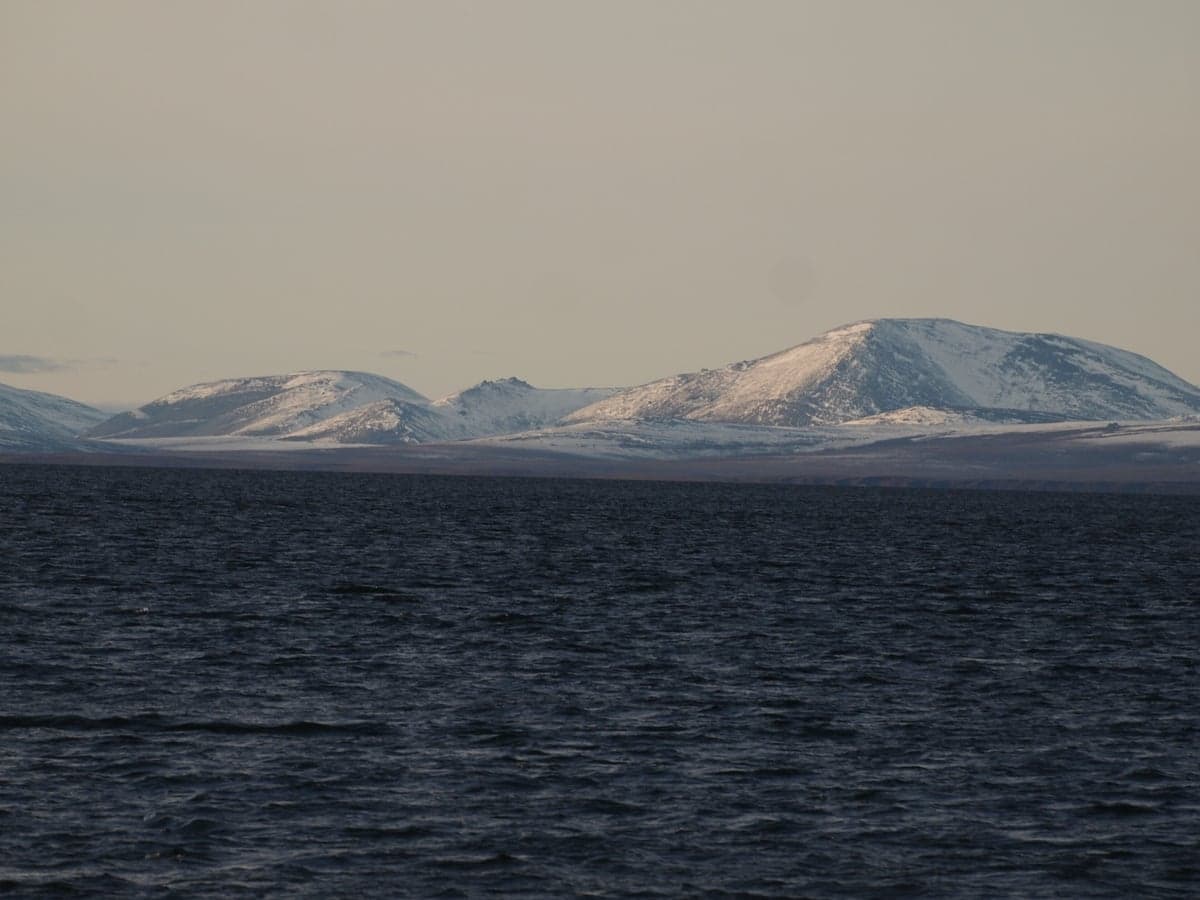
Photo: Wikipedia
Quality of Life in Northwest Arctic County
A livable area that tracks near national norms for affordability, walkability, and neighborhood health.
What does Quality of Life tell us?
Quality of Life measures an area by evaluating factors like cost of living, nearby amenities, country club access, airport proximity, socioeconomic signals and neighborhood character. For large states, this is a general average — quality of life can vary dramatically between metro areas, suburbs, and rural communities within the same state.
What does this tell us?
Quality of Life measures an area by evaluating factors like cost of living, nearby amenities, country club access, airport proximity, socioeconomic signals and neighborhood character. For large states, this is a general average — quality of life can vary dramatically between metro areas, suburbs, and rural communities within the same state.
Cost of Living
8% below national average
158%
The Real Cost of Living in Northwest Arctic County for 2026
| Tier | Individual | Family (4) |
|---|---|---|
| Survival | $21k | $40k |
| Comfortable | $35k | $51k |
| Luxury | $125k+ | $194k+ |
| Elite (Top 5%) | $147k+ | $228k+ |
Quality-of-Life Analysis
Northwest Arctic County, Alaska, offers a quality-of-life spectrum that ranges from the regional hub of Kotzebue, where modern amenities meet Inupiaq tradition, to remote villages accessible only by air or winter ice roads. The county draws self-reliant individuals and families who value subsistence lifestyles, cultural heritage, and close-knit communities, while those seeking urban conveniences or lower living costs may find the isolation and high prices challenging. With a cost-of-living index of 92 (100 being the U.S. average) — misleadingly low due to Alaska’s unique economic factors — the reality is that most goods are expensive due to remote shipping, while median home values at $162,500 and median rents at $1,336 reflect a housing market that is tight but more affordable than Anchorage or Fairbanks.
Largest town(s) & population centers
Kotzebue, the county seat and largest community with roughly 3,200 residents, serves as the commercial, transportation, and administrative center for the region. Daily life here revolves around the Maniilaq Health Center, the Northwest Arctic Borough School District, and the local airport that connects to Anchorage and Nome. Residents have access to a grocery store, a hardware store, a bank, a post office, and several restaurants, but prices for staples like milk or produce can be two to three times the national average. The median commute of 19.5 minutes is typical for a small hub, with most workers walking or driving short distances. Kotzebue also hosts the annual NANA regional corporation events and the Qayassiq (Blanket Toss) festival, blending modern employment with subsistence hunting and fishing on the nearby Kotzebue Sound.
Smaller towns & rural pockets
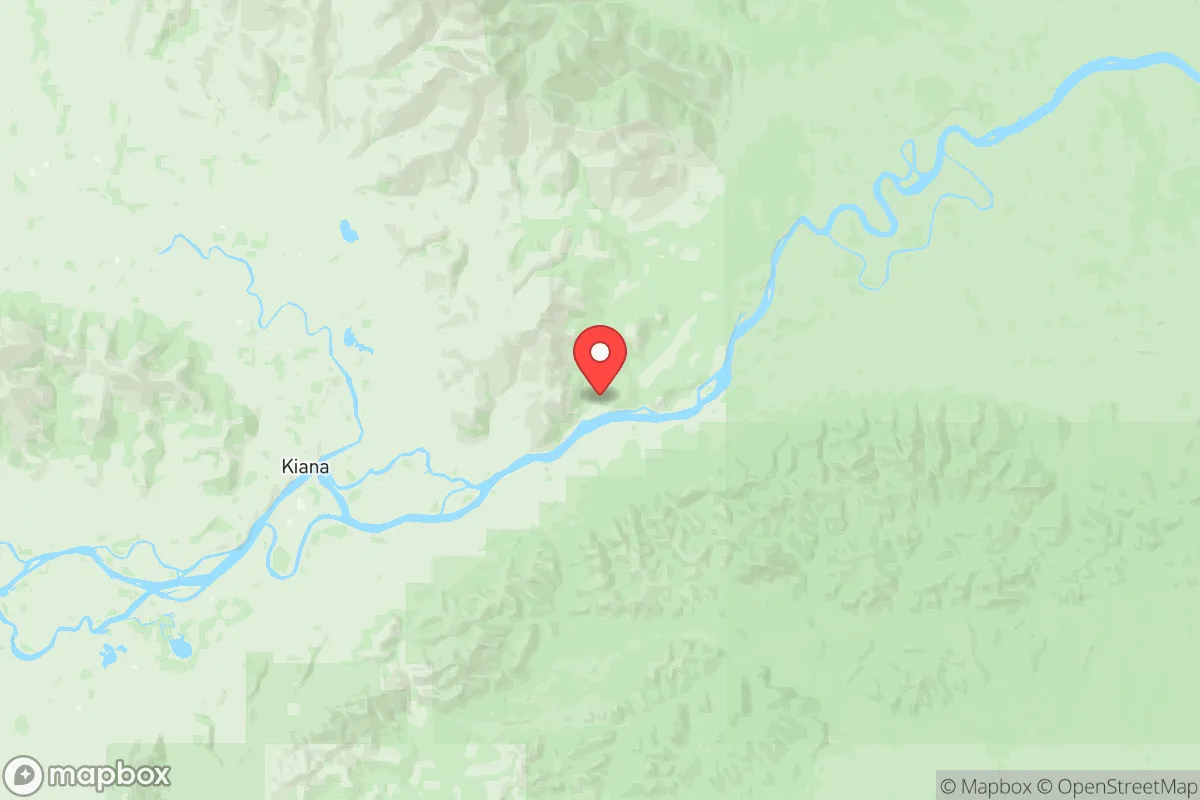
Beyond Kotzebue, the county encompasses 11 smaller villages, each with populations ranging from roughly 150 to 700. These include Kiana (pop. ~360), Noatak (pop. ~570), Selawik (pop. ~830), Ambler (pop. ~260), Shungnak (pop. ~270), Kobuk (pop. ~160), Buckland (pop. ~420), Deering (pop. ~160), and Kivalina (pop. ~400). Life in these villages is centered on subsistence activities — caribou hunting, salmon fishing, berry picking, and seal hunting — with limited infrastructure. Most villages have a school, a small store (often with high prices and limited selection), a health clinic, and airstrips. Kivalina is notably threatened by coastal erosion and has been actively seeking relocation, which shapes daily life with ongoing infrastructure challenges. Noatak sits along the Noatak River and offers access to the Noatak National Preserve, attracting a few adventurous outsiders but remaining deeply traditional.
Cost & lifestyle range
The cost-of-living index of 92 is deceptive: while housing is cheaper than the U.S. average (median home value $162,500 vs. national ~$350,000), the cost of food, fuel, and utilities is dramatically higher due to transportation costs. In Kotzebue, a gallon of milk might cost $8–$10, and gasoline can exceed $6 per gallon. Rent at $1,336 for a modest apartment is comparable to many Lower 48 towns but offers less square footage. At the low-cost end, Ambler and Kobuk have lower housing costs (some homes under $100,000) but even higher food prices and fewer amenities. At the higher-cost end, Kotzebue offers more employment opportunities in healthcare, education, and local government, but also higher utility bills due to reliance on diesel generators. The lifestyle range is stark: Kotzebue residents can attend a movie night at the community center or shop at a store with fresh produce (when available), while villagers in Shungnak or Buckland may rely on mail-order groceries and have no paved roads. The average commute of 19.5 minutes reflects the compact nature of all communities, but travel between villages requires expensive bush plane flights or seasonal snowmachine routes.
Those who thrive in Northwest Arctic County are typically individuals with strong ties to Inupiaq culture, a tolerance for extreme isolation, and a willingness to pay high prices for basic goods. Outsiders who succeed often work in healthcare, education, or resource management and embrace the subsistence lifestyle. The county offers a unique quality of life where community bonds are deep, the natural environment is pristine, and modern conveniences are limited — a trade-off that appeals to a specific, resilient demographic rather than the general relocating population.

Crime in Northwest Arctic County
Higher crime rates than 66% of comparable U.S. locations.
Violent CrimeViolent Crime Analysis
Property CrimeProperty Crime Analysis
Crime Analysis
Northwest Arctic County, Alaska, presents a unique public safety landscape where violent crime rates significantly exceed both state and national averages, while property crime rates also remain elevated. The county, which encompasses the remote communities of Kotzebue, Noatak, Selawik, and Kiana, recorded a violent crime rate of 732.2 per 100,000 residents and a property crime rate of 1,917.5 per 100,000 in the most recent reporting period. These figures place the region among the higher-crime areas in Alaska, though the nature of crime here differs markedly from urban centers due to the region's isolation, small population, and unique socioeconomic challenges.
Crime in context
When compared to the statewide Alaska violent crime rate of approximately 650 per 100,000 and the national average of roughly 380 per 100,000, Northwest Arctic County's violent crime rate of 732.2 per 100,000 is about 12% higher than the state average and nearly double the national figure. Property crime in the county, at 1,917.5 per 100,000, is slightly below the Alaska state average of about 2,200 per 100,000 but remains significantly above the national property crime rate of approximately 1,950 per 100,000. The most common violent crimes reported are aggravated assault and sexual assault, which are often linked to alcohol abuse and domestic disputes in the region's small, close-knit communities. The county's judicial system operates under the Alaska Department of Law's Second Judicial District, based in Kotzebue, where prosecutors handle cases from all 11 villages. Critics note that the district's approach to sentencing, influenced by restorative justice principles common in rural Alaska, can result in lighter sentences for repeat offenders, potentially contributing to recidivism and a sense among residents that the justice system prioritizes offender rehabilitation over public safety.
What residents experience
For residents of Northwest Arctic County, safety concerns are deeply tied to daily life in remote villages. In Kotzebue, the county seat and largest community with about 3,200 residents, property crimes such as burglary and vehicle theft are common, often targeting unoccupied homes and subsistence gear like snowmachines and boats. The villages of Noatak, Selawik, and Kiana report lower overall crime rates than Kotzebue, but violent incidents, particularly alcohol-fueled assaults, remain a persistent issue. The lack of a permanent police presence in many villages—the Alaska State Troopers and local Village Public Safety Officers (VPSOs) rotate through communities—means response times can stretch to hours or even days. This reality forces many residents to rely on informal community watch systems and personal preparedness. The region's high cost of living and limited economic opportunities also correlate with property crime, as theft of fuel, food, and hunting equipment is not uncommon. Residents in more remote villages like Ambler and Shungnak often report feeling safer than those in Kotzebue, but the trade-off is minimal access to law enforcement and emergency services.
Neighborhood-level variation
Within Northwest Arctic County, safety varies noticeably between Kotzebue and the outlying villages. Kotzebue, as the regional hub, experiences the highest concentration of both violent and property crime, particularly in areas near the airport and the main commercial corridor. The villages of Noatak and Selawik, while smaller, have seen periodic spikes in domestic violence and alcohol-related incidents, though their tight-knit social structures often lead to quicker informal resolution. Kiana and Ambler are generally considered among the safer communities, with lower reported crime rates and stronger community cohesion. However, the county's overall safety is undermined by the progressive judicial philosophy prevalent in the Second Judicial District, where judges and district attorneys often emphasize treatment and diversion over incarceration for non-violent offenders. This approach, while well-intentioned, has led to a revolving door for property crime offenders and, in some cases, violent offenders who reoffend after short sentences. For prospective residents, the safest choice is typically a smaller village with strong local leadership, but even there, the absence of consistent law enforcement means personal vigilance and community cooperation are essential for daily safety.
* Values derived from national, state, county, city and local statistics and may differ in a specific area. Last updated: 2026-06-26T03:22:18.000Z
Narrative content on this page is AI-generated and may contain mistakes. Verify any details that matter before acting on them.
ReloMaps may earn a commission from affiliate links at no extra cost to you.

