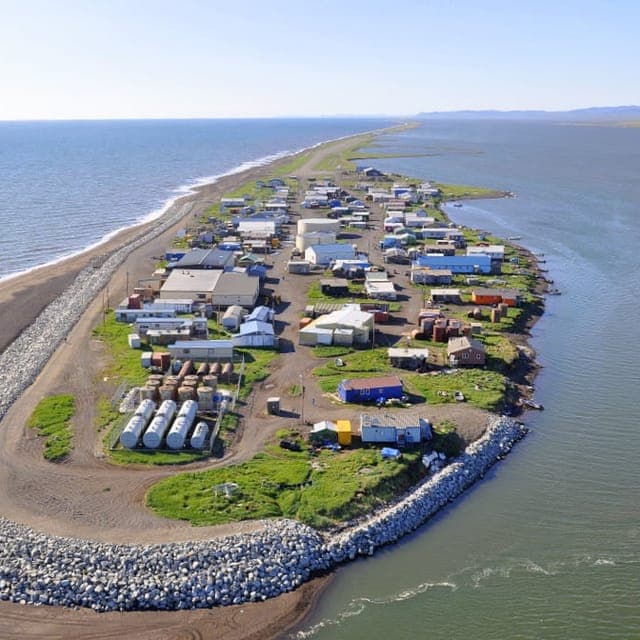
Photo: Wikipedia
Find The Best Places To Live in Northwest Arctic County
PRO TIP! You can paste a Zillow or Redfin link to get info on that property.
Best Places to Live in Northwest Arctic County
Cities & Towns in Northwest Arctic County
Cities in Northwest Arctic County
What It's Like Living in Northwest Arctic County, AK
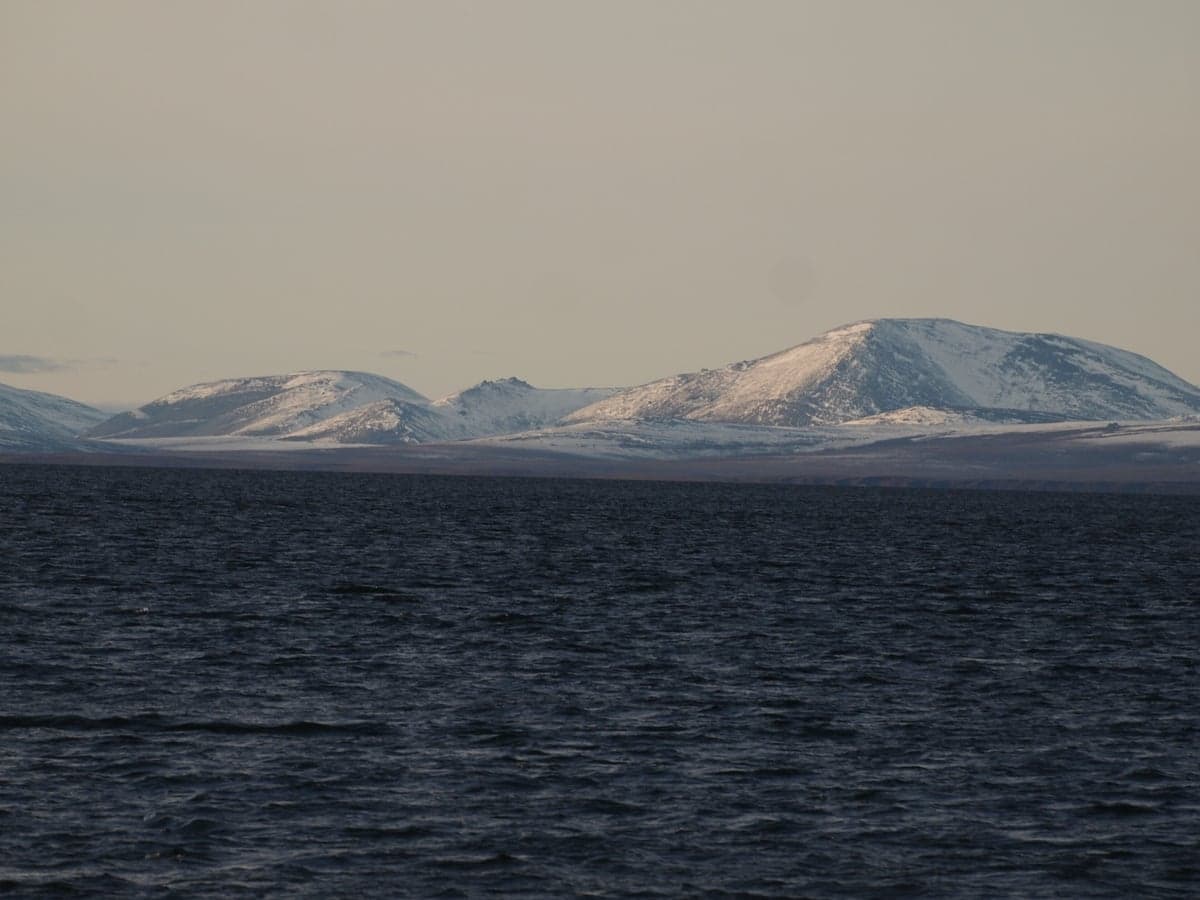
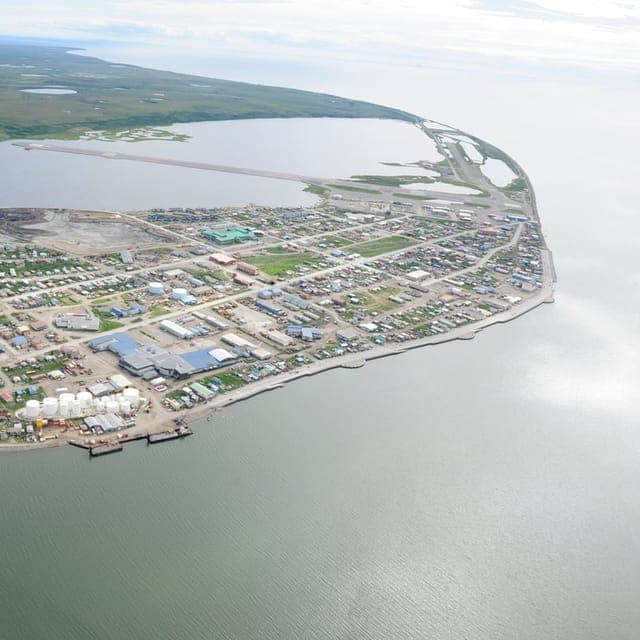
Living in Northwest Arctic County means embracing a life where the vast, raw Alaskan wilderness is your backyard and the rhythms of the seasons dictate the pace of everything. This is a place of small, resilient communities like Kotzebue, the regional hub, and more remote villages such as Noatak, Selawik, and Kiana, where subsistence hunting and fishing are as central to daily life as a paycheck. It’s a world apart from the Lower 48, demanding self-reliance and a deep respect for the land, but offering a sense of community and connection to nature that’s hard to find anywhere else.
The Daily Rhythm in Kotzebue and the Villages
Daily life here is a blend of modern necessity and ancient tradition. In Kotzebue, the largest city with a population just over 3,000, you’ll find the Maniilaq Health Center, the local school, and the AC store for groceries and supplies. People commute by snowmachine in winter and four-wheeler in summer, with an average commute of just under 20 minutes—a stark contrast to the gridlock of Anchorage. In villages like Noatak or Selawik, life revolves around the river. Families head out to fish for salmon or whitefish, hunt caribou or moose, and gather berries in the brief, brilliant summer. The work week is often tied to the school calendar, the local clinic, or the village council, with many residents holding multiple jobs to make ends meet. The median income of $81,298 is surprisingly high, driven by a mix of public sector jobs, health care, and the mining industry (Red Dog Mine is a major employer), but the cost of living index of 92—below the national average—is deceptive because shipping everything in makes basic goods expensive. A gallon of milk can easily cost $8 or more.
Who Fits In Here: The Self-Reliant and Community-Minded
This county isn’t for everyone. It’s for people who don’t mind that the nearest big-box store is a plane ride away. The kind of person who thrives here is often a young family (the median age is just 28.3), a teacher drawn to the challenge, or a nurse looking for a meaningful role in a tight-knit community. With only 12.4% of adults holding a college degree, many skills are learned on the job or passed down through generations. Affluence isn’t about a big house—the median home value is a modest $162,500—but about having a well-stocked freezer, a reliable snowmachine, and a network of neighbors who will help you haul a boat or fix a broken furnace. It’s a conservative-leaning area in terms of self-sufficiency and traditional values, though politics are less partisan and more about practical survival.
Sports, Community, and What People Do for Fun
Sports are a huge deal, but not in the Friday-night-football sense you’d find in Texas. Here, it’s all about the Kotzebue Huskies basketball and cross-country running teams, which draw the whole region together for tournaments. The annual Kobuk 440 snowmachine race is a major event, with racers tearing across the frozen Kobuk River from Kotzebue to Ambler and back. In summer, the NANA Spring Carnival in Kotzebue features dog mushing, blanket tosses, and traditional dancing. For entertainment, locals hang out at the Borealis Theater in Kotzebue for movies, or gather at the Kotzebue Community Center for potlatches and bingo. Outdoor activities are the main draw: fishing on the Noatak River, berry picking on the tundra, and hunting caribou near Kiana. The biggest frustration for many is the lack of road connections—you can’t drive to Anchorage or Fairbanks, so travel is expensive and weather-dependent. The violent crime rate of 732.2 per 100,000 is a serious concern, often tied to alcohol and substance abuse, which is a harsh reality residents openly acknowledge.
Pros and Cons of Life in the Arctic
The upsides are profound: an unmatched connection to nature, a powerful sense of community where everyone knows your name, and a life that feels meaningful and grounded. Kids grow up learning to hunt and fish, and the schools in Kotzebue, Noatak, and Selawik are the heart of the villages, hosting everything from community meetings to holiday feasts. The downsides are equally real. The isolation can be crushing for some, especially during the long, dark winter when the sun barely peeks above the horizon. The cost of fuel and food is punishing, and the lack of amenities—no movie theaters outside Kotzebue, no sit-down restaurants in most villages—means you make your own fun. The seasonal rhythm is everything: summer is a frantic burst of activity with 24-hour daylight, while winter is a time for indoor projects, storytelling, and community gatherings. For the right person, this is a place of profound beauty and resilience. For others, it’s a challenging, expensive, and lonely outpost. Most who stay do so because they can’t imagine living anywhere else.

* Values derived from national, state, county, city and local statistics and may differ in a specific area. Last updated: 2026-06-26T03:22:18.000Z
Narrative content on this page is AI-generated and may contain mistakes. Verify any details that matter before acting on them.
ReloMaps may earn a commission from affiliate links at no extra cost to you.

