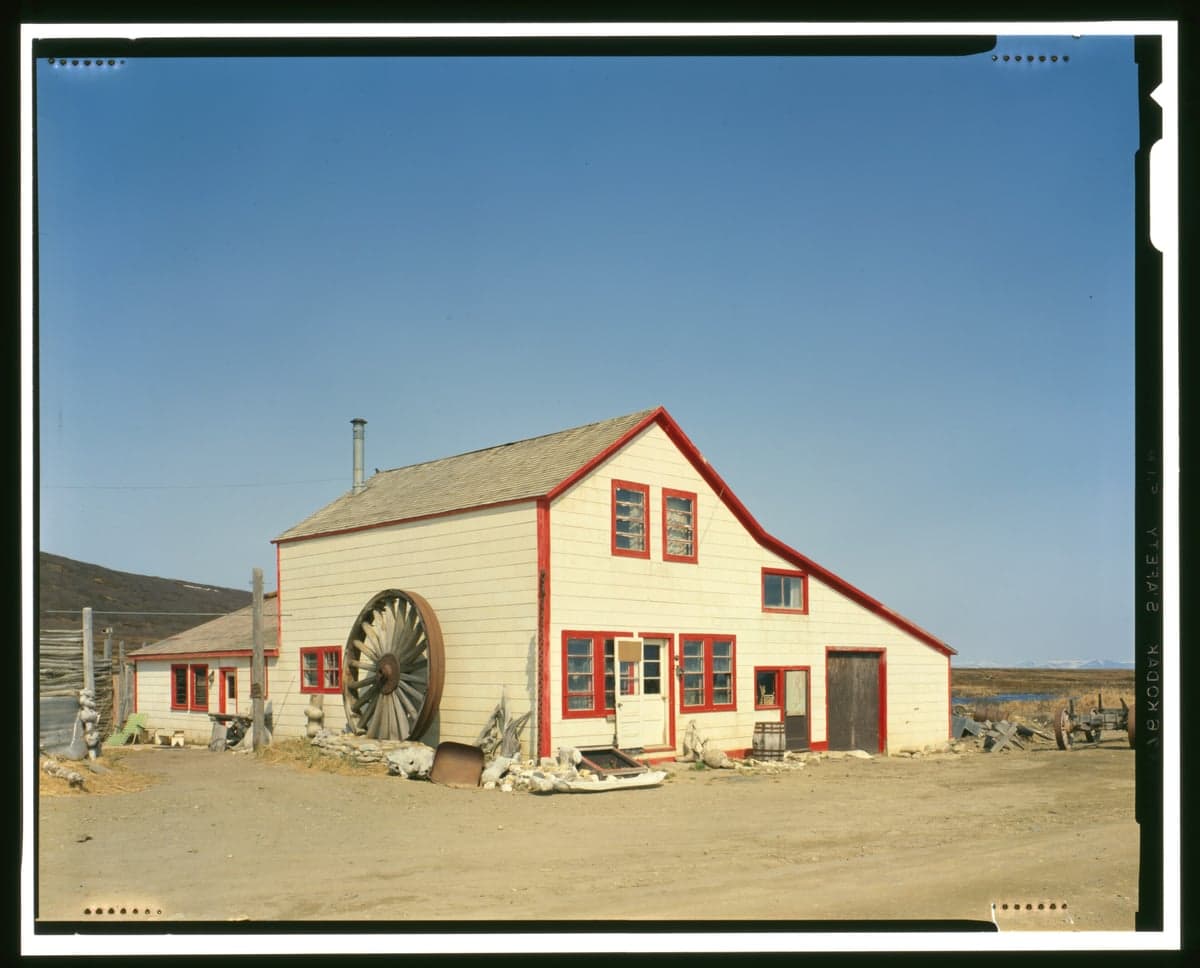
Photo: Wikipedia
Strategic Assessment of Nome County
Strong survivability profile. Good buffer from population centers, with manageable environmental and tactical risks.
What does the Strategic Assessment tell us?
Our Strategic Assessment grades tactical survivability of an area. Major population centers, military targets, fallout zones, natural disasters, and border exposure all drive risk — lower exposure means a more defensible position in a crisis.
This is heavily inspired by Joel Skousen's Strategic Relocation book. Highly recommended you checkout the book ($)What does this tell us?
Our Strategic Assessment grades tactical survivability of an area. Major population centers, military targets, fallout zones, natural disasters, and border exposure all drive risk — lower exposure means a more defensible position in a crisis.
This is heavily inspired by Joel Skousen's Strategic Relocation book. Highly recommended you checkout the book ($)Strategic Pillars

Key Distances
Strategic Assessment Analysis
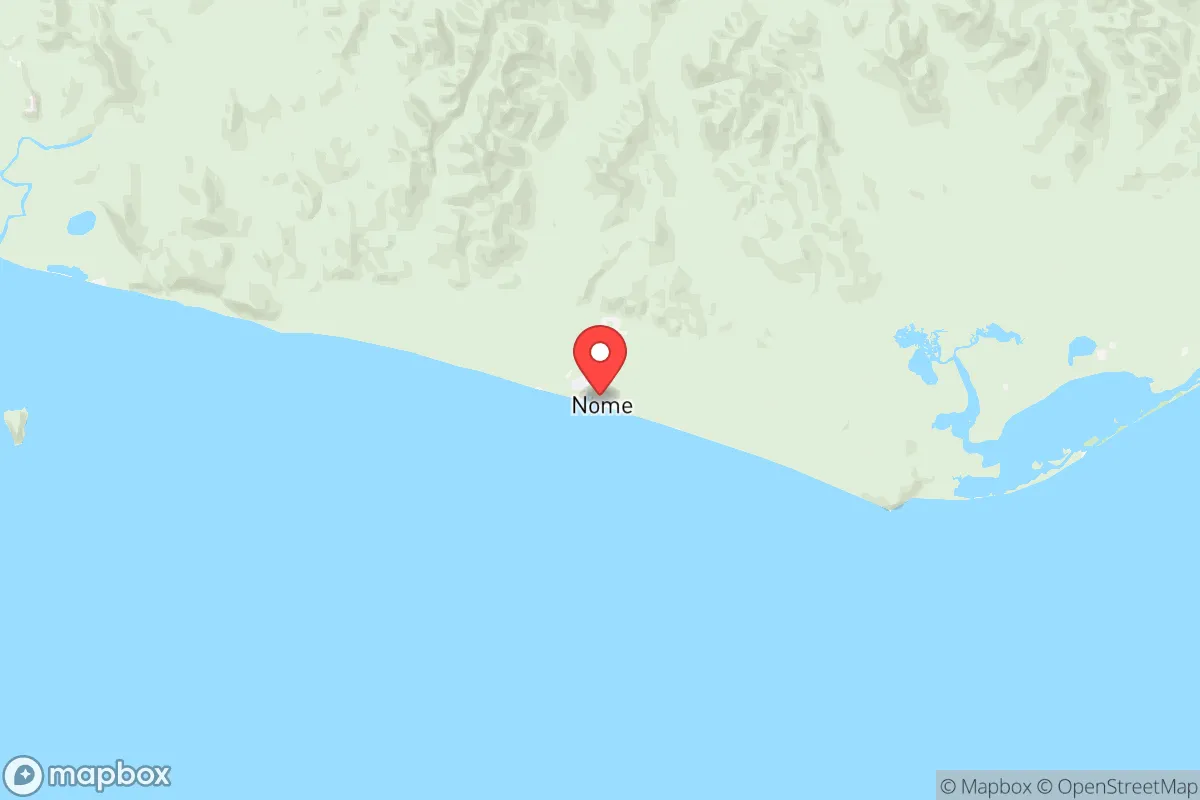
Nome County, Alaska, presents a unique strategic profile for relocation-minded individuals and families prioritizing resilience, self-sufficiency, and distance from major population centers and their associated vulnerabilities. Its location on the Seward Peninsula, roughly 530 air miles northwest of Anchorage and 160 miles east of the Russian border, offers extreme geographic isolation that inherently reduces exposure to many cascading risks tied to dense urban infrastructure, while its position on the Bering Sea provides access to marine resources and a historic port. This combination of remoteness, resource access, and a small year-round population of roughly 10,000 makes Nome County one of the most defensible and disaster-resilient locations in the United States for those willing to accept its harsh climate and logistical challenges.
Geographic position and natural advantages for long-term security
Nome County's primary strategic asset is its sheer distance from the contiguous United States' major industrial and population hubs. The city of Nome itself sits on the southern shore of the Seward Peninsula, with the Bering Sea to the south and the vast, sparsely populated interior to the north. This location places it far outside the plausible fallout zones of any major U.S. military installation, refinery corridor, or nuclear power plant — the nearest significant military presence is Joint Base Elmendorf-Richardson near Anchorage, over 500 miles away. The county's terrain is a mix of tundra, coastal plains, and low mountains, offering natural defensibility through limited road access; there are no roads connecting Nome to the rest of North America, meaning all heavy goods arrive by air or seasonal barge. This isolation is a double-edged sword but is overwhelmingly positive for a resilience-focused relocator, as it dramatically reduces the likelihood of refugee flows, supply chain disruptions affecting local stores, or exposure to civil unrest originating in the Lower 48. The Bering Sea coastline also provides access to marine protein — salmon, crab, and seal — and the historic Nome port, though icebound from November to June, is a critical lifeline for bulk fuel and cargo during the summer months.
Risk exposure, natural hazards, and proximity to fallout-relevant landmarks
While Nome County is far from the typical fallout-relevant landmarks of the Lower 48 — no refineries, no nuclear plants, no major military bases within hundreds of miles — it faces its own set of natural and logistical risks that a relocator must weigh carefully. The primary natural hazard is extreme winter weather: temperatures routinely drop to -40°F or lower, and the region experiences complete darkness for two months around the winter solstice. This climate creates a real risk of hypothermia, fuel shortages, and structural failure if a home is not properly prepared. The Bering Sea coast is also vulnerable to storm surges and coastal erosion, particularly in the village of Shishmaref and parts of Nome itself, which have seen significant shoreline loss in recent decades. Wildfire risk is low compared to interior Alaska, but tundra fires can occur during dry summers. From a man-made risk perspective, the county's isolation is its greatest protection, but it also means that a major earthquake — the region is seismically active — could disrupt the single airport and port, cutting off resupply for months. There are no refineries or chemical plants within the county; the nearest major fuel storage is the Nome port's tank farm, which is a localized but non-catastrophic risk. The remote villages of Teller, Brevig Mission, and Wales are even more exposed to supply chain disruptions and have limited medical infrastructure.
Practical resilience for a relocator: food, water, energy, and defensibility
For a relocator serious about self-sufficiency, Nome County offers a mixed but workable picture. Food resilience is moderate: the Bering Sea and local rivers provide salmon, whitefish, and crab, and subsistence hunting for moose, caribou, and waterfowl is a way of life for many residents. However, the growing season is extremely short — roughly 90 days — and the soil is poor, making large-scale gardening impractical without greenhouse infrastructure. Most food is imported via barge or air, so a household must maintain a significant stored supply (6–12 months recommended) to weather supply disruptions. Water resilience is strong: the county has abundant freshwater lakes and rivers, though winter freezing requires either a drilled well with a submersible pump or melting ice and snow. Energy resilience is the biggest challenge: nearly all electricity and heating fuel comes from diesel and heating oil shipped in during the ice-free months. Solar panels are viable only during the summer due to the winter darkness, and wind power is intermittent but increasingly used — the Nome Joint Utility System operates a wind farm that offsets some diesel consumption. A relocator should plan for a backup generator, substantial fuel storage, and a wood stove for heating. Defensibility is excellent: the lack of road access means any approach is by air, sea, or foot across tundra, all of which are easily monitored. The small, tight-knit community (roughly 3,500 in Nome proper) means strangers are noticed quickly, and the local police and Alaska State Troopers provide a law enforcement presence, though response times in remote villages can be hours or days. The county's geography — open tundra with limited cover — makes it difficult for any large group to approach undetected.
Overall, Nome County offers a compelling strategic picture for a relocator who prioritizes isolation, resource access, and low exposure to the cascading risks of the Lower 48's industrial and population centers. The trade-offs are severe: extreme cold, logistical dependence on seasonal barge and air service, high cost of living, and a lifestyle that demands genuine self-reliance rather than suburban preparedness. For a family or individual willing to invest in a well-insulated home, a reliable heating system, substantial food and fuel storage, and the skills to hunt, fish, and maintain equipment in harsh conditions, Nome County provides one of the most secure long-term positions in North America. It is not a location for beginners or those seeking convenience, but for the disciplined and prepared, it represents a genuine bastion of resilience in an increasingly uncertain world.

* Values derived from national, state, county, city and local statistics and may differ in a specific area. Last updated: 2026-06-16T20:01:33.000Z
Narrative content on this page is AI-generated and may contain mistakes. Verify any details that matter before acting on them.
ReloMaps may earn a commission from affiliate links at no extra cost to you.

