Photo: Wikipedia
Find The Best Places To Live in Nome County
PRO TIP! You can paste a Zillow or Redfin link to get info on that property.
Best Places to Live in Nome County
Cities & Towns in Nome County
Cities in Nome County
What It's Like Living in Nome County, AK
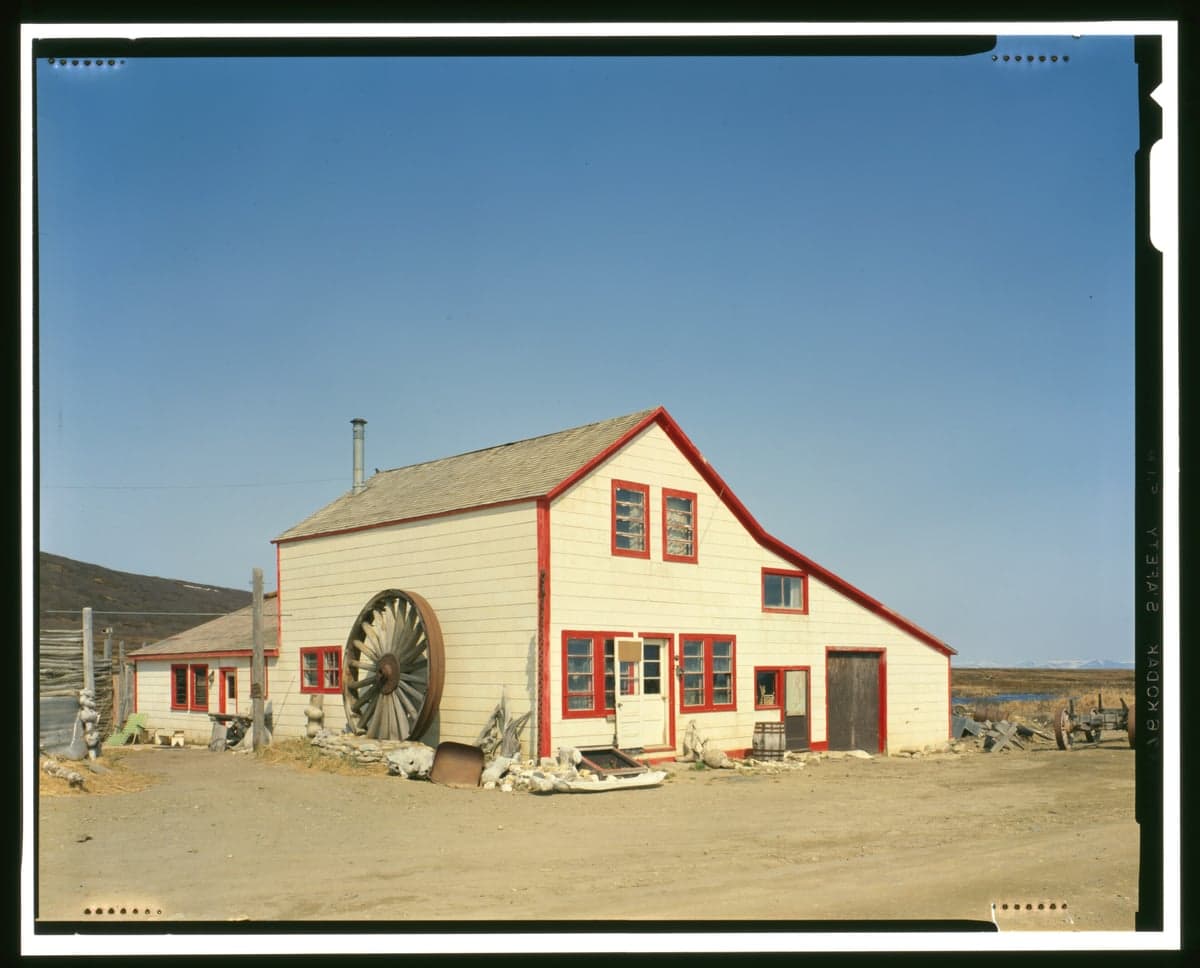
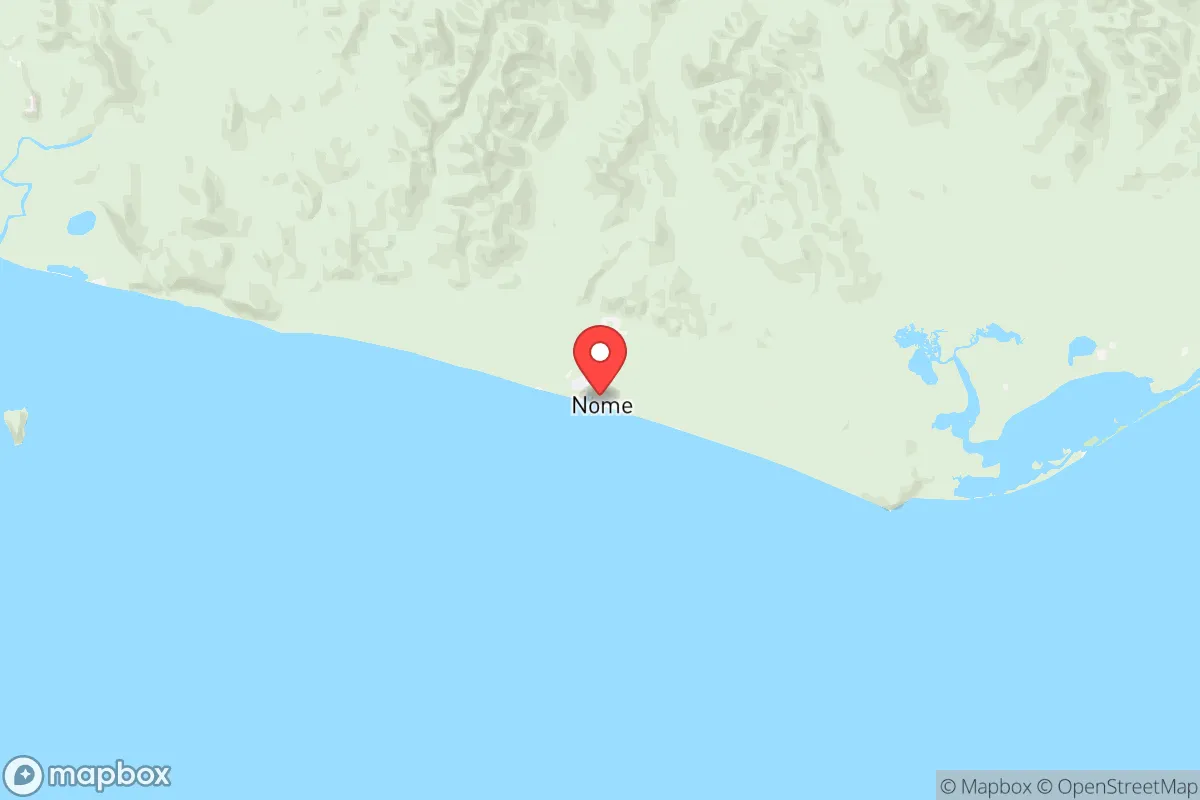
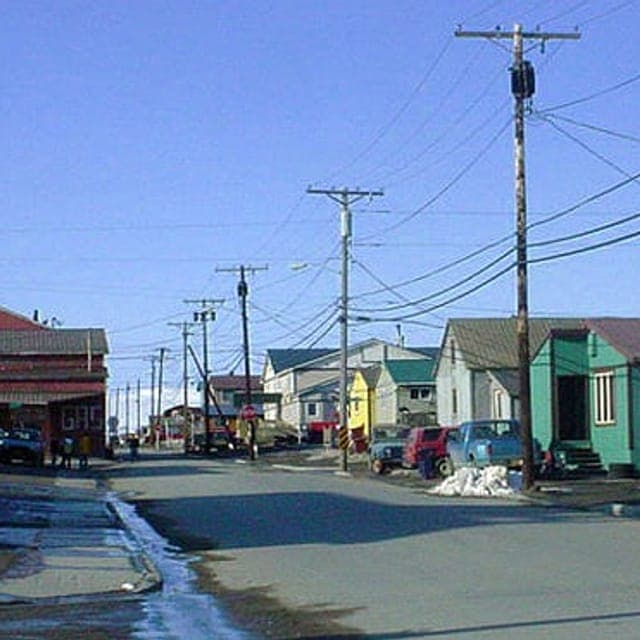
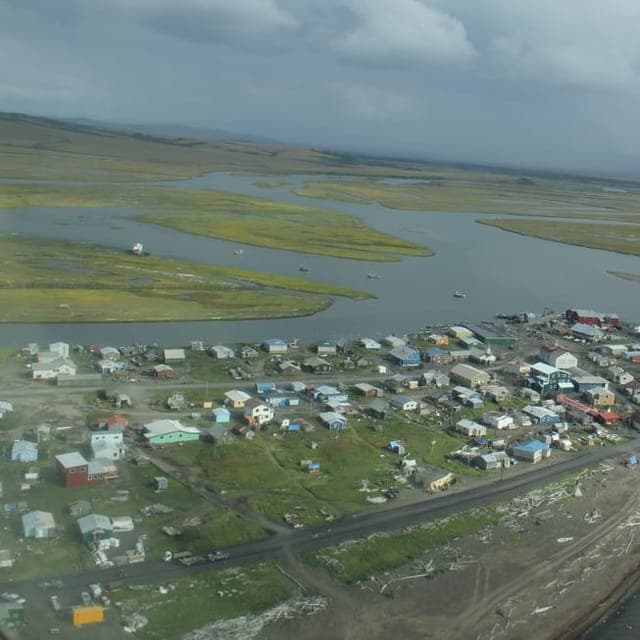
Nome County, Alaska, is a place where the frontier spirit isn’t a marketing slogan—it’s the daily reality. Spread across a vast, roadless expanse of tundra and coastline, the county is anchored by the city of Nome itself, with smaller hubs like Teller, Shishmaref, and Unalakleet dotting the Bering Sea coast. Life here is defined by subsistence hunting, fierce community bonds, and a rhythm dictated by the seasons, not a clock.
Daily Rhythm in a Remote Coastal County
For the roughly 9,925 residents of Nome County, daily life is a blend of modern necessity and ancient tradition. In Nome, you’ll find the region’s only real grocery stores, hardware shops, and the Norton Sound Regional Hospital, making it the central hub for supplies and services. People from outlying villages like Teller or Shishmaref fly in for shopping trips or medical appointments, a commute that’s more expensive and weather-dependent than any drive. The average commute time of about 19 minutes is a bit misleading—in Nome, you might walk to work, while in the villages, your "commute" is a snowmachine ride to check fish nets or a boat trip to a summer camp.
The median age is just 29.4, a sign of a young, working-age population drawn by jobs in healthcare, education, mining (the region has a long gold-mining history), and local government. With a median household income of $76,643, wages are relatively high to offset the cost of goods, though the cost of living index sits at 97—slightly below the national average, largely because housing is more affordable. The median home value is $201,000, a figure that feels reasonable compared to Anchorage or Fairbanks, but the catch is that many homes in villages lack running water or modern plumbing. Only about 17.5% of adults hold a college degree, reflecting a workforce that values practical, hands-on skills over formal education.
What People Actually Do: Sports, Festivals, and the Outdoors
If you live in Nome County, your social calendar revolves around a few major events. The Iditarod Trail Sled Dog Race is the undisputed king—Nome is the finish line, and for a week in March, the town swells with mushers, media, and tourists. It’s a genuine spectacle, not a tourist trap. The Nome-Golovin 200 snowmachine race is another big draw for locals who prefer engines over dogs. In the summer, the Midnight Sun Festival in Nome brings live music, a parade, and a general sense of relief after the long winter.
Outdoor life isn’t a hobby; it’s how people eat. Fishing for salmon and whitefish, hunting for moose and caribou, and berry picking are year-round pursuits. The Bering Sea coastline offers world-class birding and, for the brave, cold-water kayaking. The local high school sports scene is intense—Nome-Beltz High School’s basketball and volleyball games are genuine community events, often drawing the entire town. There are no professional sports teams, but the Nome Kennel Club and various dog mushing races fill that competitive void.
The Honest Trade-Offs: What Works and What Grates
Living in Nome County is not for everyone, and longtime residents will be the first to tell you that. Here are the real pros and cons, as experienced by the people who stay:
- Pro: Deep community bonds. When a freezer breaks or a boat needs repair, neighbors show up. In villages like Shishmaref or Unalakleet, everyone knows everyone, and the social safety net is strong.
- Con: Extreme isolation and cost. A gallon of milk can cost $8 in a village store. There are no roads connecting Nome to the rest of Alaska—everything comes by plane or barge. The violent crime rate is 732.2 per 100,000, a stark number driven by substance abuse and domestic issues in a region with limited law enforcement resources.
- Pro: Unmatched natural beauty and freedom. You can step out your door and see the Northern Lights, watch whales migrate, or hunt on land that hasn’t changed in millennia. The sense of personal freedom is immense.
- Con: Harsh weather and seasonal darkness. Winter lasts from October to May, with temperatures routinely dropping below -20°F. In December, Nome gets only about 3.5 hours of daylight. Seasonal Affective Disorder is a real concern.
Who Fits In Here
Nome County attracts a specific type: self-reliant, tolerant of discomfort, and motivated by purpose rather than convenience. It works well for families who want their kids to grow up with a strong sense of community and outdoor skills, and for single individuals who are drawn to remote work (healthcare, teaching, mining) or who are escaping the rat race. It’s less suited for people who crave urban amenities, fine dining, or a predictable 9-to-5. The cultural quirks are real—you’ll learn to say "cheechako" (newcomer) with a smile, and you’ll quickly understand that a "storm day" means no planes, not a snow day off work. For those who embrace it, there’s no place like it on earth.

* Values derived from national, state, county, city and local statistics and may differ in a specific area. Last updated: 2026-06-16T20:01:33.000Z
Narrative content on this page is AI-generated and may contain mistakes. Verify any details that matter before acting on them.
ReloMaps may earn a commission from affiliate links at no extra cost to you.

