Find The Best Places To Live in Matanuska Susitna County
PRO TIP! You can paste a Zillow or Redfin link to get info on that property.
Best Places to Live in Matanuska Susitna County
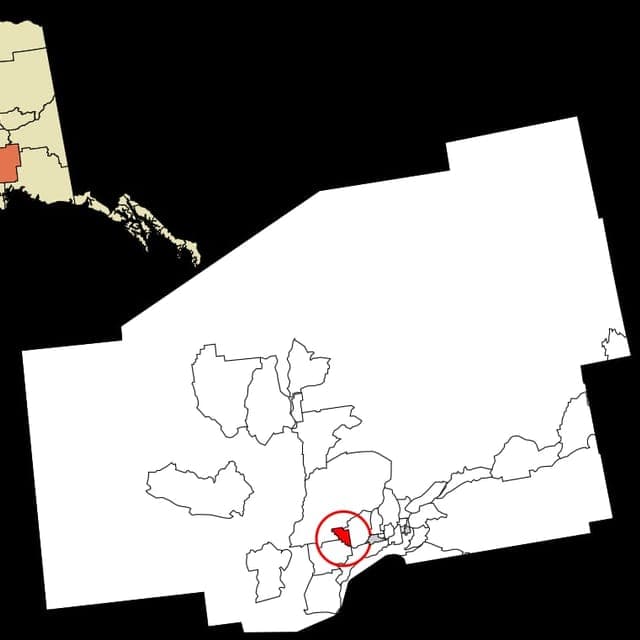
Cities & Towns in Matanuska Susitna County
Cities in Matanuska Susitna County
What It's Like Living in Matanuska Susitna County, AK
Living in Matanuska Susitna County means trading the constant hum of Anchorage for a life where your backyard might literally be a mountain range, and where the term "rush hour" means getting stuck behind a tractor on the Parks Highway. This is Alaska’s fastest-growing region, a sprawling mix of bedroom communities, homesteads, and small towns like Wasilla, Palmer, and Houston, where the median age hovers around 36.6 and the median income sits at a solid $90,625. It’s a place for people who want space, self-reliance, and a front-row seat to the Last Frontier, but who are also willing to drive 35 minutes on average to get to a Costco.
The Daily Rhythm: Commutes, Cost, and the Real Alaska Life
For most residents, daily life in the Mat-Su revolves around a long commute. With a median commute of nearly 35 minutes, the drive from Wasilla or Palmer into Anchorage is a fact of life for many, especially those working in the state’s largest job market. The Glenn Highway is the main artery, and it’s a road that demands respect—especially in winter, when ice and moose are equal hazards. Back in the Valley, life slows down. People shop at the local Fred Meyer in Wasilla or the newer Carrs in Palmer, and weekends are often spent on home projects, snowmachining, or fishing the Little Susitna River. The cost of living index is 110, 10% above the national average, driven largely by high fuel and shipping costs. That $319,200 median home value might sound reasonable, but it buys less square footage than you’d expect, and the housing market has tightened as people flee Anchorage for more land.
The kind of person who fits in here is someone who doesn’t mind a little grit. It’s a conservative-leaning area, with a strong DIY ethic. You’ll find a mix of young families, retired military, and independent contractors who work in the oil fields or run their own construction businesses. Only about 24.3% of adults hold a college degree, which is lower than the national average, but the trades are king here. If you can fix a snowmachine, build a cabin, or drive a truck, you’ll find plenty of work. The median age of 36.6 reflects a population that’s still young enough to be raising kids, and the schools—like Wasilla High or Palmer High—are the social hubs for most families, hosting everything from basketball games to craft fairs.
Sports, Community, and the Big Outdoor Playground
Sports in the Mat-Su are a big deal, but not in the way you’d find in the Lower 48. There’s no pro team to rally around, but high school sports are fiercely supported. The Wasilla Warriors and the Palmer Moose football games draw crowds that rival small-town Texas on a Friday night. Hockey is also huge—the local rinks in Wasilla and the Menard Sports Center in Palmer are packed in winter with youth leagues and adult pickup games. For the outdoorsy, the real sport is the Iditarod Trail, which runs right through the Valley. The ceremonial start in Anchorage is fun, but the real restart in Willow is where the serious mushers take off. It’s a point of pride for locals, and you’ll see dog teams being trained along the back roads year-round.
Entertainment is more about what you do than where you go. The Alaska State Fair in Palmer is the biggest event of the year, drawing over 300,000 people for giant vegetables, carnival rides, and concerts. For a night out, locals hit the Palmer Alehouse or the Wasilla-based Turkey Red for a solid meal. The Mat-Su has a surprising number of breweries—Bleeding Heart Brewery in Palmer and Denali Brewing Company in Talkeetna are local favorites. If you want live music, you’re usually looking at a cover band at a bar or a show at the Glenn Massay Theater in Wasilla. The real draw, though, is the outdoors. Knik River, Hatcher Pass, and the Matanuska Glacier are all within an hour’s drive, offering hiking, skiing, and glacier trekking that most Americans only see on TV.
Pros and Cons: What Locals Love and What Drives Them Crazy
What people love: The space. You can own five acres and not see your neighbor’s house. The freedom to hunt, fish, and ride snowmachines right from your door. The strong community feel in towns like Houston or Willow, where neighbors help each other haul firewood or pull a stuck truck out of a ditch. The schools, while not top-tier nationally, are deeply integrated into community life, and the lack of big-city crime is a relief for many.
What frustrates them: The commute. That 35-minute average is a best-case scenario; in winter, it can stretch to over an hour. The violent crime rate of 732.2 per 100,000 is a real concern—higher than the national average, driven largely by domestic violence and property crime in the more populated areas of Wasilla and Palmer. The weather is another grind: long, dark winters with subzero stretches, and a summer that’s beautiful but short. And while the cost of living is manageable for many, the lack of high-paying jobs in the Valley means most people either commute or work remotely. The local economy is heavily reliant on state government, healthcare, and retail, so if you’re not in those fields, you’re likely driving to Anchorage.
In the end, Matanuska Susitna County is a trade-off. You get the raw beauty of Alaska—the mountains, the rivers, the sense of being on the edge of something wild—but you also get the practical realities of a remote region. It’s not for everyone, but for the 110,677 people who call it home, it’s exactly where they want to be.

* Values derived from national, state, county, city and local statistics and may differ in a specific area. Last updated: 2026-07-07T07:42:48.000Z
Narrative content on this page is AI-generated and may contain mistakes. Verify any details that matter before acting on them.
ReloMaps may earn a commission from affiliate links at no extra cost to you.

