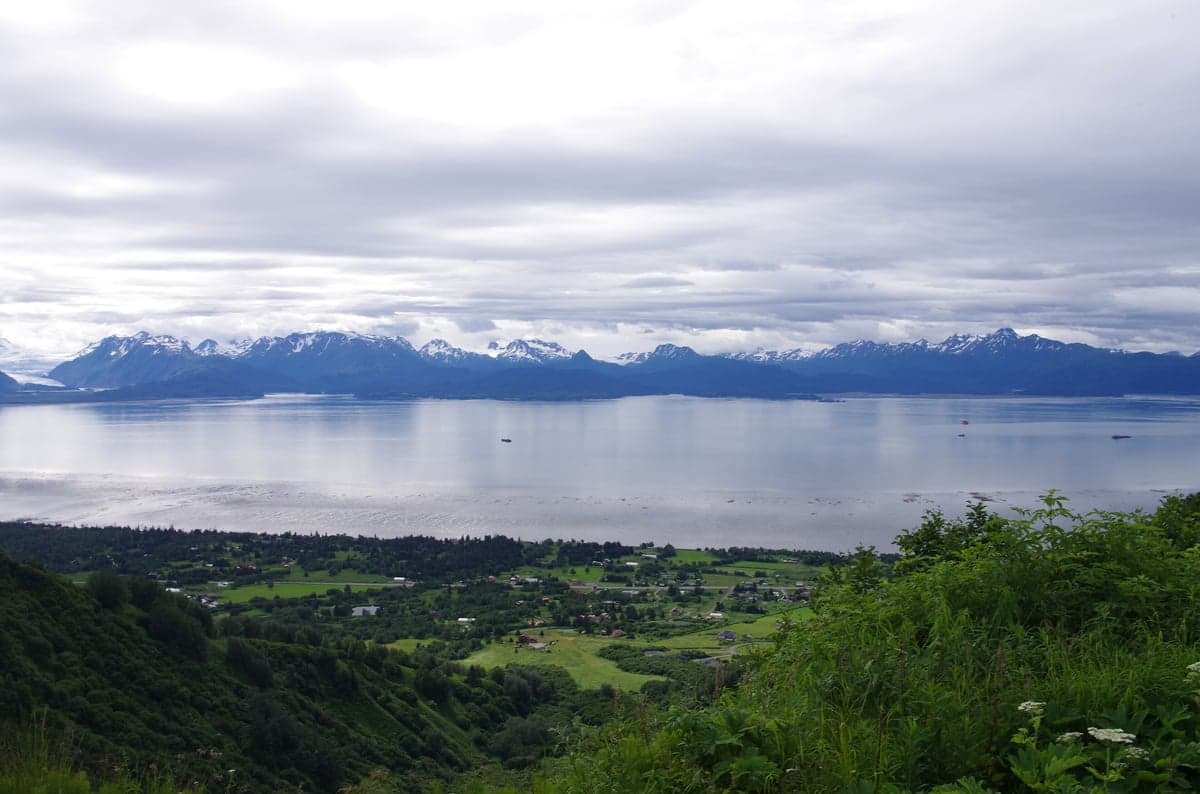
Photo: Wikipedia
Quality of Life in Kenai Peninsula County
A livable area that tracks near national norms for affordability, walkability, and neighborhood health.
What does Quality of Life tell us?
Quality of Life measures an area by evaluating factors like cost of living, nearby amenities, country club access, airport proximity, socioeconomic signals and neighborhood character. For large states, this is a general average — quality of life can vary dramatically between metro areas, suburbs, and rural communities within the same state.
What does this tell us?
Quality of Life measures an area by evaluating factors like cost of living, nearby amenities, country club access, airport proximity, socioeconomic signals and neighborhood character. For large states, this is a general average — quality of life can vary dramatically between metro areas, suburbs, and rural communities within the same state.
Cost of Living
2% above national average
91%
The Real Cost of Living in Kenai Peninsula County for 2026
| Tier | Individual | Family (4) |
|---|---|---|
| Survival | $19k | $35k |
| Comfortable | $58k | $85k |
| Luxury | $138k+ | $214k+ |
| Elite (Top 5%) | $162k+ | $252k+ |
Quality-of-Life Analysis
Kenai Peninsula County, Alaska, offers one of the most dramatic quality-of-life spectrums in the state, ranging from the regional hub of Soldotna and the historic port of Kenai to remote, off-grid homesteads accessible only by water or air. The county’s character shifts sharply with geography: the central Kenai River corridor attracts families and professionals seeking schools and services, while the southern and eastern edges draw those prioritizing solitude, subsistence living, and extreme self-reliance. With a cost-of-living index of 102 (just 2% above the national average) and a median home value of $297,500, the peninsula is more affordable than Anchorage but presents stark trade-offs between convenience and isolation.
Largest town(s) & population centers
The county’s primary population centers are Kenai (pop. ~7,800) and Soldotna (pop. ~4,300), which together form the commercial and administrative heart of the peninsula. Daily life here revolves around the Kenai River — world-famous for salmon fishing — and a full suite of amenities including hospitals (Central Peninsula Hospital in Soldotna), big-box retail, public schools, and the Kenai Municipal Airport. Soldotna functions as the retail and government hub, while Kenai offers the deep-water port and a stronger industrial base tied to oil and gas. The average commute across the county is 20.4 minutes, reflecting the compact layout of these towns and the fact that many residents work locally in healthcare, education, tourism, or resource extraction. Housing here is the county’s most expensive: median rent is $1,163, and homes in Soldotna’s newer subdivisions often exceed the county median of $297,500, especially along the riverfront.
Smaller towns & rural pockets
Stepping down in density, Homer (pop. ~5,500) anchors the southern end of the road system as a quirky arts-and-fishing community on Kachemak Bay, where daily life includes a 30-minute ferry ride to the remote Seldovia or a drive out East End Road to off-grid cabins. Seward (pop. ~2,800) is a compact cruise-ship port and gateway to Kenai Fjords National Park, offering a mix of tourism jobs and a tight-knit year-round community. Further off the road system, Cooper Landing and Sterling are unincorporated census-designated places that serve as bedroom communities for Soldotna workers who want riverfront acreage. The most rural pockets include Nikiski (north of Kenai, heavy oil and gas presence), Ninilchik (a historic Russian Old Believer village with a strong subsistence culture), and the true bush communities of Port Graham and Nanwalek, accessible only by small plane or boat, where life centers on fishing, hunting, and Alaska Native traditions.
Cost & lifestyle range
The cost-of-living spread across the county is wide. At the high end, Soldotna and Kenai have the most expensive housing and utilities but offer the lowest transportation costs due to proximity to jobs and services. At the low end, Nikiski and Sterling offer cheaper land and older homes (often below $200,000) but require longer commutes and higher heating costs due to reliance on oil or wood. The most affordable option is often raw land in remote areas like Fritz Creek or Anchor Point, where residents build their own homes and live without municipal water or sewer — a trade-off that lowers mortgage costs but raises labor and maintenance demands. Renters face a tight market: the county median rent of $1,163 is reasonable by Alaska standards, but availability is low in Homer and Seward during summer tourist season. Property taxes are low (no state income tax), but homeowners in unincorporated areas pay for private well and septic maintenance.
This county suits a specific type of resident: those who value outdoor recreation — fishing, hunting, hiking, and skiing — as a daily part of life, and who accept that amenities like specialty healthcare, higher education, or major retail require a drive to Anchorage (2.5 hours from Soldotna). Families with children tend to cluster in Soldotna and Kenai for the school districts and extracurricular programs, while retirees and remote workers gravitate to Homer’s arts scene or Seward’s quiet winters. The peninsula’s true draw is its variety: a person can live in a Soldotna subdivision with fiber-optic internet and a 10-minute commute, or on a Kachemak Bay hillside with solar panels and a skiff as the primary vehicle. Those who thrive here are self-sufficient, comfortable with seasonal extremes, and willing to trade urban convenience for unmatched access to wild landscapes.

Crime in Kenai Peninsula County
Higher crime rates than 66% of comparable U.S. locations.
Violent CrimeViolent Crime Analysis
Property CrimeProperty Crime Analysis
Crime Analysis
Kenai Peninsula County, Alaska, presents a complex safety picture where violent crime rates significantly exceed national averages, while property crime rates are more moderate. With a violent crime rate of 731.2 per 100,000 residents and a property crime rate of 1,916.7 per 100,000, the borough demands careful consideration from potential residents. The county's vast geography, spanning from the Anchorage bedroom communities of the northern peninsula to the remote fishing villages of the south, creates stark contrasts in day-to-day safety depending on location.
Crime in context
Kenai Peninsula County's violent crime rate is nearly double the national average of roughly 380 per 100,000 and significantly higher than the Alaska state average of approximately 640 per 100,000. Property crime, while elevated, is closer to the national norm of roughly 1,950 per 100,000. The borough's crime statistics are heavily influenced by the larger population centers. Homer and Kenai consistently report the highest violent crime volumes, driven by drug-related offenses and domestic violence incidents. In contrast, the smaller communities of Seward and Soldotna tend to have lower violent crime rates, though property crime—particularly vehicle theft and burglary—remains a concern across the entire borough. The Alaska Department of Public Safety's annual reports show that the Kenai Peninsula's crime rates have fluctuated over the past five years, with a notable spike in aggravated assaults during the summer tourist season.
What residents experience
Residents of Kenai Peninsula County report that property crime is the most common safety concern in daily life. Vehicle break-ins, theft from unsecured outbuildings, and package theft are frequent complaints, particularly in the more populated areas of Soldotna and Kenai. The borough's rural character means that many homes are isolated, making them targets for burglary when owners are away. Violent crime, while statistically high, is often concentrated in specific contexts—domestic disputes, alcohol-fueled altercations, and drug-related conflicts. The Kenai District Attorney's office has faced criticism for a perceived leniency in prosecuting repeat property offenders, a pattern some residents attribute to progressive judicial philosophies that prioritize rehabilitation over incarceration. This approach, while well-intentioned, has led to frustration among victims who see the same individuals cycling through the system. The Homer Police Department has implemented a community policing model to address these concerns, but staffing shortages remain a persistent challenge.
Neighborhood-level variation
Safety varies dramatically within Kenai Peninsula County. The Sterling Highway corridor between Soldotna and Homer sees higher rates of traffic-related incidents and property crime. The Nikiski area, north of Kenai, has a reputation for higher drug activity and associated property crime. Conversely, the Cooper Landing and Moose Pass communities, located along the Seward Highway, report significantly lower crime rates, benefiting from their small populations and strong neighborhood watch programs. The Seward area experiences seasonal crime spikes tied to the cruise ship and fishing industries, with thefts from vehicles and vessels being common. For those considering relocation, the safest neighborhoods tend to be the more remote, self-sufficient homesteads where residents know their neighbors and maintain visible security measures. The borough's Alaska State Troopers cover the vast unincorporated areas, but response times can exceed 30 minutes in the most remote regions, making personal preparedness and community vigilance essential components of daily life on the Kenai Peninsula.
* Values derived from national, state, county, city and local statistics and may differ in a specific area. Last updated: 2026-06-15T11:53:51.000Z
Narrative content on this page is AI-generated and may contain mistakes. Verify any details that matter before acting on them.
ReloMaps may earn a commission from affiliate links at no extra cost to you.

