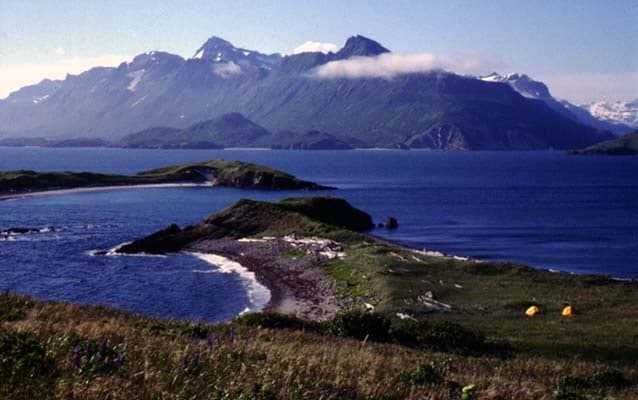
Photo: Wikipedia
Quality of Life in Dillingham County
A livable area that tracks near national norms for affordability, walkability, and neighborhood health.
What does Quality of Life tell us?
Quality of Life measures an area by evaluating factors like cost of living, nearby amenities, country club access, airport proximity, socioeconomic signals and neighborhood character. For large states, this is a general average — quality of life can vary dramatically between metro areas, suburbs, and rural communities within the same state.
What does this tell us?
Quality of Life measures an area by evaluating factors like cost of living, nearby amenities, country club access, airport proximity, socioeconomic signals and neighborhood character. For large states, this is a general average — quality of life can vary dramatically between metro areas, suburbs, and rural communities within the same state.
Cost of Living
21% below national average
159%
The Real Cost of Living in Dillingham County for 2026
| Tier | Individual | Family (4) |
|---|---|---|
| Survival | $17k | $33k |
| Comfortable | $32k | $47k |
| Luxury | $115k+ | $178k+ |
| Elite (Top 5%) | $135k+ | $209k+ |
Quality-of-Life Analysis
Dillingham County, Alaska, offers a quality-of-life spectrum that ranges from the regional hub of Dillingham itself to remote, fly-in villages and vast, roadless wilderness, attracting everyone from government employees and healthcare workers to subsistence fishers and off-grid homesteaders. The county’s character is defined by its reliance on Bristol Bay’s salmon runs, with daily life varying dramatically based on whether you live in the only incorporated city, a small Native village, or a seasonal fish camp. With a cost-of-living index of 79 (well below the US average of 100) and a median home value of $163,800, the county presents a rare affordability paradox in Alaska, though access to goods and services remains the primary differentiator across its communities.
Largest town(s) & population centers
The only incorporated city and undisputed population center is Dillingham, home to roughly 2,200 of the county’s 4,800 residents. Daily life here revolves around the Bristol Bay commercial fishing industry, the Dillingham Public Schools system, and the regional hospital (Kanakanak Hospital). Residents enjoy amenities rare elsewhere in the county: a grocery store with fresh produce deliveries, multiple restaurants, a hardware store, a small airport with daily jet service to Anchorage, and the Dillingham Public Library. The average commute of just under 20 minutes reflects the town’s compact layout, with most residents living within a few miles of the harbor or the airport. Employment is concentrated in government (city, borough, school district), healthcare, and fishing-related logistics. The median rent of $1,085 is manageable for many workers, though housing availability is tight and rental costs can spike during fishing season. The town’s social life centers on the Dillingham Boat Harbor, the Dillingham High School gymnasium, and seasonal events like the Fourth of July parade and the Dillingham Salmon Festival.
Smaller towns & rural pockets
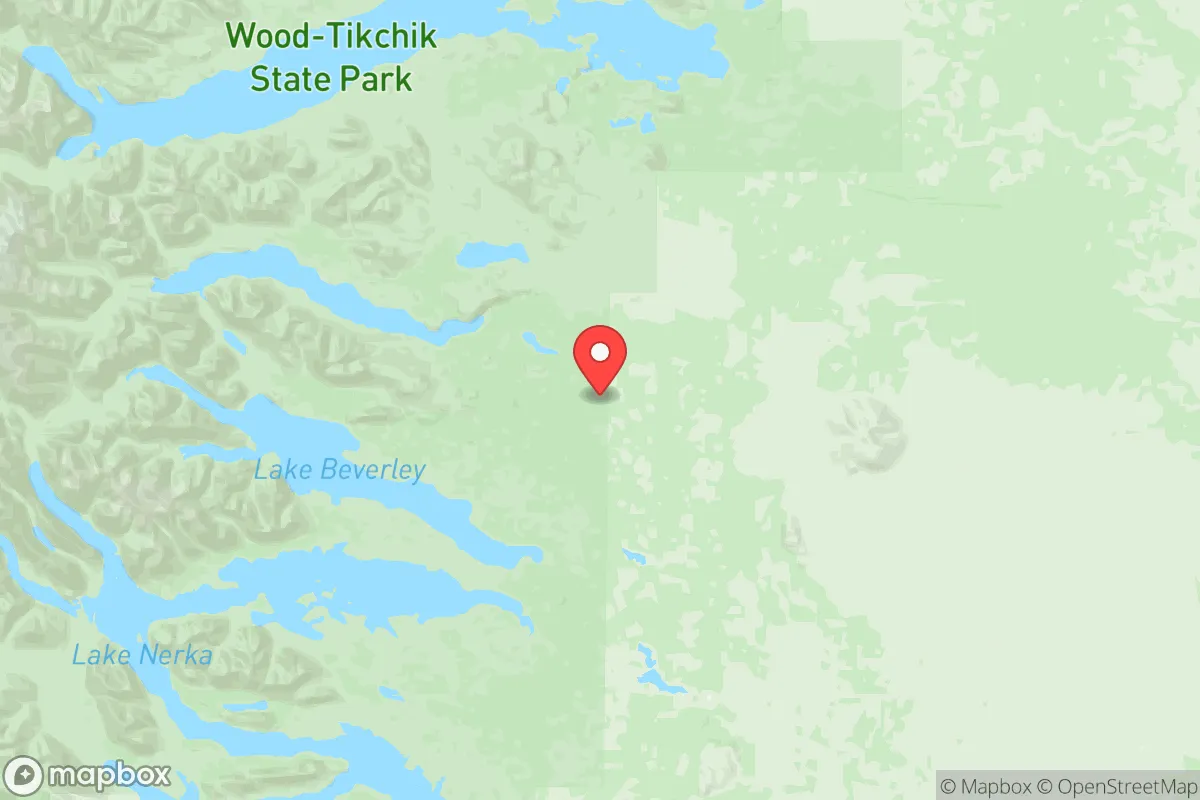
Beyond Dillingham, the county includes several small, predominantly Alaska Native villages that are accessible only by small plane or boat. Aleknagik (population ~220), located at the head of the Wood River, is a Yup’ik community where subsistence fishing, hunting, and berry picking remain central to daily life. Clark’s Point (population ~60) and Ekwok (population ~115) are even smaller, with no road connections to Dillingham and limited services — no grocery stores, no restaurants, and only a single school each. These villages operate on a cash-and-subsistence economy, with residents relying on salmon, moose, and caribou for a significant portion of their food. The Wood River Lakes area, a string of lakes and rivers north of Dillingham, contains seasonal fish camps and a few year-round homesteads, but lacks any formal community infrastructure. For those seeking true isolation, the Nushagak River corridor offers remote cabins accessible only by boat or floatplane, with no neighbors for miles.
Cost & lifestyle range
The cost-of-living index of 79 and median home value of $163,800 make Dillingham County one of the most affordable areas in Alaska by official metrics, but the reality varies sharply by location. In Dillingham, a three-bedroom home might sell for $180,000–$220,000, and utilities (heating fuel, electricity) are expensive but partially offset by the town’s services. In villages like Aleknagik or Ekwok, housing is often older, smaller, and less expensive — a two-bedroom home might sell for $80,000–$120,000 — but residents face higher costs for fuel, food, and freight due to barge and air transport. The median rent of $1,085 is a Dillingham figure; in villages, rental options are virtually nonexistent, and most housing is owner-occupied or provided through tribal housing authorities. At the high end of the lifestyle spectrum, Dillingham offers running water, electricity, internet (via satellite or limited fiber), and access to healthcare. At the low end, a remote cabin on the Nushagak River may have no electricity, no running water, and only a wood stove, with a cost of living that is effectively zero for housing but extremely high for any store-bought goods.
This county is best suited for people who value self-reliance, community ties, and a deep connection to the natural environment over urban amenities. Those who thrive in Dillingham are typically comfortable with limited retail options, seasonal isolation, and the rhythms of the fishing calendar. The villages demand even greater adaptability, including fluency in Yup’ik culture and a willingness to live without modern conveniences. For anyone seeking a low-cost, high-autonomy lifestyle in one of Alaska’s most productive salmon regions, Dillingham County offers a genuine frontier experience that is increasingly rare in the 21st century.

Crime in Dillingham County
Higher crime rates than 66% of comparable U.S. locations.
Violent CrimeViolent Crime Analysis
Property CrimeProperty Crime Analysis
Crime Analysis
Dillingham County, Alaska, presents a complex safety picture shaped by its remote Bristol Bay location, a small year-round population of roughly 4,800, and the seasonal influx of thousands of commercial fishermen. The county's violent crime rate of 726.6 incidents per 100,000 residents is nearly double the national average, while its property crime rate of 1,909.5 per 100,000 sits slightly below the U.S. median but above many comparable rural Alaskan communities. These figures, drawn from Alaska Department of Public Safety reports, reflect a region where alcohol-related offenses, domestic violence, and theft from seasonal fish camps are persistent challenges.
Crime in context
Dillingham County's violent crime rate is significantly elevated compared to both the statewide Alaska average (roughly 580 per 100K) and the national rate (approximately 380 per 100K). The county's property crime rate, while lower than Alaska's overall property crime rate of about 2,200 per 100K, still exceeds the national average of roughly 1,950 per 100K. The primary driver of these statistics is the city of Dillingham, the county seat and only incorporated city, which accounts for the vast majority of reported incidents. The unincorporated villages of Aleknagik, Clark's Point, Ekwok, and Manokotak report far fewer crimes per capita, though underreporting in these small, close-knit communities is a known factor. The Dillingham Police Department and the Alaska State Troopers' Dillingham post share jurisdiction, with the local district attorney's office operating under the Third Judicial District in Anchorage, a venue known for a generally progressive approach to criminal justice that prioritizes rehabilitation over incarceration. This prosecutorial philosophy, while well-intentioned, has drawn criticism from residents who feel it contributes to a revolving-door cycle for repeat offenders, particularly in domestic violence and alcohol-fueled assault cases.
What residents experience
For those living in Dillingham County, safety concerns are highly localized and seasonal. In the city of Dillingham, residents report that property crime—especially theft from unlocked vehicles, boats, and fish camps—is a near-daily nuisance during the summer fishing season when the population swells. Violent crime, while less frequent, is often linked to alcohol abuse and occurs disproportionately among acquaintances. The Dillingham-based Safe & Sober program and the local Bristol Bay Area Health Corporation provide victim services, but resources are stretched thin. In the outlying villages, residents describe a different reality: doors are often left unlocked, and violent crime is rare, but the isolation means that when an incident does occur, response times from law enforcement can be hours or even days. The prevalence of progressive judicial policies in the Anchorage-based district attorney's office means that many property crime cases are plea-bargained down or diverted, a fact that frustrates local business owners who see the same individuals cycling through the system.
Neighborhood-level variation within Dillingham County is stark. The Wood River area and the Kanakanak neighborhood, both within a few miles of Dillingham, tend to have higher concentrations of reported incidents, correlating with higher population density and alcohol availability. In contrast, the villages of Twin Hills and Portage Creek, accessible only by air or water, report near-zero violent crime but face unique safety challenges related to subsistence living and environmental hazards. For prospective residents, the safest choice is often a village location, though this comes with trade-offs in access to healthcare, schools, and employment. The county's overall safety profile is best understood as a tale of two realities: a small, strained urban core in Dillingham and a vast, quiet rural expanse where the biggest threats are weather and distance, not crime.
* Values derived from national, state, county, city and local statistics and may differ in a specific area. Last updated: 2026-07-15T00:22:18.000Z
Narrative content on this page is AI-generated and may contain mistakes. Verify any details that matter before acting on them.
ReloMaps may earn a commission from affiliate links at no extra cost to you.

