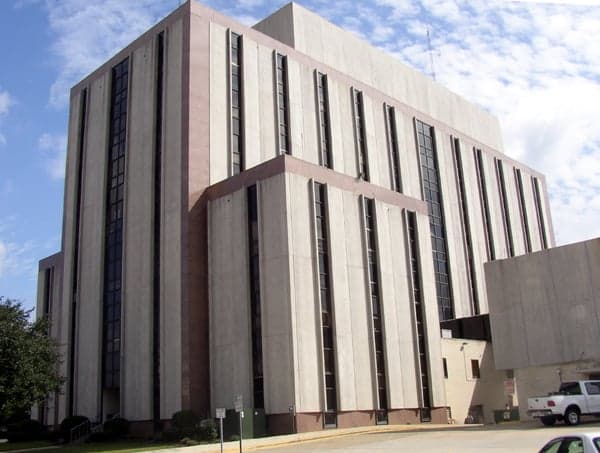
Photo: Wikipedia
Quality of Life in Tuscaloosa County
A livable area that tracks near national norms for affordability, walkability, and neighborhood health.
What does Quality of Life tell us?
Quality of Life measures an area by evaluating factors like cost of living, nearby amenities, country club access, airport proximity, socioeconomic signals and neighborhood character. For large states, this is a general average — quality of life can vary dramatically between metro areas, suburbs, and rural communities within the same state.
What does this tell us?
Quality of Life measures an area by evaluating factors like cost of living, nearby amenities, country club access, airport proximity, socioeconomic signals and neighborhood character. For large states, this is a general average — quality of life can vary dramatically between metro areas, suburbs, and rural communities within the same state.
Cost of Living
15% below national average
96%
The Real Cost of Living in Tuscaloosa County for 2026
| Tier | Individual | Family (4) |
|---|---|---|
| Survival | $16k | $30k |
| Comfortable | $45k | $67k |
| Luxury | $115k+ | $178k+ |
| Elite (Top 5%) | $135k+ | $210k+ |
Quality-of-Life Analysis
Tuscaloosa County offers a broad quality-of-life spectrum that spans the urban energy of a major university city, the quiet routine of historic small towns, and the open space of rural river country. The county’s character shifts dramatically from the dense, student-and-professional hub of Tuscaloosa to the slower, family-oriented pace of Northport and the deeply rural pockets of Coker, Samantha, and the area around Lake Lurleen. People are drawn to different parts of the county based on whether they prioritize walkable nightlife and job density, affordable land and short commutes, or seclusion and outdoor access.
Largest town(s) & population centers
The county is anchored by Tuscaloosa, home to the University of Alabama and roughly 100,000 residents. Daily life here is defined by the university calendar: football weekends bring gridlock and energy, while summer months are noticeably quieter. The city offers a full range of amenities — from the dining and retail corridor along McFarland Boulevard to the walkable downtown strip on University Boulevard, which is lined with bars, coffee shops, and local restaurants. Northport, directly across the Black Warrior River, is the second-largest population center with about 27,000 residents. It has a more suburban, family-oriented feel, with newer subdivisions along Highway 43 and a small but growing historic downtown centered around Main Avenue. Commuters between the two cities cross the river via the Hugh Thomas Bridge, and the average commute for the county is a manageable 23 minutes, one of the shortest among Alabama’s metro counties.
Smaller towns & rural pockets
Outside the Tuscaloosa-Northport core, the county opens into distinct small communities. Coker, about 12 miles northwest of Tuscaloosa, is a quiet unincorporated area with a few churches, a volunteer fire department, and easy access to Lake Lurleen State Park. Samantha, further north near the county line, is sparsely populated with farmland and scattered subdivisions; it is a common choice for families wanting acreage without a long drive to Tuscaloosa jobs. Brookwood, southeast of Tuscaloosa along I-20/59, is a small town of roughly 1,800 residents that serves as a bedroom community for commuters working in the city or at the Mercedes-Benz plant in Vance. Vance itself, though small, is economically significant as the site of the Mercedes-Benz U.S. International assembly plant, which employs thousands and draws workers from across the county. Coaling and Moundville (partially in Hale County) are additional rural villages where housing is cheaper and lots are larger, but grocery and retail options are limited.
Cost & lifestyle range
The county’s overall cost of living index is 85 (15% below the national average), but the spread within the county is meaningful. At the higher end, Tuscaloosa’s historic districts — such as the Alta Vista and Forest Lake neighborhoods — feature older homes with character and median values well above the countywide $233,700. Newer subdivisions in Northport, like those off Watermelon Road, also push above the median. At the lower end, rural areas like Coker and Samantha offer homes in the $150,000–$200,000 range, and Moundville and Coaling have pockets where entry-level homes fall below $150,000. Median rent across the county is $997, but rents in Tuscaloosa near the university campus can exceed $1,400 for a one-bedroom, while rural rentals often fall below $800. Lifestyle follows cost: Tuscaloosa residents have walkable access to entertainment, dining, and the UA campus, while rural residents trade that convenience for larger lots, lower taxes, and proximity to hunting, fishing, and Lake Tuscaloosa.
The county works best for people who want choice. Professionals and students thrive in Tuscaloosa’s core, where jobs, nightlife, and university resources are concentrated. Families and commuters find a solid middle ground in Northport and Brookwood, with good schools and reasonable commutes. Those seeking land, quiet, and lower housing costs gravitate to Coker, Samantha, or the Vance area. Tuscaloosa County’s strength is that it offers all three lifestyles within a 30-minute drive of a mid-sized city’s full set of amenities.

Crime in Tuscaloosa County
Crime rates similar to the national median for U.S. locations.
Violent CrimeViolent Crime Analysis
Property CrimeProperty Crime Analysis
Crime Analysis
Tuscaloosa County, home to the University of Alabama and the city of Tuscaloosa, reports a violent crime rate of 348.1 per 100,000 residents and a property crime rate of 1,479.9 per 100,000. These figures place the county above both the Alabama state average and the national median for violent offenses, while property crime aligns closely with state norms. The overall safety picture is mixed: the county’s crime is heavily concentrated in specific urban corridors and student-populated areas, while outlying towns like Northport, Cottondale, and Vance experience notably lower incident rates.
Crime in context
At 348.1 per 100,000, Tuscaloosa County’s violent crime rate is roughly 15% higher than the Alabama statewide average of approximately 302 per 100,000 and about 30% higher than the national median of roughly 270 per 100,000. Property crime at 1,479.9 per 100,000 sits near the Alabama average of 1,450 per 100,000 but remains elevated compared to safer peer counties like Shelby County (roughly 1,100 per 100,000). The University of Alabama campus itself reports separate, lower crime statistics under the Clery Act, but off-campus neighborhoods near the Strip and downtown Tuscaloosa drive the county’s numbers upward. Aggravated assault accounts for the majority of violent incidents, while robbery and burglary are most common in areas with high transient populations and rental density.
What residents experience
Residents’ daily safety experience varies sharply by location. The city of Tuscaloosa, particularly precincts near the university (zip codes 35401 and 35404), sees the highest concentration of thefts, vehicle break-ins, and simple assaults — many tied to nightlife and student activity. Northport, directly across the Black Warrior River, reports roughly 30% fewer violent crimes per capita, though property crime remains a concern in its commercial corridors. The smaller towns of Cottondale and Holt, east of the city, have intermittent property crime spikes but very low violent crime. Vance, home to the Mercedes-Benz U.S. International plant, is the safest incorporated area in the county, with violent crime rates below 100 per 100,000. Residents in the county’s unincorporated areas and western communities like Samantha and Elrod report the lowest overall incident rates, often citing a rural sense of security with minimal police response times.
Neighborhood-level variation and justice system concerns
Neighborhood-level safety in Tuscaloosa County is heavily influenced by proximity to the university, major highways (I-20/59 and I-359), and public housing clusters. The West End and Skyland Boulevard areas in Tuscaloosa have the highest reported crime density, while the historic districts of Forest Lake and The Downs are relatively quiet. Progressive judicial policies in Tuscaloosa County’s district court have drawn criticism from public safety advocates; the county’s district attorney, elected in 2020, has emphasized diversion programs and reduced cash bail for nonviolent offenders. Critics argue that these policies, while well-intentioned, have contributed to repeat property crime offenses and a perception that the justice system prioritizes offender rehabilitation over victim protection. In contrast, the neighboring counties of Pickens and Greene, which elect more conservative prosecutors, report lower recidivism rates for property crimes. For families and retirees considering relocation, the safest strategy is to choose a home in Northport, Vance, or the rural western townships, where both crime rates and the impact of progressive judicial reforms are minimized.
* Values derived from national, state, county, city and local statistics and may differ in a specific area. Last updated: 2026-06-16T12:35:57.000Z
Narrative content on this page is AI-generated and may contain mistakes. Verify any details that matter before acting on them.
ReloMaps may earn a commission from affiliate links at no extra cost to you.

