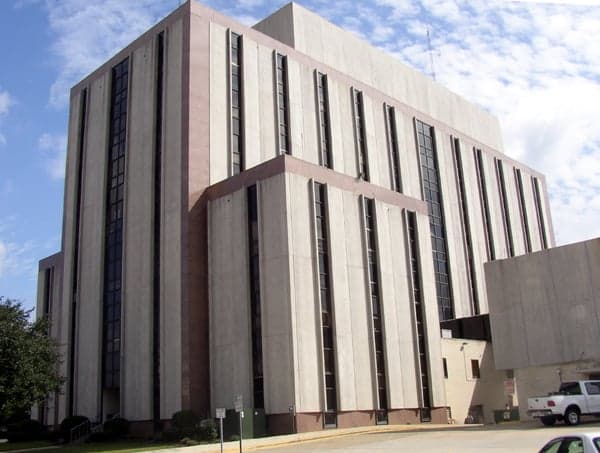
Photo: Wikipedia
Find The Best Places To Live in Tuscaloosa County
PRO TIP! You can paste a Zillow or Redfin link to get info on that property.
Best Places to Live in Tuscaloosa County
Cities & Towns in Tuscaloosa County
Cities in Tuscaloosa County
What It's Like Living in Tuscaloosa County, AL
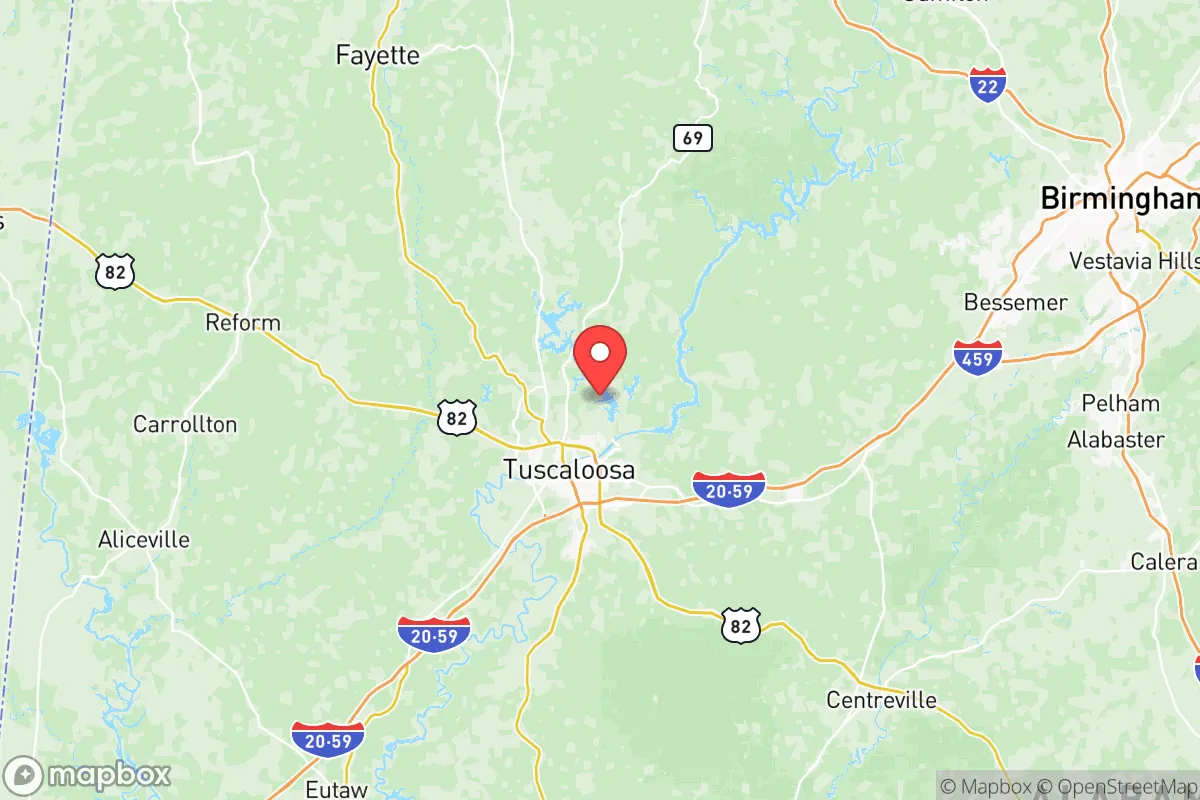
Living in Tuscaloosa County means being part of a place that balances a major university’s energy with deep-rooted Southern traditions. The county is anchored by the city of Tuscaloosa, but its character shifts as you move through towns like Northport, Cottondale, and the quieter rural stretches near Brookwood and Lake View. It’s a region where a Saturday in the fall can feel like a city-wide holiday, yet the pace of life outside of game days remains steady and unhurried.
The Daily Rhythm: University Town Meets Small-Town Living
For most residents, daily life in Tuscaloosa County revolves around a mix of work, school, and community. The largest employer is the University of Alabama, which shapes the local economy and culture. Many residents work in education, healthcare (DCH Regional Medical Center is a major employer), or manufacturing, with Mercedes-Benz’s Vance plant just east of the county line providing thousands of jobs. The median household income here is about $64,000, which stretches further than in many parts of the country thanks to a cost of living index of 85—meaning everyday expenses like rent and groceries are notably cheaper than the national average.
Commuting is generally manageable. The average drive time is around 23 minutes, and while traffic on McFarland Boulevard (the main north-south artery) can get congested, especially on game weekends, it’s not the kind of gridlock you’d find in a major metro. People in Northport often cross the Black Warrior River for work or shopping, while those in Cottondale or Brookwood might drive a bit farther for more options. The county’s median age of 33 reflects a relatively young population, driven by the student body, but families and retirees are common in the suburbs and rural areas. Friday nights in the fall are dominated by high school football—games at Tuscaloosa County High School in Northport or Hillcrest High School in the southern part of the county draw big crowds, and the community support is intense.
Sports, Saturdays, and Community Identity
It’s impossible to talk about life here without addressing the elephant in the room: Alabama Crimson Tide football. From August through January, the rhythm of the county shifts around home games. Tailgating on the Quad is a weekly ritual, and even residents who never set foot on campus feel the energy. Bars along the Strip—like The Houndstooth or Gallettes—fill up, and local restaurants from City Cafe to Rama Jama’s see their busiest days. But the sports culture isn’t limited to the university. High school athletics are a serious matter, and youth sports leagues keep families busy year-round. For outdoor recreation, the county offers Lake Tuscaloosa and the Black Warrior River for fishing, kayaking, and boating, while the Sokol Park trails are popular for hiking and mountain biking.
Beyond sports, the county has a distinct cultural identity. The Tuscaloosa River Market hosts a weekly farmers market, and the Druid City Arts Festival brings local artists together. The Kentuck Art Center in Northport is a regional gem, with a festival each fall that draws thousands. What frustrates some long-time residents is the seasonal imbalance—when the university is on break, the western side of the county near the Strip can feel eerily quiet, and some local businesses struggle during the summer months. On the flip side, those who live in the more rural parts, like near Lake View, appreciate the peace and the slower pace that comes when students are away.
Pros and Cons: What to Expect Before Moving
The biggest draw for most people is the affordability. With a median home value around $234,000, you can buy a solid three-bedroom house in Northport or Cottondale for well under the national average. Rent is also reasonable, especially compared to Birmingham or Huntsville. The cost of living index of 85 means your paycheck goes further, and for families, that can translate into more disposable income for travel or savings. The school system is a mixed bag—Tuscaloosa City Schools and Tuscaloosa County Schools are separate districts, and performance varies widely by area. Parents often research specific elementary schools before buying a home, with some opting for private or magnet options.
On the downside, the violent crime rate of 348.1 per 100,000 residents is higher than the national average, and it’s concentrated in certain parts of the city of Tuscaloosa. Suburban and rural areas like Northport and Brookwood are generally safer, but it’s a factor to consider. The weather is another reality: hot, humid summers with frequent afternoon thunderstorms, and the occasional tornado threat during spring. Residents learn to keep an eye on the sky and have a plan. Still, for those who want a strong sense of community, affordable living, and a lifestyle that revolves around family, sports, and the outdoors, Tuscaloosa County offers a compelling mix that’s hard to find elsewhere.

* Values derived from national, state, county, city and local statistics and may differ in a specific area. Last updated: 2026-06-16T12:35:57.000Z
Narrative content on this page is AI-generated and may contain mistakes. Verify any details that matter before acting on them.
ReloMaps may earn a commission from affiliate links at no extra cost to you.

