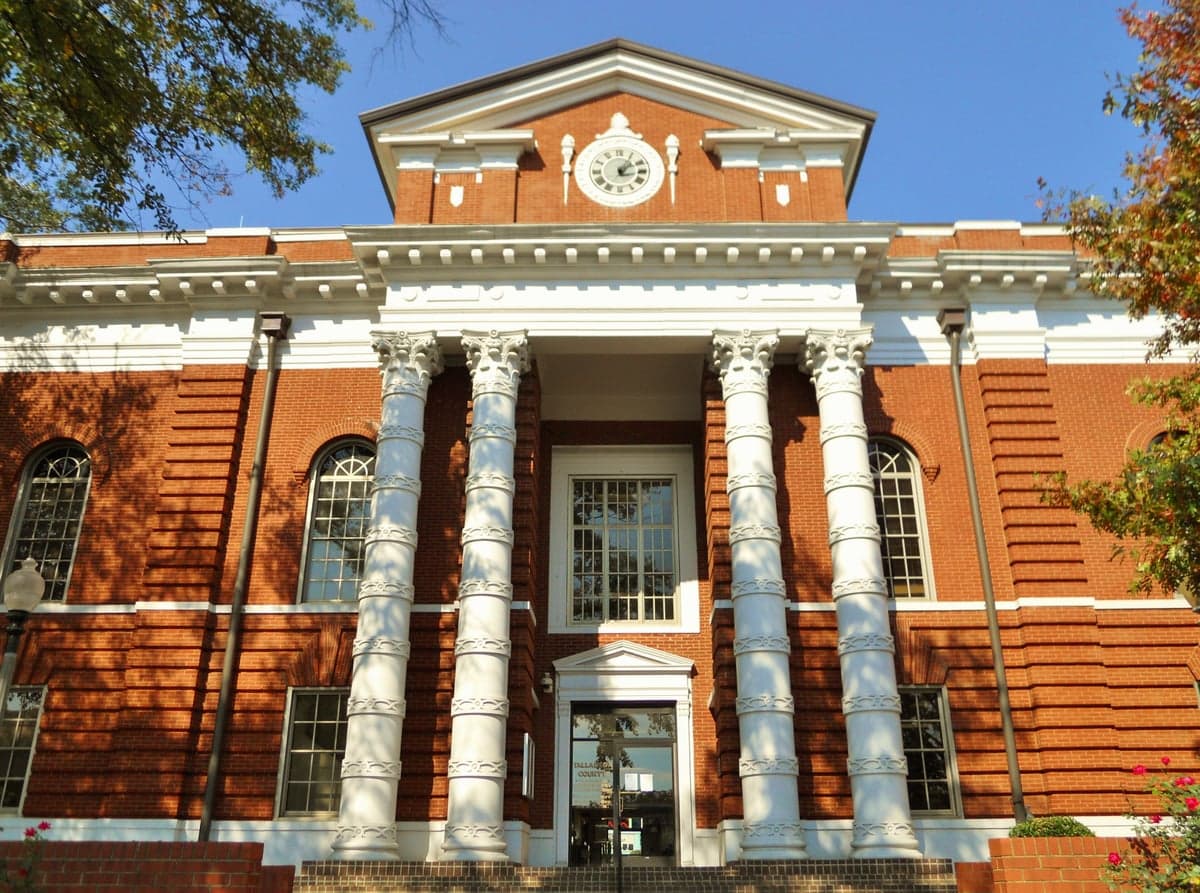
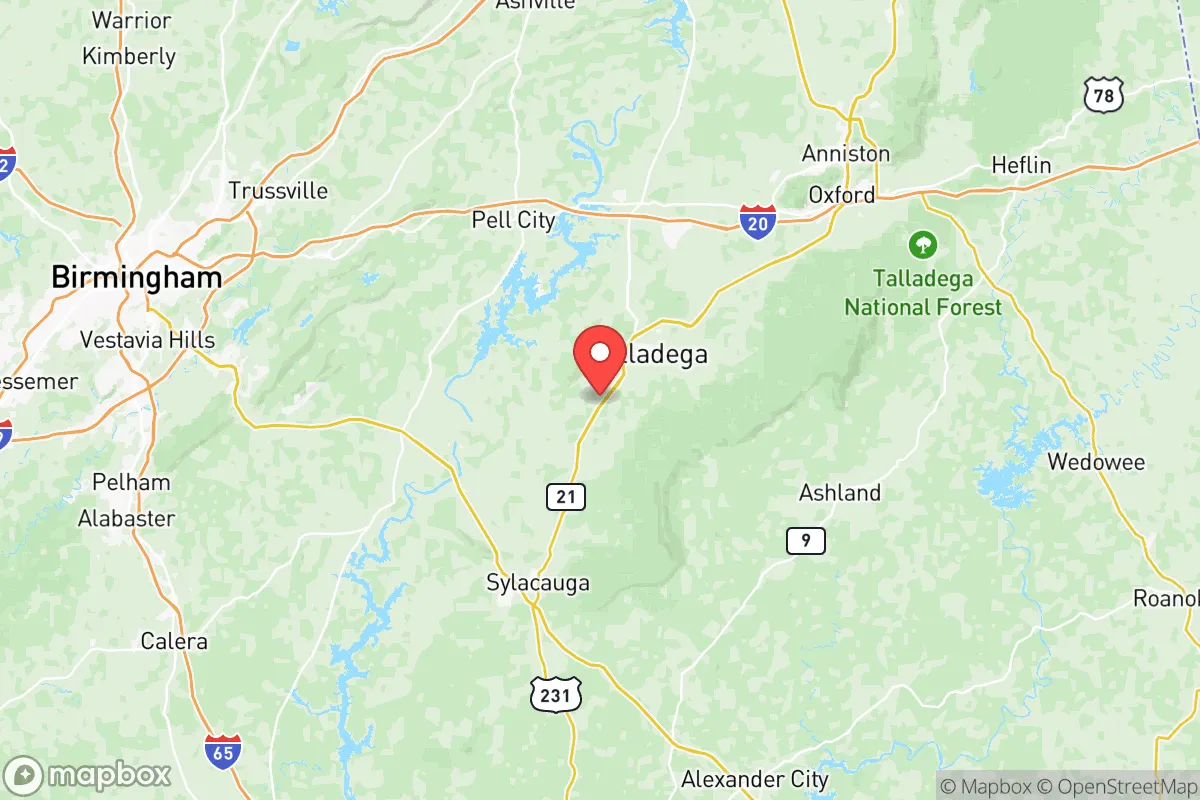
Photo: Wikipedia
Find The Best Places To Live in Talladega County
PRO TIP! You can paste a Zillow or Redfin link to get info on that property.
Best Places to Live in Talladega County
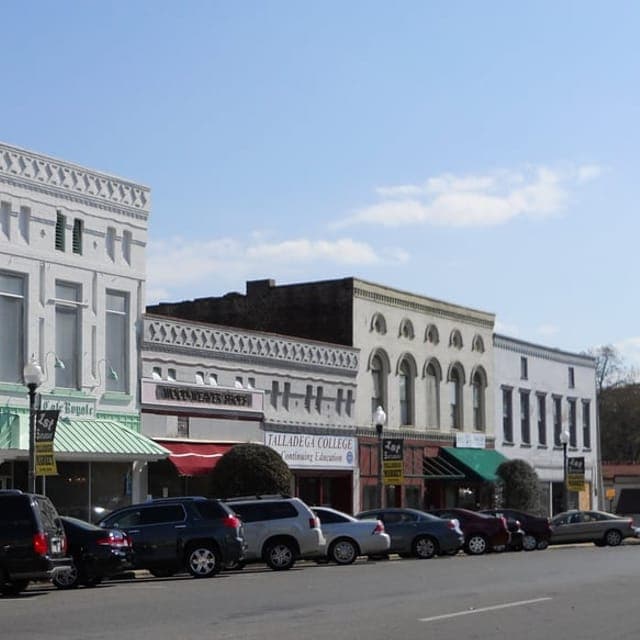
Cities & Towns in Talladega County
Cities in Talladega County
What It's Like Living in Talladega County, AL
Living in Talladega County means trading the breakneck pace of Birmingham or Huntsville for a slower, more rooted rhythm where Friday night lights and Sunday potlucks still set the calendar. The county is a patchwork of distinct communities—from the historic mill town of Sylacauga to the county seat of Talladega itself, from the lakefront community of Logan Martin to the quieter rural stretches around Munford and Lincoln. It’s a place where you know your neighbors’ names, where the median age of 42.2 reflects a population that tends to stay put, and where the cost of living index of 59 (well below the US average of 100) means a median home value of just $137,900 can buy a solid three-bedroom brick house with a yard.
Daily Rhythm: What People Actually Do
A typical weekday in Talladega County starts early. The average commute clocks in at about 27.5 minutes, which is long enough to listen to a podcast but short enough that you’re not dreading the drive. Many residents commute west to Anniston or east to Birmingham for work—especially those in manufacturing and logistics—but the county itself is home to major employers like the Talladega Superspeedway, the Alabama Institute for Deaf and Blind in Talladega city, and several automotive parts plants near Lincoln. After work, you’ll find folks grabbing a bite at Classic on Noble in Anniston’s nearby Noble Street district, or at a local staple like Mike’s BBQ in Sylacauga. Weekends are for the lake—Logan Martin and Neely Henry draw families for fishing, pontoon rides, and lakeside cookouts—or for high school sports, which are a genuine community anchor. The county’s median household income of $56,249 supports a comfortable, if not lavish, lifestyle; people here value practicality over flash.
Sports, Community, and the Big Weekend Events
If there’s one thing that unites Talladega County, it’s the Talladega Superspeedway. Race weekends—especially the spring and fall NASCAR Cup Series events—transform the entire county. Motels in Lincoln and Talladega city book up months in advance, and the sound of engines carries for miles. But beyond the track, sports are hyper-local. Friday-night football at Talladega High School or Sylacauga High School draws crowds that rival small-college games. Basketball is big too, especially at the county’s smaller schools like Munford and Winterboro. For outdoor recreation, Cheaha State Park—Alabama’s highest point—is a 30-minute drive from most of the county, offering hiking, camping, and views that genuinely surprise visitors. The annual Talladega Creek Festival in the city of Talladega brings live music and arts vendors downtown each spring, while Sylacauga’s Marble Festival celebrates the town’s historic marble industry (the same stone used in the Lincoln Memorial). These events are small-scale but well-attended; they’re the kind where you run into your child’s teacher and the mayor in the same afternoon.
Who Fits In—and Who Might Struggle
Talladega County works best for people who want space, affordability, and a slower tempo. It’s a natural fit for families with young children who want a safe yard and a good local school system—the county’s violent crime rate of 345.7 per 100,000 is higher than the national average, but most residents will tell you that crime is concentrated in specific areas and that their own neighborhoods feel safe. Retirees on fixed incomes are drawn by the low cost of living and the proximity to Birmingham’s medical centers (UAB is about an hour away). Single professionals might find the social scene limited—there’s no bustling nightlife district, and dating options are thin. The college-educated share of the population is just 16.8%, which reflects a workforce heavy on trades and manufacturing rather than white-collar offices. If you’re looking for a vibrant arts scene, craft cocktail bars, or a walkable downtown, you’ll likely be frustrated. But if you value knowing your mail carrier by name, having a garden, and being able to afford a home on a single income, the county delivers.
Honest Pros and Cons of Living Here
- Pro: Affordability that’s hard to beat. A median home value under $140,000 means a mortgage payment often lower than rent in many US cities. The cost of living index of 59 makes everyday expenses—groceries, gas, utilities—feel manageable even on a modest salary.
- Con: Limited job diversity and commute realities. While manufacturing and logistics provide stable work, professional and tech jobs are scarce. Many residents accept the 27-minute average commute to Anniston or Birmingham, but that drive can stretch to 45 minutes during race weeks or construction on I-20.
- Pro: Genuine community and outdoor access. From the Talladega National Forest’s hiking trails to the fishing piers at Logan Martin, outdoor recreation is abundant and uncrowded. Community ties are strong—people show up for each other during hard times.
- Con: Weather and seasonal realities. Summers are hot and humid, with July highs regularly hitting 90°F. Tornado season (March through May) is a genuine concern; most homes have storm shelters or basements, and the county’s emergency sirens are tested regularly. Winters are mild but can bring the occasional ice storm that shuts down roads for a day or two.

* Values derived from national, state, county, city and local statistics and may differ in a specific area. Last updated: 2026-06-28T19:12:03.000Z
Narrative content on this page is AI-generated and may contain mistakes. Verify any details that matter before acting on them.
ReloMaps may earn a commission from affiliate links at no extra cost to you.

