
Photo: Wikipedia
Quality of Life in Alabama
A livable area that tracks near national norms for affordability, walkability, and neighborhood health.
What does Quality of Life tell us?
Quality of Life measures an area by evaluating factors like cost of living, nearby amenities, country club access, airport proximity, socioeconomic signals and neighborhood character. For large states, this is a general average — quality of life can vary dramatically between metro areas, suburbs, and rural communities within the same state.
What does this tell us?
Quality of Life measures an area by evaluating factors like cost of living, nearby amenities, country club access, airport proximity, socioeconomic signals and neighborhood character. For large states, this is a general average — quality of life can vary dramatically between metro areas, suburbs, and rural communities within the same state.
Cost of Living
23% below national average
111%
The Real Cost of Living in Alabama for 2026
| Tier | Individual | Family (4) |
|---|---|---|
| Survival | $15k | $29k |
| Comfortable | $38k | $56k |
| Luxury | $112k+ | $174k+ |
| Elite (Top 5%) | $142k+ | $220k+ |
Quality-of-Life Analysis
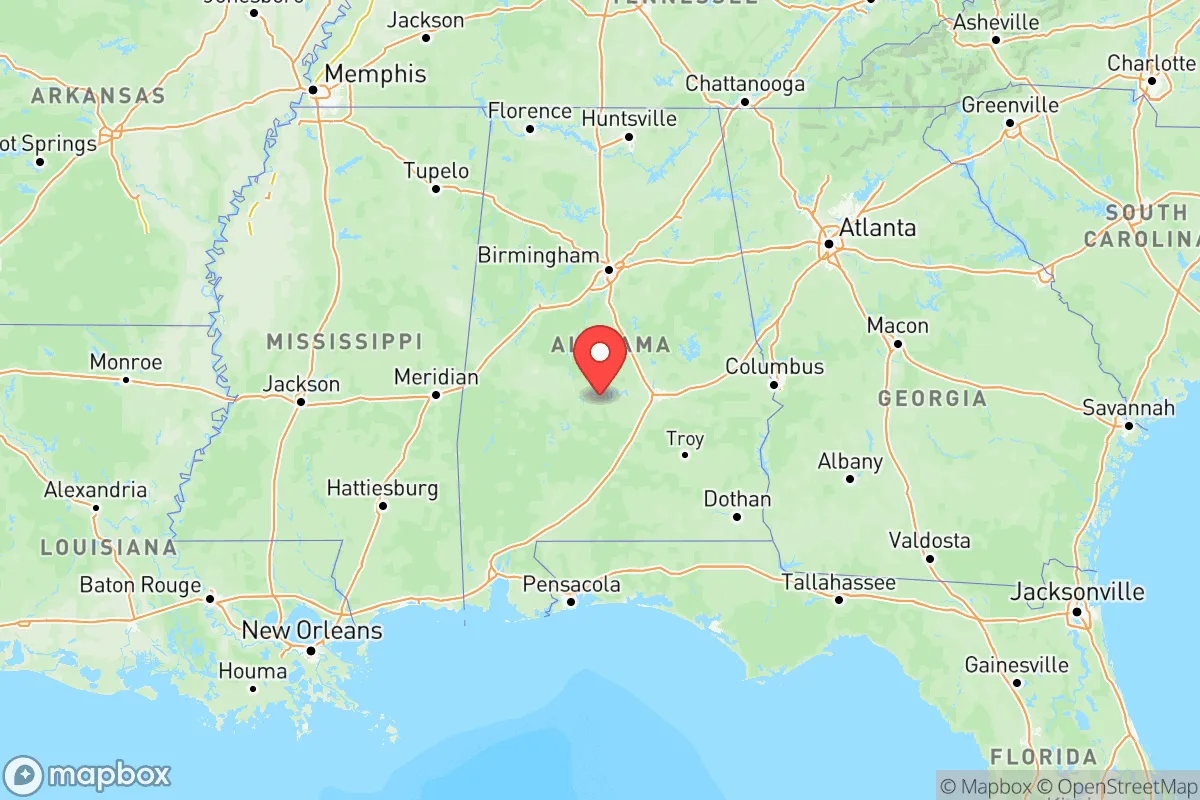
Alabama offers a diverse range of quality-of-life options spanning from dense urban cores in Birmingham to the ultra-luxury lakefronts of Lake Martin, with a state-level cost of living index of 77 (100 = U.S. average) and a median home value of $195,100. The state’s spectrum of places attracts everyone from finance professionals in skyscrapers to retirees on the Gulf Coast and remote workers seeking the quiet of the Appalachian foothills. A person’s ideal Alabama depends entirely on whether they prioritize career density, coastal recreation, historic charm, or sheer affordability.
Major metros
If you are looking for urban living, Alabama has three primary metros: Birmingham, Huntsville, and Mobile. Birmingham, the state’s largest city, anchors a metro of roughly 1.1 million people and is the epicenter of banking, law, and medical research anchored by the University of Alabama at Birmingham (UAB) — a major employer and research powerhouse. The city has a dense, walkable core (though limited by southern sprawl), a nationally respected food scene, and a strong live-music history. Huntsville is Alabama’s fastest-growing metro, driven almost entirely by the aerospace and defense sectors around Redstone Arsenal and NASA’s Marshall Space Flight Center. It has a notably high concentration of engineers and scientists, a lower crime rate than Birmingham, and a more suburban, family-oriented feel. Mobile, the port city on the Gulf Coast, operates at a slower, more humid pace with a deep maritime and Creole heritage. Its economy revolves around shipping, shipbuilding, and a growing aerospace sector (Airbus assembly line), and it offers direct access to Gulf Shores and the Mississippi Gulf Coast.
Mid-size cities & college towns
Montgomery, the state capital, is a mid-size city of about 200,000 with a heavy state-government employment base and deep Civil Rights history (the Rosa Parks Museum, the Dexter Avenue King Memorial Baptist Church). It offers a low cost of living and a more sedate pace than Birmingham but struggles with higher crime rates in certain neighborhoods. Auburn-Opelika is the classic college town, home to Auburn University (40,000+ students) and a booming SEC sports culture; the city has grown rapidly with new housing and retail, drawing young families and retirees who want a vibrant community calendar. Tuscaloosa, home to the University of Alabama, is similarly dominated by college life and Crimson Tide football, but has a slightly grittier, more industrial edge due to its river and manufacturing base. Florence, in the northwestern corner, anchors the Shoals area — a smaller, artsier college town (University of North Alabama) with a strong music history (FAME Studios, Muscle Shoals Sound Studio) and a still-affordable housing stock. Daphne and Fairhope, on the Eastern Shore of Mobile Bay, are affluent, growing mid-size suburbs that blend coastal living with downtown boutique shopping; they are increasingly popular with remote workers and retirees who can pay a premium for bay views.
Small towns & rural areas
Alabama’s small towns and rural areas cover a huge portion of the state, from the Appalachian foothills in the northeast to the Black Belt in the west-central region. Mentone, on Lookout Mountain, is a tiny arts-and-crafts village that draws summer tourists for its cool temperatures and scenic views. Fairhope (listed above) is technically a small town at roughly 25,000 people but functions as a mid-size cultural center. More remote rural areas like Greene County or Sumter County in the Black Belt offer strikingly low land prices (homes under $100,000 are common) but also face persistent poverty, limited healthcare access, and weak job markets outside of agriculture and prisons. The Wiregrass region in southeastern Alabama (Dothan, Ozark) offers flat, agricultural prairie with a more military-adjacent economy (Fort Novosel, formerly Fort Rucker). For someone wanting true solitude on acreage, the St. Clair County corridor between Birmingham and Atlanta provides affordable land within an hour’s drive of two major metros.
Luxury vs. affordable living
For luxury living, the most exclusive addresses are on Lake Martin and Lake Guntersville, where waterfront mansions regularly exceed $2 million. The wealthy enclave of Mountain Brook (a suburb of Birmingham) has median home values above $700,000, top-ranked public schools, and no sidewalks in many neighborhoods — a deliberate quiet-country-in-the-city aesthetic. In Mobile, the Spring Hill neighborhood is the historic high-end district with large antebellum homes and oak-lined streets. On the opposite end of the spectrum, the most affordable areas include small cities like Anniston and Gadsden in the northeast, where median home values hover around $100,000–$130,000 and rent remains well below the state median of $963. The Black Belt towns of Selma and Uniontown offer homes for under $50,000, though these areas grapple with population decline and limited amenities. The median rent statewide of $963 is roughly 70% of the national average, and an average commute of 25.4 minutes means that even affordable outlying areas do not force long drives to work in the major metros.
The practical reality is that Alabama rewards specialization. A high-earning tech worker in Huntsville will find a lifestyle comparable to suburban Texas but at a fraction of the cost. A retiree seeking quiet coastal culture will find Fairhope comfortable but not cheap. A young family with a modest budget can still buy a three-bedroom house in Anniston for under $130,000, but will have limited non-chain dining and entertainment. The statewide cost-of-living spread — from the very cheap rural Black Belt to the very expensive Lake Martin waterfront — means that the same dollar can buy acreage in one corner and a condo in another. For a person moving to Alabama, the question is not whether the state can fit your budget, but which specific lifestyle tier matches your tolerance for heat, isolation, and the pace of life you want to pay for.

Crime in Alabama
Crime rates similar to the national median for U.S. locations.
Violent CrimeViolent Crime Analysis
Property CrimeProperty Crime Analysis
Crime Analysis
Alabama’s overall safety picture is mixed, with violent crime rates that have historically exceeded the national average but show recent declines, while property crime remains a persistent concern. The state recorded a violent crime rate of 348.1 incidents per 100,000 residents and a property crime rate of 1,479.9 per 100,000, figures that require close examination against local conditions in specific cities and judicial districts. Readers moving to or within Alabama should focus on neighborhood-level data and the political lean of local prosecutors, as these factors heavily influence day-to-day safety.
Crime in context
Alabama’s violent crime rate sits roughly 10% higher than the national median, but this aggregate number hides wide disparities. Property crime, at 1,479.9 per 100,000, is significantly above the U.S. average of around 1,954 per 100,000, meaning it is actually lower than the national figure—a fact often overlooked. However, the state’s violent crime is concentrated in a handful of cities. Birmingham consistently posts one of the highest per-capita murder rates in the country, driven in large part by a progressive district attorney’s office that has pursued bail reform and diversion programs, leading to early releases of repeat offenders. Mobile and Montgomery also report elevated violent crime, with Montgomery’s property crime rate exceeding 2,800 per 100,000 in recent years. In contrast, suburban and rural counties—such as Shelby County (home to Alabaster and Hoover) and Madison County (Madison and Huntsville)—report violent crime rates between 100 and 200 per 100,000, well below state averages. The difference is stark: residents in these safer enclaves face a fraction of the risk of those living in high-crime urban centers where progressive prosecutors have deprioritized enforcement for certain offenses.
What residents experience
Daily life differs dramatically depending on location. In Birmingham’s Jefferson County, residents report regular property theft, car break-ins, and armed robberies, with over 2,700 property crimes per 100,000 in the city proper. The Jefferson County District Attorney’s office has faced criticism for handling violent offenders through treatment courts rather than incarceration, which has fueled public fear and contributed to population flight to suburbs like Vestavia Hills. In Huntsville, a rapidly growing tech hub, violent crime is roughly half the state average, but property crime still affects car-oriented neighborhoods near Redstone Arsenal. Mobile’s proximity to the Gulf brings tourism-related thefts, but its DA has taken a tough-on-crime stance, leading to a 15% drop in reported burglaries over the past two years. Residents in conservative-leaning Judicial Circuit 10 (covering Calhoun, Cleburne, and Talladega counties) report fewer incidents of violent crime overall, with their district attorney prioritizing mandatory minimum sentences. For newcomers, the safest strategy is to choose cities where law-and-order prosecutors maintain high sentencing rates, while avoiding jurisdictions—like parts of Birmingham and Montgomery—where progressive criminal justice reforms have demonstrably increased recidivism.
Neighborhood-level variation is extreme even within the same ZIP code. In Birmingham’s affluent Mountain Brook suburb, violent crime is nearly zero, while blocks away in western neighborhoods, murder rates approach 40 per 100,000. Similarly, Auburn and Opelika, home to Auburn University, report property crime rates below 1,200 per 100,000 due to proactive policing. The practical takeaway: avoid jurisdictions with progressive district attorneys in Jefferson, Montgomery, and Mobile counties, and instead focus on Shelby, Madison, and Lee counties, where prosecutors emphasize victim rights and public safety. Always verify local crime maps and recent sentencing policies before committing to a lease or home purchase in Alabama.
Top Cities for Quality of Life in Alabama


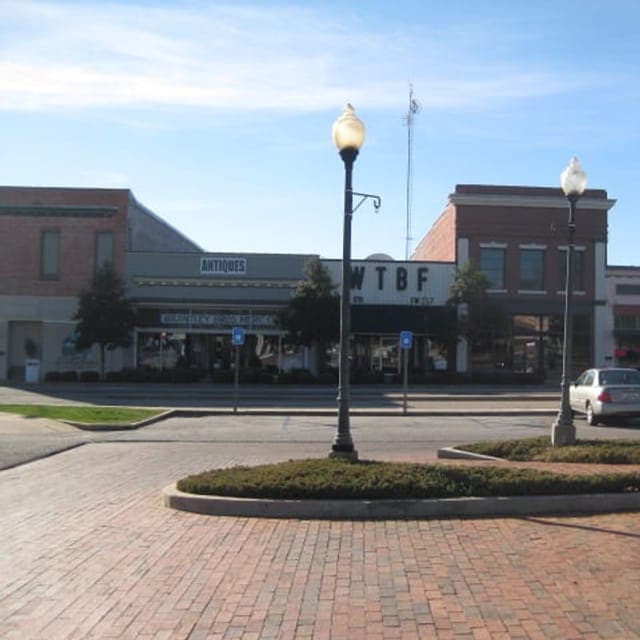
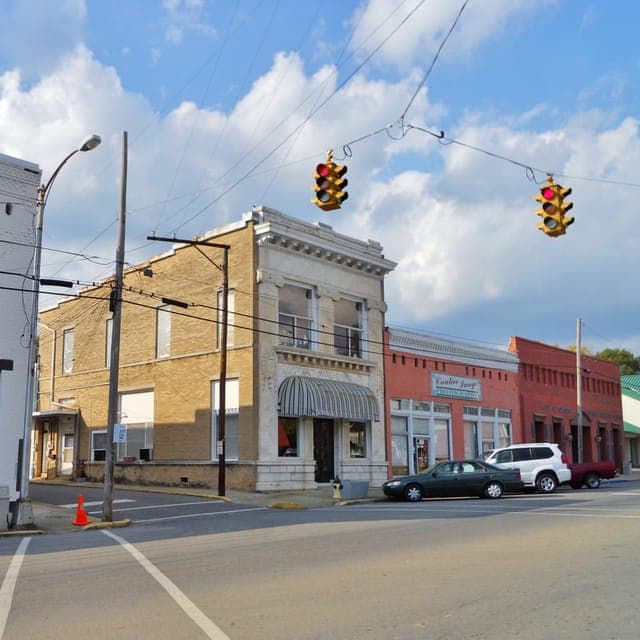

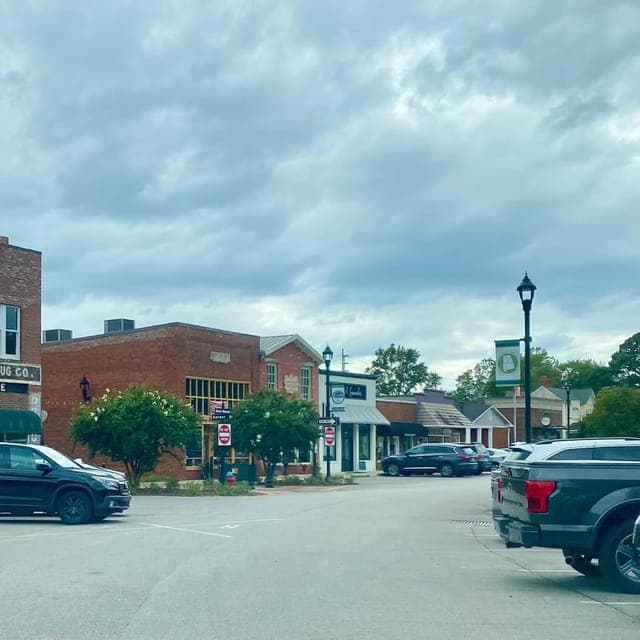

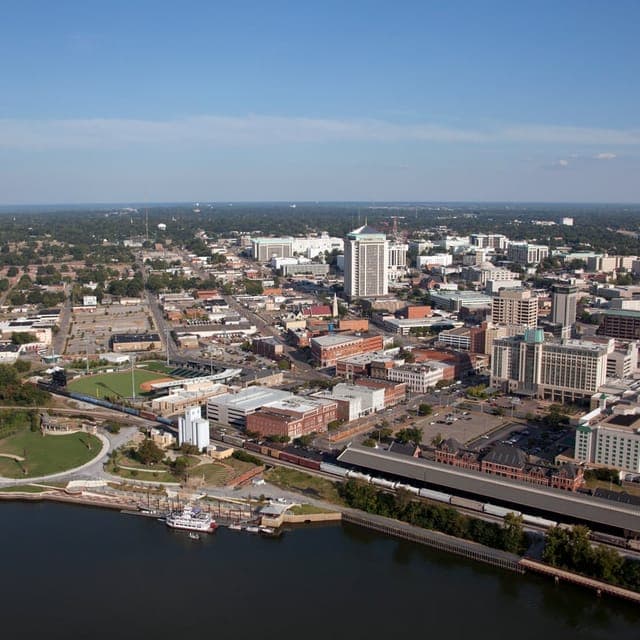
* Values derived from national, state, county, city and local statistics and may differ in a specific area. Last updated: 2026-07-03T04:07:26.000Z
Narrative content on this page is AI-generated and may contain mistakes. Verify any details that matter before acting on them.
ReloMaps may earn a commission from affiliate links at no extra cost to you.

