Photo: Wikipedia
Political ClimatePolitical Climate in Alabama
Political Environment in the State
Alabama has been a rock-solid Republican state for nearly two decades, with Donald Trump winning it by more than 25 points in both 2016 and 2020, and the GOP holding supermajorities in the state legislature. This wasn't always the case—through the 1990s, Democrats still held many local offices and a few statewide seats—but the realignment that swept the Deep South locked in by the mid-2000s. Today, the dominant coalition is a blend of white evangelical voters, rural conservatives, and a growing number of suburban families drawn by low taxes and cultural alignment. The trajectory has been steadily more Republican since 2008, with Democrats now competitive only in a handful of majority-Black counties and the city of Birmingham.
Urban vs. rural divide
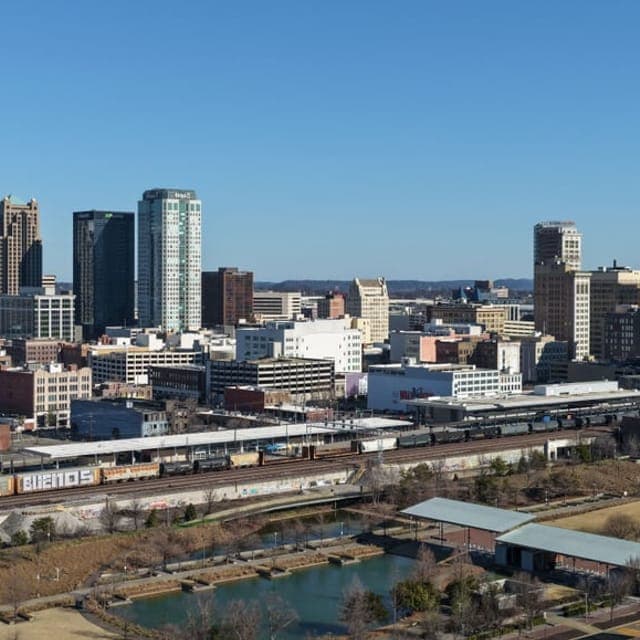
The political map of Alabama is a stark study in contrasts. The state's largest metro, Birmingham (Jefferson County), votes reliably Democratic, with Joe Biden carrying it by about 20 points in 2020. Neighboring Montgomery and the Black Belt counties—where African American populations are high—also lean strongly Democratic. On the flip side, the state's second-largest city, Huntsville (Madison County), has become a Republican stronghold, driven by a tech and aerospace workforce that's culturally conservative but economically dynamic. Mobile and Baldwin County (Gulf Shores) are deeply red, with Baldwin County giving Trump over 75% of the vote. The rural counties—places like DeKalb County in the northeast or Marengo County in the west—vote overwhelmingly Republican, except where majority-Black populations tilt the scale. The divide is less about income than about race and density: white voters in suburbs and small towns are heavily GOP, while Black voters, regardless of income, are overwhelmingly Democratic.
Policy environment
Alabama's policy landscape is defined by a low-tax, limited-government philosophy. The state has no state-level property tax (counties collect it, and rates are among the lowest in the nation), and income tax is a flat 5%, with a standard deduction that shields low earners. The sales tax is high, though—around 9-10% in most cities, including Birmingham and Huntsville. Regulatory posture is business-friendly; the state has right-to-work laws, and workers' compensation costs are low. Education policy is a hot button: the Alabama Accountability Act allows state tax credits for private school scholarships, and the state expanded school choice for special-needs students in 2021. Healthcare is conservative—Alabama did not expand Medicaid under the ACA, leaving roughly 200,000 low-income adults without coverage. Election laws tightened in 2021, requiring voter ID and limiting absentee ballot drop boxes. There is no state-level ballot initiative process, so major policy changes must come from the legislature.
Recent policy direction
The last five years have seen Alabama push aggressively on a range of cultural and liberty issues. In 2022, the state passed a near-total abortion ban (the Human Life Protection Act), with no exceptions for rape or incest, that went into effect after Dobbs overturned Roe. Gun laws are permissive: permitless carry became law in 2022 (HB 272), and there is a "stand your ground" statute. Parental rights were codified in 2023 with a law requiring parental consent for children's social media accounts and barring certain classroom materials on gender identity (HB 322 and related bills). Property rights are strongly protected under the state's homestead exemption and limits on eminent domain. On privacy and surveillance, Alabama passed a data privacy law (the Alabama Data Privacy Act) in 2021 that gives consumers opt-out rights for data sales, though it's weaker than California's. Voting access saw restrictions: the 2021 law (SB 1) made it harder to deliver absentee ballots and banned curbside voting. On election integrity, the legislature launched a forensic audit of the 2020 election in 2021, which found no significant irregularities but fueled ongoing distrust among some conservatives. The state has also moved away from criminal justice reform, restoring some mandatory minimum sentences in 2023.
Civil unrest & political movements
Alabama has not been a hotbed of mass protests compared to larger states, but there are visible flashpoints. In 2020, Birmingham saw sizable Black Lives Matter protests, with one demonstration at the city's Confederate monument in Linn Park leading to its eventual removal by the city council (a state law later blocked removal of other such monuments). Right-wing activist groups, including the Alabama-based Patriot movement and some Second Amendment organizations, hold periodic rallies, particularly in Montgomery near the state capitol. Immigration politics are less heated than in border states, but in 2022, a law (HB 458) targeted "sanctuary city" policies, though no Alabama jurisdictions formally declared sanctuary status. The state has seen some election integrity controversies: the 2017 special Senate election, where Doug Jones defeated Roy Moore, involved allegations of voter fraud that were never substantiated by state investigations. More recently, there is a growing rural activism around property rights and land use, especially in Baldwin County, where rapid development is clashing with long-time landowners. A new resident in Huntsville or Auburn might notice a quieter, more polarized atmosphere—church signs and bumper stickers are the main political expression in most towns.
Projection
Over the next five to ten years, Alabama is likely to remain deeply Republican, but with subtle shifts driven by in-migration. The Huntsville metro area is booming—population grew over 20% in the last decade—drawing younger, college-educated workers from other states who lean slightly more moderate than the existing base. That could soften the cultural edges in Madison County, making it more like a suburban Atlanta in its politics. The Black Belt counties, meanwhile, continue to lose population, slowly eroding the Democratic base. The state's Republican supermajority is likely to hold, but internal factions may emerge between the business wing (pro-growth, pro-tech) and the more populist, culture-war-focused wing. Expect continued battles over school choice, with likely expansion of education savings accounts, and ongoing litigation over abortion bans. By 2030, Alabama could look similar to today's Texas in its political dynamics: a deep-red state with one or two blue-ish metros that grow louder but never flip the state. A new family moving here now should anticipate stable, conservative governance with incremental shifts toward more tailored policies for urban growth.
For a new resident, the bottom line is straightforward: Alabama is a deeply conservative state where your vote in most counties is typically a formality for Republicans. That means low taxes, easy gun laws, and minimal regulatory friction, but also limited public services, particularly in healthcare and education. If you're a conservative, you'll find a welcoming environment in Huntsville, Mobile, or even Auburn. If you're a liberal, you'll have more company in Birmingham or Montgomery, but statewide politics will often frustrate you. Either way, the trajectory is stable—no major flips expected—so choose your town based on your lifestyle, not your hopes for political change.

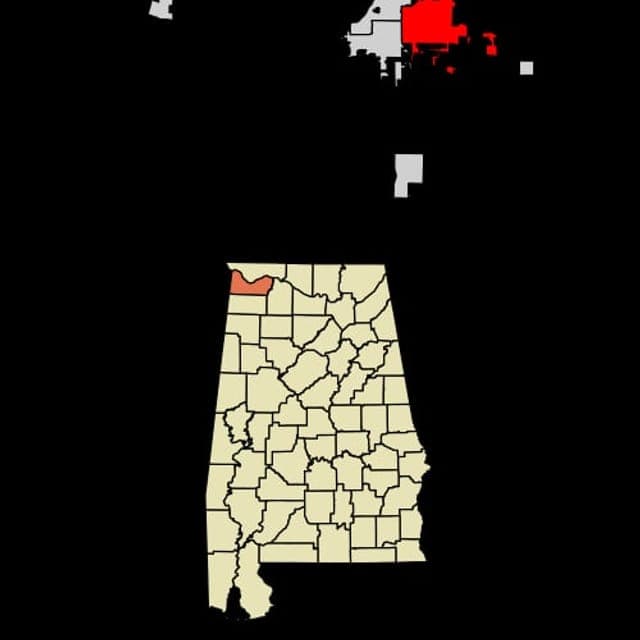
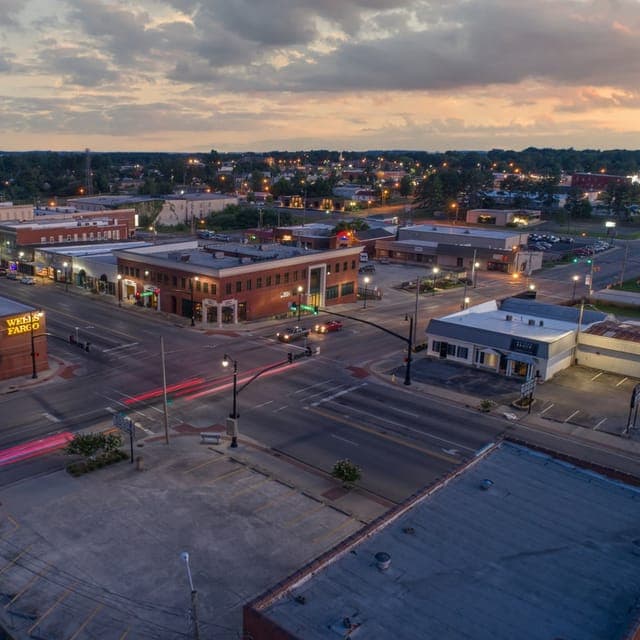
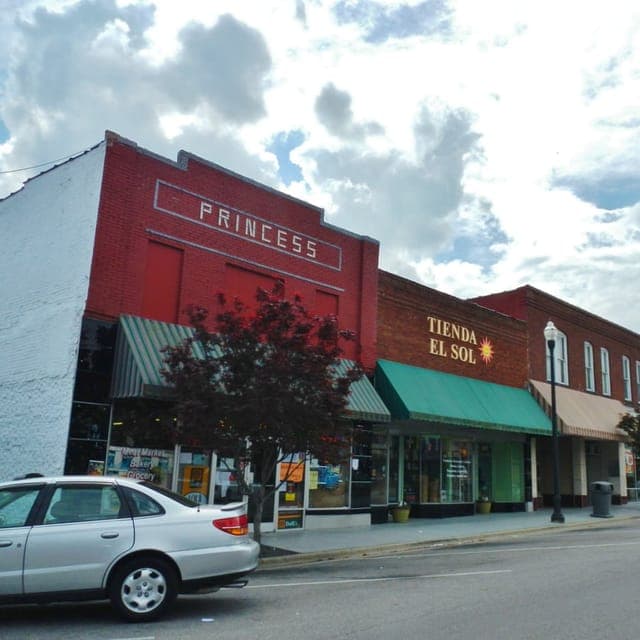
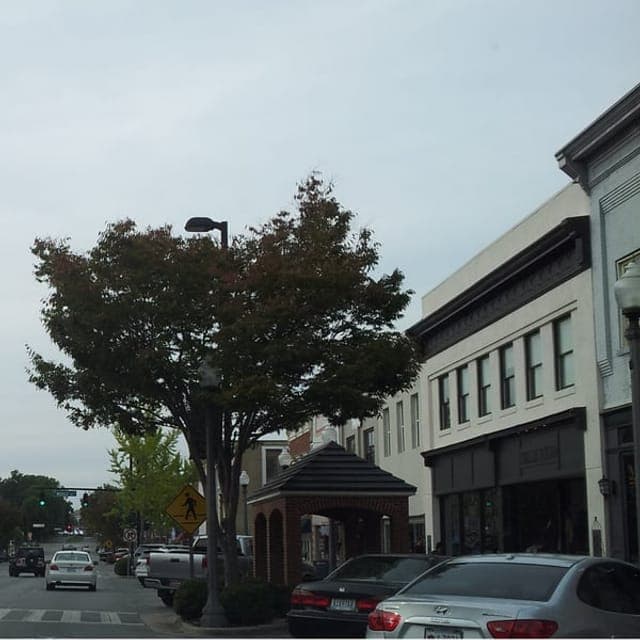
Most Conservative Cities in Alabama
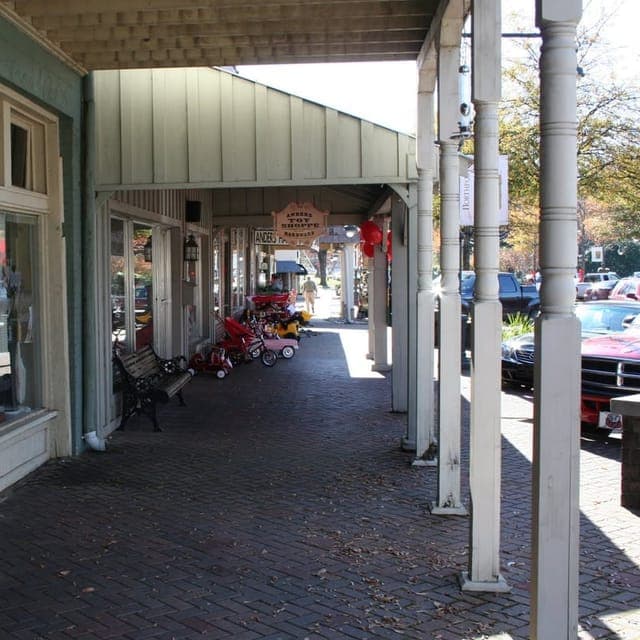
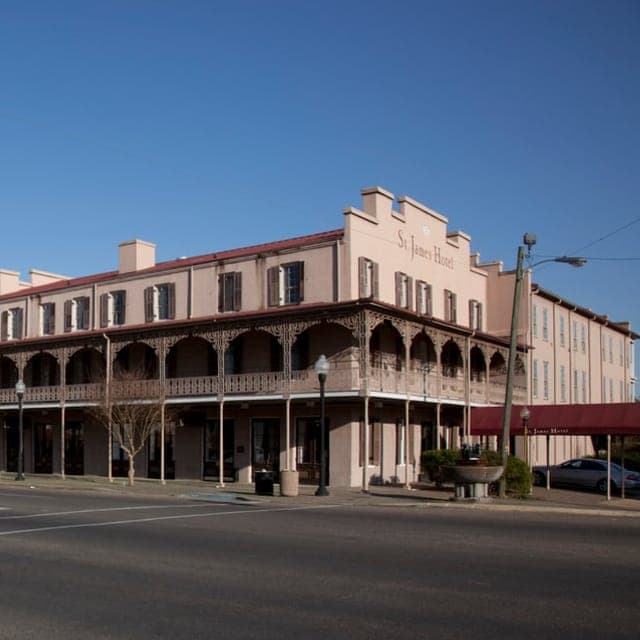
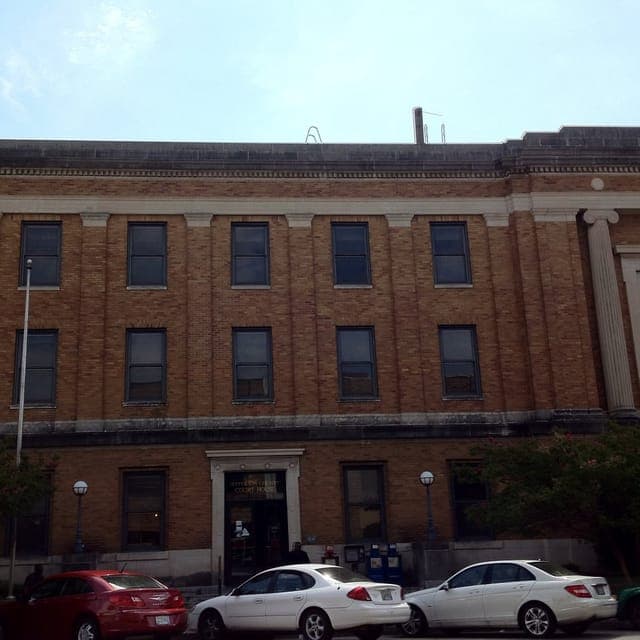
Most Liberal Cities in Alabama


* Values derived from national, state, county, city and local statistics and may differ in a specific area. Last updated: 2026-07-03T04:07:26.000Z
Narrative content on this page is AI-generated and may contain mistakes. Verify any details that matter before acting on them.
ReloMaps may earn a commission from affiliate links at no extra cost to you.

