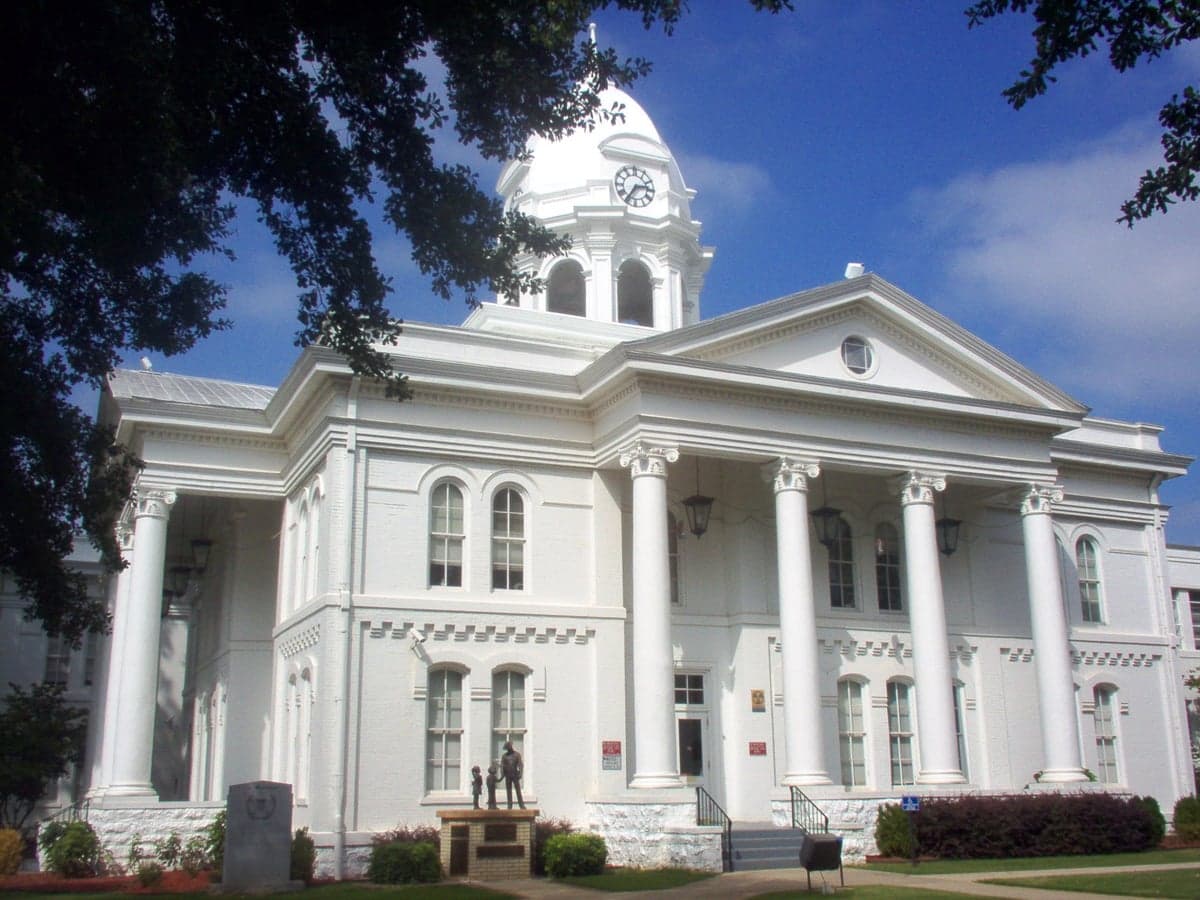
Photo: Wikipedia
Quality of Life in Colbert County
A livable area that tracks near national norms for affordability, walkability, and neighborhood health.
What does Quality of Life tell us?
Quality of Life measures an area by evaluating factors like cost of living, nearby amenities, country club access, airport proximity, socioeconomic signals and neighborhood character. For large states, this is a general average — quality of life can vary dramatically between metro areas, suburbs, and rural communities within the same state.
What does this tell us?
Quality of Life measures an area by evaluating factors like cost of living, nearby amenities, country club access, airport proximity, socioeconomic signals and neighborhood character. For large states, this is a general average — quality of life can vary dramatically between metro areas, suburbs, and rural communities within the same state.
Cost of Living
34% below national average
123%
The Real Cost of Living in Colbert County for 2026
| Tier | Individual | Family (4) |
|---|---|---|
| Survival | $13k | $25k |
| Comfortable | $31k | $46k |
| Luxury | $99k+ | $153k+ |
| Elite (Top 5%) | $116k+ | $180k+ |
Quality-of-Life Analysis
Colbert County, Alabama, offers a broad quality-of-life spectrum that ranges from the historic riverfront bustle of its largest town, Sheffield, to the quiet, unincorporated crossroads of Leighton and the deep-rural farmlands near Cherokee. The county’s overall cost of living index sits at 66 — 34 percent below the U.S. average — and a median home value of $161,600 means that both town-center condos and acreage-laden homesteads remain accessible to a wide range of budgets. This diversity attracts a mix of retirees seeking low taxes, remote workers drawn by the low rent (median $838), and families who value the short average commute of just under 23 minutes.
Largest town(s) & population centers
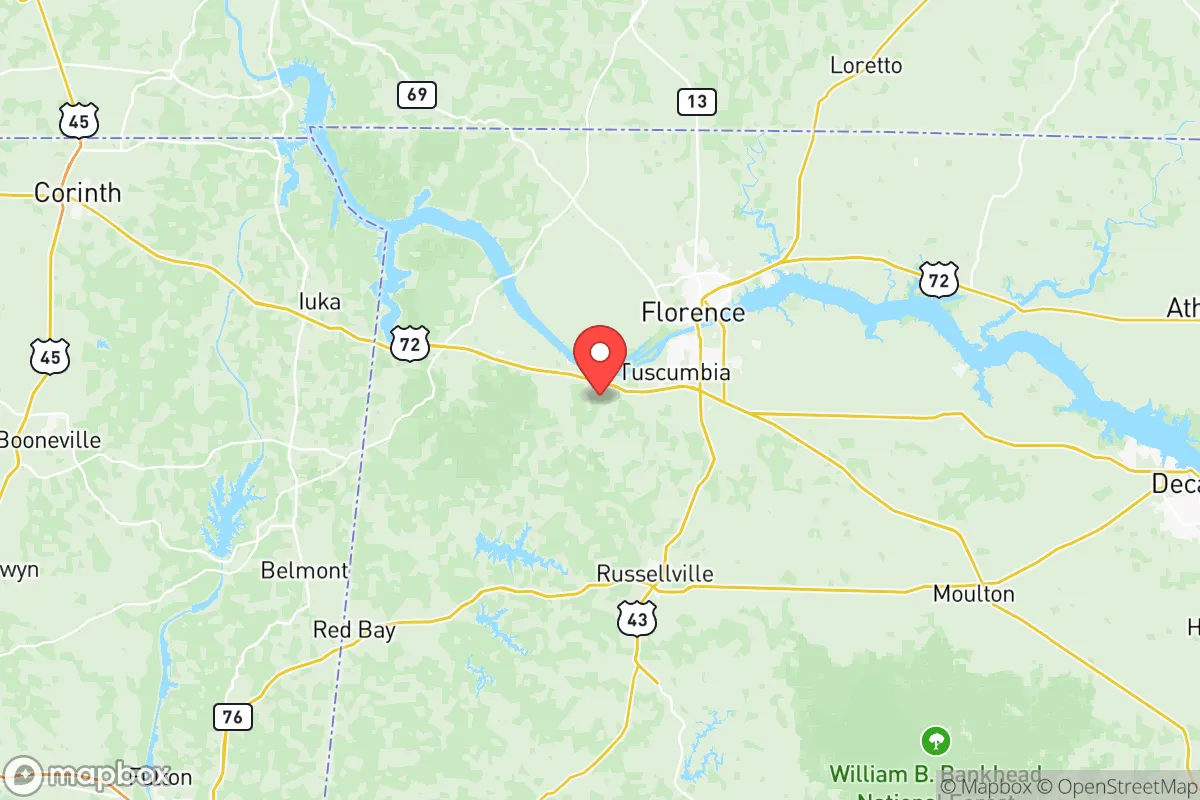
The county’s primary population anchor is the Quad Cities area — Sheffield, Muscle Shoals, Tuscumbia, and Florence (the latter in Lauderdale County) — with Sheffield and Muscle Shoals serving as Colbert County’s commercial and civic hubs. Sheffield, the county seat, centers on the historic downtown along the Tennessee River, where the Renaissance Tower and the Sheffield City Hall anchor a walkable core of local restaurants and small law offices. Muscle Shoals, just east, is the county’s fastest-growing town, home to the Muscle Shoals Sound Studio and the Spring Park amphitheater, and draws a younger, creative-minded population. Daily life here is car-dependent but compact: most errands fall within a 10-minute drive, and the median commute of 22.7 minutes is well below the national average. Tuscumbia, the historic third leg, offers the Ivy Green (Helen Keller’s birthplace) and a slower pace, with older Victorian homes and a strong sense of local heritage. These three towns together provide the county’s densest concentration of grocery stores, medical clinics, and retail — including the Southgate Mall in Muscle Shoals — making them the default choice for anyone who wants walkable amenities without big-city traffic.
Smaller towns & rural pockets
Outside the Quad Cities corridor, Colbert County’s smaller communities offer a markedly different lifestyle. Leighton, a town of roughly 800 people along U.S. Highway 72, is a classic rural crossroads with a single gas station, a post office, and a volunteer fire department — daily life here means driving 15–20 minutes to Sheffield for groceries or healthcare. Littleville, population around 1,000, sits near the county’s southern edge and feels like a bedroom community for Muscle Shoals workers, with newer subdivisions on former farmland. Cherokee, in the far northwest corner, is the county’s most remote incorporated town, hugging the Tennessee River and offering little more than a bait shop and a handful of historic homes; residents here commute 30 minutes or more to the Quad Cities for most services. Unincorporated areas such as Ford City and Margerum are essentially open countryside — no sidewalks, no streetlights, and properties measured in acres rather than lots. These pockets are where the county’s median home value of $161,600 buys the most land: a three-bedroom house on five acres near Leighton can sell for under $150,000, while a similar home in Sheffield might cost $180,000.
Cost & lifestyle range
The cost spread across Colbert County is wide but not extreme. At the higher end, Muscle Shoals and Sheffield’s riverfront neighborhoods (e.g., the historic district along Montgomery Avenue) see median home values around $200,000–$220,000, with rents approaching $1,000 for a two-bedroom apartment. At the lower end, Leighton and Littleville offer median home values closer to $120,000, and rents in older duplexes can fall to $650–$700. The county’s overall median rent of $838 reflects this mix: a renter in Muscle Shoals pays a premium for proximity to the North Alabama Medical Center and the University of North Alabama (just across the river in Florence), while a renter in rural Cherokee gets more square footage but a longer drive to work. Lifestyle follows the same gradient: residents in the Quad Cities have access to the Colbert County Farmers Market, the Tennessee Riverwalk, and multiple chain retailers, while those in the rural pockets rely on hunting, fishing, and small-town church communities for social life. The average commute of 22.7 minutes is a countywide figure that masks a 15-minute drive within Sheffield versus a 35-minute drive from Cherokee to Muscle Shoals.
Colbert County works best for people who value low housing costs and a short commute above urban nightlife or dense public transit. Remote workers and retirees on fixed incomes will find the 66 cost-of-living index stretches a paycheck further than almost any metro area. Families who want good schools should target the Muscle Shoals City School System (rated above state averages), while those seeking land and privacy will thrive in the unincorporated areas around Leighton or Cherokee. The county’s quiet, self-reliant character — neither fully rural nor fully suburban — makes it a strong fit for anyone who wants a low-stress, affordable base within an hour of Huntsville’s job market.

Crime in Colbert County
Crime rates similar to the national median for U.S. locations.
Violent CrimeViolent Crime Analysis
Property CrimeProperty Crime Analysis
Crime Analysis
Colbert County's combined violent and property crime rates sit above both Alabama and national averages, with a violent crime index of 348.1 per 100,000 residents and a property crime index of 1,479.9 per 100,000. For context, the national violent crime rate is roughly 380 per 100,000, placing Colbert slightly below that benchmark, while Alabama's state average hovers around 410 per 100,000. Property crime in the county, however, exceeds both the state and national medians, making theft and burglary the more immediate concerns for most residents.
Crime in context
When comparing Colbert County's violent crime rate of 348.1 per 100,000 to Alabama's overall figure of about 410 per 100,000, the county appears somewhat safer than the state mean. Yet the property crime rate of 1,479.9 per 100,000 is notably higher than the national average of roughly 1,954 per 100,000, meaning property offenses like larceny, motor vehicle theft, and burglary occur at a frequency that demands attention. Neighboring Lauderdale County, home to Florence, reports a violent crime rate near 320 per 100,000 and a property crime rate around 1,350 per 100,000, placing Colbert on the higher end of the region's crime spectrum. The presence of Interstate 65 and US Highway 72 through the county contributes to transient property crime, especially in commercial corridors near Muscle Shoals and Sheffield.
What residents experience
Daily life in Colbert County varies noticeably by jurisdiction. Muscle Shoals, the largest city, generally sees lower violent crime than Sheffield or Tuscumbia, though its property crime rate can spike seasonally near retail zones. Sheffield, with its older industrial base and more transient population, accounts for a disproportionate share of the county's aggravated assaults and burglaries. Tuscumbia, the county seat, reports moderate crime levels but struggles with drug-related offenses tied to the broader opioid and methamphetamine patterns common in rural North Alabama. The 11th Judicial Circuit, which oversees Colbert County, has been the subject of local debates around sentencing consistency; progressive-leaning judicial policies in some nearby circuits have been linked to higher recidivism, though Colbert's courts have generally maintained a more traditional approach that prioritizes victim rights and public safety. Residents in the rural communities of Cherokee and Leighton often cite low crime as a reason for staying, with local sheriff's patrols providing a visible deterrent.
Neighborhood-level variation is pronounced. The western side of Muscle Shoals, near the Tennessee River and Wilson Lake, is widely considered the safest area in the county, with crime rates closer to 200 per 100,000 for violent offenses. In contrast, central Sheffield and the older residential blocks of Tuscumbia near US-72 see elevated property crime, with some blocks reporting burglary rates double the county average. Prospective residents should examine block-level data for specific subdivisions and consult local police department crime maps before committing to a rental or purchase.
* Values derived from national, state, county, city and local statistics and may differ in a specific area. Last updated: 2026-06-15T23:06:04.000Z
Narrative content on this page is AI-generated and may contain mistakes. Verify any details that matter before acting on them.
ReloMaps may earn a commission from affiliate links at no extra cost to you.

