 Popular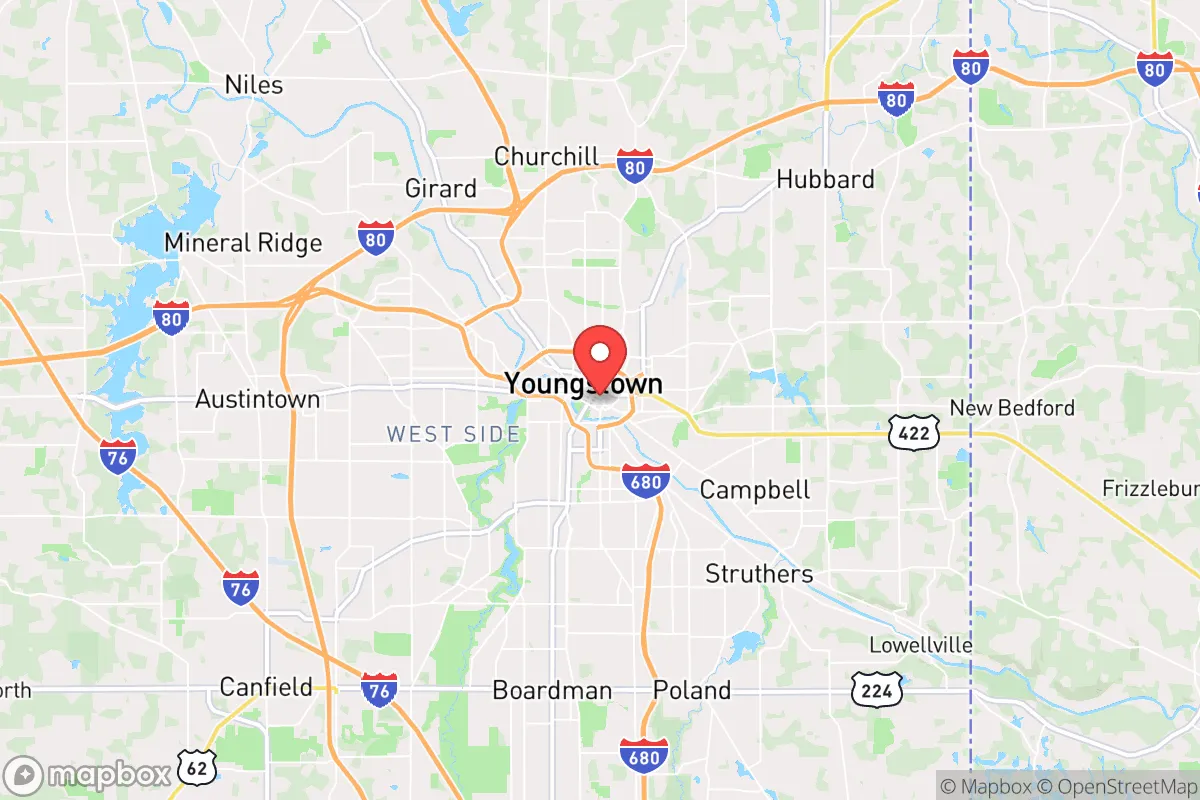
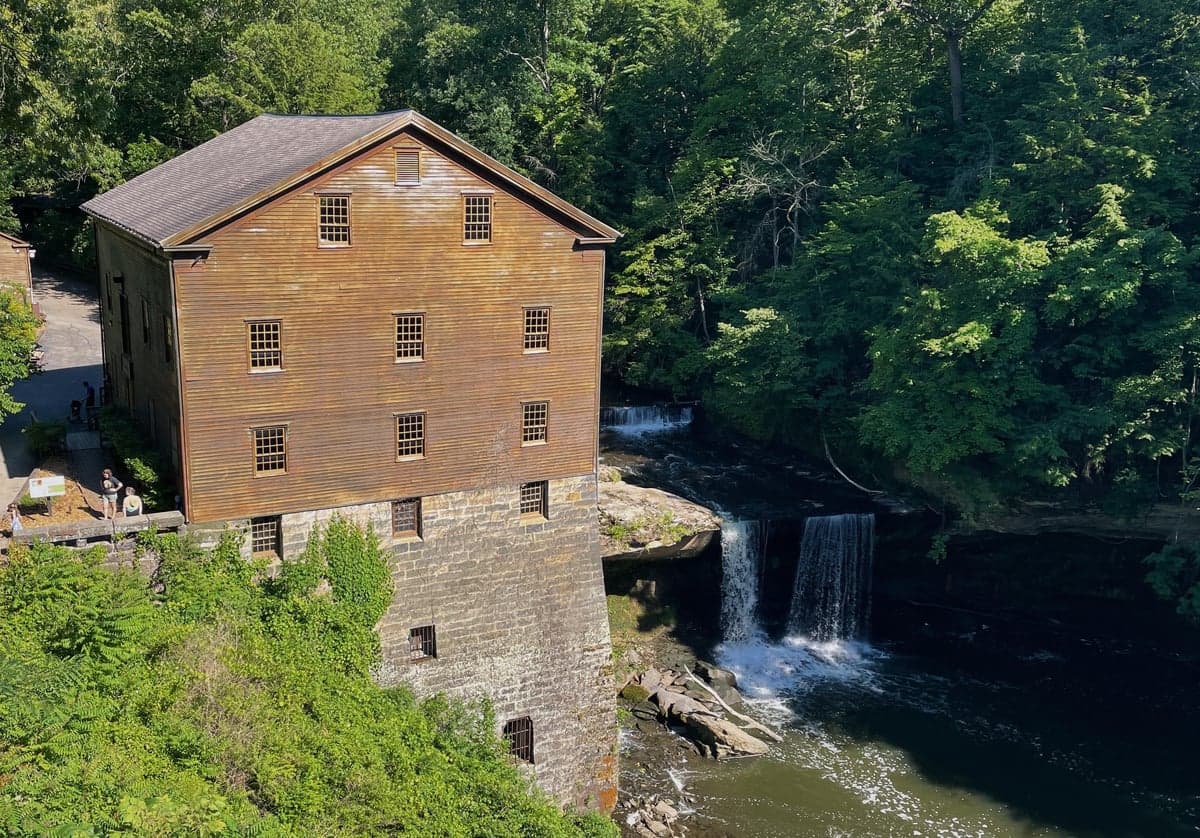
Photo: Wikipedia
Political ClimatePolitical Climate in Youngstown, OH
District shown is the primary district for this city’s centroid. Cities may span multiple districts.
Local Political AnalysisPolitical Analysis of Youngstown, OH
Youngstown, Ohio, has been a solidly conservative stronghold for years, and the numbers back that up—the Cook PVI sits at R+16, meaning the area votes about 16 points more Republican than the national average. That’s not just a fluke; it’s a reflection of a working-class, family-oriented community that’s watched the Democratic machine of the past fade away. The shift started in earnest around the 2010s, when folks here got tired of empty promises from both parties, but especially from the progressive wing that seemed more interested in social experiments than fixing potholes or keeping factories open. Today, Youngstown leans reliably red, with local elections often decided by who can best defend traditional values and push back against government overreach.
How it compares
Drive 15 miles north to Warren, and you’ll find a similar conservative vibe—both cities are part of the Mahoning Valley’s red belt. But head 40 miles west to Akron or 60 miles north to Cleveland, and the political landscape flips hard blue. Those cities are dominated by progressive policies that many Youngstown residents see as a cautionary tale: higher taxes, more regulations on small businesses, and a growing tolerance for government meddling in personal decisions. In contrast, Youngstown’s surrounding towns like Boardman and Canfield lean even more conservative, with school boards and local councils that prioritize parental rights and fiscal restraint. The contrast is stark—while Cleveland debates defunding the police, Youngstown’s sheriff’s office is still the first call for neighborhood safety.
What this means for residents
For someone living here, the political climate means fewer headaches from government overreach. You’re not constantly fighting zoning laws that dictate what you can do with your own property, and there’s a general respect for the Second Amendment that you won’t find in blue areas. That said, there’s a growing concern about creeping progressive influence—some local school boards have started pushing DEI initiatives, and there’s chatter about “equity” programs that sound like a backdoor to quotas. Longtime residents remember when Youngstown was a union town, but now they see the same unions cozying up to national Democrats who want to raise taxes and limit energy production. The real worry is that if the state keeps tilting blue—like it did in the 2023 Supreme Court race—Youngstown could get dragged into policies that feel like they’re designed for Portland, not the Rust Belt.
On the cultural side, Youngstown still holds onto its blue-collar roots—church attendance is high, family gatherings are big, and there’s a no-nonsense attitude about work and self-reliance. You’ll hear folks grumble about the city council’s occasional flirtation with bike lanes or “green” initiatives, but those rarely get far. The real policy distinction is in how the area handles taxes: property taxes are low compared to Cuyahoga County, and there’s a strong push to keep it that way. Looking ahead, the long-term trajectory depends on whether Youngstown can hold the line against state-level progressive pushes, like the recent attempts to weaken voter ID laws or expand Medicaid without work requirements. If it stays true to its roots, it’ll remain a pocket of sanity in a state that’s getting harder to recognize.

State Political ClimatePolitical Climate in Ohio
State Political AnalysisPolitical Environment in the State
Ohio has long been the quintessential swing state, but over the past decade it has shifted from a pure battleground to a state with a clear Republican lean at the state level, while still retaining competitive pockets. The 2024 presidential election saw Donald Trump win Ohio by roughly 11 points, a far cry from the 8-point Obama win in 2012 and the 8-point Trump win in 2016. This rightward drift is driven by a combination of working-class defections from the Democratic Party in the industrial north and a growing conservative exurban and rural base, while the Columbus and Cleveland metros remain Democratic strongholds. For a conservative-leaning individual or family, Ohio offers a mixed bag: a state government that has aggressively pushed conservative policy, but with local governments in major cities that often push back hard.
Urban vs. rural divide
The political map of Ohio is a textbook study in the urban-rural split. The three Cs — Columbus, Cleveland, and Cincinnati — are the Democratic anchors. Columbus, home to Ohio State University and a booming tech and insurance sector, is the fastest-growing and most reliably blue major city in the state, with Franklin County delivering margins of 60%+ for Democrats. Cleveland (Cuyahoga County) and Cincinnati (Hamilton County) also vote heavily Democratic, though Hamilton County has been tightening in recent cycles as the suburbs around Cincinnati shift right. The real story is in the exurbs and rural areas. Counties like Delaware (north of Columbus), Warren (north of Cincinnati), and Medina (southwest of Cleveland) have gone from purple to deep red over the last 20 years, fueled by families fleeing the cities for lower taxes and better schools. Meanwhile, the southeastern Appalachian counties — places like Meigs, Monroe, and Noble — are among the most Republican in the nation, often voting 75-80% for Trump. The rural northwest, including Van Wert and Mercer counties, is similarly deep red. The only blue rural outliers are a few counties with large university towns, like Athens (Ohio University) and Portage (Kent State).
Policy environment
Ohio's state-level policy environment has been decidedly conservative since 2011, when Republicans took full control of the legislature and governor's office. The state has a flat income tax rate of 3.5% (down from a top rate of 6% in 2013), and the sales tax is 5.75% with local add-ons. Property taxes are moderate, though they vary wildly by district — expect to pay more in the wealthy Columbus suburbs than in rural Licking County. The regulatory posture is business-friendly: Ohio is a right-to-work state in practice (though not by law), and the state has aggressively courted manufacturing and logistics jobs, especially in the I-71 corridor between Columbus and Cincinnati. On education, Ohio has a robust school choice program, including the EdChoice voucher system that allows students in underperforming public schools to attend private or charter schools. This is a major draw for conservative parents. Healthcare policy is a mixed bag: the state expanded Medicaid under the Affordable Care Act in 2014, but the legislature has since passed laws restricting abortion (a heartbeat bill in 2019, and a near-total ban in 2022 that was later blocked by a court). In 2023, voters passed Issue 1, enshrining abortion rights in the state constitution — a major setback for the conservative movement. Election laws have tightened: voter ID requirements were strengthened in 2023, and early voting windows were slightly reduced, though Ohio still has no-excuse absentee voting.
Trajectory & freedom
On the freedom front, Ohio is a tale of two trends. On the positive side for conservatives, the state has expanded gun rights significantly: permitless carry (constitutional carry) became law in 2022, and the state preempts local gun ordinances, meaning cities like Columbus and Cleveland cannot enact their own bans. Parental rights have also been a focus: in 2023, the legislature passed a bill requiring schools to notify parents of any changes to a student's health or well-being, and banning instruction on sexual orientation and gender identity in grades K-3 (the "Parents' Bill of Rights"). Property rights are generally strong, though the state has a history of aggressive eminent domain for economic development, particularly around the Intel chip plant in Licking County. On the concerning side, the state has seen a creeping expansion of government power in the name of public health and safety. The COVID-19 pandemic saw Governor Mike DeWine issue sweeping executive orders, including a stay-at-home order and business closures, which many conservatives viewed as overreach. The legislature has since passed bills limiting the governor's emergency powers, but the precedent is worrying. Additionally, the state's tax burden, while lower than it was, is still higher than many Sun Belt competitors, and the state's pension system for public employees is underfunded, which could lead to future tax hikes.
Civil unrest & political movements
Ohio has seen its share of political flashpoints. The 2020 protests in Columbus and Cleveland over George Floyd's death were large and occasionally violent, with property damage in the Short North and downtown areas. The state also saw significant election integrity concerns in 2020 and 2022, with many conservatives questioning the security of mail-in voting and the accuracy of voter rolls. In 2022, a controversial ballot initiative in Lake County (northeast Ohio) saw a close race for a state house seat that was decided by a single vote after a recount, fueling ongoing distrust. Immigration politics are less of a flashpoint than in border states, but the arrival of Haitian migrants in Springfield (Clark County) in 2023-2024 sparked local tensions and national media attention, with some residents complaining about strain on schools and healthcare. The state has no sanctuary cities, and the legislature has passed laws requiring local law enforcement to cooperate with ICE. On the left, the "People's Budget" movement in Columbus and the "Defund the Police" push in Cleveland have largely fizzled, but the activist infrastructure remains. On the right, the "Ohio Freedom Alliance" and local Moms for Liberty chapters are active in school board races and county party politics.
Projection
Over the next 5-10 years, Ohio is likely to continue its slow rightward drift at the state level, but with important caveats. The in-migration pattern is a double-edged sword: the state is gaining population from the Northeast and Midwest, but many of these new arrivals are moving to the Columbus and Cincinnati suburbs, which are trending purple rather than deep red. The Intel plant in Licking County is expected to bring 3,000 high-paying jobs and tens of thousands of construction workers, many of whom will be younger and more diverse — potentially shifting the political calculus in that region. Meanwhile, the rural counties are aging and shrinking, which could reduce their electoral weight over time. The state's gerrymandered legislative maps (currently being challenged in court) have given Republicans supermajorities in both chambers, but a court-ordered redraw could make the state more competitive. The wild card is the 2026 governor's race: if a moderate Republican wins, the state may stay the course; if a hardline conservative wins, expect more aggressive action on school choice, tax cuts, and social issues. For a conservative family moving in now, expect the state to remain broadly friendly to your values for the next decade, but with the understanding that the cities will become increasingly progressive and the suburbs will be the battleground.
Bottom line for a new resident: Ohio is a solid bet for a conservative-leaning family who wants a lower cost of living, good schools (especially in the suburbs), and a state government that generally respects gun rights and parental authority. But don't expect a libertarian paradise — the tax burden is moderate, the cities are blue, and the state's history of government overreach during emergencies is a real concern. If you're moving here, pick your county carefully: Delaware, Warren, or Medina are your best bets for a conservative-friendly environment with good amenities. Avoid the urban cores unless you're prepared for the political and cultural friction.
* Values derived from national, state, county, city and local statistics and may differ in a specific area. Last updated: 2026-04-21T19:48:35.000Z
Narrative content on this page is AI-generated and may contain mistakes. Verify any details that matter before acting on them.
ReloMaps may earn a commission from affiliate links at no extra cost to you.

