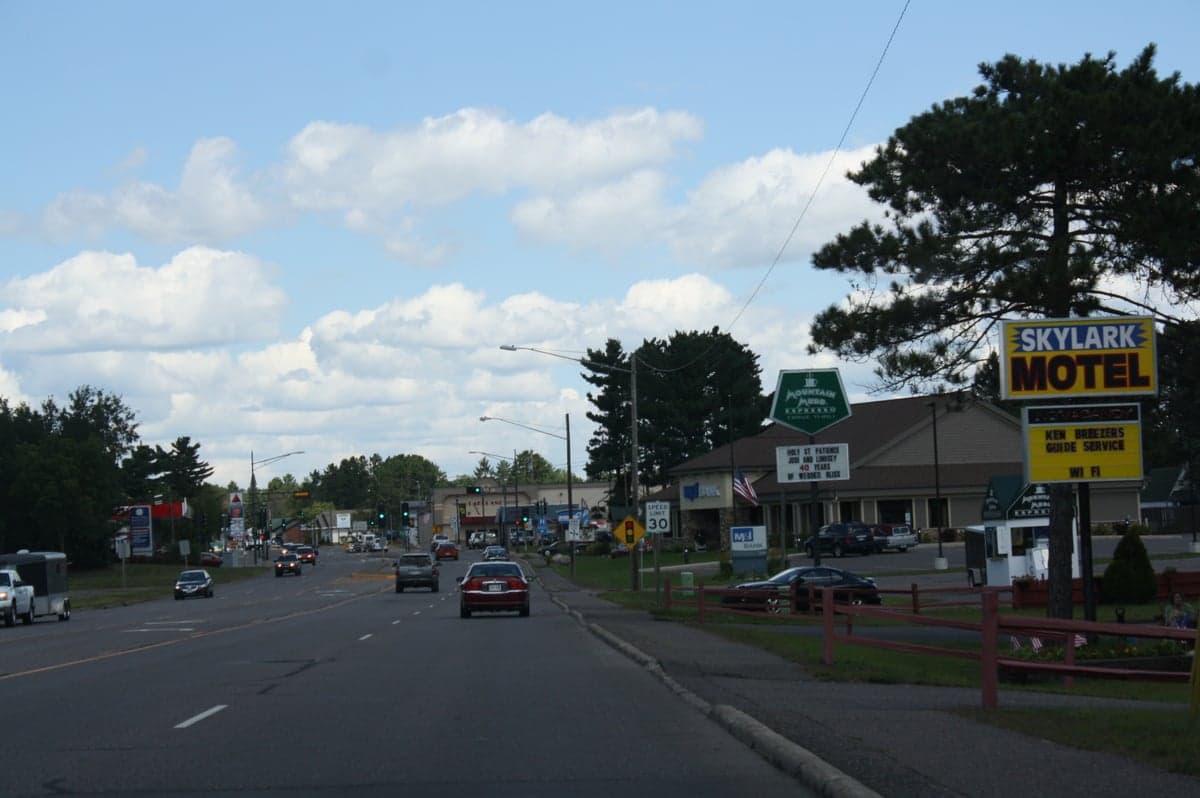
Photo: Wikipedia
Strategic Assessment of Woodruff, WI
Strong survivability profile. Good buffer from population centers, with manageable environmental and tactical risks.
What does the Strategic Assessment tell us?
Our Strategic Assessment grades tactical survivability of an area. Major population centers, military targets, fallout zones, natural disasters, and border exposure all drive risk — lower exposure means a more defensible position in a crisis.
This is heavily inspired by Joel Skousen's Strategic Relocation book. Highly recommended you checkout the book ($)What does this tell us?
Our Strategic Assessment grades tactical survivability of an area. Major population centers, military targets, fallout zones, natural disasters, and border exposure all drive risk — lower exposure means a more defensible position in a crisis.
This is heavily inspired by Joel Skousen's Strategic Relocation book. Highly recommended you checkout the book ($)Strategic Pillars
Key Distances
Regional Safe Places
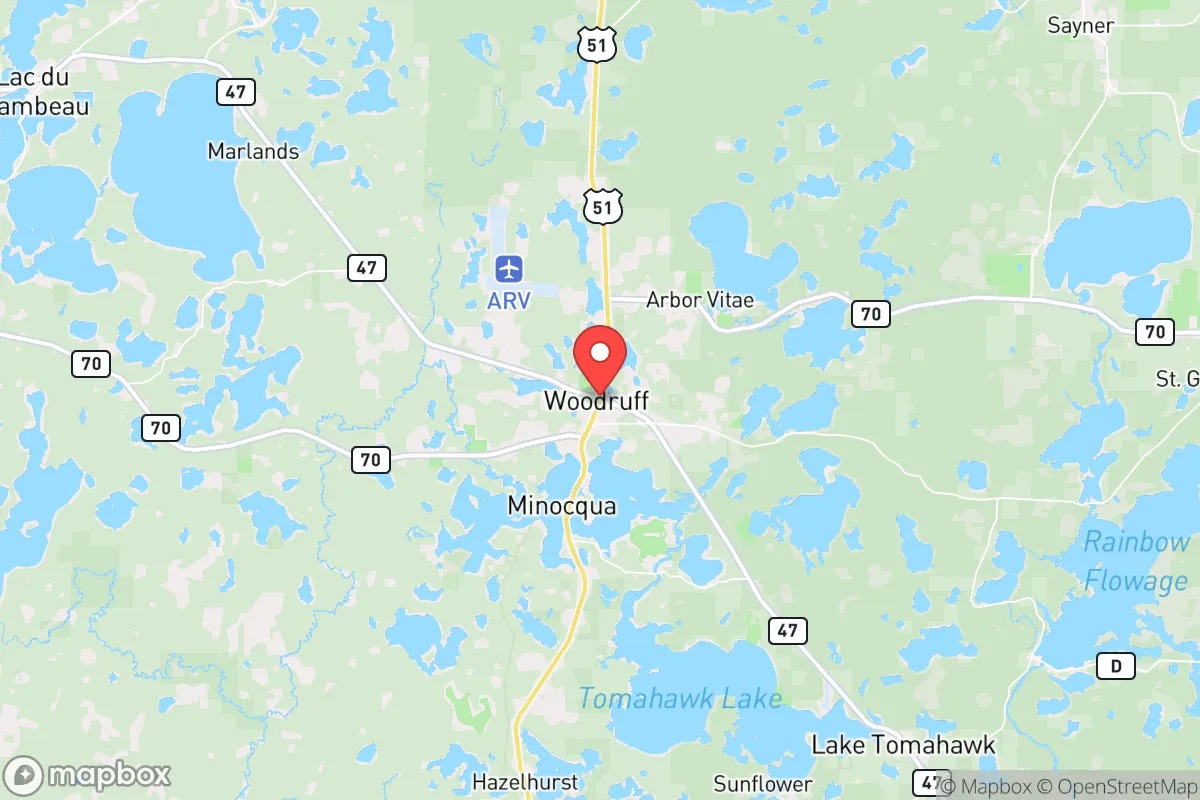
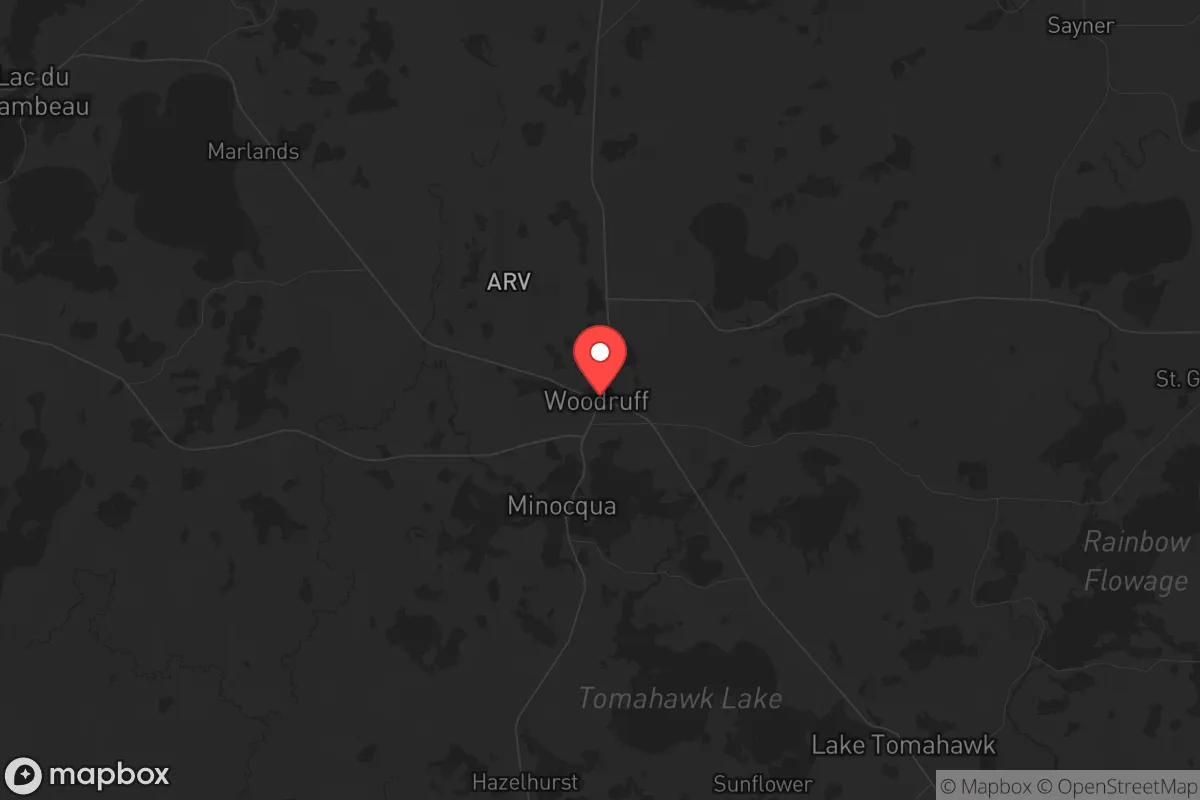
Below is our recommended "safe zones" in Wisconsin and the surrounding area based on our strategic heuristics. For most people, it's unrealistic to live in a “safe zone” full-time due to work, family or other personal reasons. They tend to be more rural. However, many of these areas are perfect for second homes and retreat properties that double as a vacation home or even a short-term rental.
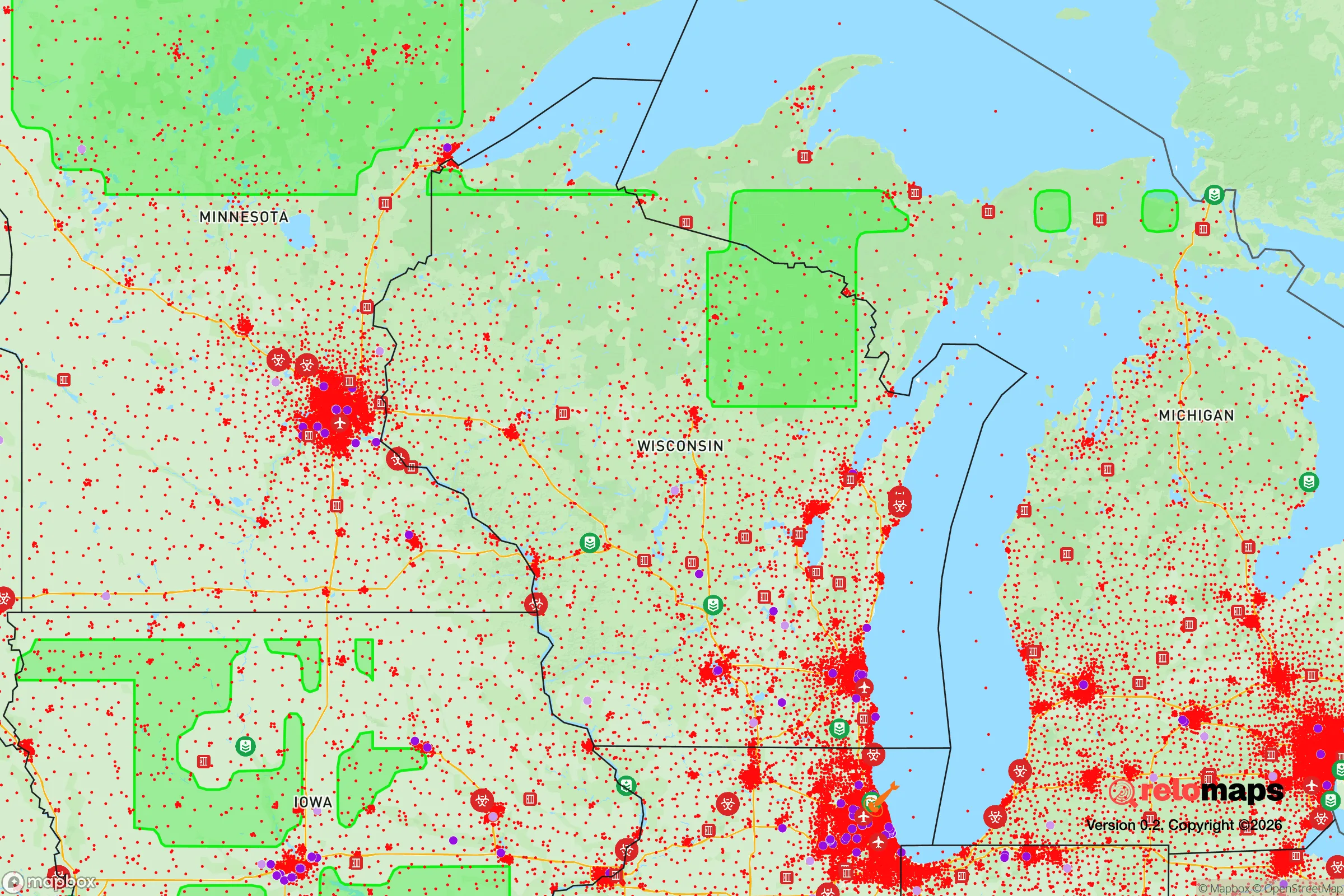
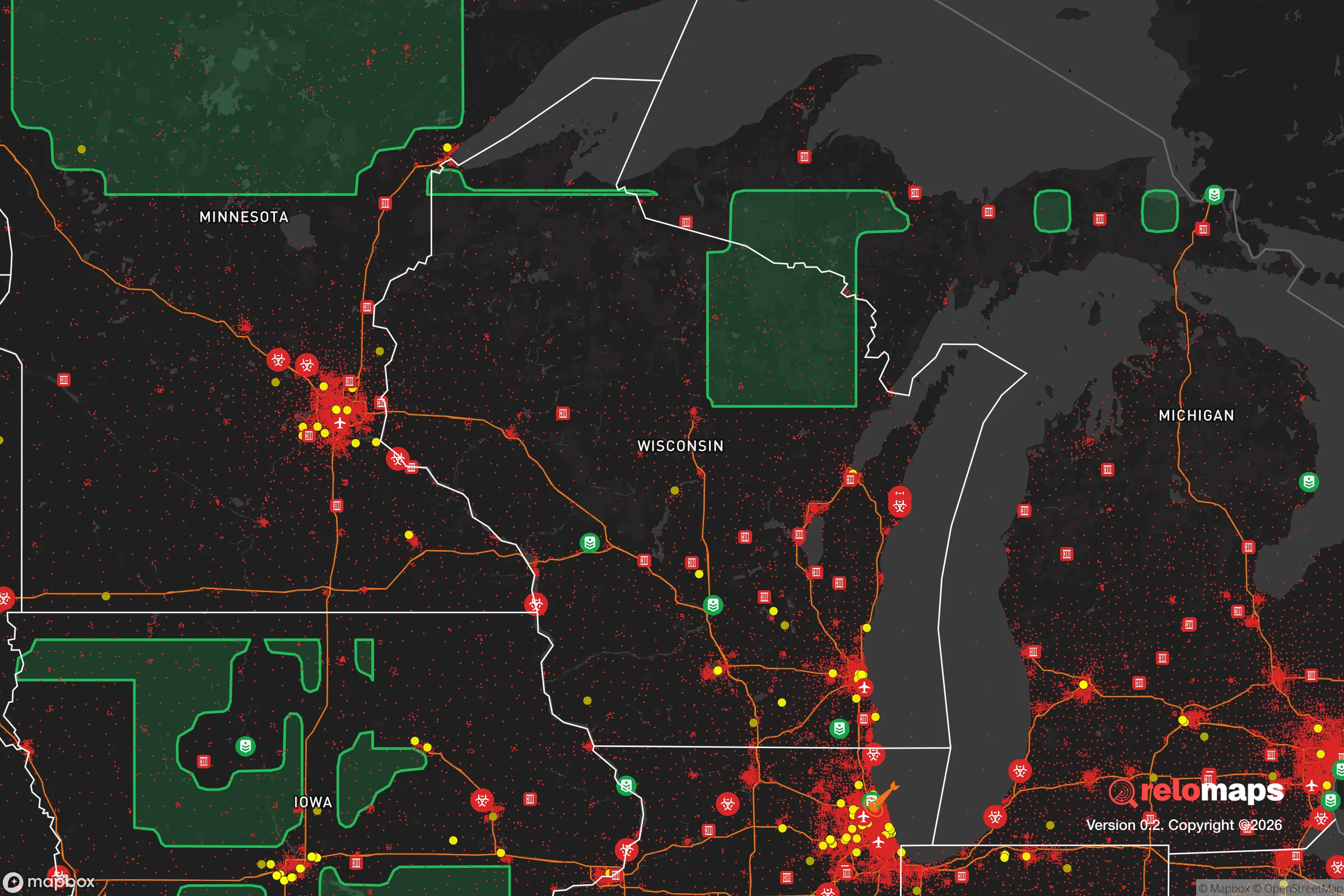


Important Note: For informational purposes only. This does not mean nothing bad ever happens in the green zones. Please use common sense. This is based on public data and modeled with AI. We tried to take a conservative approach but mistakes happen. We update this regularly as new information becomes available.
Solar Generator Recommendations
Backup power matters more here than in safer locations. We've picked three solar generators across budgets and capacity tiers — start with the budget unit if you only need a few essentials, or step up if you want to run a fridge and HVAC for days at a time.
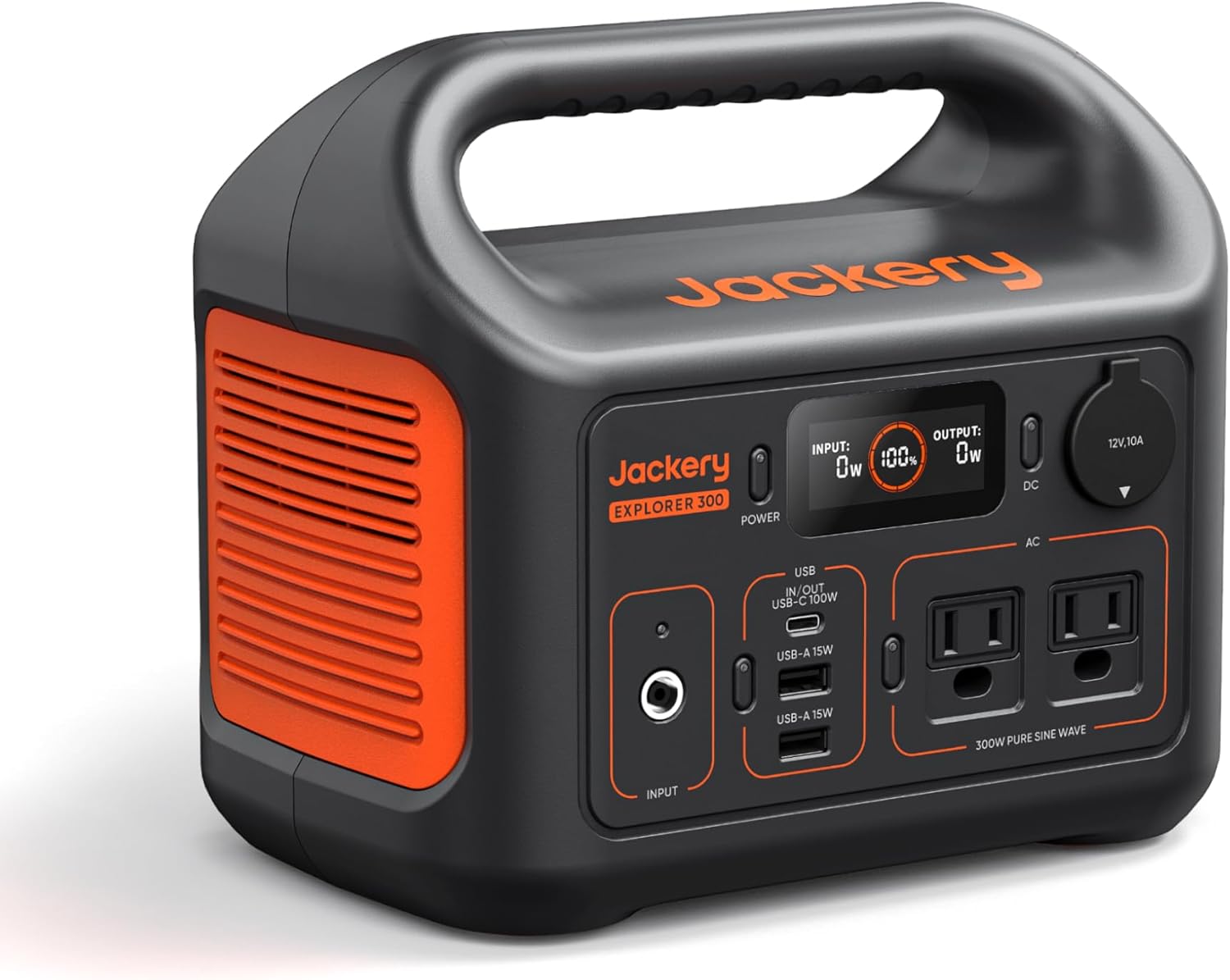
Jackery Portable Power Station Explorer 300
Budget OptionPower on the Go: Weighing only 11 lbs, it's convenient to set up and store with book-sized foldable solar panels

BLUETTI Portable Power Station AC180
Designed for both indoor and outdoor scenarios, AC180 is highly capable as it has a robost capacity and continuous output power.

EF ECOFLOW DELTA Pro Ultra Power Station
Upgraded PickEcoFlow DELTA Pro Ultra is a whole-home energy system designed to grow with your family. Integrated with the Smart Home Panel 2, it scales to meet your evolving energy needs — keeping your home powered, intelligent, and secure through every stage of life.
We earn a commission, at no additional cost to you.
Strategic Assessment Analysis
Woodruff, Wisconsin, offers a surprisingly strong strategic position for those prioritizing disaster readiness and self-sufficiency, largely due to its location in the Northwoods region, far from major population centers and industrial targets. Its resilience stems from a combination of geographic isolation, abundant natural resources, and a low population density that reduces both competition for supplies and exposure to cascading failures from urban areas. While no location is immune to risk, Woodruff’s profile is one of quiet stability rather than acute vulnerability, making it a viable option for relocators seeking a buffer from national-scale disruptions.
Geographic position and natural advantages for long-term stability
Woodruff sits in Oneida County, roughly 30 miles south of the Michigan border, placing it squarely within the Northern Highland region. This area is defined by its extensive forests, thousands of lakes, and a climate that, while harsh in winter, provides a natural barrier to large-scale migration during a crisis. The town itself is adjacent to the 220,000-acre Northern Highland-American Legion State Forest, a contiguous block of public land that offers both a buffer and a resource base. The region’s low population density—Oneida County averages about 38 people per square mile—means that even a significant influx of displaced persons would be manageable compared to suburban or exurban areas. The proximity to the Wisconsin River system, including the nearby Tomahawk and Wisconsin Rivers, provides reliable surface water, a critical advantage if municipal systems fail. The area’s elevation, generally between 1,500 and 1,700 feet, reduces flood risk from storm surges or dam failures, though localized flooding near lakes is possible. For a relocator, the key takeaway is that Woodruff’s geography offers a natural fortress: dense forests for cover and fuel, abundant water, and a climate that discourages casual travel during winter months, effectively limiting outside pressure on local resources.
Risks, exposures, and proximity to fallout-relevant landmarks
Woodruff’s primary risk profile is low compared to coastal or urban areas, but it is not without exposure. The most significant man-made risk is its distance from major strategic targets. The nearest city of notable size is Wausau, about 60 miles south, which houses a regional medical center and some light industry but is not a primary nuclear target. Minneapolis-St. Paul, roughly 200 miles west-southwest, is a Tier-1 target, but Woodruff lies well outside the likely fallout plume patterns for prevailing westerly winds, which would carry contamination eastward into Michigan and Ontario. The Kewaunee Nuclear Power Plant, about 150 miles southeast on Lake Michigan, is a potential radiological hazard, but prevailing winds would push any release away from Woodruff. The D.C. Everest pulp mill in Rothschild (near Wausau) and the Kohler industrial complex in Sheboygan County are lower-tier targets but still represent chemical and industrial risks. Natural hazards are limited: tornadoes are possible but rare in the Northwoods, and the region’s deep water table and sandy soils mitigate earthquake damage. The primary natural risk is severe winter weather, which can isolate communities for days—a feature that, in a crisis, becomes a defensive advantage. For a relocator, the assessment is clear: Woodruff is far enough from high-value targets to avoid direct blast effects and most fallout, and its winter climate acts as a natural filter against large-scale movement.
Practical resilience for a relocator: food, water, energy, and defensibility
Woodruff’s practical resilience is strong, particularly for those willing to invest in off-grid infrastructure. Water is abundant: the area sits atop the Northwoods aquifer, with wells typically reaching clean water at 50 to 150 feet. Surface water from the many lakes and rivers is plentiful but requires filtration due to agricultural runoff and natural sediment. Food production is limited by a short growing season (roughly 100 frost-free days) and sandy, acidic soils, but the region supports deer, turkey, and small game hunting, as well as fishing in the chain of lakes. For long-term food security, a relocator would need to rely on greenhouse growing, root cellars, and preserved game rather than row crops. Energy independence is achievable: solar panels perform adequately in summer but require battery storage for winter months when daylight is short and snow cover reduces output. Wood heat is the most reliable option, with abundant hardwood forests providing fuel—a cord of seasoned oak or maple can heat a well-insulated cabin for a winter. Defensibility is high due to the area’s low population density and the natural chokepoints created by the many lakes and forests. The town of Woodruff itself has a small police force and a volunteer fire department, but in a prolonged crisis, residents would need to rely on community networks rather than formal services. The local hospital, Marshfield Medical Center-Woodruff, is a 25-bed critical access facility with basic emergency care, but serious trauma would require evacuation to Wausau or Marshfield—a 60- to 90-minute drive under normal conditions. For a relocator, the practical takeaway is that Woodruff offers a solid foundation for self-sufficiency, but it requires proactive investment in water, heat, and food storage, and a willingness to integrate into a small, tight-knit community.
The overall strategic picture for Woodruff is one of moderate resilience with clear trade-offs. Its isolation and natural resources provide a strong buffer against national-scale disruptions, but its short growing season and reliance on external supply chains for manufactured goods and medical care mean it is not a fully self-contained refuge. For a relocator with a conservative, preparedness-minded outlook, Woodruff represents a sensible middle ground: far enough from urban chaos to offer breathing room, but close enough to regional infrastructure (Wausau, Rhinelander) to access critical services when they are functional. The area’s political and cultural conservatism aligns with a self-reliance ethos, and the local economy—rooted in tourism, forestry, and healthcare—is stable but not booming, meaning property prices remain reasonable. The key vulnerability is the winter season, which can turn a minor supply disruption into a serious hardship if preparations are inadequate. For those willing to put in the work—stockpiling fuel, learning to hunt and fish, and building a community network—Woodruff offers a defensible, resource-rich base that balances isolation with accessibility. It is not a bunker, but it is a solid strategic choice for those who value preparedness over convenience.

* Values derived from national, state, county, city and local statistics and may differ in a specific area. Last updated: 2026-11-22T19:03:53.000Z
Narrative content on this page is AI-generated and may contain mistakes. Verify any details that matter before acting on them.
ReloMaps may earn a commission from affiliate links at no extra cost to you.

