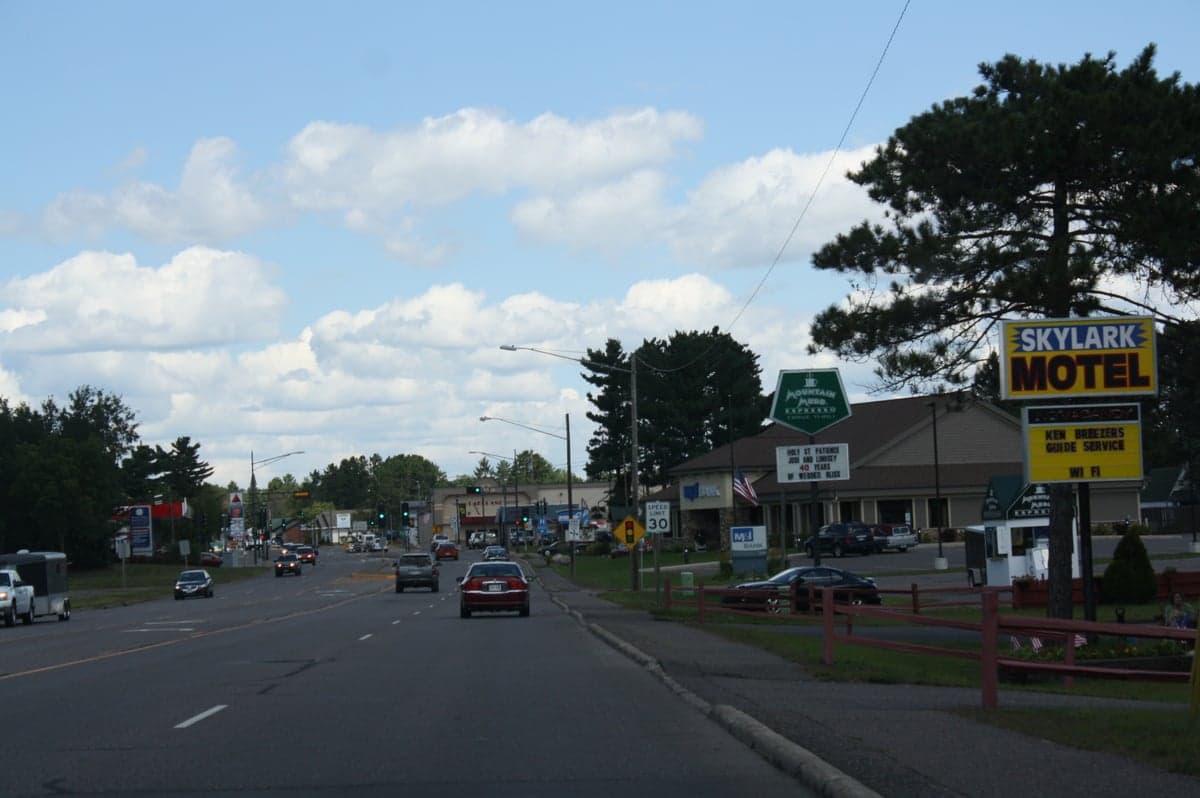
Photo: Wikipedia
Quality of Life in Woodruff, WI
A high quality of life with strong walkability, manageable living costs, healthy neighborhood signals, and solid amenity access.
What does Quality of Life tell us?
Quality of Life blends cost of living, nearby amenities, socioeconomic signals, and neighborhood character. City-level scores represent the whole municipality; individual neighborhoods can differ.
What does this tell us?
Quality of Life blends cost of living, nearby amenities, socioeconomic signals, and neighborhood character. City-level scores represent the whole municipality; individual neighborhoods can differ.
Cost of Living
25% below national average
The Real Cost of Living in Woodruff, WI for 2026
| Tier | Individual | Family (4) |
|---|---|---|
| Survival | $12k | $23k |
| Comfortable | $49k | $72k |
| Luxury | $124k+ | $193k+ |
| Elite (Top 5%) | $154k+ | $239k+ |
95%
* top-5% income substituted from state-level data — local Census figures unavailable for small populations
The Area Signal
A metric tracking the socioeconomic signals of the area.
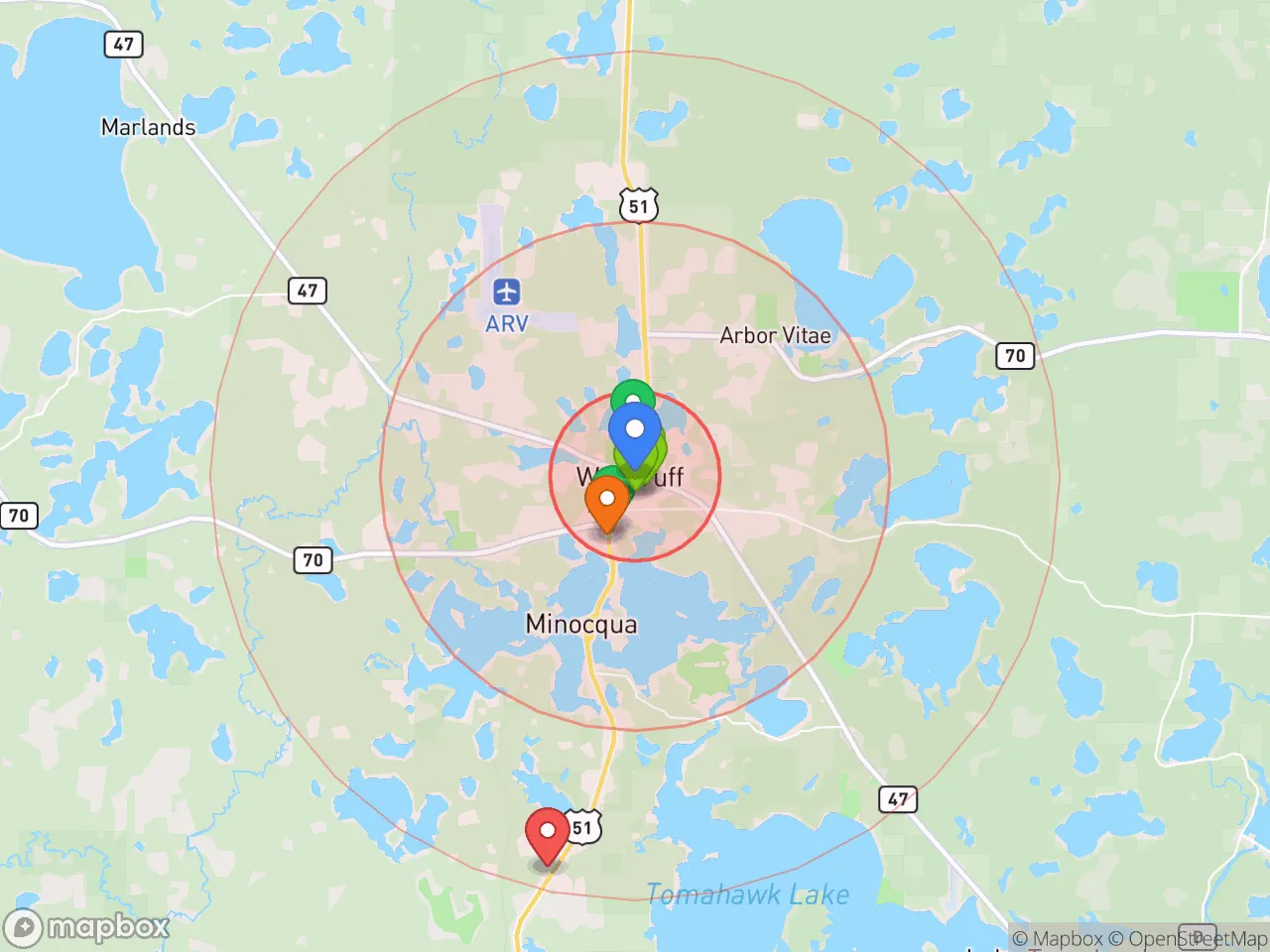
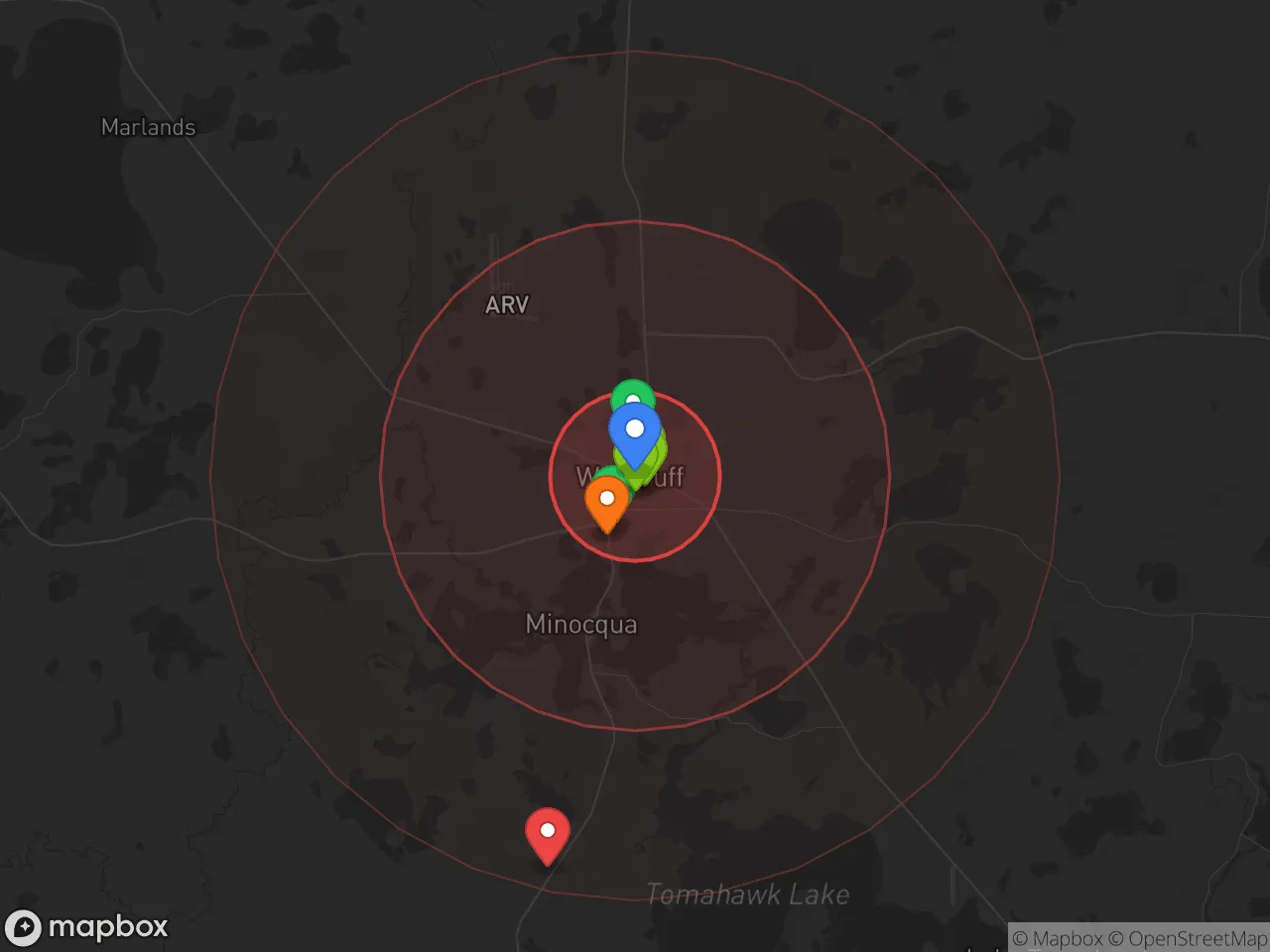
Hobbies
Explore the areaGroceries
0 within 10 miles
Gas
0 within 10 miles
Hospital
0 within 20 miles
Airport
JFK — John F. Kennedy Memorial
Post Office
Critical Amenities
Quality-of-Life Analysis
Woodruff, Wisconsin, presents a quality of life defined by small-town tranquility and relative affluence, attracting a mix of retirees, second-home owners, and families seeking a slower pace within the Northwoods. The community’s character is shaped by its position as a gateway to the Lakeland area, with a cost of living that is notably lower than the national average, making it an accessible option for those looking to stretch their income without sacrificing access to outdoor recreation. The population skews older and more established, with a median age well above the national median, reflecting a community where seasonal residents and year-round locals coexist around the region’s many lakes and forests.
Cost of living, housing affordability, and how Woodruff compares to Minocqua and Eagle River
Woodruff’s cost of living index sits at 75, a full 25 points below the U.S. average, meaning everyday expenses from groceries to healthcare are significantly cheaper than in most of the country. Housing is the primary driver of this affordability: the median home value is $253,000, which is roughly $100,000 less than the median in nearby Minocqua and about $50,000 less than in Eagle River, both of which are more tourist-heavy and have tighter housing inventories. Renters find even greater value, with a median rent of just $759 per month, a figure that is nearly half the national median and well below the $1,100+ averages seen in Vilas County’s more popular resort towns. While property taxes in Oneida County are moderate for Wisconsin (around 1.5% of assessed value), the lower home prices keep monthly carrying costs manageable. The average commute of 22.2 minutes is slightly longer than the national average of 26 minutes, but this reflects the region’s spread-out geography—most residents drive to jobs in Minocqua, Rhinelander, or Woodruff’s own small commercial corridor along Highway 51.
Local amenities, schools, and the daily rhythm of life in the Northwoods
Daily life in Woodruff revolves around the natural environment and a modest but functional set of local services. The Lakeland Union High School serves the area and consistently ranks among the top half of Wisconsin high schools, with a student-teacher ratio near 15:1 and strong programs in outdoor education and vocational trades. For daily errands, residents rely on the small downtown strip along County Road J, which includes a grocery store, a hardware store, a pharmacy, and a handful of family-owned restaurants and bars. Healthcare is accessible via the Marshfield Medical Center in Minocqua, a full-service hospital located just 10 minutes north. The area’s defining amenity is its access to the Northern Highland-American Legion State Forest, which offers hundreds of miles of hiking, snowmobiling, and ATV trails, as well as direct water access to the Tomahawk River and several smaller lakes. The rhythm of life is distinctly seasonal: summers bring a surge of tourists and lake activity, while winters settle into a quieter pace dominated by ice fishing, snowshoeing, and community events at the Woodruff Community Center. There is no major shopping mall or entertainment district, so residents typically drive 45 minutes to Rhinelander or 90 minutes to Wausau for big-box retail and cultural events.
Woodruff is best suited for those who prioritize outdoor recreation, low living costs, and a close-knit community over urban amenities and career diversity. Retirees and remote workers will find the affordability and slow pace particularly appealing, while families with school-age children will appreciate the quality of the local schools and the safe, low-crime environment. However, the limited job market—dominated by tourism, healthcare, and government—means that career-oriented professionals may need to commute or work remotely. For anyone seeking a genuine Northwoods lifestyle without the premium price tag of Minocqua or Eagle River, Woodruff offers a grounded, practical base with strong community ties and year-round access to nature.

Crime in Woodruff, WI
Lower crime rates than 81% of comparable U.S. locations.
Violent CrimeViolent Crime Analysis
Property CrimeProperty Crime Analysis
Crime Analysis
Woodruff, Wisconsin, reports a violent crime rate of 287.6 per 100,000 residents and a property crime rate of 719.1 per 100,000, placing it in a moderate safety tier relative to other small towns in the Northwoods region. While these figures are lower than many urban centers, they reflect real risks that residents and prospective movers should weigh carefully, particularly given the broader context of crime trends in Oneida County. The community’s safety profile is shaped by its role as a seasonal tourism gateway, which introduces fluctuating population pressures and associated property crime patterns.
Crime in context
Woodruff’s violent crime rate of 287.6 per 100,000 is roughly 20% below the national average of 380 per 100,000 but remains above the Wisconsin state average of approximately 250 per 100,000. Property crime in Woodruff, at 719.1 per 100,000, is notably lower than the national average of 1,954 per 100,000 but slightly above the Wisconsin average of 1,100 per 100,000. These numbers place Woodruff in a middle tier among similar Northwoods communities—safer than larger tourist hubs like Minocqua but with a higher property crime incidence than more remote towns like Eagle River. The elevated property crime rate is partly attributable to seasonal theft from vacation homes and storage units, a pattern common in areas with high second-home ownership.
What residents experience
Residents report that property crimes—particularly theft from vehicles, garage break-ins, and occasional burglaries of unoccupied seasonal cabins—are the most common safety concerns. Violent crime is infrequent but not absent; incidents typically involve domestic disputes or alcohol-fueled altercations rather than stranger-on-stranger violence. The local justice system, operating under Oneida County’s jurisdiction, has faced scrutiny from conservative residents who argue that progressive sentencing philosophies in the region’s courts lead to lenient outcomes for repeat property offenders. Critics point to a revolving-door pattern where individuals convicted of theft or drug possession receive probation or short sentences, contributing to a perception that crime carries insufficient consequences. This dynamic is particularly frustrating for year-round residents who feel the justice system prioritizes offender rehabilitation over public safety and victim restitution.
Neighborhood-level variation
Safety conditions vary noticeably across Woodruff’s geography. The downtown corridor along Highway 47 and the area near Lake Tomahawk experience higher rates of petty theft and disorderly conduct, especially during summer tourist months. In contrast, the residential neighborhoods east of State Highway 51 and the lakefront properties on the north side of town report fewer incidents, with residents describing a quieter, more insulated environment. The seasonal population swing—from roughly 2,000 year-round residents to over 8,000 in peak summer—creates a pronounced safety gap: property crime rates roughly double during June through August compared to the winter months. Prospective buyers should consider whether they plan to live in Woodruff year-round or seasonally, as the risk profile shifts dramatically with the calendar.
* Values derived from national, state, county, city and local statistics and may differ in a specific area. Last updated: 2026-11-22T19:03:53.000Z
Narrative content on this page is AI-generated and may contain mistakes. Verify any details that matter before acting on them.
ReloMaps may earn a commission from affiliate links at no extra cost to you.

