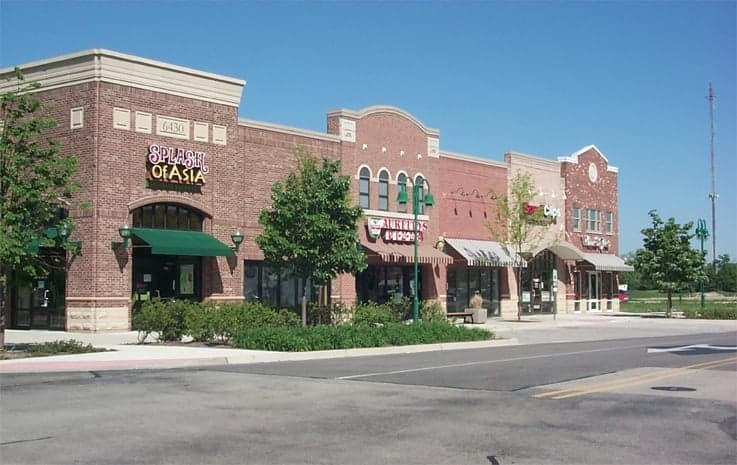
Photo: Wikipedia
Quality of Life in Woodridge, IL
A high quality of life with strong walkability, manageable living costs, healthy neighborhood signals, and solid amenity access.
What does Quality of Life tell us?
Quality of Life blends cost of living, nearby amenities, socioeconomic signals, and neighborhood character. City-level scores represent the whole municipality; individual neighborhoods can differ.
What does this tell us?
Quality of Life blends cost of living, nearby amenities, socioeconomic signals, and neighborhood character. City-level scores represent the whole municipality; individual neighborhoods can differ.
Cost of Living
29% above national average
The Real Cost of Living in Woodridge, IL for 2026
| Tier | Individual | Family (4) |
|---|---|---|
| Survival | $25k | $46k |
| Comfortable | $67k | $99k |
| Luxury | $158k+ | $244k+ |
| Elite (Top 5%) | $185k+ | $287k+ |
99%
The Area Signal
A metric tracking the socioeconomic signals of the area.
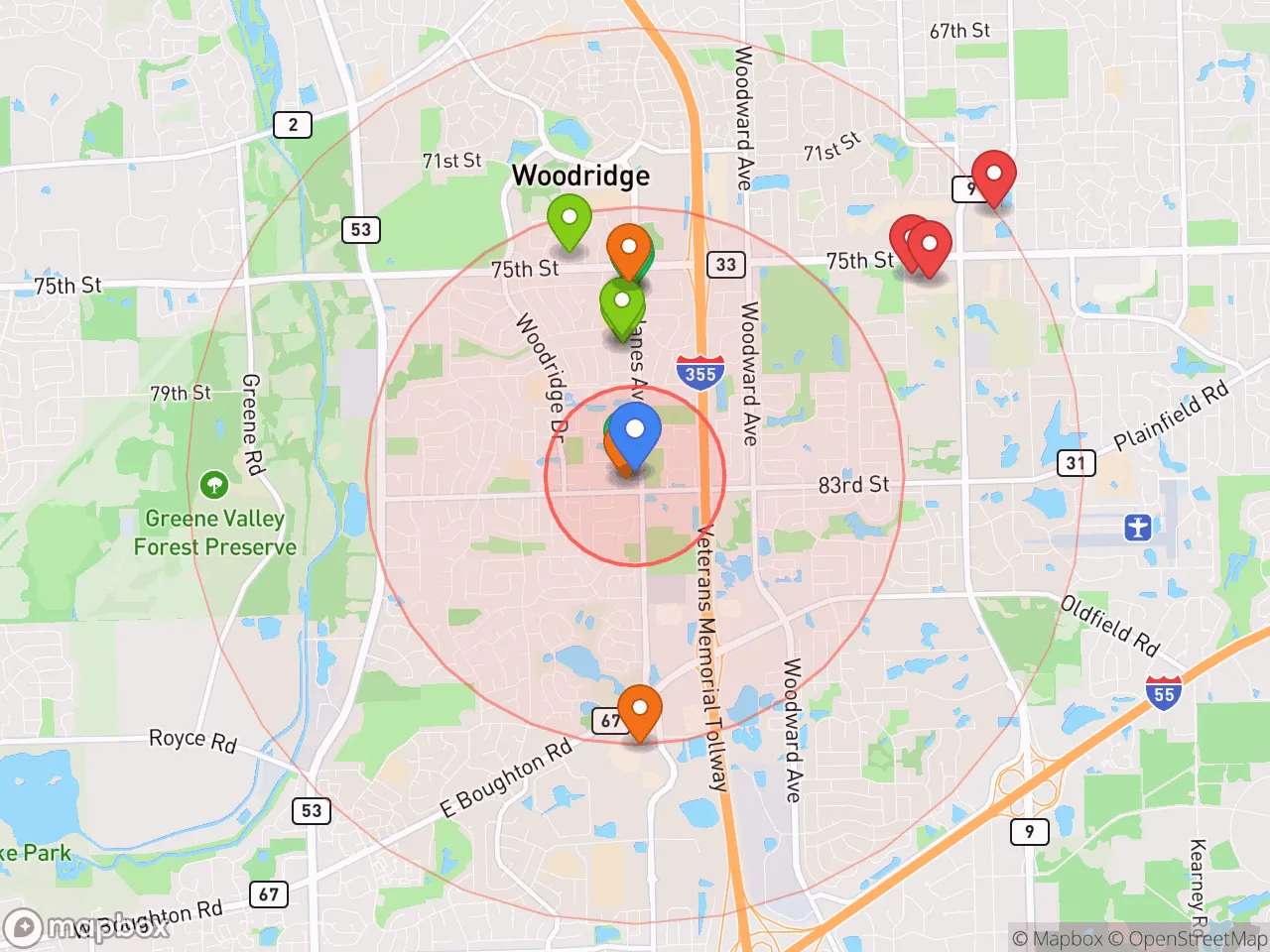
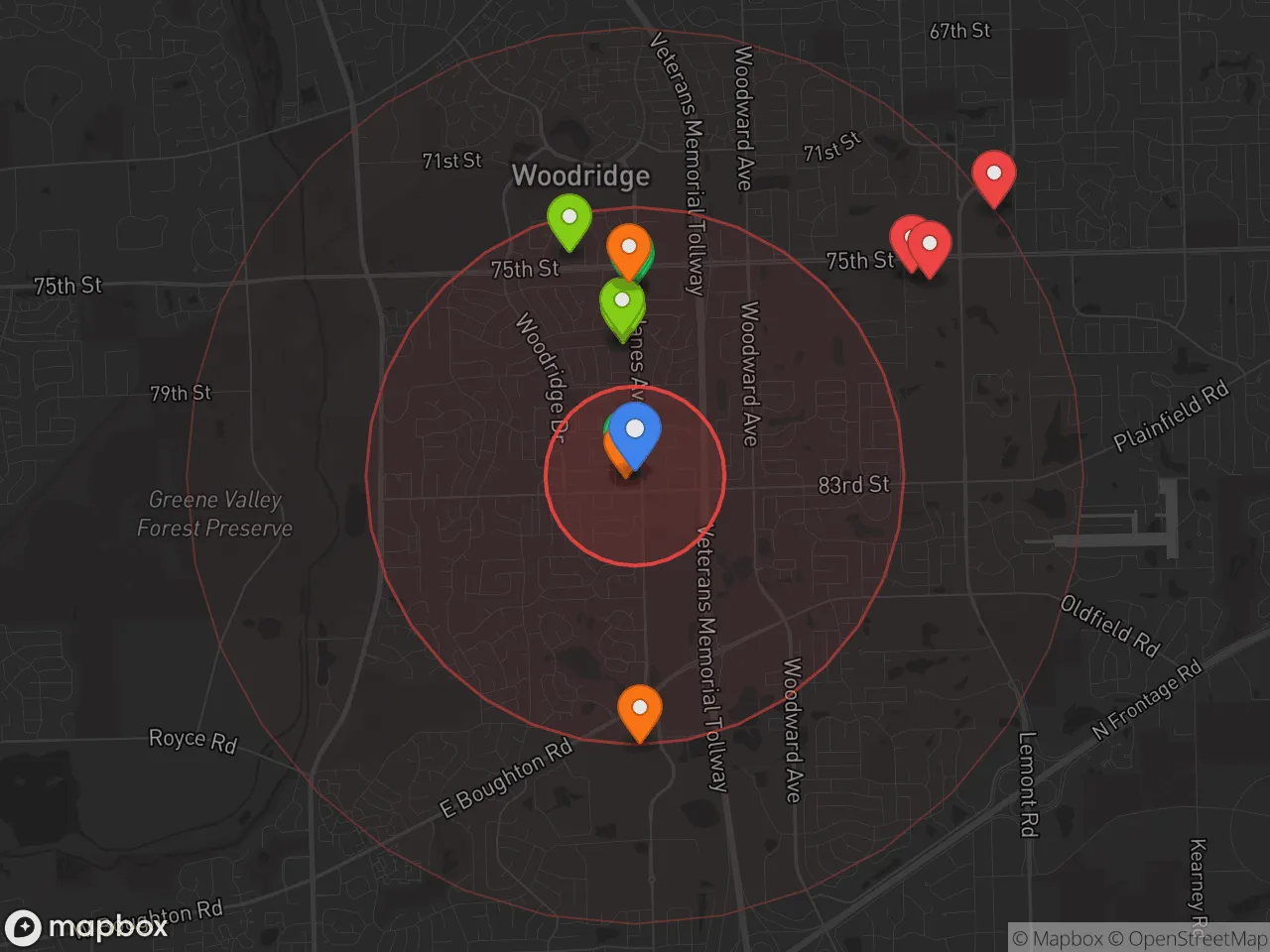
Hobbies
Explore the areaGroceries
0 within 10 miles
Gas
0 within 10 miles
Hospital
0 within 20 miles
Airport
MDW — Midway International
Post Office
Critical Amenities
Quality-of-Life Analysis
Woodridge, Illinois, presents a quality of life defined by solidly upper-middle-class comfort, strong public schools, and convenient access to the Chicago job market, attracting a mix of young families, long-term homeowners, and professionals who prioritize suburban stability over urban excitement. With a cost of living index of 129 (29% above the U.S. average), the village is notably more affordable than its immediate neighbors like Naperville or Downers Grove, yet still commands a premium over more distant exurbs. The typical resident is a homeowner in a detached single-family house, often commuting to corporate jobs in the western suburbs or downtown Chicago, and values the village’s quiet, tree-lined streets and low crime rates.
Cost of living and housing affordability compared to Naperville and Downers Grove
Woodridge’s housing market is the primary driver of its above-average cost of living, but it remains a relative bargain within DuPage County. The median home value sits at $345,200, roughly $50,000 to $80,000 less than comparable homes in neighboring Naperville or Lisle, making it a popular “value play” for buyers priced out of those towns. Median rent is $1,547, which is competitive for the region but still significantly higher than the national median. Property taxes in Woodridge are typical for Illinois—around 2.2% of assessed value—meaning a $345,200 home carries an annual tax bill near $7,600, a figure that surprises many newcomers from lower-tax states. The average commute of 31 minutes is slightly longer than the national average, but the village’s proximity to I-355 and the BNSF Metra line at the Lisle station means many residents can reach the Loop in under 45 minutes, offsetting the higher housing cost with a manageable drive.
Schools, parks, and the daily rhythm of suburban life
Daily life in Woodridge revolves around its highly rated public schools, extensive park district, and a calendar of community events that foster a strong sense of place. The village is served by Woodridge School District 68 (K–8) and Community High School District 99 (North High School in Downers Grove), both of which consistently earn above-average test scores and are a primary draw for families. The Woodridge Park District maintains over 30 parks, including the 80-acre Cypress Cove Family Aquatic Park and miles of paved trails connecting to the DuPage River Greenway. For daily errands, residents rely on the strip malls along 75th Street and the Woodridge Promenade, which offer grocery stores, chain restaurants, and big-box retail. The village lacks a true downtown core, so most social life happens at school events, sports leagues, or at nearby shopping centers. Commuters appreciate that the Metra station at Lisle is a 10-minute drive, and the I-355/I-55 interchange provides quick access to jobs in Oak Brook, Bolingbrook, and the western suburbs.
Woodridge is best suited for families and professionals who want a safe, well-maintained suburb with strong schools and a reasonable commute to Chicago, without paying the premium for a name-brand town like Naperville. Singles and young couples may find the social scene thin, as the village is almost entirely residential and lacks nightlife or a walkable downtown. Retirees on fixed incomes should carefully weigh the property tax burden, but for those seeking a stable, family-oriented community with good parks and a proven school system, Woodridge delivers a high quality of life at a price that still feels attainable in the expensive Chicago suburbs.

Crime in Woodridge, IL
Lower crime rates than 92% of comparable U.S. locations.
Violent CrimeViolent Crime Analysis
Property CrimeProperty Crime Analysis
Crime Analysis
Woodridge, Illinois, reports a violent crime rate of 44 incidents per 100,000 residents and a property crime rate of 662.8 per 100,000, placing it well below national averages for both categories. However, as a suburb within the Chicago metropolitan area, Woodridge is subject to the broader criminal justice policies of DuPage and Will Counties, where progressive prosecutorial approaches have raised concerns about recidivism and public safety. While the village itself maintains relatively low crime numbers, residents should be aware that the regional legal environment can influence how offenders are processed and returned to the community.
Crime in context
Woodridge’s violent crime rate of 44 per 100K is roughly 85% lower than the national median of about 300 per 100K, and its property crime rate of 662.8 per 100K is approximately 40% below the U.S. average of 1,100 per 100K. These figures make Woodridge one of the safer suburbs in the western Chicago region. However, the village sits within a larger metro area where progressive district attorneys in Cook County and some neighboring jurisdictions have implemented policies such as cash bail reform, reduced charging for nonviolent offenses, and diversion programs. While these policies aim to reduce incarceration, critics argue they contribute to a revolving-door effect for property offenders, which can impact adjacent communities like Woodridge through regional crime spillover.
What residents experience
Daily life in Woodridge is characterized by low risk of violent encounters; the 44 per 100K violent crime rate translates to roughly 1-2 incidents per month across the village. Property crime, while more common, is still manageable—residents report occasional vehicle break-ins, package thefts, and burglaries, particularly near transit hubs and shopping corridors like the Woodridge Promenade. The village’s police department maintains a visible presence and participates in regional task forces, but the broader metro area’s lenient sentencing trends mean that repeat property offenders often cycle through the system quickly. For families and retirees, this creates a low-grade concern about property security rather than a daily fear of violence.
Neighborhood-level variation is modest but worth noting. Areas east of Route 53 and south of 75th Street, closer to the Bolingbrook border, see slightly higher property crime rates due to proximity to major retail zones. The western residential sections, particularly around Greene Valley Forest Preserve, report the lowest incident rates. Gated communities and newer subdivisions in the northern part of the village also show reduced crime. Overall, Woodridge’s safety profile is strong for the Chicago metro, but the regional justice system’s progressive orientation means residents should invest in standard precautions—security cameras, neighborhood watch participation, and vehicle locking—to mitigate the effects of regional recidivism patterns.
* Values derived from national, state, county, city and local statistics and may differ in a specific area. Last updated: 2026-11-13T05:14:09.000Z
Narrative content on this page is AI-generated and may contain mistakes. Verify any details that matter before acting on them.
ReloMaps may earn a commission from affiliate links at no extra cost to you.

