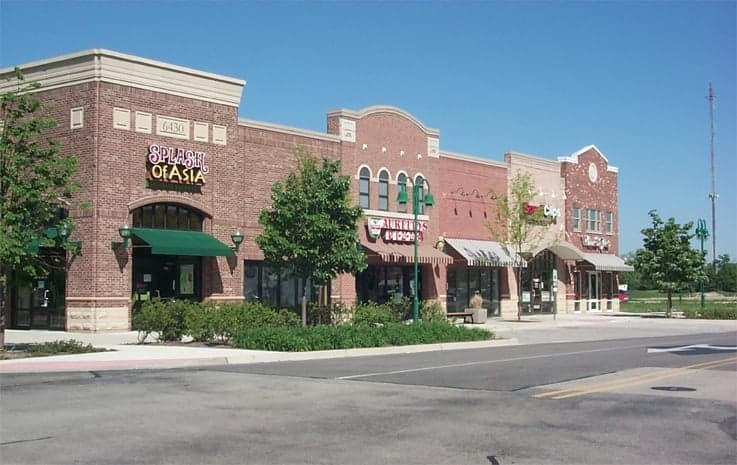
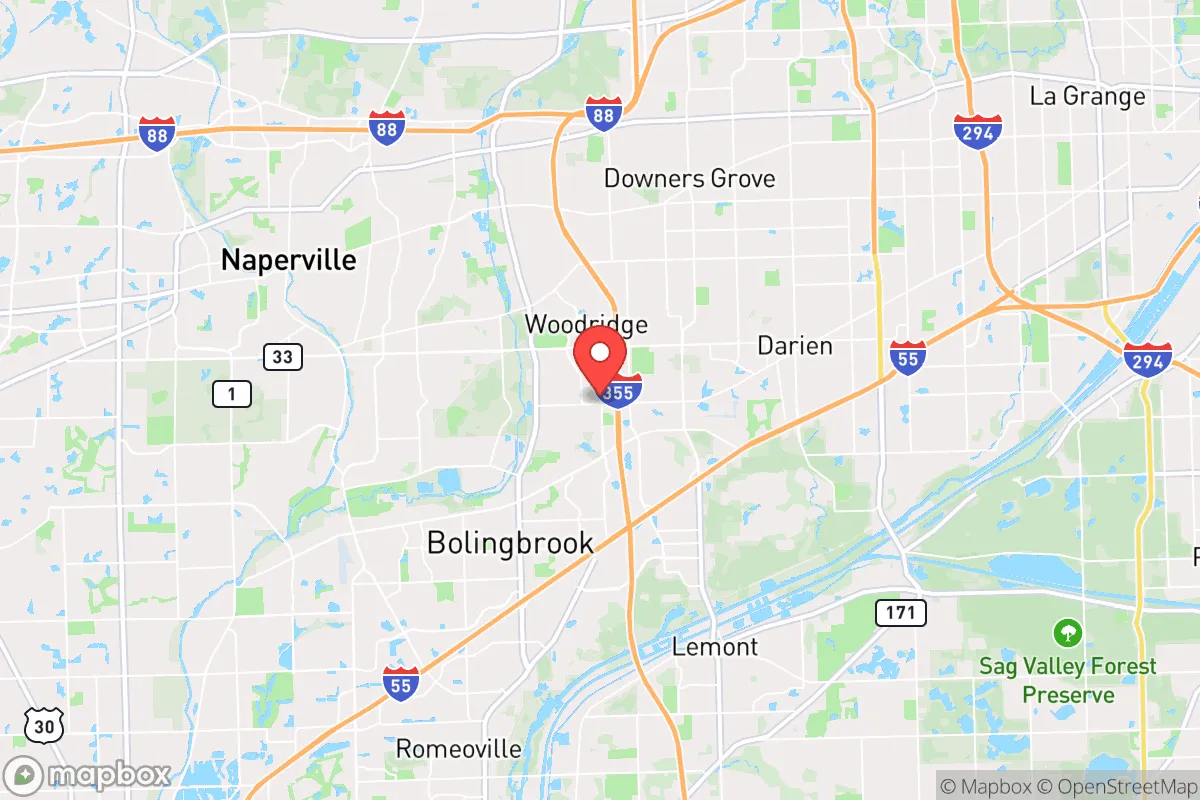
Photo: Wikipedia
Personal Sovereignty in Woodridge, IL
Viable for self-reliance. Generally workable, though some barriers may limit total independence.
What does Personal Sovereignty tell us?
Personal Sovereignty measures your capacity for self-reliance and independence with minimal government friction. Higher scores mean fewer barriers between you and the way you want to live... but it assumes you have the space you need and good neighbors.
What does this tell us?
Personal Sovereignty measures your capacity for self-reliance and independence with minimal government friction. Higher scores mean fewer barriers between you and the way you want to live... but it assumes you have the space you need and good neighbors.
State Policy
Energy independence: Importer (63% of energy produced in-state)
Personal Liberty
Homesteading

Personal Liberty Analysis
Woodridge, Illinois, offers a personal sovereignty environment that is heavily shaped by state-level mandates, resulting in a moderate-to-high regulatory footprint that residents must navigate. While the village itself maintains a relatively quiet suburban character, individual autonomy is constrained by Illinois' progressive tax structure, firearm regulations, and expansive state preemption in areas like education and healthcare. For a relocation-minded reader prioritizing personal freedom, Woodridge represents a trade-off: access to Chicago's economic opportunities comes with a significant surrender of local control and higher baseline costs, making it a location where self-reliance requires careful financial and legal planning rather than a laissez-faire atmosphere.
Tax burden and regulatory posture in Woodridge and Illinois
Illinois imposes a flat state income tax of 4.95% on all individual income, with no local income tax in Woodridge. Property taxes are among the highest in the nation; the average effective property tax rate in DuPage County, where most of Woodridge lies, is approximately 2.1% of assessed home value, meaning a $350,000 home carries an annual tax bill near $7,350. Sales tax in Woodridge is 8.75% (state 6.25% + DuPage County 2.5%), which is above the national median. The regulatory posture is heavy: Illinois mandates a state-level minimum wage of $14.00 per hour (rising to $15.00 in 2025), requires paid leave for most workers, and enforces strict environmental and building codes. Woodridge's municipal code adds layers of zoning and permit requirements for home businesses, fence heights, and accessory structures. For a self-reliant individual, the combined tax burden and regulatory compliance costs reduce disposable income and limit the ability to modify property without bureaucratic approval. There is no state-level right-to-work law, and union influence is strong in construction and public services, which can increase costs for home renovations or contracting work.
Self-defense and gun law specifics in Woodridge and Illinois
Illinois is a shall-issue state for concealed carry, but with significant restrictions. To carry a firearm in Woodridge, residents must obtain a Firearm Owner's Identification (FOID) card and a Concealed Carry License (CCL), both requiring state background checks, fingerprinting, and a 16-hour training course. The CCL is valid for five years. However, Illinois bans assault weapons and high-capacity magazines (over 10 rounds for long guns, 15 for handguns) under the Protect Illinois Communities Act, passed in 2023. This law is currently under legal challenge but remains in effect. Woodridge itself has no additional local gun ordinances beyond state law, meaning no extra registration or storage requirements. Open carry is prohibited. Self-defense in the home is generally protected under the Castle Doctrine, but Illinois does not have a Stand Your Ground law; a duty to retreat applies in public spaces before using deadly force. For a reader prioritizing self-defense autonomy, the state's regulatory framework is among the most restrictive in the Midwest, requiring time, money, and legal awareness to exercise the right to bear arms. The FOID card application process can take months due to state backlog, which is a practical barrier to immediate self-defense readiness.
Self-reliance and homesteading viability in Woodridge
Woodridge is a fully developed suburban village with typical lot sizes ranging from 0.15 to 0.35 acres, making large-scale homesteading impractical. The village zoning code permits backyard chickens on lots of at least 10,000 square feet, with a limit of four hens and no roosters, and a permit is required. Beekeeping is allowed with registration and setback requirements. Vegetable gardens are unrestricted, but front-yard gardens may be subject to aesthetic regulations. Off-grid living is effectively impossible: Woodridge requires connection to municipal water and sewer systems, and building codes mandate grid-tied electrical service. Solar panels are permitted but must comply with HOA rules if applicable, and net metering is available through ComEd. Rainwater collection is limited to 55-gallon barrels for non-potable use, per state plumbing code. For a family seeking self-sufficiency, Woodridge offers modest opportunities for supplemental food production but no path to energy or water independence. The regulatory environment favors conventional suburban living over homesteading, and residents should expect to rely on municipal services for utilities, waste disposal, and emergency response.
Personal liberties in Woodridge: parental rights, medical autonomy, speech, and property
Illinois state law significantly shapes personal liberties in Woodridge. Parental rights are constrained by state mandates: Illinois requires comprehensive sex education in public schools (with an opt-out provision), and the state's Parental Notice of Abortion Act was repealed in 2023, meaning minors can obtain abortions without parental consent. School curriculum decisions are largely made at the district level (Woodridge is served by Woodridge School District 68 and Community High School District 99), but state standards dictate learning objectives. Medical autonomy is mixed: Illinois has no state-level vaccine mandate for adults, but COVID-19 vaccine requirements for healthcare workers and school staff were enforced during the pandemic. The state protects access to abortion and gender-affirming care through the Reproductive Health Act. Free speech is protected under the First Amendment, but Illinois has a strong anti-SLAPP law to protect against frivolous lawsuits aimed at silencing critics. Property rights are limited by eminent domain authority and strict zoning; Woodridge's municipal code regulates short-term rentals (Airbnb) and home occupations, requiring permits and limiting customer traffic. For a reader valuing personal liberty, Illinois' preemption of local control means that Woodridge residents have little ability to shape these policies at the village level. The state's approach is generally interventionist in education and healthcare, while property use is tightly managed at the local level.
Overall, personal sovereignty in Woodridge is best described as constrained by state-level policy, with moderate local flexibility within those bounds. Compared to states like Texas or Florida, Illinois imposes higher taxes, stricter gun laws, and more centralized control over education and medical decisions. However, Woodridge offers a stable, well-serviced suburban environment with good schools and low violent crime, which may appeal to families who prioritize safety and infrastructure over maximum autonomy. For the self-reliant individual, the key takeaway is that Woodridge requires active compliance with a dense regulatory framework; it is not a location for those seeking minimal government interference. The trade-off is access to a robust job market, reliable public services, and a community that values order and predictability over personal latitude. A relocation decision here should weigh the cost of lost autonomy against the benefits of a managed, low-surprise suburban life.

* Values derived from national, state, county, city and local statistics and may differ in a specific area. Last updated: 2026-11-13T05:14:09.000Z
Narrative content on this page is AI-generated and may contain mistakes. Verify any details that matter before acting on them.
ReloMaps may earn a commission from affiliate links at no extra cost to you.

