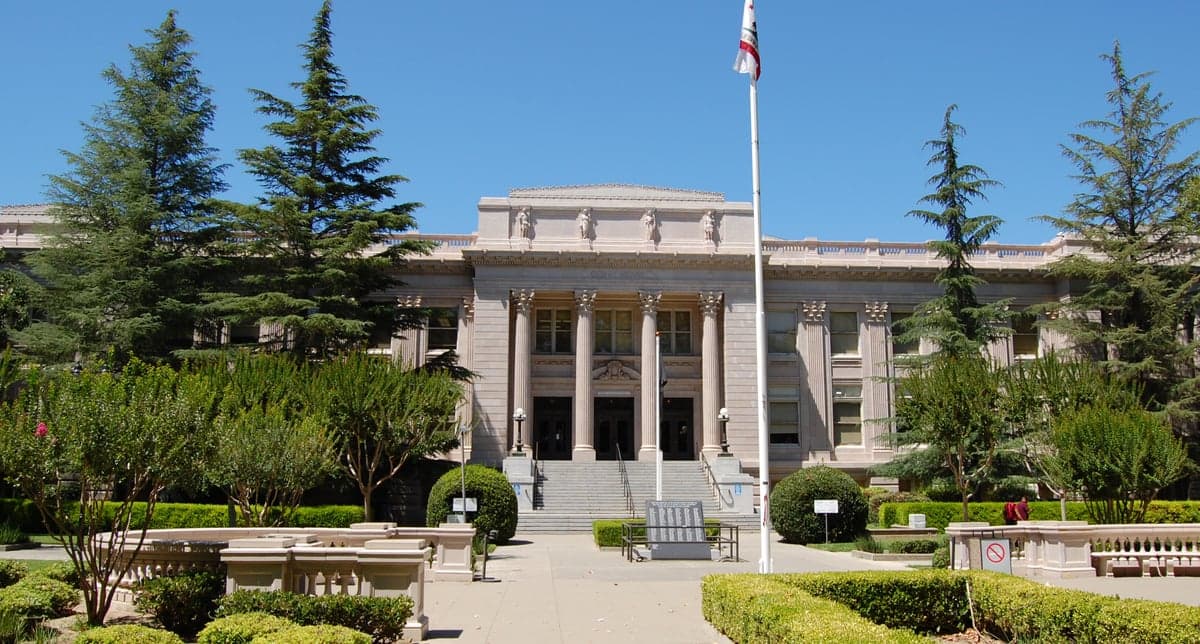
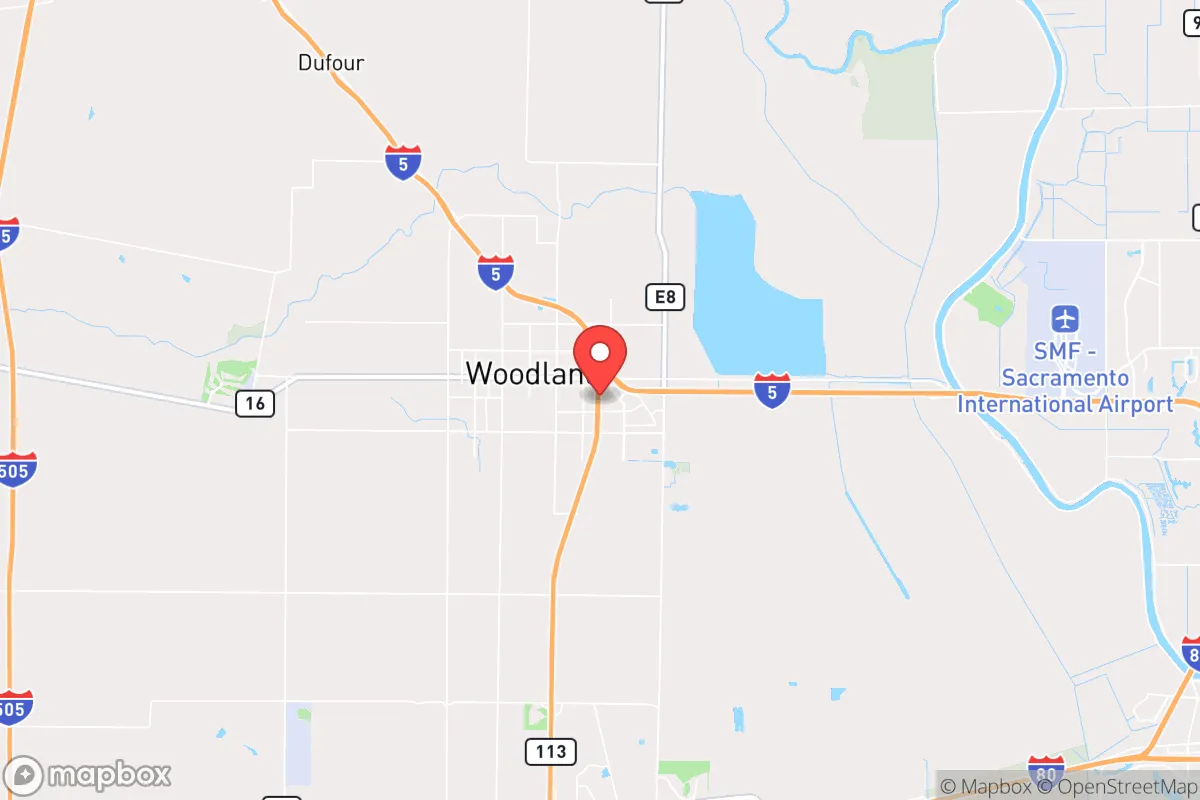
Photo: Wikipedia
Quality of Life in Woodland, CA
A high quality of life with strong walkability, manageable living costs, healthy neighborhood signals, and solid amenity access.
What does Quality of Life tell us?
Quality of Life blends cost of living, nearby amenities, socioeconomic signals, and neighborhood character. City-level scores represent the whole municipality; individual neighborhoods can differ.
What does this tell us?
Quality of Life blends cost of living, nearby amenities, socioeconomic signals, and neighborhood character. City-level scores represent the whole municipality; individual neighborhoods can differ.
Cost of Living
49% above national average
The Real Cost of Living in Woodland, CA for 2026
| Tier | Individual | Family (4) |
|---|---|---|
| Survival | $24k | $45k |
| Comfortable | $95k | $139k |
| Luxury | $139k+ | $215k+ |
| Elite (Top 5%) | $163k+ | $253k+ |
63%
The Area Signal
A metric tracking the socioeconomic signals of the area.
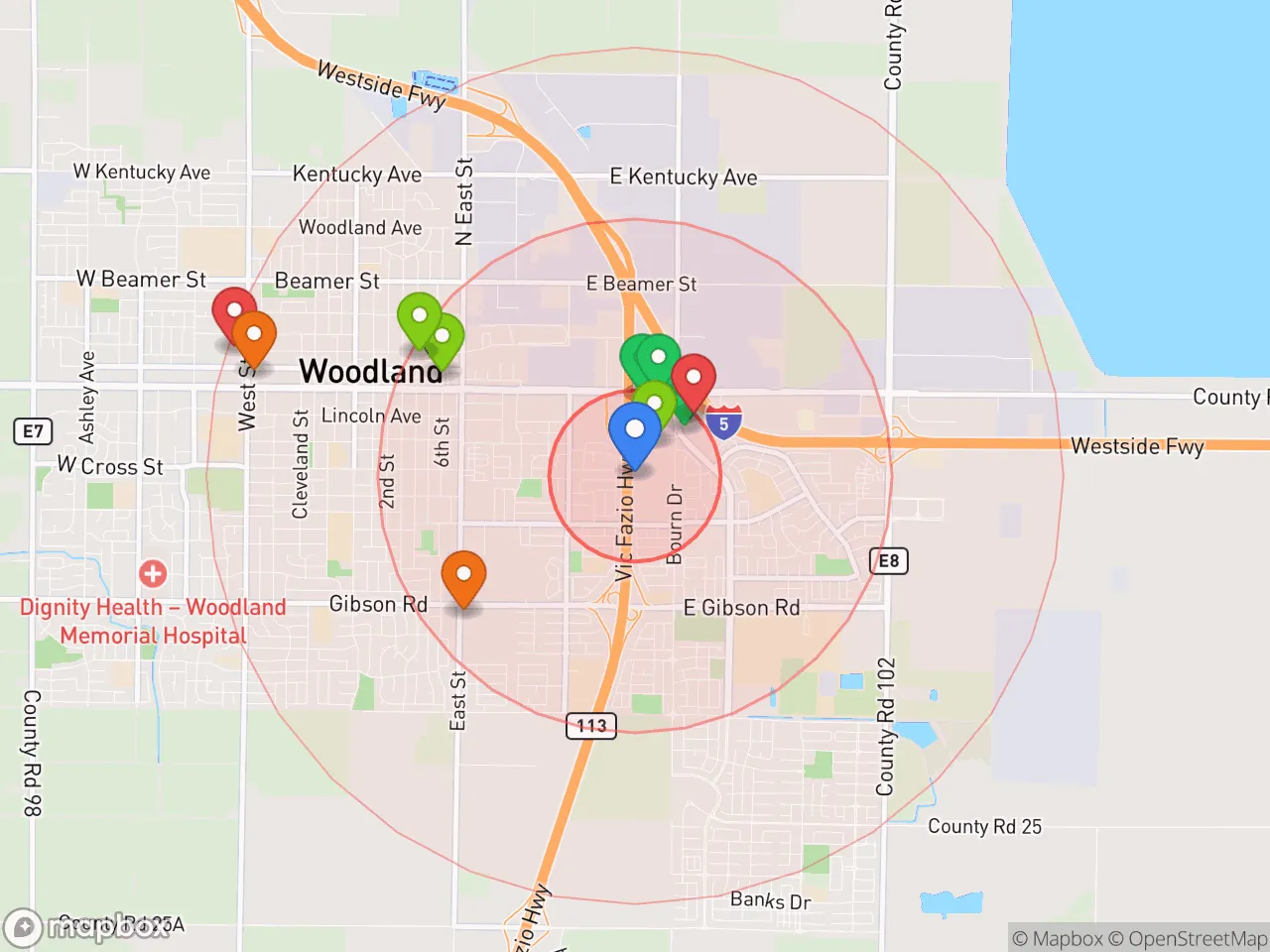
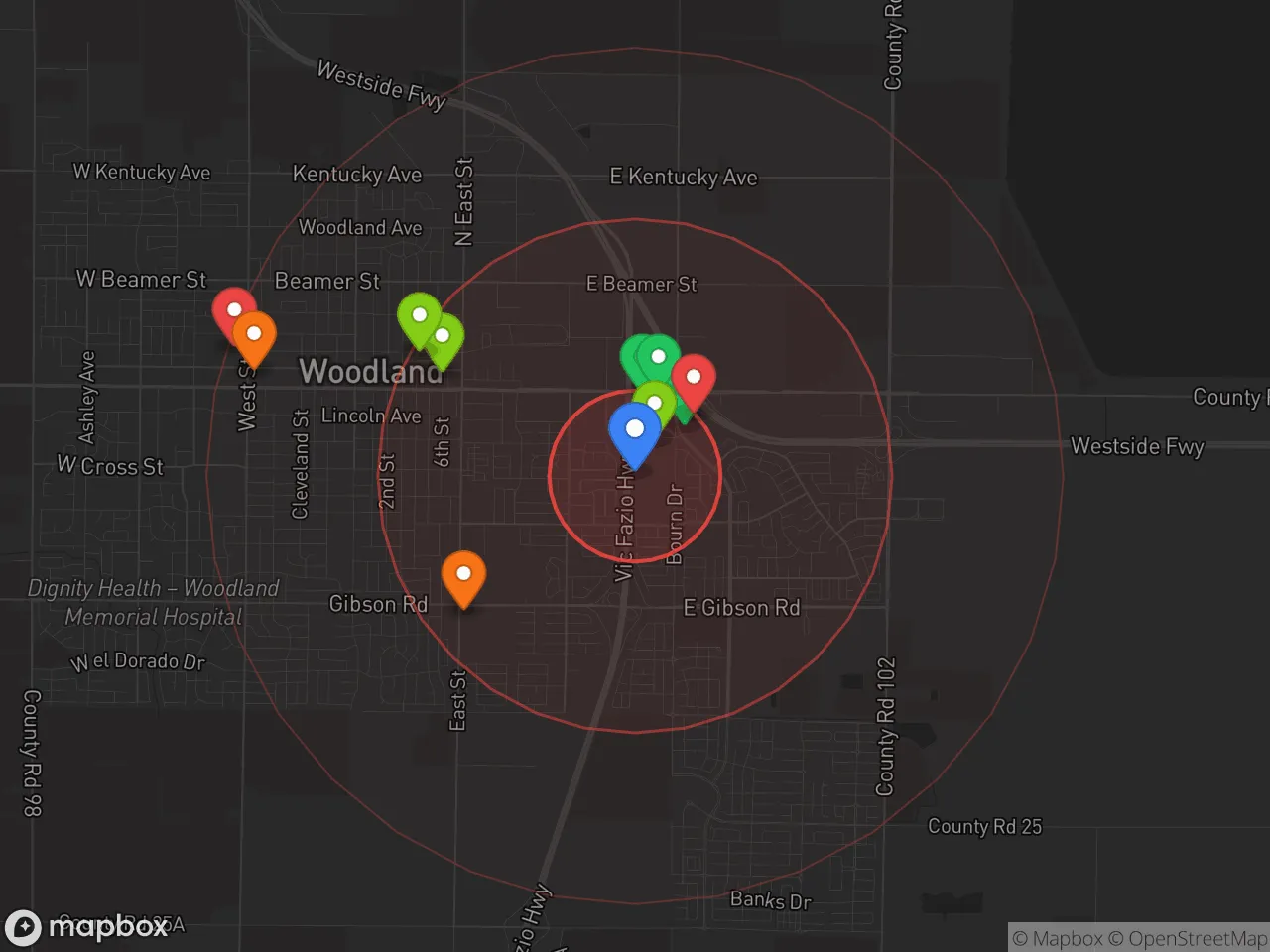
Hobbies
Explore the areaGroceries
0 within 10 miles
Gas
0 within 10 miles
Hospital
0 within 20 miles
Airport
SAN — Oakland San Francisco Bay
Post Office
Critical Amenities
Quality-of-Life Analysis
Woodland, California, presents a quality of life defined by its position as an affluent Sacramento Valley hub where established families, agricultural professionals, and Sacramento-bound commuters converge. With a cost of living index of 149—nearly 50% above the national average—the city attracts residents who prioritize space, community stability, and access to the region's agricultural economy over the lower costs found in more distant suburbs. The median home value of $505,200 and median rent of $1,500 reflect a market that is expensive by national standards but notably more attainable than the Bay Area or coastal California, drawing professionals who work in Yolo County's government, education, and farming sectors.
Cost of living, housing affordability, and how Woodland compares to nearby cities
Woodland's cost of living index of 149 places it well above the national baseline, but the picture becomes more nuanced when compared to neighboring areas. The median home value of $505,200 is roughly 30% lower than Sacramento's median and significantly less than Davis, where the median exceeds $700,000. Renters fare better here: the median rent of $1,500 is about $200–$400 less than comparable units in Davis or midtown Sacramento. However, the city's affordability edge comes with trade-offs. The average commute of 23.8 minutes is manageable—shorter than the 30+ minute drives common among residents commuting from Elk Grove or Roseville—but it reflects the reality that many jobs are in Sacramento or Davis, not within Woodland itself. Property taxes in Yolo County hover around 0.77% of assessed value, slightly below the state average, which helps offset the high home prices for long-term owners. For renters, the market has tightened since 2020, with vacancy rates below 3%, pushing rents upward by roughly 8% annually.
What daily life is like for families: schools, parks, and local amenities
Daily life in Woodland centers on a walkable historic downtown, a strong public school system, and a calendar of community events that reinforce its small-city character. The Woodland Joint Unified School District serves roughly 9,000 students, with Woodland High School and Pioneer High School both earning 7/10 ratings on GreatSchools, driven by solid test scores and a 94% graduation rate. Families rely on the city's 20+ parks, including the 40-acre Woodland Sports Park and the nature-focused Cache Creek Nature Preserve, for recreation. The downtown core—anchored by the 1920s State Theatre and a weekly farmers' market from May through October—provides dining and shopping that feels curated rather than corporate, with local staples like the Savory Café and the Woodland Opera House. Commuters appreciate the direct Yolobus routes to Sacramento and Davis, though most still drive. The city's agricultural roots are visible everywhere: the annual Stroll Through History and the California Agriculture Museum draw visitors, and the surrounding orchards and rice fields define the landscape. For families, the trade-off is clear: you gain a slower, safer rhythm (violent crime rates are roughly half of Sacramento's) but sacrifice the nightlife and cultural density of a larger city.
Woodland is best suited for those who value a stable, family-oriented environment with strong schools and a lower-stress commute, rather than urban excitement or rock-bottom housing costs. Professionals in agriculture, education, and government will find the most natural fit, as will remote workers who want more space for their dollar than Sacramento offers. Retirees on fixed incomes may struggle with the high COL index, but dual-income families earning above $90,000 annually can live comfortably here. The city's growth—population up 12% since 2020—suggests it is absorbing overflow from Davis and Sacramento, but it retains a distinct identity that appeals to those who want California's climate and community without the Bay Area's price tag.

Crime in Woodland, CA
Lower crime rates than 76% of comparable U.S. locations.
Violent CrimeViolent Crime Analysis
Property CrimeProperty Crime Analysis
Crime Analysis
Woodland, California, presents a mixed safety profile that requires careful consideration, particularly given its location within Yolo County. While the city's violent crime rate of 181.1 per 100,000 residents is notably lower than the national average, its property crime rate of 1,081.9 per 100,000 is significantly higher, creating a situation where residents face elevated risks of theft and burglary. The broader context of Yolo County's justice system, which operates under progressive district attorneys and judges, is a critical factor that potential residents should weigh heavily, as these ideological approaches often prioritize offender rehabilitation over public safety, potentially leading to more criminals remaining on the streets.
Crime in context
Woodland's violent crime rate of 181.1 per 100,000 is roughly half the national average of about 380 per 100,000, and significantly below California's state rate of approximately 442 per 100,000. This suggests that serious offenses like homicide, rape, robbery, and aggravated assault are less common here than in many comparable cities. However, the property crime rate of 1,081.9 per 100,000 is nearly double the national average of around 600 per 100,000, and well above the California state average of roughly 2,200 per 100,000. This disparity means that while violent confrontations are rarer, residents face a much higher likelihood of experiencing theft, vehicle break-ins, or home burglaries. The progressive judicial philosophy in Yolo County, which often emphasizes alternatives to incarceration and reduced sentencing for property crimes, directly contributes to this elevated property crime rate by reducing the deterrent effect of prosecution.
What residents experience
For daily life in Woodland, the practical impact of these crime statistics is a heightened need for vigilance regarding personal property. Residents commonly report issues with package theft, bicycle theft, and vehicle break-ins, particularly in areas near downtown and major retail corridors. The city's proximity to Sacramento and Interstate 5 also makes it a target for transient criminal activity. The progressive district attorney's office in Yolo County has been known to pursue diversion programs and reduced charges for non-violent offenders, which, while intended to reduce recidivism, often results in repeat property offenders cycling back into the community quickly. This creates a frustrating cycle for victims, who may see little justice or restitution. For families and individuals, this means investing in home security systems, securing vehicles, and being cautious about leaving valuables in plain sight is not just advisable but necessary.
Neighborhood-level variation in Woodland is notable. The western and newer residential areas, such as those near the Woodland-Davis border, tend to experience lower crime rates, while older neighborhoods closer to downtown and the industrial areas along East Street see higher concentrations of property crime. The area around the Woodland Community College campus also has a moderate crime profile. Potential residents should research specific block-level data and consider that the progressive justice policies affecting the entire county mean that even in safer neighborhoods, the risk of property crime remains elevated compared to jurisdictions with more traditional, victim-focused prosecutorial approaches. Ultimately, Woodland offers a relatively safe environment from violent crime, but the property crime reality, exacerbated by local judicial ideology, demands a cautious and prepared mindset.
* Values derived from national, state, county, city and local statistics and may differ in a specific area. Last updated: 2026-11-25T15:38:32.000Z
Narrative content on this page is AI-generated and may contain mistakes. Verify any details that matter before acting on them.
ReloMaps may earn a commission from affiliate links at no extra cost to you.

