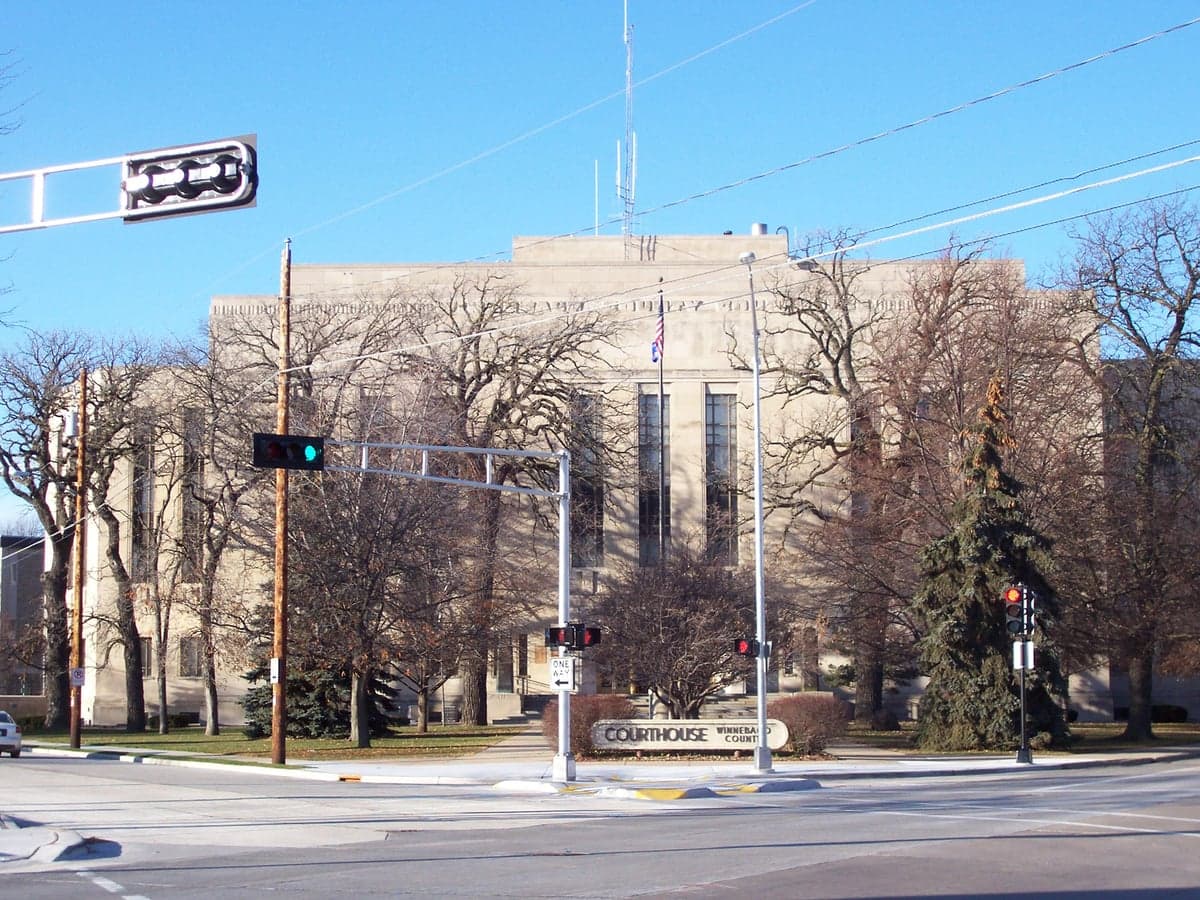
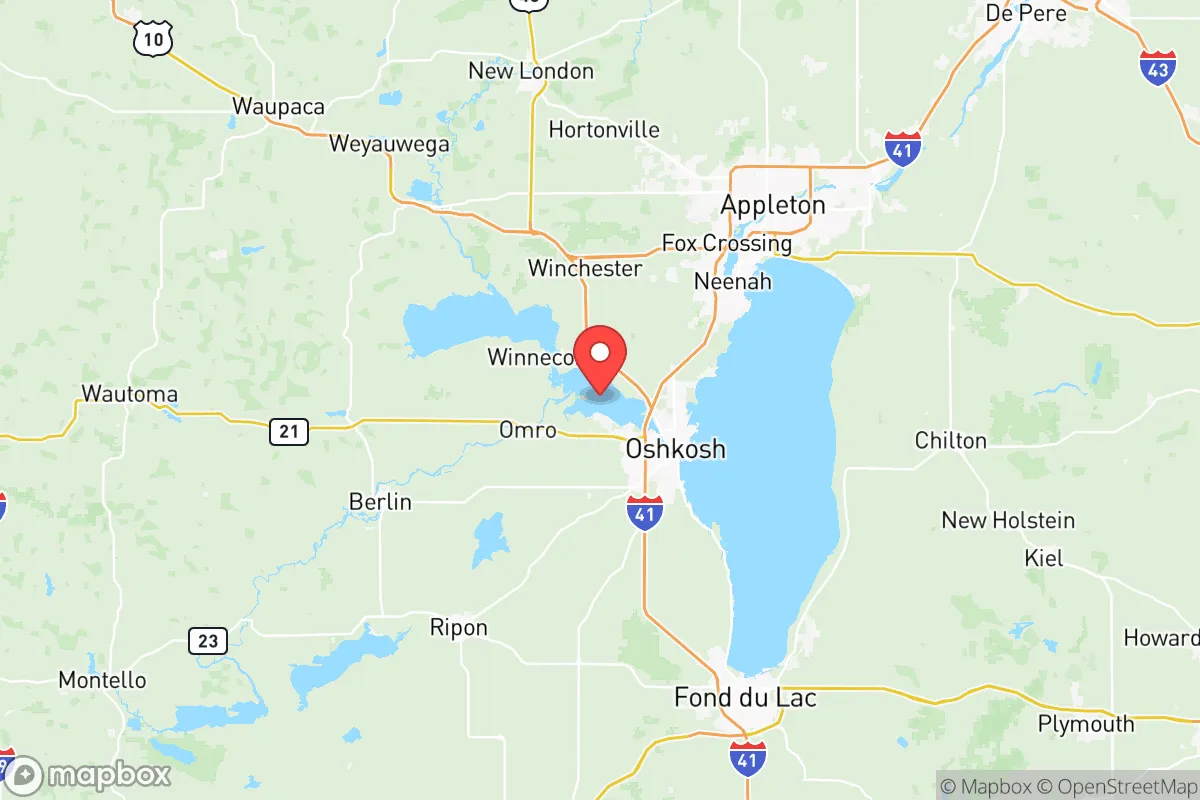
Photo: Wikipedia
Quality of Life in Winnebago County
A livable area that tracks near national norms for affordability, walkability, and neighborhood health.
What does Quality of Life tell us?
Quality of Life measures an area by evaluating factors like cost of living, nearby amenities, country club access, airport proximity, socioeconomic signals and neighborhood character. For large states, this is a general average — quality of life can vary dramatically between metro areas, suburbs, and rural communities within the same state.
What does this tell us?
Quality of Life measures an area by evaluating factors like cost of living, nearby amenities, country club access, airport proximity, socioeconomic signals and neighborhood character. For large states, this is a general average — quality of life can vary dramatically between metro areas, suburbs, and rural communities within the same state.
Cost of Living
23% below national average
122%
The Real Cost of Living in Winnebago County for 2026
| Tier | Individual | Family (4) |
|---|---|---|
| Survival | $15k | $28k |
| Comfortable | $41k | $60k |
| Luxury | $119k+ | $184k+ |
| Elite (Top 5%) | $140k+ | $217k+ |
Quality-of-Life Analysis
Winnebago County, Wisconsin, offers a broad quality-of-life spectrum that ranges from the urban amenities of its Fox River cities to the quiet farmland of its northern and western townships, all within a county where the cost of living index sits at 77 — well below the national average of 100. The county's character shifts noticeably from the manufacturing and college-town energy of Oshkosh and Neenah to the bedroom-community feel of Omro and the agricultural seclusion of communities like Winneconne and Larsen. This diversity means that a single professional working in Oshkosh, a family seeking a low-tax rural homestead near Poygan, and a retiree wanting walkable lakefront access in Neenah can all find a viable fit within a 20-minute drive of each other.
Largest towns & population centers
The county's primary population anchors are Oshkosh (pop. ~67,000), Neenah (pop. ~27,000), and Menasha (pop. ~18,000), all strung along the Fox River and Lake Winnebago's western shore. Oshkosh functions as the county seat and economic engine, home to the University of Wisconsin-Oshkosh (enrolling roughly 14,000 students), Oshkosh Defense (the military vehicle manufacturer and one of the region's largest private employers), and the annual EAA AirVenture fly-in that draws over 600,000 visitors each August. Daily life in Oshkosh is walkable in its downtown core along the river, with a mix of craft breweries, the Oshkosh Public Museum, and the Menominee Nation Arena hosting minor-league basketball. Neenah, historically the paper-making hub of the valley, offers a quieter, more established residential feel with its tree-lined streets, the 40-acre Doty Park along the river, and a downtown anchored by the Bergstrom-Mahler Museum of Glass. Menasha, the smallest of the three, blends industrial history with a growing waterfront redevelopment around Heckrodt Wetland Reserve. The average commute across the county is just under 19 minutes, meaning even residents living in the outer edges of these cities can reach work or shopping in under a half-hour.
Smaller towns & rural pockets
Moving away from the Fox River corridor, the county opens into smaller incorporated villages and unincorporated farming communities. Omro (pop. ~3,600), located 12 miles west of Oshkosh along the Fox River, is a classic small-town Wisconsin community with its own school district, a modest downtown with a grocery and hardware store, and direct river access for fishing and kayaking. Winneconne (pop. ~2,500), on the Wolf River just north of Lake Winneconne, draws seasonal residents and retirees for its chain-of-lakes boating culture and the annual Winneconne Water Ski Show. Further north, Larsen and Poygan are unincorporated hamlets surrounded by dairy farms and marshland, where the nearest grocery store may be a 15-minute drive and housing stock consists largely of older farmhouses and newer lake cottages. Butte des Morts, a small census-designated place on the lake's north shore, offers a tight-knit community of a few hundred residents with direct access to the Winnebago Pool's fishing and duck hunting. These areas lack the retail density of Oshkosh or Neenah, but they offer lower property taxes and larger lots — typically half-acre to multi-acre parcels — that appeal to hobby farmers and outdoor recreationists.
Cost & lifestyle range
The cost of living in Winnebago County varies noticeably between its urban core and its rural periphery, though the entire county remains affordable by national standards. The median home value is $208,600, and median rent is $924, but those figures mask a wide spread. In Oshkosh's older South Side neighborhoods or near the UW-Oshkosh campus, a three-bedroom home can still be found in the $150,000–$180,000 range, while newer subdivisions in Neenah's north side or along the lakefront in Winneconne regularly exceed $350,000. Rent follows a similar pattern: a one-bedroom apartment in downtown Oshkosh averages $850–$950, while a comparable unit in a rural township like Algoma or Nekimi may rent for $700–$800 but require a longer drive to services. Property tax rates are relatively uniform across the county at roughly 1.8–2.1% of assessed value, but the actual dollar difference is significant — a $150,000 home in rural Omro Township pays around $2,700 annually, while a $350,000 lakefront property in Winneconne pays closer to $7,000. The tradeoff is access: urban residents walk to restaurants and the Oshkosh Farmers Market; rural residents trade that convenience for privacy, lower noise, and direct access to the Winnebago Pool's 50,000 acres of water.
The residents who thrive most in Winnebago County are those who value geographic flexibility — the ability to live in a quiet farming hamlet like Larsen while working a professional job in Oshkosh or Neenah, or to rent affordably near a university campus while saving for a home in a township like Vinland or Clayton. The county's short commute times and low cost burden make it especially viable for young families starting out, tradespeople who want land for a workshop, and retirees who want lake access without the premium pricing of Door County. It is not a county for those seeking dense urban amenities or a vibrant nightlife scene, but for anyone looking to balance work, recreation, and housing affordability within a 20-minute radius, Winnebago County delivers one of the most practical quality-of-life packages in eastern Wisconsin.

Crime in Winnebago County
Generally safer than 61% of comparable U.S. locations.
Violent CrimeViolent Crime Analysis
Property CrimeProperty Crime Analysis
Crime Analysis
Winnebago County, Wisconsin, reports a violent crime rate of 236.8 per 100,000 residents and a property crime rate of 996.9 per 100,000, placing it in a middle tier for safety within the state. These figures are heavily influenced by the county’s urban core, particularly the city of Oshkosh, while outlying communities like Neenah, Menasha, and Omro experience notably lower incident densities. The county’s overall safety picture is one of contrast: a generally safe suburban and rural environment punctuated by concentrated crime in specific neighborhoods and commercial corridors.
Crime in context
Winnebago County’s violent crime rate of 236.8 per 100,000 sits roughly 30% below the national average of about 370 per 100,000, but it is elevated compared to the Wisconsin state average of approximately 290 per 100,000. The property crime rate of 996.9 per 100,000 is below the national average of roughly 1,950 per 100,000 but aligns closely with the Wisconsin state average. The disparity between violent and property crime rates is typical for a county with a mid-sized city: Oshkosh, home to the University of Wisconsin-Oshkosh, drives a significant portion of the county’s theft and assault reports. By contrast, the village of Fox Crossing and the town of Algoma consistently report crime rates well below the county average, often by 40-50% for violent offenses.
What residents experience
For most residents, daily life in Winnebago County does not involve violent crime. The vast majority of incidents are concentrated in Oshkosh’s downtown and near-campus areas, particularly along the South Main Street corridor and around the Sawdust District. Property crime — especially vehicle break-ins and package theft — is the most common safety concern across the county, with Neenah and Menasha seeing periodic spikes near retail zones like the Fox River Mall area. Oshkosh accounts for roughly 60% of the county’s reported violent crime despite holding only about 40% of the population, a concentration that skews the county-wide rate upward. Residents in Omro, Winneconne, and the rural towns of Nekimi and Vinland report very low rates of both violent and property crime, often comparable to the safest small towns in the state.
Neighborhood-level variation and justice system concerns
Neighborhood-level safety varies sharply within Oshkosh itself. The west side, particularly the areas around Westhaven Drive and the 20th Avenue corridor, sees higher rates of drug-related arrests and property crime, while the east side neighborhoods near the lakefront and the historic district are among the safest in the city. In Neenah, the areas south of Wisconsin Avenue near the riverfront are generally safe, while the northern industrial fringe sees more theft and vandalism. A significant concern for residents is the progressive orientation of the Winnebago County District Attorney’s office and the local judiciary, particularly in Oshkosh and Neenah municipal courts. Policies emphasizing diversion programs, reduced cash bail, and lenient sentencing for repeat property offenders have drawn criticism from public safety advocates. These approaches, while intended to reduce incarceration, can result in repeat offenders cycling back onto the streets quickly, undermining deterrence and frustrating victims who see minimal consequences for theft or drug-related crimes. Residents in safer towns like Omro and Winneconne often express concern that these policies in the urban courts have spillover effects, as criminals travel to quieter areas knowing they face limited jail time if caught. For those considering relocation, the safest neighborhoods are consistently found in the county’s smaller municipalities and rural townships, where local law enforcement maintains a more traditional approach to crime prevention and prosecution.
* Values derived from national, state, county, city and local statistics and may differ in a specific area. Last updated: 2026-06-16T15:46:46.000Z
Narrative content on this page is AI-generated and may contain mistakes. Verify any details that matter before acting on them.
ReloMaps may earn a commission from affiliate links at no extra cost to you.

