Quality of Life in Whiterock, TX
A high quality of life with strong walkability, manageable living costs, healthy neighborhood signals, and solid amenity access.
What does Quality of Life tell us?
Quality of Life blends cost of living, nearby amenities, socioeconomic signals, and neighborhood character. City-level scores represent the whole municipality; individual neighborhoods can differ.
What does this tell us?
Quality of Life blends cost of living, nearby amenities, socioeconomic signals, and neighborhood character. City-level scores represent the whole municipality; individual neighborhoods can differ.
Cost of Living
The Real Cost of Living in Whiterock, TX for 2026
| Tier | Individual | Family (4) |
|---|---|---|
| Survival | $19k | $35k |
| Comfortable | $44k | $65k |
| Luxury | $109k+ | $168k+ |
| Elite (Top 5%) | $128k+ | $198k+ |
122%
The Area Signal
A metric tracking the socioeconomic signals of the area.
Hobbies
Explore the areaGroceries
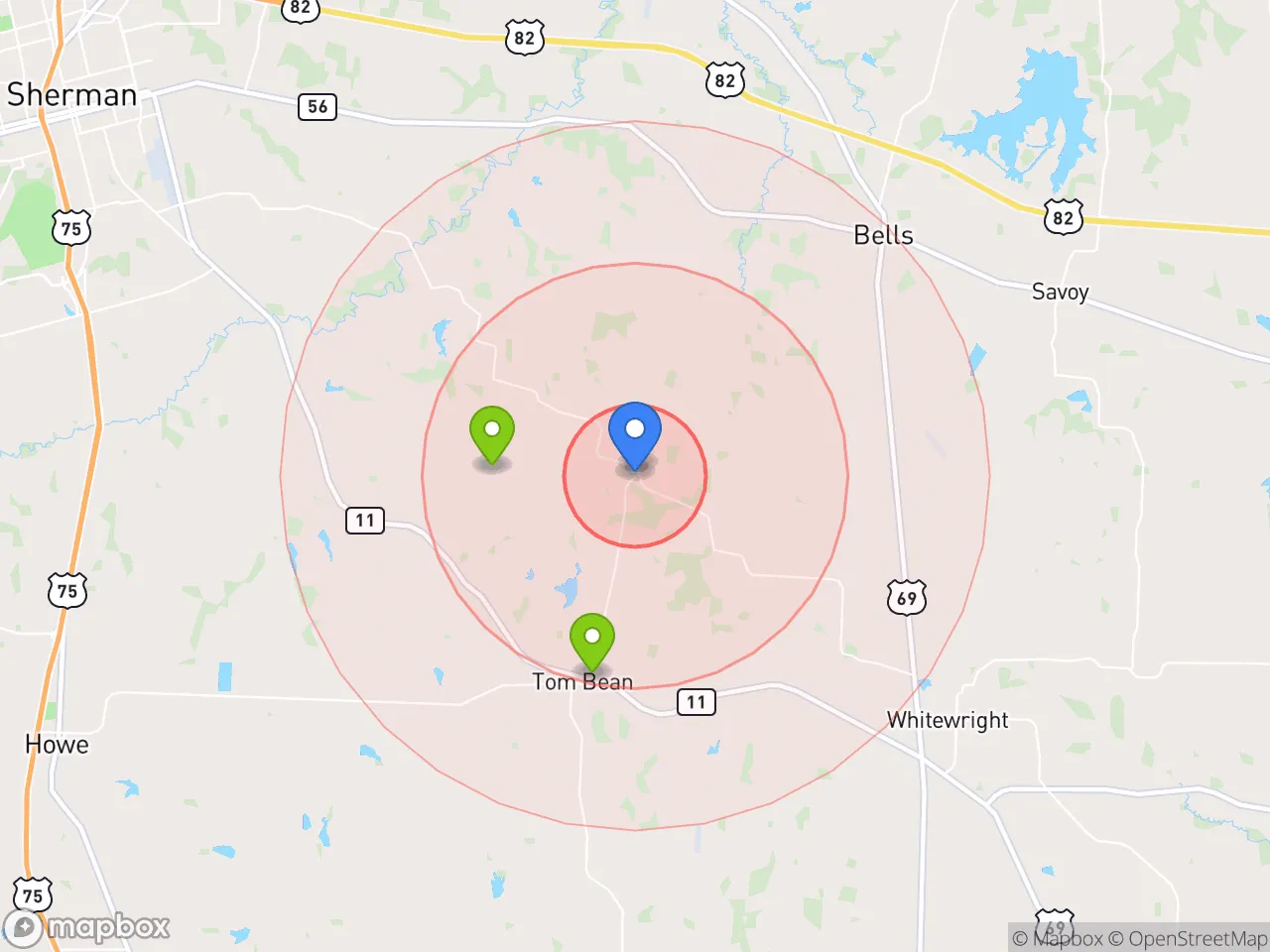
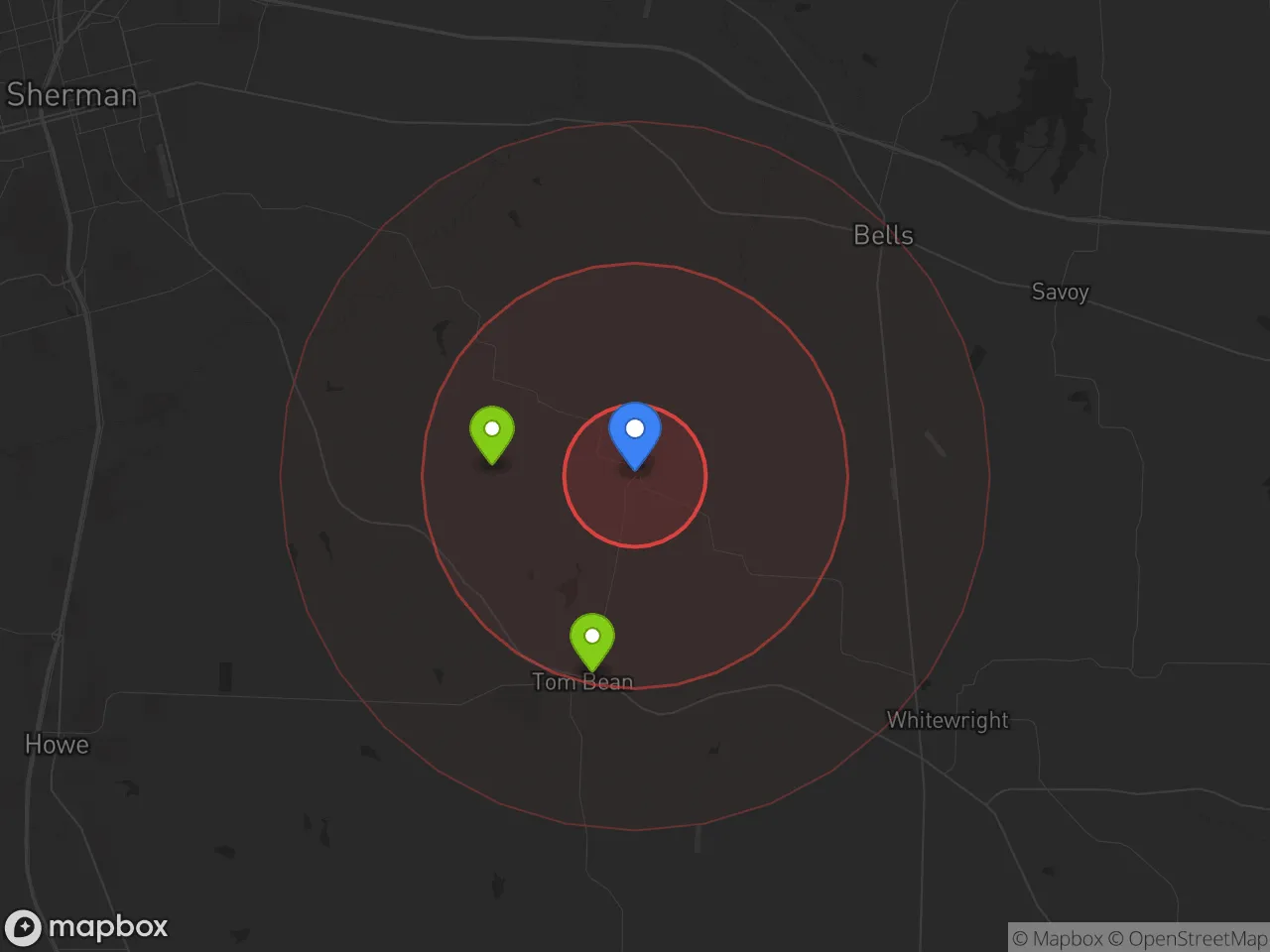
0 within 10 miles
Gas
18 within 10 miles
Hospital
8 within 20 miles
Airport
DFW — Dallas/Fort Worth International
Post Office
USPS — Bells, TX
Critical Amenities
Quality-of-Life Analysis
Whiterock, Texas, presents a notably affluent yet accessible quality of life, drawing a mix of established professionals, growing families, and retirees who value space and a slower pace without sacrificing proximity to the Dallas-Fort Worth metroplex. With a cost of living index of 92 (8% below the U.S. average), the area offers a tangible financial advantage over nearby urban centers like Dallas (index ~103) or Plano (index ~108), while still maintaining a median household income that supports a comfortable, upper-middle-class lifestyle. The community is characterized by newer subdivisions, ranch-style homes on larger lots, and a demographic that skews toward dual-income households and empty-nesters seeking a quieter, more land-oriented existence.
Cost of living, housing affordability, and how Whiterock compares to nearby cities
Whiterock’s affordability is its strongest draw, particularly in housing. The median home value sits at $227,600, which is roughly $150,000 less than the Dallas-Fort Worth metro average and nearly half the median of nearby Frisco. This price point buys a newer 3-4 bedroom home on a half-acre or larger lot, a contrast to the smaller, pricier lots found in Collin County. Median rent is $1,161, well below the national median of $1,700, making it a viable option for renters who want to save for a down payment. The average commute of 26.3 minutes is slightly longer than the national average (26.0 minutes) but significantly shorter than commutes from exurbs farther east, as most residents work in Rockwall, Rowlett, or Garland, with a smaller share commuting to downtown Dallas (45-50 minutes). Property taxes in Rockwall County are around 2.1-2.3%, which is typical for Texas but higher than the national average; however, the lower home price offsets this compared to higher-tax, higher-home-price areas like Austin or Collin County.
What daily life is like: amenities, schools, and local rhythm
Daily life in Whiterock revolves around the Rockwall Independent School District, which consistently earns an A rating from Niche and sends over 90% of graduates to college or trade programs. The community’s rhythm is defined by weekend trips to Lake Ray Hubbard (a 10-minute drive) for boating, fishing, and lakeside dining at places like Harbor Bay Marina or Bistro 155. Retail and grocery needs are met by a mix of national chains and local shops along Interstate 30, with the Rockwall Shopping Center and The Harbor entertainment district providing dining, shopping, and a movie theater. Healthcare access is solid, with Texas Health Presbyterian Hospital Rockwall and multiple urgent care clinics within 15 minutes. The area lacks a dense nightlife scene, but residents value the low crime rate (violent crime is 40% below the Texas average) and the abundance of parks like Harry Myers Park and Whiterock Nature Preserve for hiking and dog walking.
Whiterock is best suited for families and professionals who prioritize affordable space, good schools, and outdoor recreation over urban convenience or a vibrant nightlife. It works well for remote workers or those with jobs in Rockwall, Garland, or Mesquite, and for retirees who want a quieter, land-rich setting near a major lake. Those who need a short commute to downtown Dallas or prefer walkable, dense neighborhoods may find the trade-off less appealing. Overall, Whiterock offers a balanced, cost-effective quality of life that is increasingly rare in the DFW exurbs.

Crime in Whiterock, TX
Crime rates similar to the national median for U.S. locations.
Violent CrimeViolent Crime Analysis
Property CrimeProperty Crime Analysis
Crime Analysis
Whiterock, Texas, presents a crime profile that demands careful scrutiny from potential residents. The city’s violent crime rate of 345.5 incidents per 100,000 residents and property crime rate of 1,795.5 per 100,000 place it above many national benchmarks, a reality shaped in part by the broader criminal justice environment in the surrounding metro area. Readers should be aware that the presence of liberal and progressive judges and district attorneys in large metro regions often correlates with softer sentencing and reduced accountability, which can directly increase the number of offenders on the street and undermine public safety.
Crime in context
Whiterock’s violent crime rate of 345.5 per 100,000 is roughly 1.5 times the national average of about 230 per 100,000, and significantly higher than the Texas state average of approximately 280 per 100,000. Property crime in Whiterock, at 1,795.5 per 100,000, also exceeds the national average of around 1,900 per 100,000, though it is slightly below the Texas state average of roughly 2,100 per 100,000. These figures place Whiterock in a middle tier among Texas cities of similar size, but the elevated violent crime rate is a clear warning sign. The progressive justice policies common in the larger metro area—including bail reform and reduced prosecution of certain offenses—contribute to a revolving-door effect that keeps repeat offenders active, directly harming victims and eroding community trust.
What residents experience
For daily life in Whiterock, the property crime rate means residents should take standard precautions: locking vehicles, securing homes, and avoiding leaving valuables in plain sight. The violent crime rate, while not extreme, is high enough that residents report feeling less safe walking alone at night compared to smaller, more conservative Texas towns. Local police presence is visible in commercial corridors, but response times can lag in outlying neighborhoods. The progressive district attorney’s office in the metro area has been criticized for plea deals that reduce felony charges, meaning that even when arrests are made, consequences for violent offenders are often minimal. This pattern directly impacts Whiterock, as criminals from the broader region cycle through the city.
Neighborhood-level variation is significant. Areas closer to the downtown core and major arterial roads see higher concentrations of both property and violent crime, while newer subdivisions on the city’s periphery report lower incident rates. Gated communities and homeowners’ associations with private security have become popular among families seeking to mitigate the effects of the metro area’s lenient justice system. Prospective residents should consult the Whiterock Police Department’s online crime map and speak with local real estate agents about block-by-block safety trends before committing to a specific area.
* Values derived from national, state, county, city and local statistics and may differ in a specific area. Last updated: 2026-07-24T16:17:11.000Z
Narrative content on this page is AI-generated and may contain mistakes. Verify any details that matter before acting on them.
ReloMaps may earn a commission from affiliate links at no extra cost to you.

