Demographics of Whiterock, TX
Affluence Level in Whiterock, TX
A middle-class area roughly in line with national averages across income, home values, education, and employment.
People of Whiterock, TX
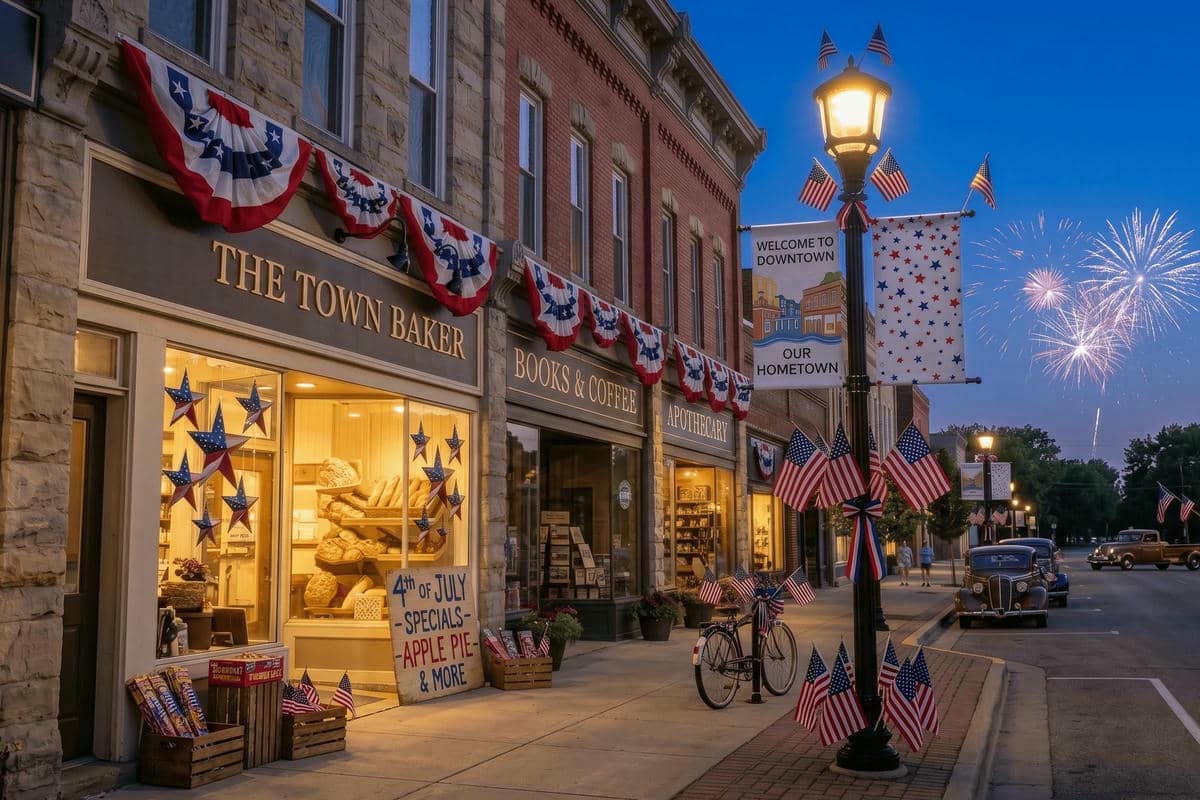
Whiterock, Texas, is a small, tightly-knit community of 688 residents where the population is overwhelmingly White (83.6%) and Hispanic (10.5%), with a very small Black population (2.6%) and virtually no Asian or Indian residents. The city’s character is defined by its rural roots, a low college attainment rate of 12.3%, and a foreign-born share of just 1.3%, making it one of the least diverse and most native-born communities in the region. Residents identify strongly with local traditions, church life, and a slower pace of life, with a distinct sense of place centered on the historic downtown and surrounding ranchland. For those considering a move, Whiterock offers a stable, culturally homogeneous environment where generational ties run deep.
How the city was settled and grew
Whiterock was founded in the late 19th century as a railroad stop and agricultural hub, drawing its first permanent settlers from Anglo-American families migrating west from the Deep South and the Upper South. These early arrivals were primarily farmers and ranchers attracted by the fertile blackland prairie and the promise of inexpensive land grants. The original settlement clustered around the rail depot in what is now Old Town Whiterock, a neighborhood of modest frame houses and a single main street that still retains its 1880s commercial core. By the early 1900s, a second wave of German and Czech immigrants arrived, drawn by the area’s reputation for cotton and livestock farming. They established a distinct enclave in the North Pasture District, where a handful of Lutheran churches and family-run dairies operated well into the 1950s. The population remained overwhelmingly Anglo through the mid-20th century, with the 1950 census recording a 97% White share, reflecting the area’s limited appeal to other groups due to its remote location and lack of industrial employment.
Modern era (post-1965)
After the 1965 Hart-Cellar Act, Whiterock saw virtually no immigration-driven diversification. The foreign-born population today stands at just 1.3%, and the city’s demographic shifts have come almost entirely from domestic migration. The most significant change began in the 1980s, when a small number of Hispanic families moved into the South Creek Addition, a modest subdivision of 1970s-era ranch homes built on former pastureland. This neighborhood remains the primary concentration of Whiterock’s Hispanic population, which now makes up 10.5% of the city. The Black population, at 2.6%, is scattered across the Eastside Flats, a historically working-class area near the old cotton gin. The Asian and Indian populations remain at 0.0%, reflecting the city’s lack of professional employment, higher education institutions, or ethnic infrastructure that typically attracts these groups. The college-educated share of just 12.3% underscores that Whiterock has not attracted the knowledge-economy migrants who have reshaped larger Texas cities. Instead, the population has remained stable and locally rooted, with most new residents being adult children of existing families returning after short stints elsewhere.
The future
Whiterock’s population is projected to remain small and demographically stable over the next 10–20 years, with slow growth driven primarily by natural increase and limited in-migration from nearby rural counties. The Hispanic share is likely to rise modestly, potentially reaching 14–16% by 2040, as younger Hispanic families in the South Creek Addition have higher birth rates than the aging Anglo population. However, the city’s overall diversity index will remain low, as there are no major employers, housing developments, or infrastructure projects on the horizon that would attract significant numbers of new residents from outside the region. The Old Town Whiterock neighborhood is seeing a small revival as remote workers from Austin and Dallas purchase historic homes, but this trend is limited by the lack of high-speed internet and the 45-minute drive to the nearest major city. The cultural identity is likely to remain strongly Anglo-Texan, with a growing Hispanic influence in local festivals and church life, but without the rapid diversification seen in suburban Texas. For a new resident, Whiterock offers a predictable, low-change environment where community ties are strong and demographic turnover is minimal.
Whiterock is becoming a slightly more Hispanic, still overwhelmingly Anglo community where generational continuity outweighs demographic change. For someone moving in now, the city offers a stable, culturally conservative environment with deep local roots, but little of the diversity or rapid growth found in larger Texas metros. The neighborhoods of Old Town Whiterock, North Pasture District, South Creek Addition, and Eastside Flats each tell a distinct chapter of this story, from Anglo settlement to Hispanic integration to the persistence of a small, tight-knit population.

* Values derived from national, state, county, city and local statistics and may differ in a specific area. Last updated: 2026-07-24T16:17:11.000Z
Narrative content on this page is AI-generated and may contain mistakes. Verify any details that matter before acting on them.
ReloMaps may earn a commission from affiliate links at no extra cost to you.

