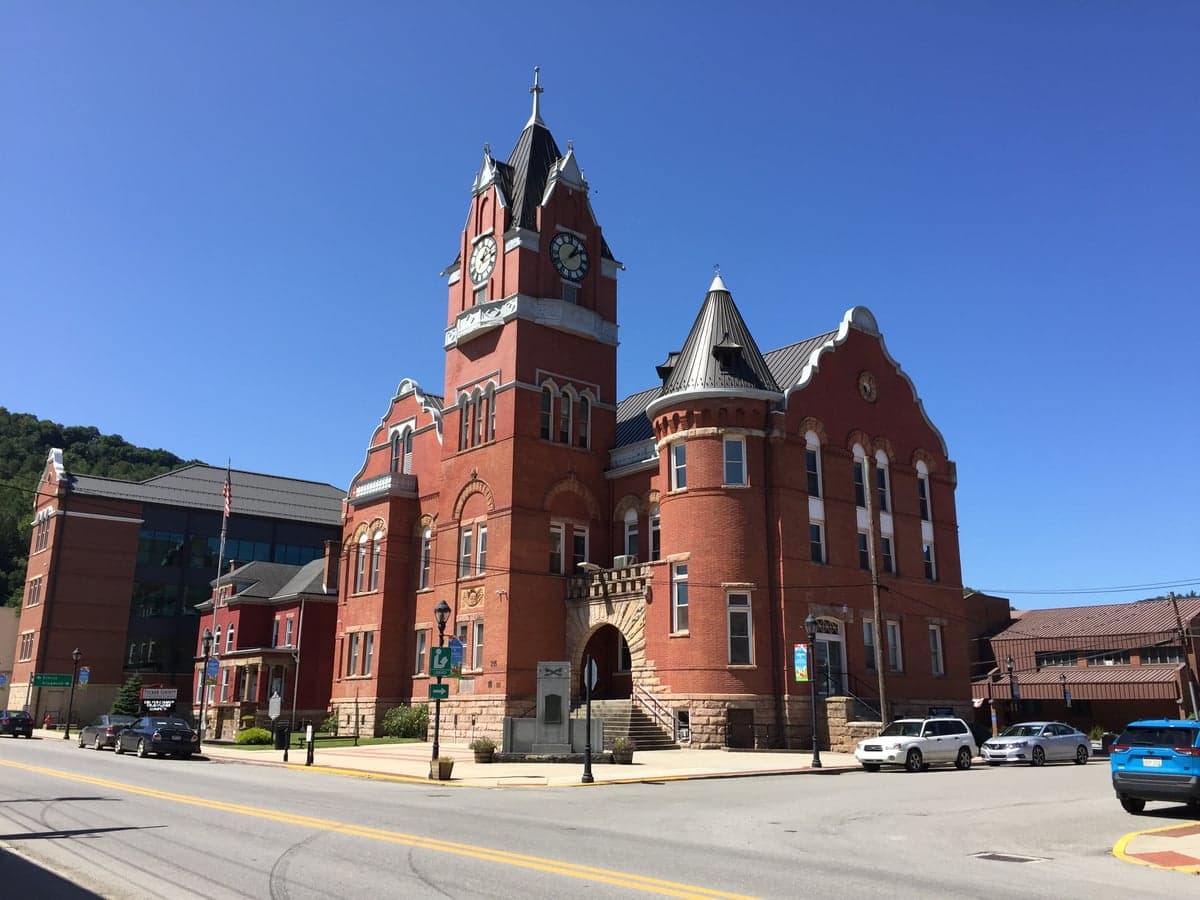
Photo: Wikipedia
Quality of Life in Tucker County
A livable area that tracks near national norms for affordability, walkability, and neighborhood health.
What does Quality of Life tell us?
Quality of Life measures an area by evaluating factors like cost of living, nearby amenities, country club access, airport proximity, socioeconomic signals and neighborhood character. For large states, this is a general average — quality of life can vary dramatically between metro areas, suburbs, and rural communities within the same state.
What does this tell us?
Quality of Life measures an area by evaluating factors like cost of living, nearby amenities, country club access, airport proximity, socioeconomic signals and neighborhood character. For large states, this is a general average — quality of life can vary dramatically between metro areas, suburbs, and rural communities within the same state.
Cost of Living
44% below national average
129%
The Real Cost of Living in Tucker County for 2026
| Tier | Individual | Family (4) |
|---|---|---|
| Survival | $11k | $21k |
| Comfortable | $28k | $41k |
| Luxury | $97k+ | $150k+ |
| Elite (Top 5%) | $120k+ | $186k+ |
Quality-of-Life Analysis
Tucker County, West Virginia, offers a spectrum of quality-of-life options that range from the outdoor-recreation hub of Davis and Thomas to the quiet, unincorporated hollows of Clover Run and St. George. The county draws two distinct groups: adventure-seeking visitors and second-home owners who gravitate toward the amenity-rich towns near the ski slopes, and long-term residents who value deep affordability, privacy, and a slower pace in the county’s more remote pockets. This mix creates a county where a weekend getaway cabin and a generational family home can sit just a few winding roads apart.
Largest town(s) & population centers
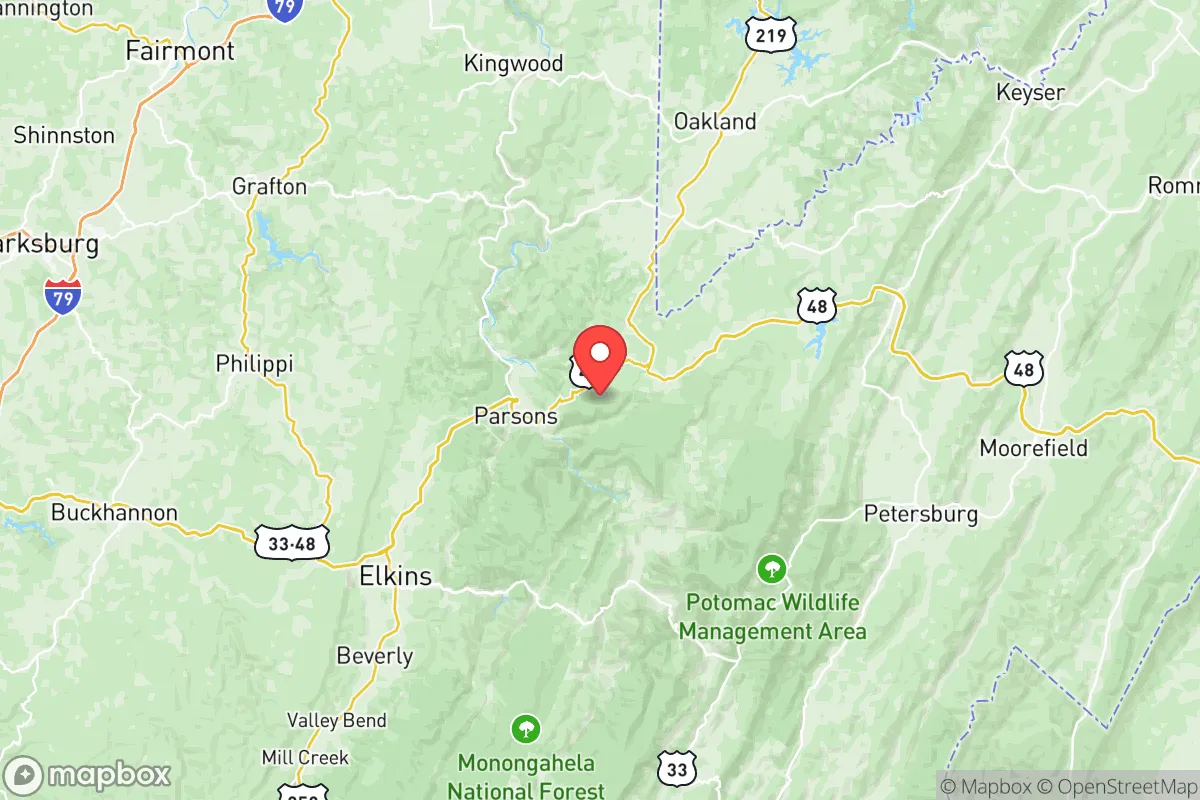
The county’s primary population centers are Parsons (the county seat, population ~1,400) and the twin towns of Davis and Thomas (combined population ~1,200). Parsons functions as the commercial and administrative hub, with the county courthouse, a grocery store, a pharmacy, and the Tucker County Hospital. Daily life here is quiet and practical—most errands can be done within a few blocks, and the nearby Blackwater River offers fishing and kayaking. Davis and Thomas, by contrast, have reinvented themselves as tourism-oriented towns. Davis sits at the base of the Canaan Valley ski area and is home to the Purple Fiddle, a nationally known live-music venue, while Thomas features art galleries, breweries, and the historic Thomas Depot. Daily life in these towns is walkable and social, with a noticeable influx of visitors on weekends and during ski season.
Smaller towns & rural pockets
Beyond the main towns, Tucker County is dotted with unincorporated communities that offer a more isolated lifestyle. Hambleton (population ~230) lies along the Cheat River and is a quiet residential area with a handful of historic homes and a post office. Hendricks (population ~200) is a former railroad town with a small park and direct access to the Blackwater River. Further into the hills, Clover Run and St. George are essentially clusters of homes and farms along county routes, with no commercial services—residents drive 15–25 minutes to Parsons or Davis for groceries and gas. Lanesville, near the Monongahela National Forest boundary, is a true rural pocket where homes sit on multi-acre lots and the nearest store is a 20-minute drive. These areas appeal to those seeking land, privacy, and the lowest possible housing costs.
Cost & lifestyle range
The cost of living in Tucker County is exceptionally low, with a cost-of-living index of 56 (100 is the U.S. average). The median home value is $144,700 and median rent is $689, making it one of the most affordable counties in West Virginia for both buyers and renters. However, the spread is wide. At the lower end, a three-bedroom home in Hambleton or Clover Run can sell for under $90,000, while a renovated historic house in Thomas or a cabin near Timberline Mountain can exceed $300,000. Rent follows a similar pattern: a one-bedroom apartment in Parsons might run $550, while a short-term rental-ready studio in Davis can command $900–$1,200 per month. The average commute is 28.7 minutes, reflecting the fact that many residents drive to jobs in Elkins (30 minutes south) or to service-industry roles in Canaan Valley. Amenities are concentrated in Parsons and Davis; residents in St. George or Lanesville have no walkable access to restaurants, healthcare, or public transit and rely entirely on personal vehicles.
Tucker County is best suited for people who prioritize outdoor recreation, affordability, and a tight-knit community over urban conveniences. Remote workers and retirees with a tolerance for limited shopping and healthcare options will find the county’s low costs and natural beauty compelling. Families should note that the county has one K–12 school (Tucker County High School, rated above average for the state) and limited childcare options. Those who thrive here are self-sufficient, comfortable with a 30-minute drive for most errands, and eager to explore the county’s 100,000+ acres of public forest and the Dolly Sods Wilderness.

Crime in Tucker County
Generally safer than 68% of comparable U.S. locations.
Violent CrimeViolent Crime Analysis
Property CrimeProperty Crime Analysis
Crime Analysis
Tucker County, West Virginia, presents a mixed safety profile with violent crime rates significantly below national averages but property crime rates that demand attention from prospective residents. The county's violent crime rate of 232.1 per 100,000 residents is roughly 37% lower than the U.S. average of 366.7 per 100,000, while its property crime rate of 954.4 per 100,000 sits about 20% below the national figure of 1,195.6 per 100,000. However, these countywide averages mask notable differences between the small towns and unincorporated areas that make up this rural Appalachian region.
Crime in context
When compared to West Virginia's statewide violent crime rate of approximately 310 per 100,000, Tucker County's 232.1 per 100,000 places it among the safer counties in the Mountain State. The property crime rate of 954.4 per 100,000 is also lower than the state average of roughly 1,100 per 100,000. The county's largest town, Parsons (population ~1,400), sees the majority of reported incidents, though the numbers remain small in absolute terms. Thomas and Davis, two smaller communities popular with tourists and second-home owners, report even lower crime volumes, with property offenses like theft from vehicles being the most common complaint. The county's judicial system operates under the 21st Judicial Circuit, which covers Tucker, Randolph, and Grant counties. The circuit's judges have maintained a generally conservative approach to sentencing, which helps keep recidivism rates in check compared to more progressive jurisdictions in larger metro areas.
What residents experience
For those living in Tucker County, violent crime is a rare occurrence. The county typically reports fewer than 10 violent crimes annually, with aggravated assault being the most frequent category. Homicides are virtually nonexistent in most years. Property crime, however, is a more tangible concern. Hambleton and Hendricks, two smaller unincorporated communities along the Cheat River, have experienced occasional break-ins and thefts, particularly targeting unoccupied vacation properties. The county sheriff's office, based in Parsons, responds to calls across the county's 419 square miles, with response times varying from 10 minutes in town to 30-45 minutes in remote areas like Blackwater Falls State Park or the Dolly Sods Wilderness. Residents in these outlying areas often rely on neighborhood watch networks and personal security measures. The county's drug-related crime, primarily tied to methamphetamine and prescription opioid abuse, remains a concern but has declined since the peak of the opioid crisis in the late 2010s.
Neighborhood-level variation
Safety in Tucker County varies more by proximity to services than by stark neighborhood divides. Parsons, as the county seat and commercial hub, sees the highest concentration of reported thefts and minor drug offenses, largely due to its population density and the presence of retail establishments. Thomas and Davis, with their growing arts and tourism scenes, have lower overall crime but experience seasonal spikes in property crime during summer and fall foliage months when visitor numbers surge. The most remote areas, including St. George and the Canaan Valley region, report the lowest crime rates but also have the least law enforcement coverage. Prospective residents should note that the progressive judicial philosophies seen in some larger West Virginia cities like Morgantown or Charleston have not taken hold in Tucker County's courts, where judges prioritize victim rights and public safety over leniency for repeat offenders. This conservative judicial approach contributes to the county's relatively low violent crime rate and helps maintain community confidence in the justice system.
* Values derived from national, state, county, city and local statistics and may differ in a specific area. Last updated: 2026-10-05T19:27:19.000Z
Narrative content on this page is AI-generated and may contain mistakes. Verify any details that matter before acting on them.
ReloMaps may earn a commission from affiliate links at no extra cost to you.

