Photo: Wikipedia
Quality of Life in Greenbrier County
A livable area that tracks near national norms for affordability, walkability, and neighborhood health.
What does Quality of Life tell us?
Quality of Life measures an area by evaluating factors like cost of living, nearby amenities, country club access, airport proximity, socioeconomic signals and neighborhood character. For large states, this is a general average — quality of life can vary dramatically between metro areas, suburbs, and rural communities within the same state.
What does this tell us?
Quality of Life measures an area by evaluating factors like cost of living, nearby amenities, country club access, airport proximity, socioeconomic signals and neighborhood character. For large states, this is a general average — quality of life can vary dramatically between metro areas, suburbs, and rural communities within the same state.
Cost of Living
38% below national average
125%
The Real Cost of Living in Greenbrier County for 2026
| Tier | Individual | Family (4) |
|---|---|---|
| Survival | $13k | $25k |
| Comfortable | $26k | $39k |
| Luxury | $88k+ | $136k+ |
| Elite (Top 5%) | $119k+ | $185k+ |
Quality-of-Life Analysis
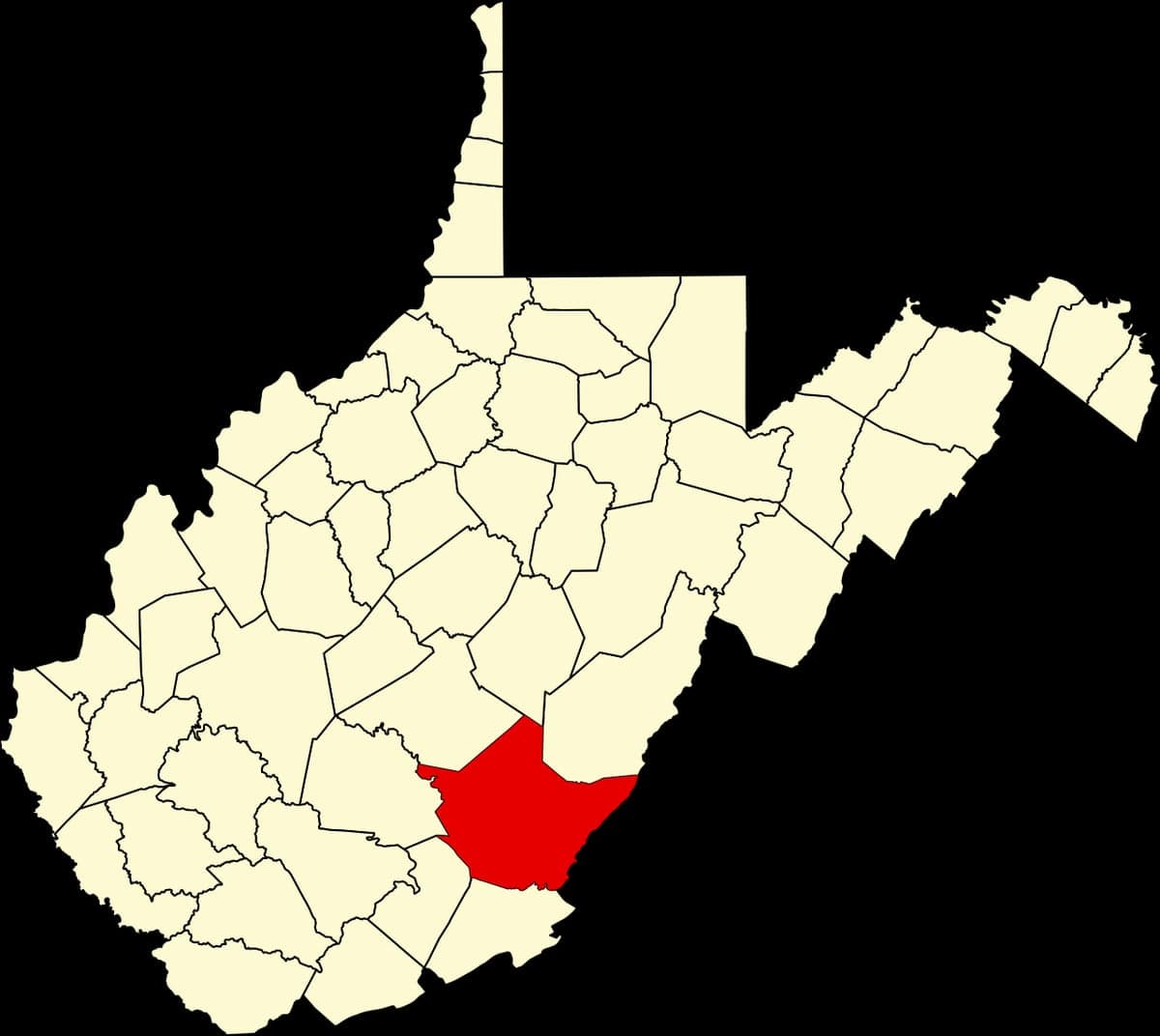
Greenbrier County, West Virginia, offers a quality-of-life spectrum that ranges from the historic, amenity-rich county seat of Lewisburg to deeply rural hollows and unincorporated communities, all within a county where the cost of living index sits at 62 — well below the national average of 100. The county attracts a mix of retirees seeking small-town charm, outdoor recreation enthusiasts drawn to the Greenbrier River and Monongahela National Forest, and remote workers priced out of larger metro areas. The character of daily life shifts noticeably depending on whether one lives in a walkable town center, a bedroom community, or a remote mountain valley.
Largest town(s) & population centers
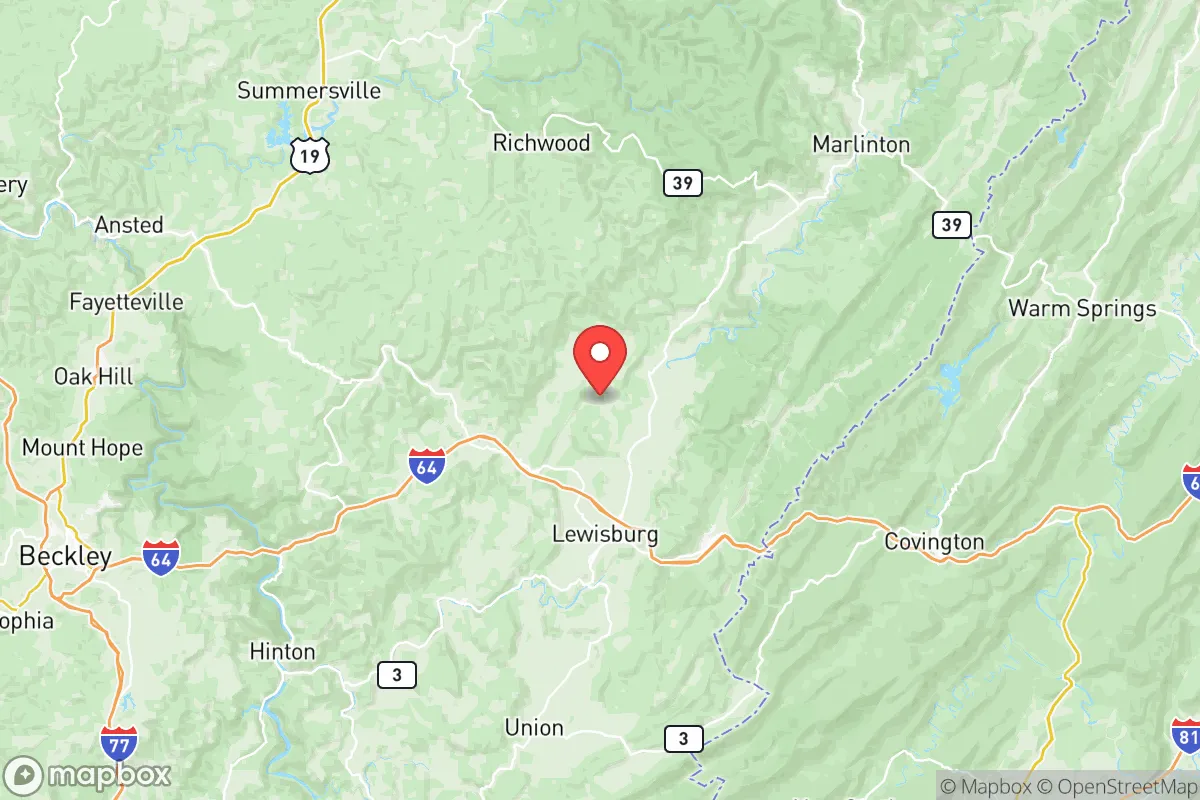
Lewisburg, the county seat and largest town (population roughly 3,900), anchors the county's cultural and economic life. Its historic downtown, centered around Washington Street, features boutique shops, farm-to-table restaurants, and the Carnegie Hall performance venue. Daily life here is walkable and social, with a farmers market, art galleries, and the Greenbrier Valley Theatre within a few blocks. Fairlea, immediately adjacent to Lewisburg, functions as the commercial strip with big-box retailers, medical facilities, and the Greenbrier Valley Airport. Ronceverte (population ~1,700), located along the Greenbrier River, has undergone a modest revitalization with its riverfront park, the Ronceverte Opera House, and a growing brewery scene. These three towns form the county's primary population corridor along U.S. Route 219, where most jobs, schools, and services are concentrated. The average commute across the county is 25.7 minutes, but residents in these town centers often walk or bike to work.
Smaller towns & rural pockets
Beyond the main corridor, Greenbrier County contains distinct smaller communities with their own identities. White Sulphur Springs (population ~2,200) is dominated by The Greenbrier resort, a historic luxury hotel that anchors the local economy; daily life here revolves around hospitality jobs and the resort's golf courses. Rainelle (population ~1,300), in the western part of the county, is a former timber and railroad town with a quieter, more working-class character. Quinwood and Rupert, both in the mountainous northwest, are tiny incorporated towns (populations under 500) where residents live in close-knit communities surrounded by national forest. Unincorporated areas like Smoot, Alta, and Williamsburg consist of scattered homes along winding roads, with no commercial centers — residents drive 20-30 minutes to Lewisburg or Rainelle for groceries and medical care. The rural pockets near the Greenbrier River Trail, such as Anthony and Fort Spring, attract outdoor-oriented residents who value privacy and direct trail access over convenience.
Cost & lifestyle range
The cost of living varies significantly across the county, though all areas remain well below national averages. The median home value is $136,300, and median rent is $834. At the higher end, Lewisburg's historic district and the gated communities near The Greenbrier resort in White Sulphur Springs see home prices ranging from $250,000 to $500,000, with some historic properties exceeding $1 million. These areas offer the most amenities: fine dining, cultural events, and proximity to the Greenbrier Valley Medical Center. At the lower end, Rainelle and Quinwood offer median home values around $70,000-$90,000, with rental options under $600. The trade-off is limited local employment, fewer grocery options, and longer drives to services. Rural properties along the Greenbrier River or in the mountains can be found for under $100,000, but often require well and septic systems and may lack high-speed internet — though fiber optic expansion through regional cooperatives is gradually improving connectivity. Property taxes remain low countywide, typically under 1% of assessed value, which keeps carrying costs manageable even for higher-priced homes.
Greenbrier County suits a wide range of lifestyles, but the best fit depends on priorities. Retirees and remote workers with a budget above $200,000 will find the most convenience and culture in Lewisburg or near White Sulphur Springs. Outdoor enthusiasts and those seeking maximum affordability will find solitude and value in the rural hollows around Rupert, Quinwood, or along the river corridor. Families should weigh school quality — Lewisburg's schools consistently rank higher than those in the western part of the county — against housing costs. The county's low cost of living and natural beauty are universal draws, but the trade-offs in commute time, amenities, and social opportunities are real and vary sharply by location.

Crime in Greenbrier County
Generally safer than 68% of comparable U.S. locations.
Violent CrimeViolent Crime Analysis
Property CrimeProperty Crime Analysis
Crime Analysis
Greenbrier County, West Virginia, posts a violent crime rate of 227.7 per 100,000 residents and a property crime rate of 941 per 100,000, placing it in a mixed safety position within the state. These figures are roughly in line with West Virginia's overall averages, but significantly below the national violent crime rate of 380 per 100,000. However, the county’s property crime rate exceeds the national average, signaling a real concern for theft and burglary, particularly in more urbanized pockets like Lewisburg and Ronceverte.
Crime in context
When compared to West Virginia’s statewide violent crime rate of approximately 280 per 100,000, Greenbrier County’s rate of 227.7 is about 19% lower, a favorable statistic. Yet its property crime rate of 941 per 100,000 sits above both the state average (roughly 880) and the national average (roughly 850). This divergence suggests that while residents face a lower risk of violent confrontation, they are statistically more vulnerable to theft from vehicles, home burglaries, and larceny. The West Virginia State Police and the Greenbrier County Sheriff’s Office divide enforcement across the county, with the City of Lewisburg operating its own police force. Rural areas such as White Sulphur Springs and Reno see fewer reported incidents, but the county’s property crime rate is driven by activity along the I-64 corridor and in the more populated towns.
What residents experience
Daily life in Greenbrier County feels comparatively safe in the small, tight-knit communities, but residents regularly warn about vehicle break-ins and theft from outbuildings, especially along U.S. Route 60 near Rainelle and in the parking areas near popular tourist destinations like The Greenbrier Resort. The violent crime of 227.7 per 100,000 is primarily composed of simple assault and aggravated assault, with homicide rates consistently near zero in most years. Lewisburg and Fairlea handle the majority of these incidents, often linked to domestic disputes or alcohol-fueled altercations. Property crime—the 941 per 100,000 rate—is more diffuse, with larceny from motor vehicles the single most common complaint. The Prosecuting Attorney’s Office for Greenbrier County has historically taken a moderately conservative approach to sentencing, but like much of West Virginia, drug-related crime, particularly methamphetamine and opioid offenses, strains resources and contributes to repeat property offenses. Lewisburg Police Department reports that a small number of repeat offenders account for a disproportionate share of property crimes, a pattern seen across rural America.
Neighborhood-level safety varies significantly. White Sulphur Springs enjoys very low crime rates, especially violent crime, largely due to its small population and the presence of The Greenbrier’s private security. Ronceverte and Alderson have higher rates of reported theft per capita, though both remain below the county property crime average. Lewisburg, the county seat, sees the highest absolute number of incidents, but its crime rates are still moderate by state standards. The Greenbrier County Judicial Circuit has a mostly moderate to conservative bench; progressive judicial reforms that can lead to reduced prison terms or supervised release for property offenders are present but not dominant. For those concerned about crime, families should gravitate toward the outlying hamlets like Bruceton Mills or Smoot, where reported crimes are extremely rare. Overall, property crime requires active prevention—locking vehicles and securing sheds—while violent crime remains a minor threat in the vast majority of neighborhoods.
* Values derived from national, state, county, city and local statistics and may differ in a specific area. Last updated: 2026-07-03T04:37:26.000Z
Narrative content on this page is AI-generated and may contain mistakes. Verify any details that matter before acting on them.
ReloMaps may earn a commission from affiliate links at no extra cost to you.

